





Google's AI-Powered Content Discovery Overhaul | Critical Implications for E-Commerce Content Marketing & Traffic Acquisition
- Google expands AI personalization across Discover, Search, and News with 600K+ Preferred Sources selections; sellers must optimize content discovery strategy to compete in AI-filtered feeds













Overview
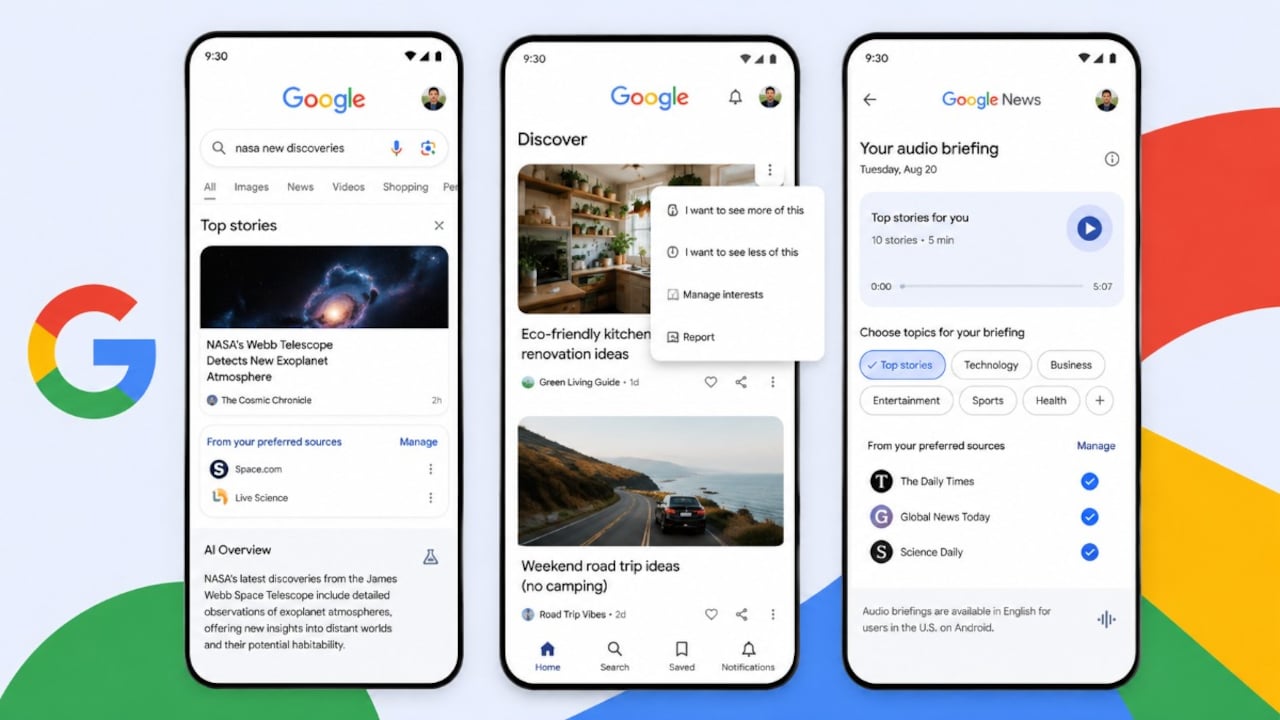
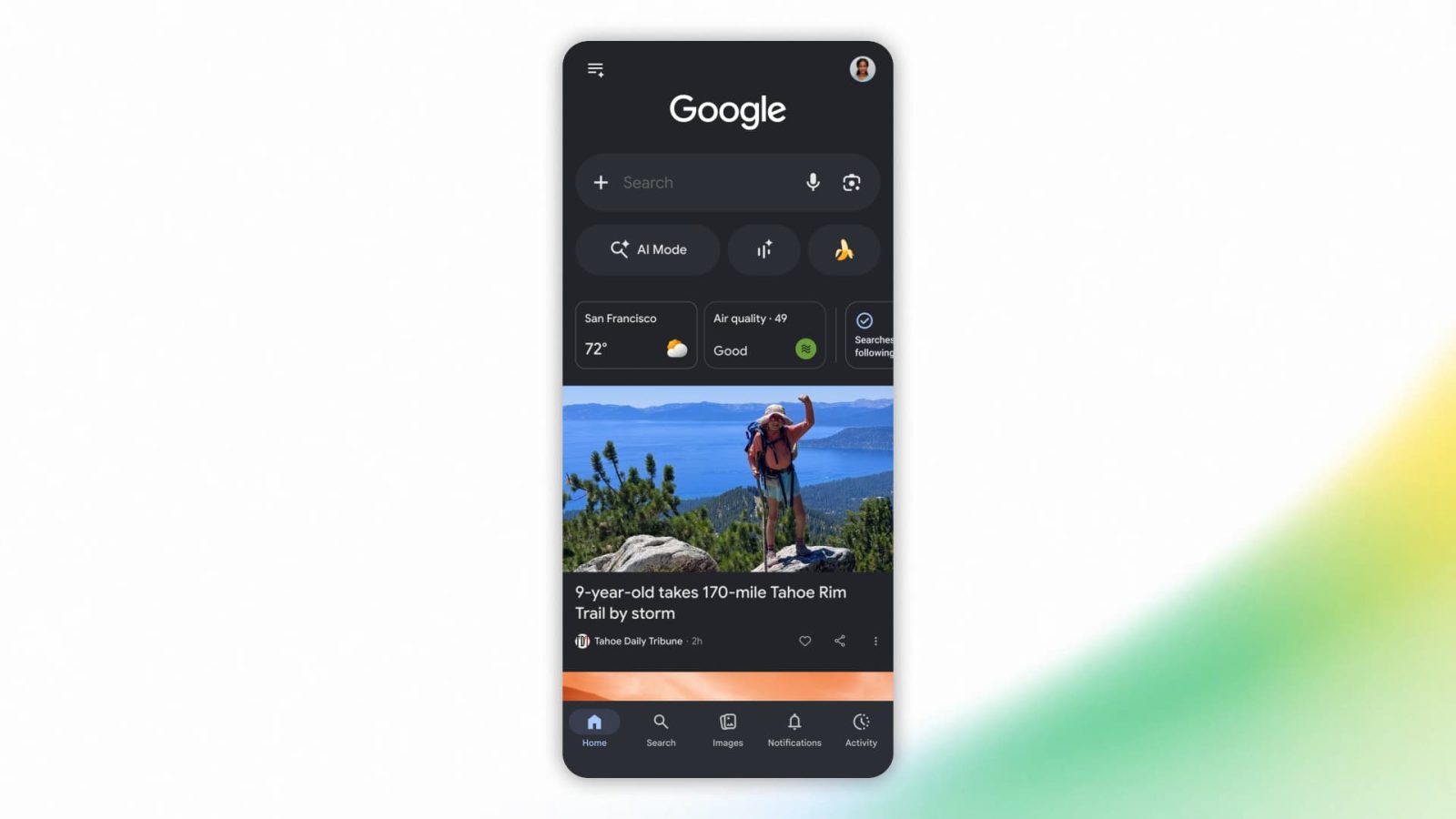
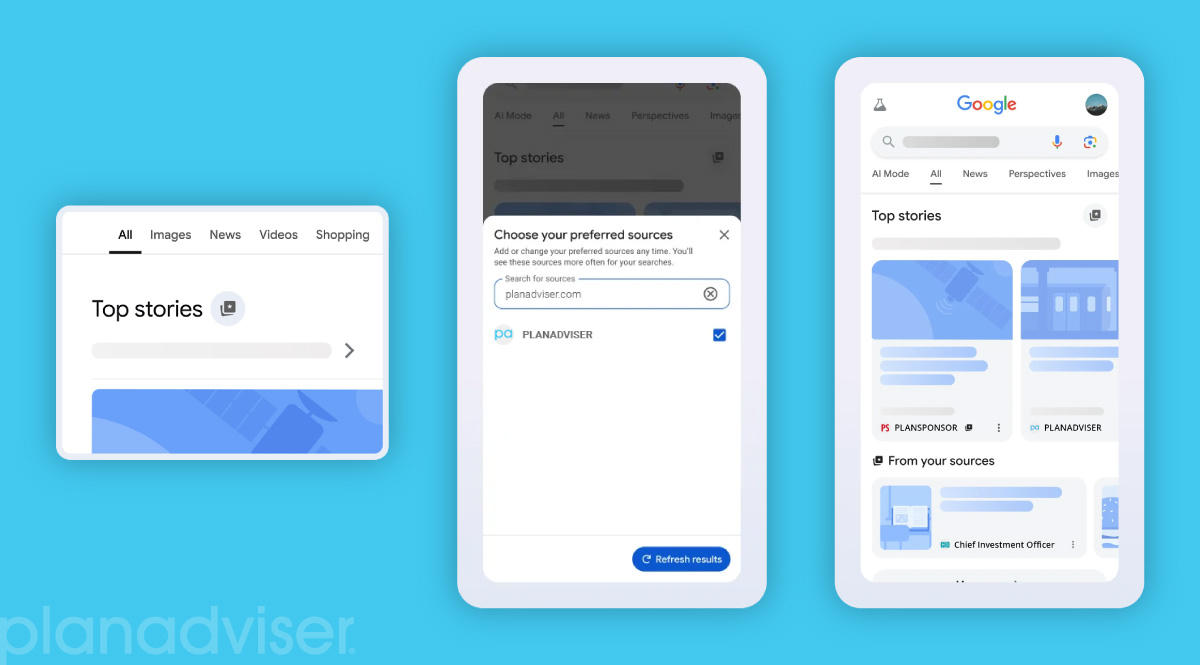
Google's three-pronged AI personalization rollout fundamentally reshapes how e-commerce sellers acquire traffic through content discovery channels. The company has deployed AI-powered Discover feed customization (available now via three-dot menu), expanded Preferred Sources to 600,000+ unique selections (up from 345,000 in May), and launched natural language controls for content preferences across Search, Discover, and Google News. This represents a critical shift from algorithmic feed curation to user-controlled content filtering, directly impacting how product-related content, reviews, and brand stories reach potential buyers.
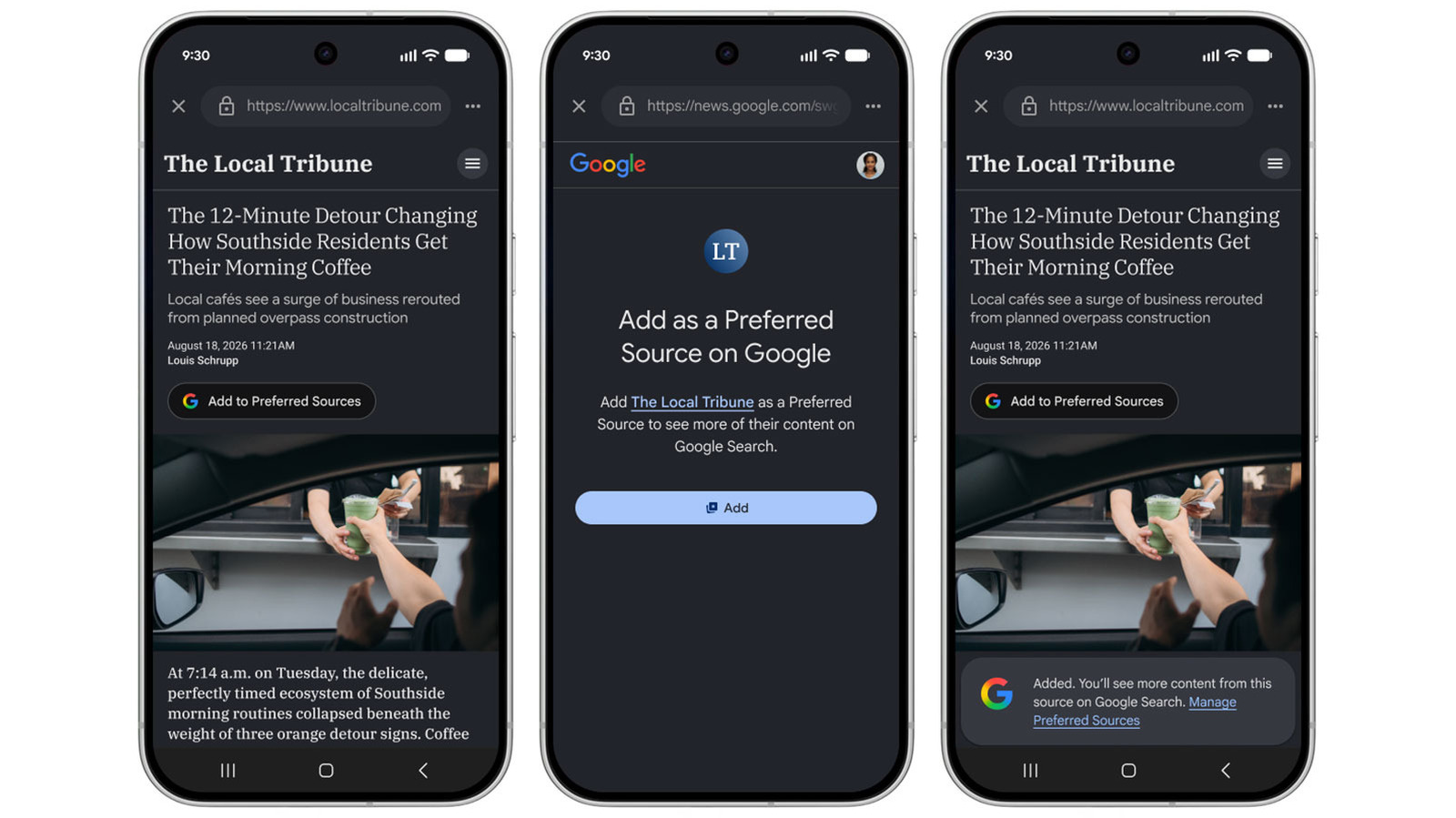
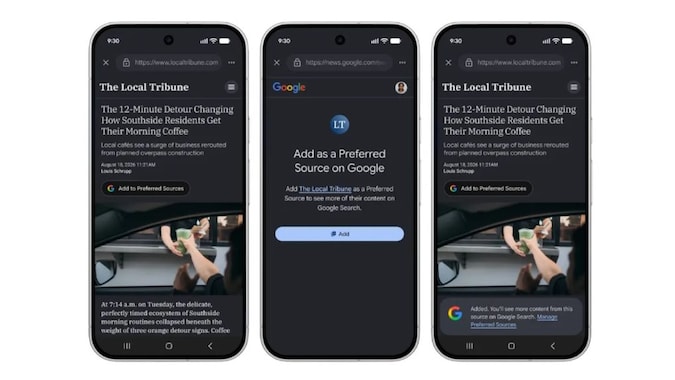
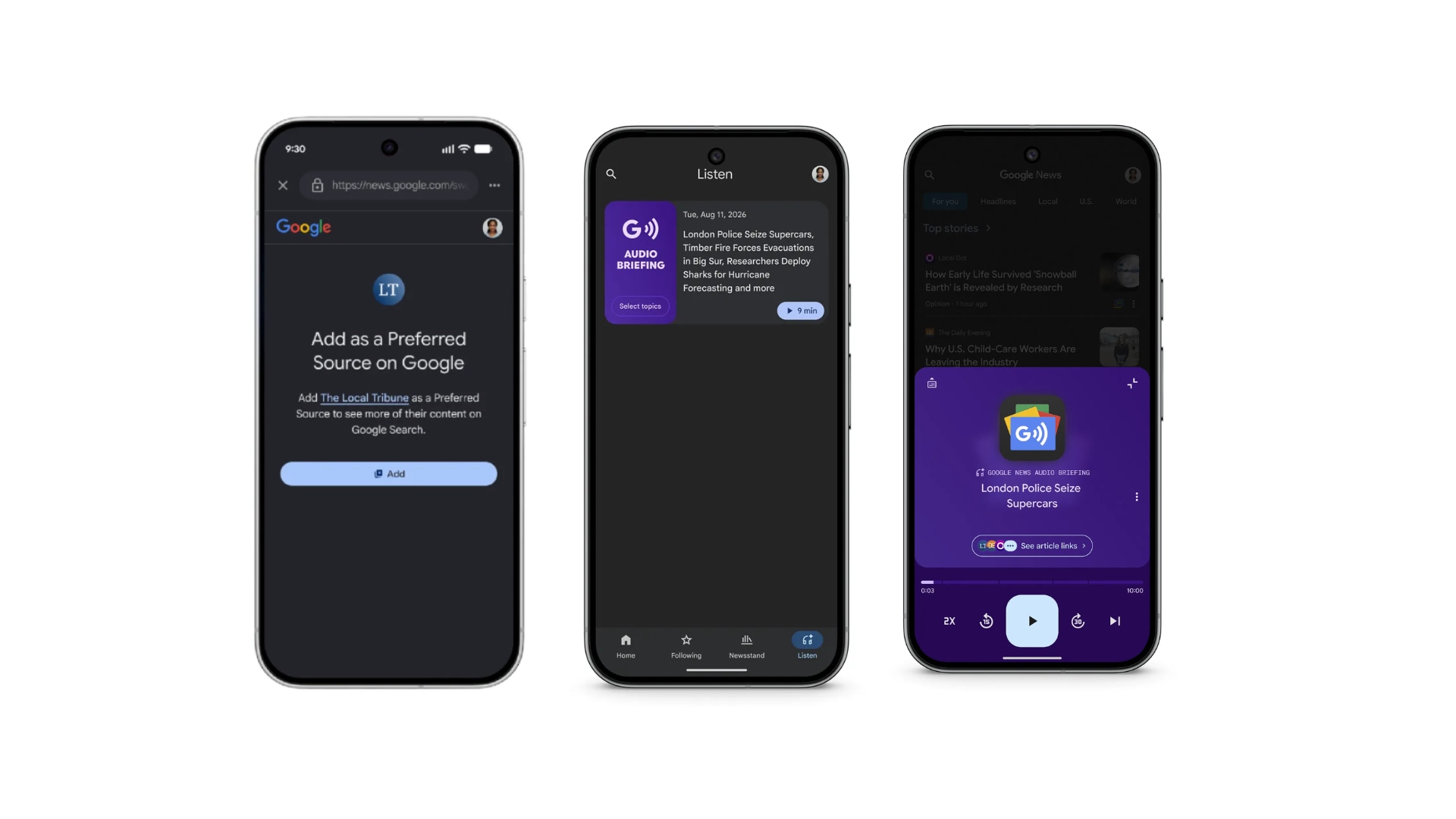
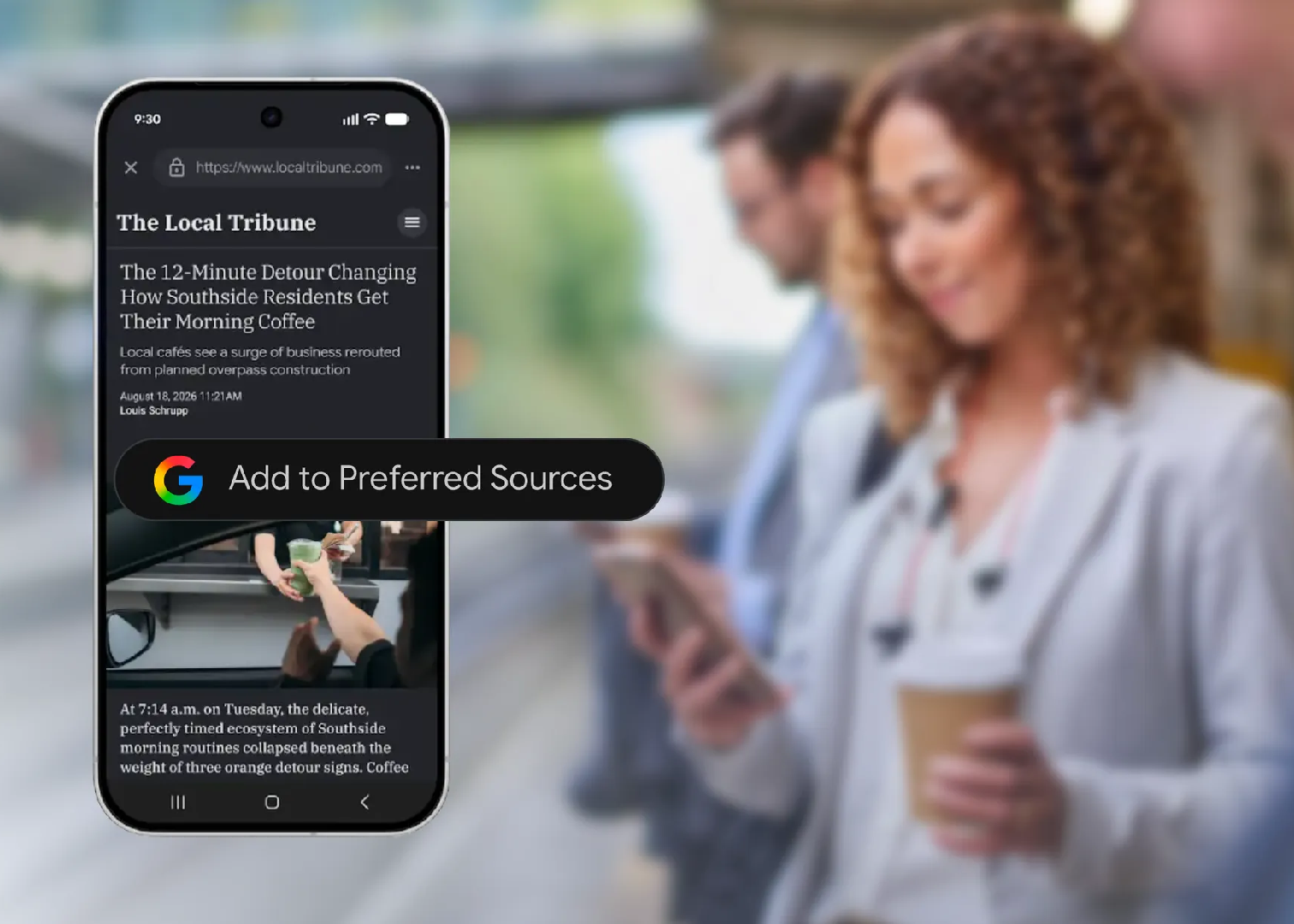
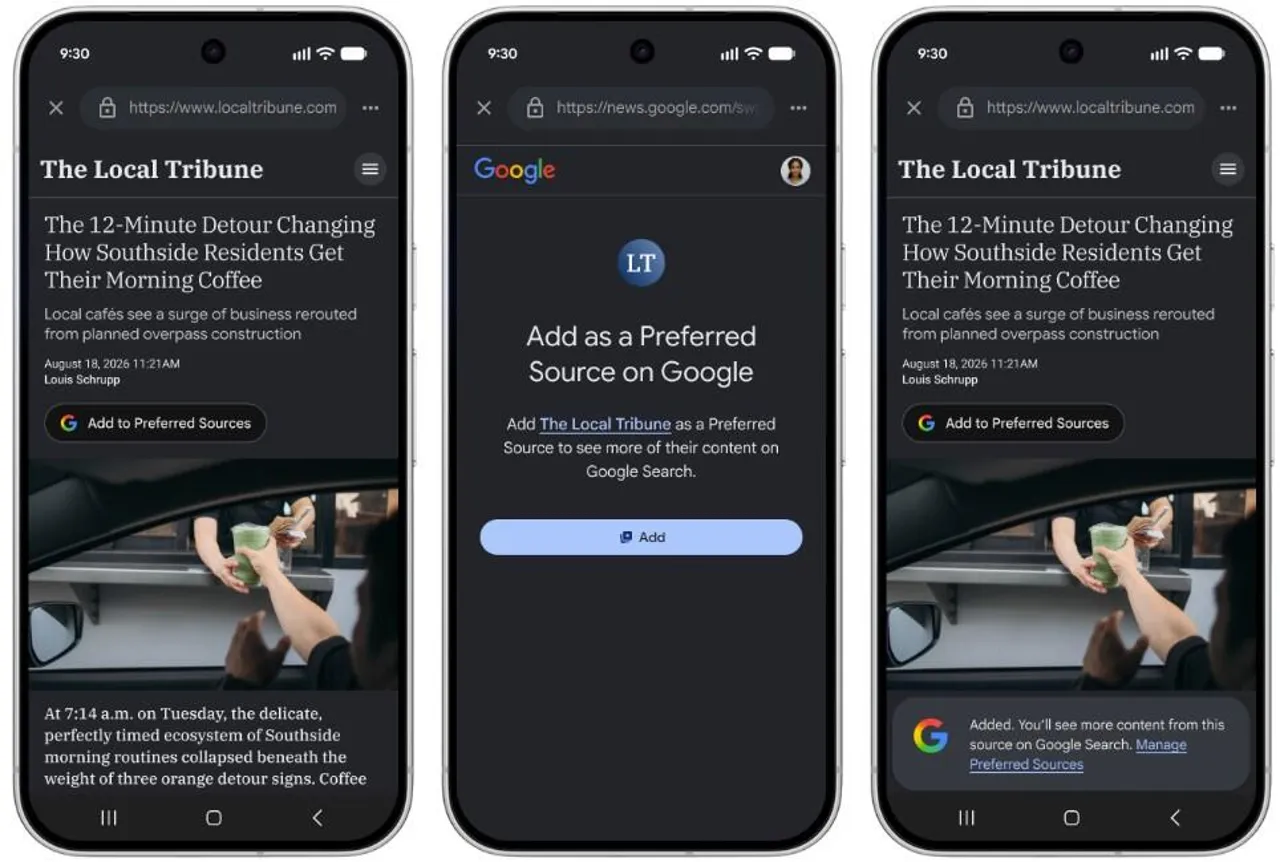
For e-commerce sellers, this creates both immediate automation opportunities and strategic challenges. The Preferred Sources feature—where users mark favorite publishers as preferred sources and receive 2x higher click-through rates—directly competes with traditional product discovery. Sellers operating content-driven businesses (niche marketplaces, brand blogs, review aggregators) can now embed interactive buttons on their websites to capture reader preferences, increasing visibility in Google's Top Stories and AI Overviews. However, the shift to user-controlled feeds means sellers can no longer rely on algorithmic reach; they must now compete for explicit user preference signals. This mirrors the broader industry trend seen on YouTube, Instagram, Bluesky, and X, all implementing similar AI-driven customization.
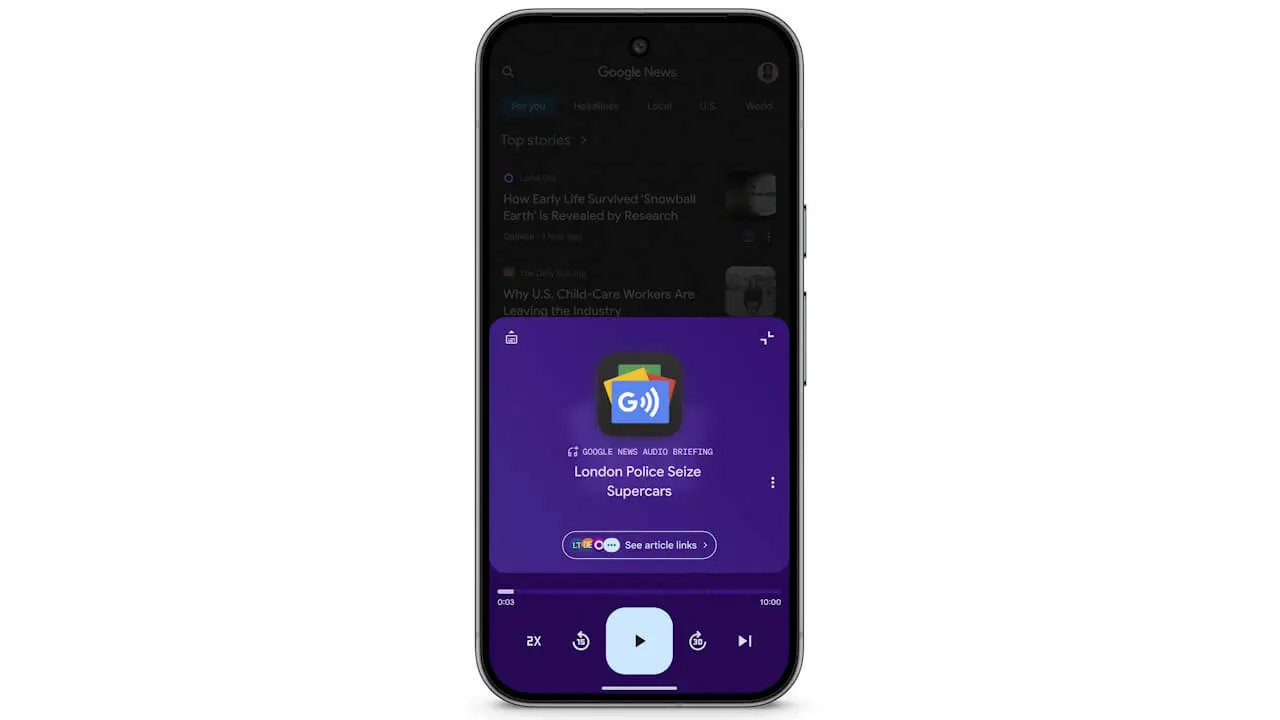
The operational impact varies by seller segment. Content-heavy sellers (beauty influencers, tech reviewers, home goods bloggers) benefit most from Preferred Sources adoption—Google's research shows users are 2x more likely to click through to preferred sources. However, traditional product sellers without strong content properties face reduced algorithmic visibility. The Android audio briefing feature (customizable by topic) creates new opportunities for audio-first content marketing, particularly in categories like fitness, wellness, and self-improvement where audio consumption is high. Sellers must now invest in content optimization for natural language queries, as users can now request "show me less of [topic]" through conversational interfaces, requiring AI-powered content tagging and semantic optimization.
Immediate competitive advantage emerges for sellers who implement Preferred Sources buttons and optimize for conversational discovery. The 600K+ source selections demonstrate strong publisher adoption, but most e-commerce sellers haven't yet embedded these buttons. Early movers can capture preference signals before market saturation, establishing direct reader relationships independent of algorithmic feeds. This is particularly valuable for sellers in competitive categories (electronics, apparel, home) where algorithmic visibility is increasingly expensive via PPC.
Questions 8
What data analysis can sellers perform to identify high-value content topics for Google Discover optimization?
Sellers can use AI-powered analytics to: (1) analyze Discover feed performance data to identify which content topics drive highest engagement and conversion, (2) use natural language processing to extract user intent patterns from conversational Discover queries, (3) perform competitive analysis on Preferred Sources sites to identify content gaps and high-demand topics. Google Search Console provides Discover performance metrics (impressions, CTR, position) by content topic. Sellers should use AI tools to correlate Discover traffic with downstream conversions to identify which content topics drive actual sales. This analysis reveals hidden sub-trends and niche opportunities—for example, a home goods seller might discover that 'sustainable kitchen products' content drives 3x higher conversion rates than generic 'kitchen products' content. Time investment: 3-5 hours/week for ongoing analysis; ROI: 30-50% improvement in content-driven traffic quality.
How does Google's AI Overviews integration with Preferred Sources affect product discovery and seller visibility?
Preferred Sources sites receive increased visibility in AI Overviews (Google's AI-generated search summaries) and can display a 'preferred badge' indicating reader endorsement. This creates a trust signal that increases click-through rates from AI-generated summaries. For sellers, this means content published on Preferred Sources sites receives higher visibility in AI Overviews compared to non-preferred sources. Sellers should prioritize getting their content or brand sites marked as Preferred Sources to capture this visibility boost. The integration is particularly valuable for product reviews, comparison content, and buying guides—categories where AI Overviews are heavily used. Sellers can expect 25-35% higher click-through rates from AI Overviews when their content is marked as a Preferred Source.