



Defense Tech Boom Signals Supply Chain Opportunities for Industrial Sellers
- $1B funding fuels Pentagon manufacturing expansion, creating B2B procurement opportunities for component suppliers and logistics providers serving defense contractors









Overview
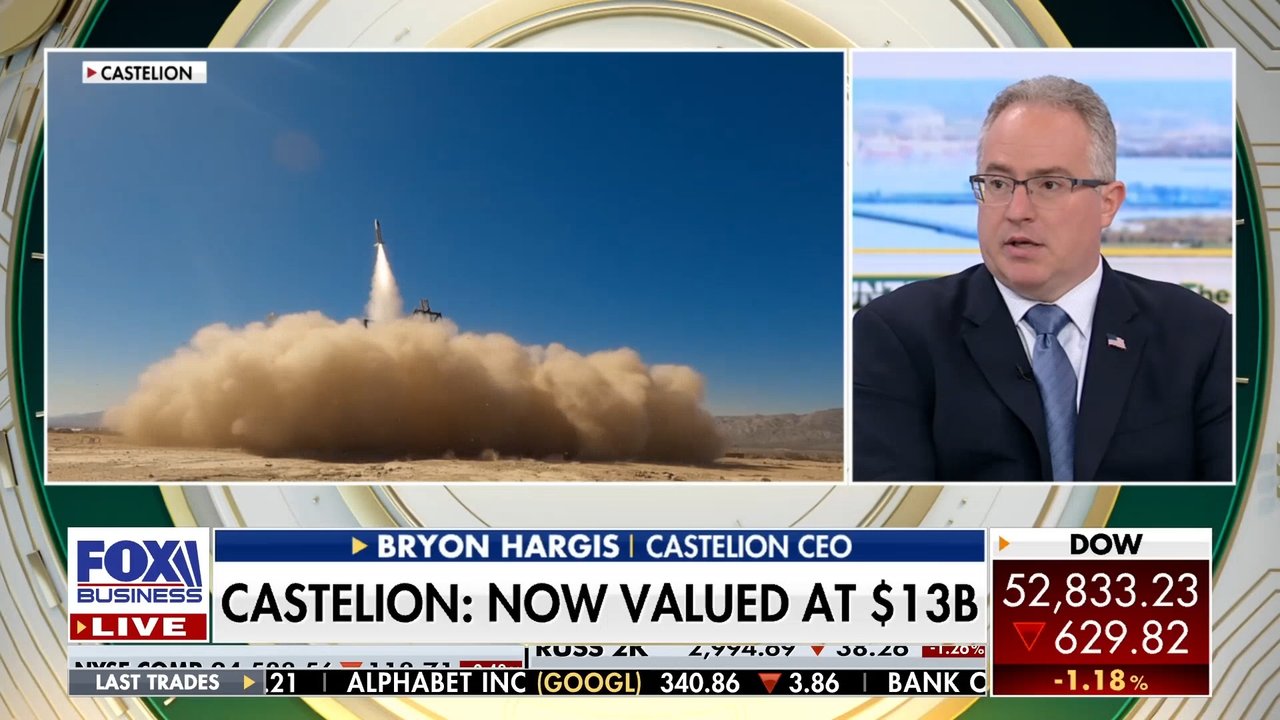
Castelion's $1 billion Series C funding round (announced August 19, 2024) represents a critical inflection point in U.S. defense manufacturing capacity expansion, with direct implications for cross-border B2B sellers and industrial supply chain operators. The funding values the company at $13 billion and comprises $800 million in equity co-led by JPMorgan Chase's Strategic Investment Group, Andreessen Horowitz, and Carlyle, plus a $250 million revolving credit facility. This capital deployment directly addresses Pentagon priorities to increase weapons production capacity and introduce new suppliers into a market traditionally dominated by established defense contractors—a strategic shift that creates procurement opportunities for mid-market suppliers.
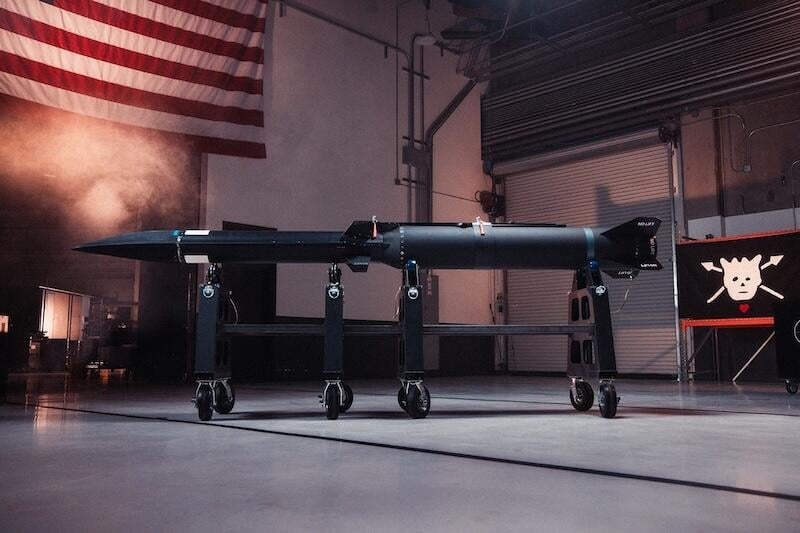
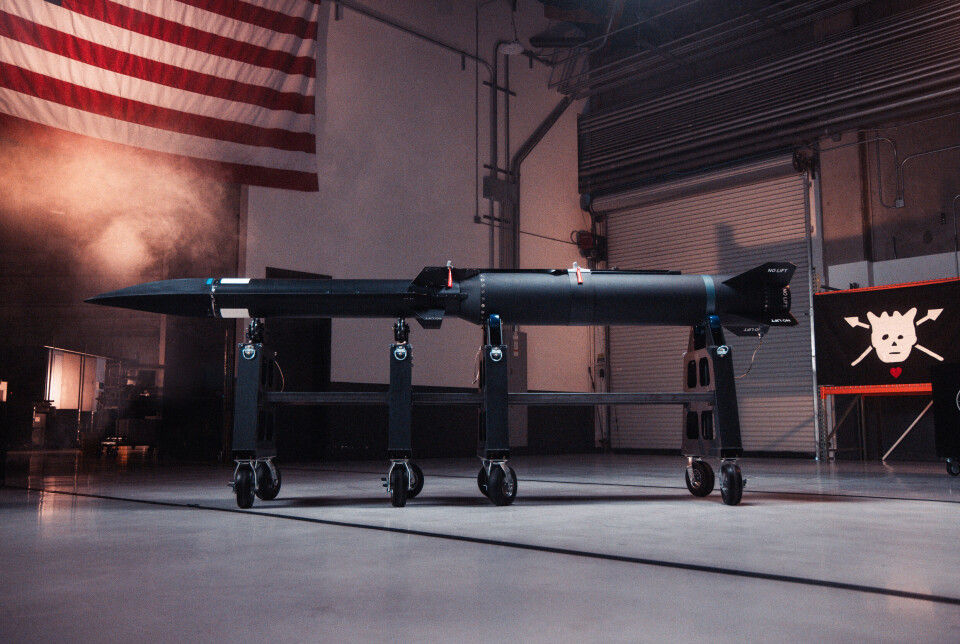
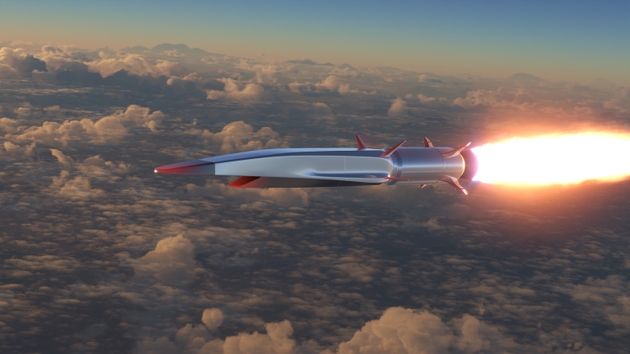
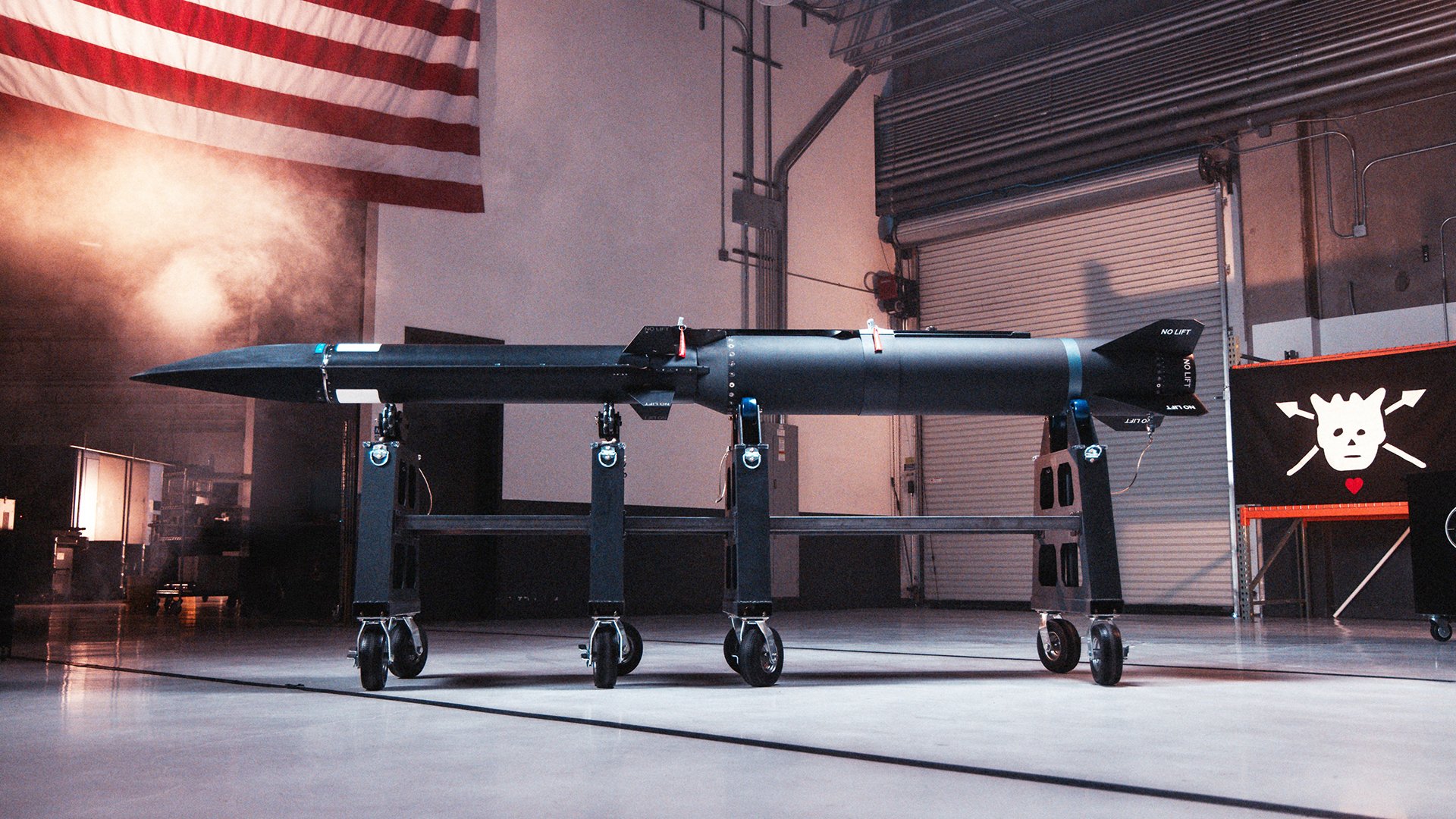
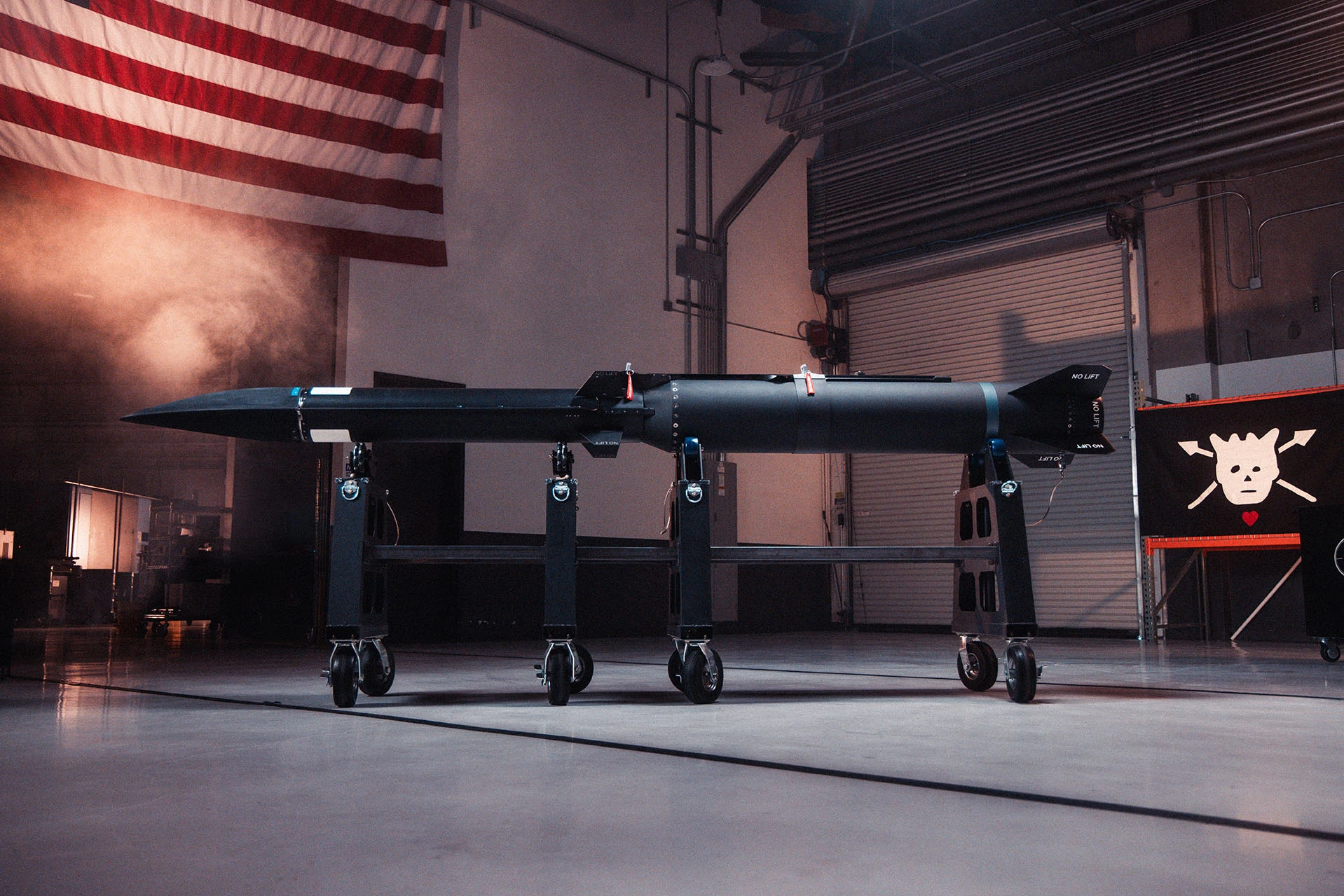
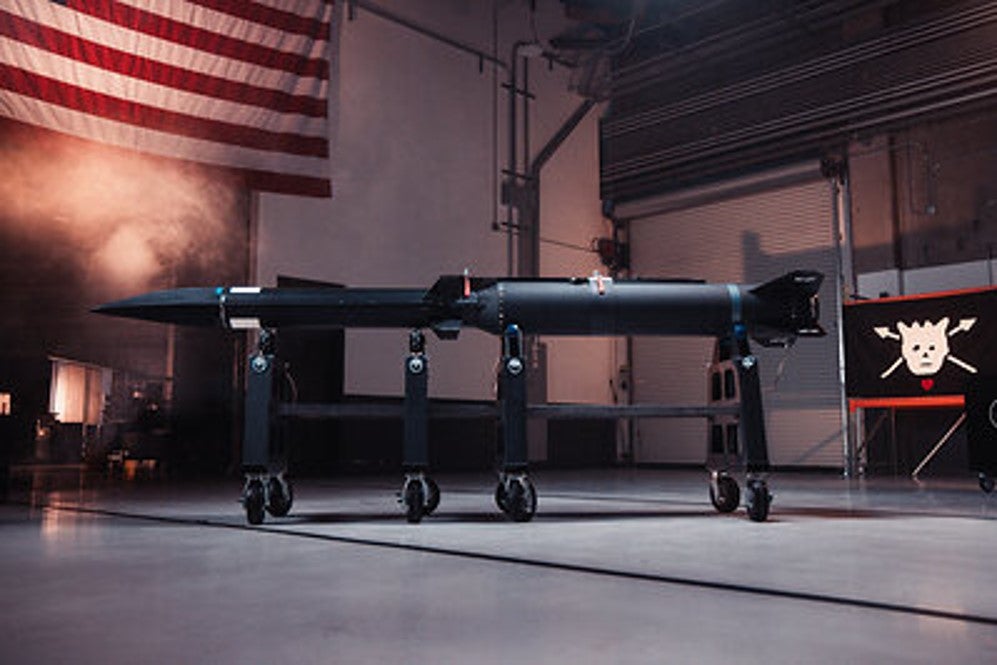
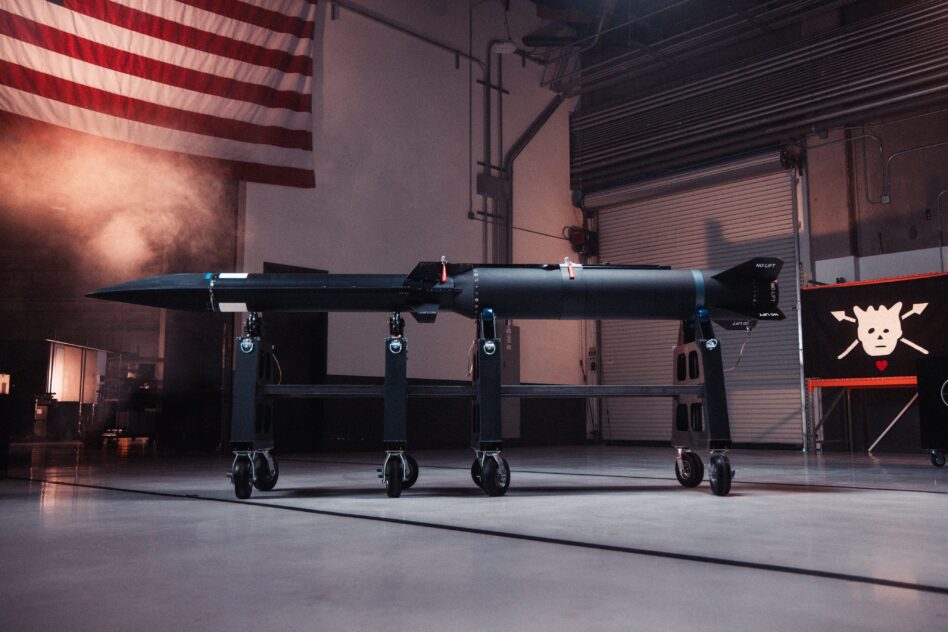
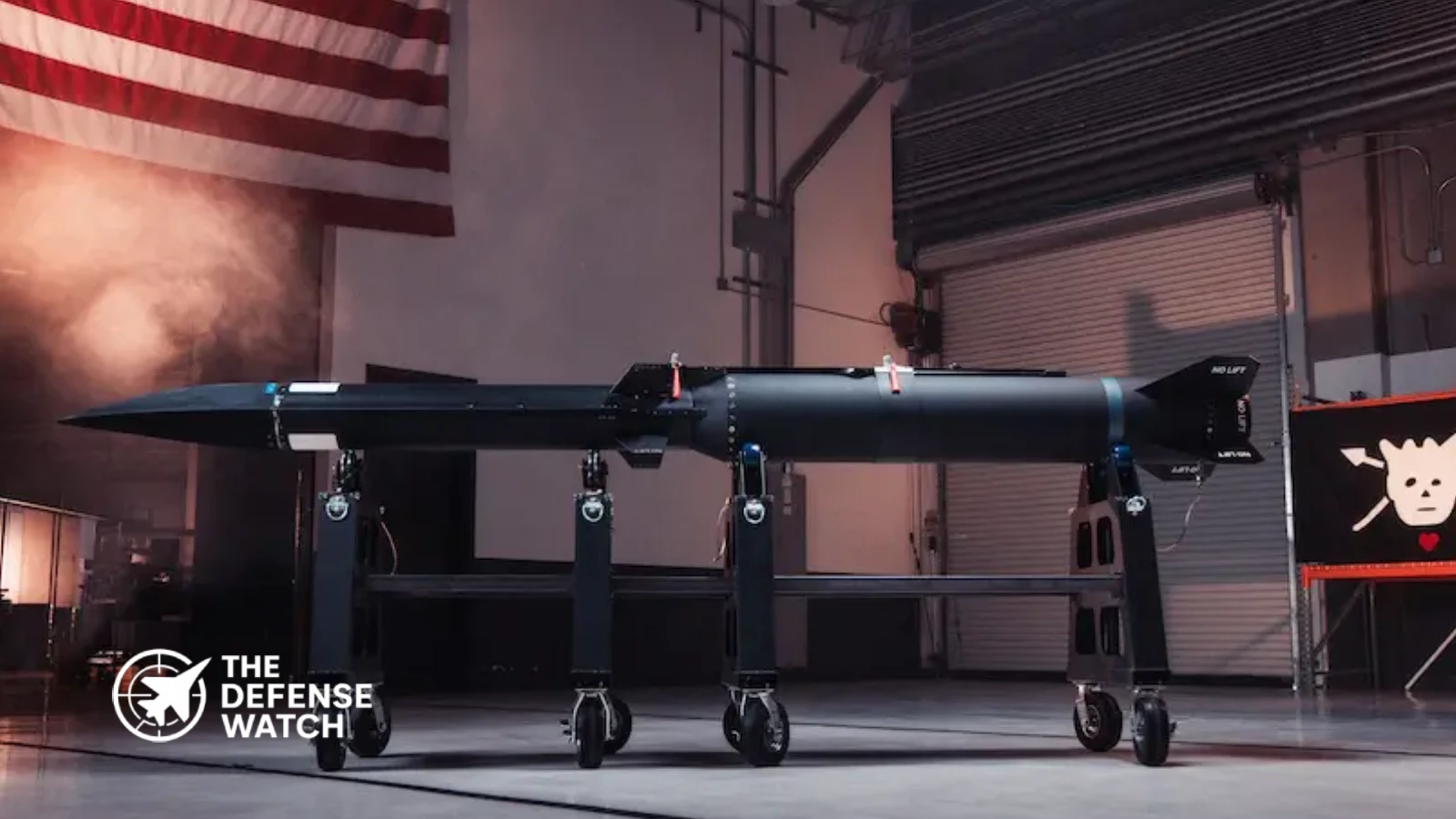
Manufacturing Expansion Creates Component Procurement Demand: Castelion's New Mexico facility expansion for Blackbeard hypersonic missile production (targeting 500+ units annually by 2027) requires significant supply chain buildout. The company's SpaceX-derived methodology emphasizes vertical integration and high-rate manufacturing design, meaning suppliers of precision components, electronics, materials, and manufacturing equipment face increased demand. The Pentagon's framework agreement contemplating minimum 500 missiles annually represents sustained procurement volume—a multi-year revenue opportunity for suppliers of specialized components, testing equipment, and manufacturing systems. Industrial sellers on platforms like Alibaba, Global Sources, and specialized B2B marketplaces can position offerings around precision manufacturing, quality assurance systems, and supply chain logistics.
Tariff and Trade Policy Implications: The U.S. Navy's $178.4 million in contracts since February (including $105 million for FA-18EF Super Hornet integration) signals accelerated defense spending and potential tariff exemptions for critical defense components. Sellers sourcing from Vietnam, India, or Mexico for defense-adjacent manufacturing may benefit from preferential tariff treatment under USMCA or emerging defense supply chain agreements. The $384,000 per-unit cost target for Blackbeard (versus millions for legacy systems) creates pressure to optimize supply costs—opening opportunities for sellers offering cost-competitive alternatives to traditional defense suppliers. Sellers should monitor HS codes related to precision electronics (8534-8542), mechanical components (8483-8487), and testing equipment (9030-9032) for potential tariff reductions targeting defense manufacturing.
Competitive Advantage for Agile Suppliers: Castelion's success in securing $500+ million in military contracts within 18 months demonstrates Pentagon appetite for non-traditional suppliers. This contrasts with traditional defense contractors' slower procurement cycles. Mid-market sellers and 3PL providers can capitalize by positioning as flexible, rapid-response suppliers to emerging defense tech companies. The company's emphasis on "frequent hardware testing and high-rate manufacturing design" creates demand for testing services, quality assurance systems, and rapid prototyping capabilities—categories where agile sellers can compete against entrenched suppliers.
Questions 8
How does Castelion's $1 billion funding impact B2B suppliers and component manufacturers?
Castelion's $1 billion Series C funding directly increases procurement demand for precision components, electronics, and manufacturing equipment needed to scale Blackbeard missile production from prototype to 500+ units annually by 2027. The Pentagon's framework agreement guarantees sustained volume, creating multi-year revenue opportunities for suppliers of specialized components (HS codes 8534-8542 for electronics, 8483-8487 for mechanical parts). Industrial sellers on Alibaba, Global Sources, and specialized B2B platforms can position offerings around precision manufacturing, quality assurance systems, and rapid prototyping capabilities. The company's emphasis on cost optimization ($384,000 per unit versus millions for legacy systems) creates competitive opportunities for cost-effective suppliers versus traditional defense contractors.
What is the timeline for procurement opportunities from Castelion's expansion?
Castelion targets operational fielding of Blackbeard missiles in 2027, with the Pentagon framework agreement contemplating a two-year production contract starting after successful validation (expected 2025-2026). This means suppliers should begin positioning and certifying now (2024-2025) to be ready for production ramp-up in 2026-2027. The company has already secured $178.4 million in contracts since February 2024, indicating procurement is accelerating. Sellers should expect increased RFQs and procurement inquiries in Q4 2024 through Q2 2025 as Castelion finalizes supply chain partnerships.