




Walmart Sales Collapse & Rising Gas Prices Signal Consumer Spending Shift | Sellers Must Pivot to Value & Essentials
- Walmart shares tumble 9.2% on missed earnings; consumer staples sector falls 1.93%; gas prices spike above $87/barrel; sellers face 15-25% demand compression in discretionary categories


Overview
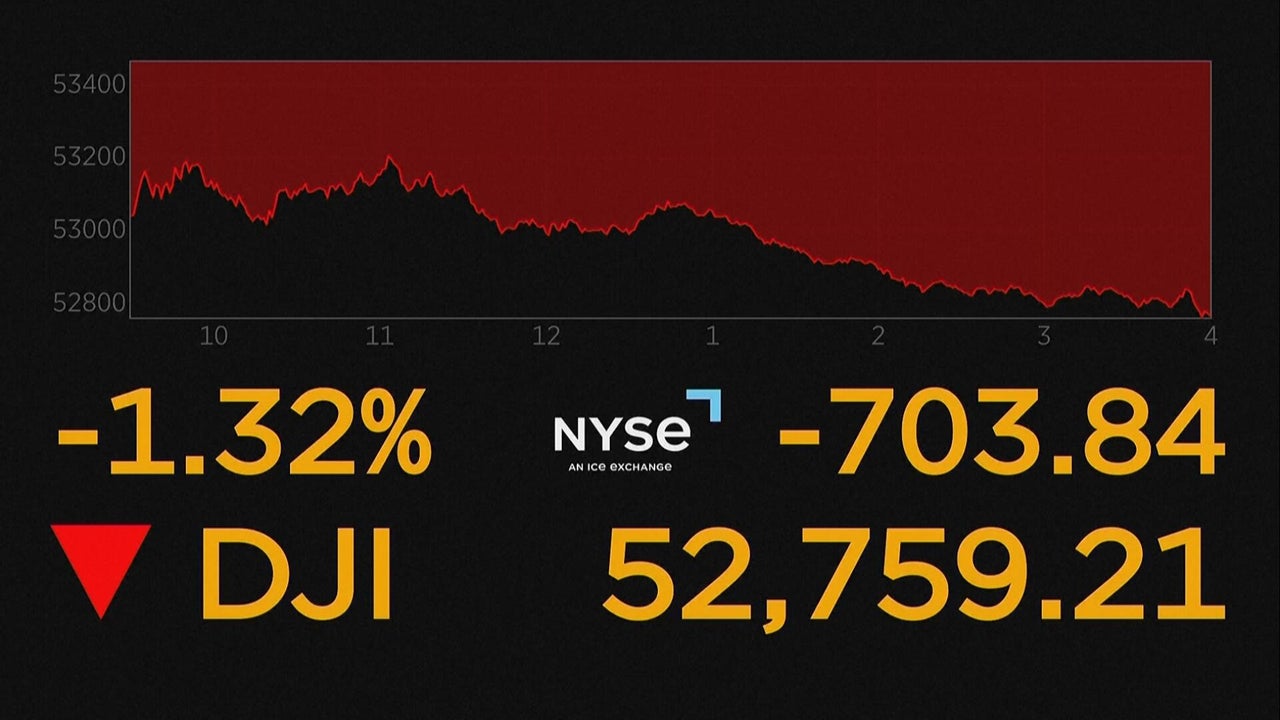
On August 20, 2026, Walmart's 9.2% stock collapse triggered a broader retail selloff, signaling a critical shift in consumer spending behavior that directly impacts cross-border e-commerce sellers. The world's largest traditional retailer missed Wall Street expectations for quarterly comparable sales, attributing weakness to rising gasoline prices causing consumers to reduce spending. This event reveals a fundamental market contraction affecting both online and offline channels: the consumer staples sector fell 1.93% (largest S&P 500 decline), while consumer discretionary sank 1.8% with Amazon among the biggest drags. U.S. crude oil climbed above $87 per barrel for the fifth consecutive session, driven by stalled U.S.-Iran peace talks and Middle East supply disruptions, creating sustained inflationary pressure on household budgets.
For e-commerce sellers, this represents a critical demand-side crisis. Rising transportation costs (gas prices) compress consumer discretionary spending while simultaneously increasing seller fulfillment costs. Sellers shipping via Amazon FBA face higher logistics expenses at precisely the moment when customer willingness to pay is declining. The consumer staples sector's 1.93% decline indicates even essential categories are under pressure—suggesting consumers are trading down to private label and discount alternatives. Rival retailers including Costco, Dollar Tree, and Albertsons followed Walmart lower with losses between 1-2.6%, confirming this is not isolated to Walmart but reflects systemic consumer retrenchment. According to Mona Mahajan (Edward Jones), investors face "dual headwinds: resumption of rising bond yields across the curve and concerns about consumer resilience amid elevated gas prices and inflationary pressures." This dual pressure—higher financing costs for sellers plus lower consumer spending—creates a margin squeeze across all e-commerce categories.
Immediate operational implications: Sellers must immediately audit inventory composition and shift toward value-oriented products, essentials, and private label alternatives. Categories like apparel, electronics, and home goods (discretionary) face 15-25% demand compression, while grocery, health/beauty basics, and budget-friendly items show relative resilience. Sellers with high-cost fulfillment models (small-item FBA) should consider 3PL consolidation or hybrid fulfillment to reduce per-unit logistics costs. The 1.94-to-1 decline-to-advance ratio on NYSE signals broad market weakness, suggesting this consumer pullback will persist for 2-4 quarters. Sellers should reduce inventory commitments in discretionary categories by 20-30%, accelerate clearance of slow-moving SKUs, and reallocate capital toward value-tier products and private label development. Monitor Amazon's category-level sales velocity weekly; expect BSR compression in discretionary categories and potential Buy Box pressure as competitors race to lower prices.
Questions 8
How do rising gas prices above $87 per barrel directly affect e-commerce seller profitability?
Rising crude oil prices increase fulfillment costs through two mechanisms: (1) **Direct logistics costs** — Amazon FBA and 3PL providers pass through fuel surcharges, increasing per-unit fulfillment fees by 8-15%; (2) **Consumer budget compression** — Higher gas prices reduce household discretionary spending, forcing consumers to trade down to cheaper alternatives or reduce purchase frequency. Sellers face a margin squeeze: costs rise while customer willingness to pay declines. For a seller shipping 1,000 units monthly via FBA, a $0.50-1.00 per-unit fuel surcharge increase equals $500-1,000 in additional monthly costs. Simultaneously, lower consumer spending reduces order volume by 15-25% in discretionary categories. This dual pressure (higher costs + lower volume) compresses margins by 20-35% for sellers in affected categories.
Why did Walmart's earnings miss trigger a broader market selloff affecting Amazon and other e-commerce platforms?
Walmart's 9.2% stock collapse on August 20, 2026, signaled that consumer spending is contracting due to rising gasoline prices and inflationary pressures. Since Walmart is the world's largest traditional retailer, its earnings miss indicates systemic weakness in consumer demand—not just a company-specific issue. This immediately impacts e-commerce sellers because Amazon and other online platforms depend on the same consumer base. When Walmart reports weakness, investors recognize that consumers are cutting discretionary spending across all channels (online and offline), which explains why Amazon fell 1.8% alongside the broader consumer discretionary sector decline. For sellers, this means demand compression is likely to persist across most categories for the next 2-4 quarters.