




US Consumer Spending Collapse Signals Urgent Demand Shift for Cross-Border Sellers
- Walmart's 9.2% stock plunge on Aug 20, 2026 reveals $87/barrel oil crisis crushing consumer discretionary demand; Amazon shares drag down Nasdaq as sellers face 1.8% sector contraction




Overview
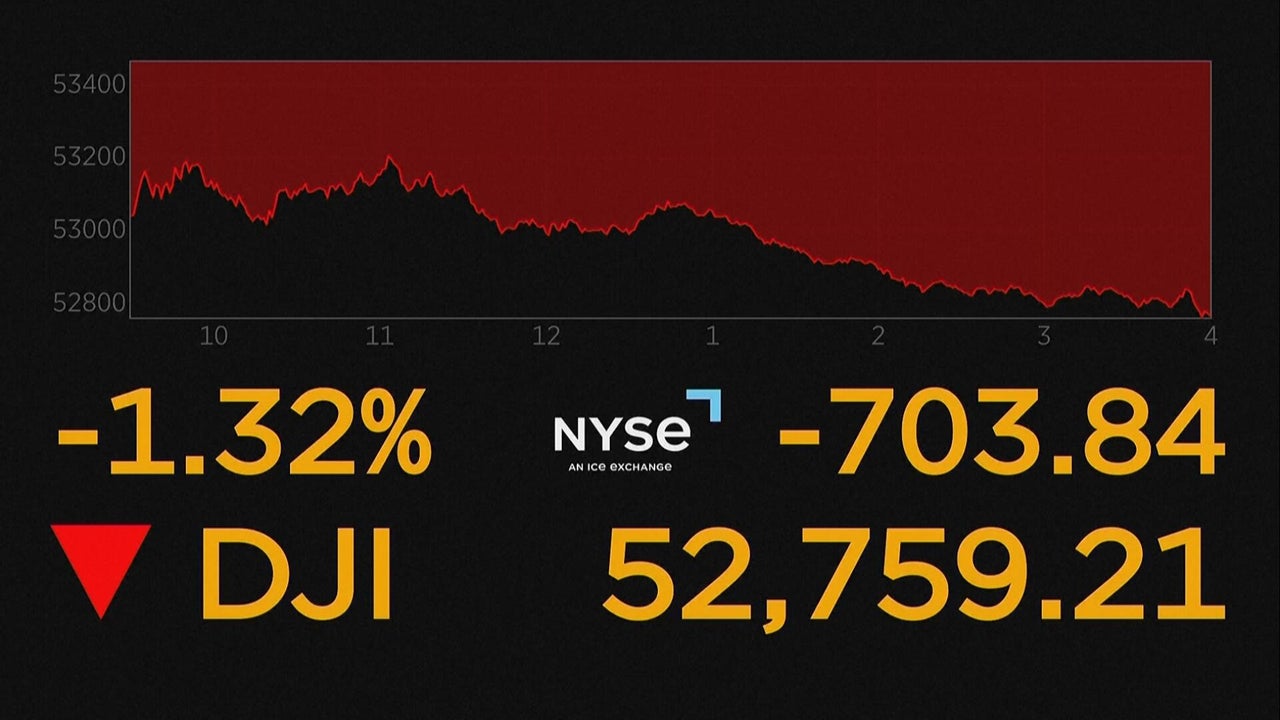
On August 20, 2026, U.S. equity markets collapsed as rising Treasury bond yields and disappointing retail earnings triggered a broad selloff with immediate implications for cross-border e-commerce sellers. Walmart, the world's largest traditional retailer, triggered the market decline after missing quarterly comparable sales expectations, with shares tumbling 9.2%—the steepest decline among major retailers. The retailer explicitly attributed weakness to rising gasoline prices causing consumers to reduce spending, signaling a critical demand contraction across consumer-facing categories. Rival retailers including Costco, Dollar Tree, and Albertsons followed lower with losses between 1-2.6%, confirming the sector-wide impact. The consumer discretionary sector sank 1.8% with Amazon among the biggest drags, indicating that e-commerce platforms are experiencing demand compression alongside traditional retail.
For cross-border sellers, this represents a dual crisis: First, consumer staples sector fell 1.93%—the largest percentage decline among S&P 500 sectors—meaning even essential product categories are experiencing buyer resistance. Second, U.S. crude oil climbed above $87 per barrel for the fifth consecutive session, driven by stalled U.S.-Iran peace talks and Middle East supply disruptions. This directly impacts seller profitability through increased shipping costs, fulfillment expenses, and logistics overhead. According to Mona Mahajan (Edward Jones), investors face "dual headwinds: resumption of rising bond yields across the curve and concerns about consumer resilience amid elevated gas prices and inflationary pressures." For sellers, this translates to: (1) reduced consumer purchasing power across discretionary categories (electronics, apparel, home goods), (2) margin compression from elevated energy-driven logistics costs, and (3) inventory risk as demand shifts toward budget-conscious alternatives.
Immediate seller impact by category: Electronics and consumer discretionary sellers face the steepest headwinds, as Amazon's sector drag indicates platform-wide demand weakness. Sellers shipping via air freight or expedited services will see cost increases of 8-15% due to fuel surcharges. Budget and value-oriented categories (Dollar Tree's resilience at -1% vs. Walmart's -9.2%) suggest consumer migration toward lower-priced alternatives, creating opportunities for sellers in discount/value segments. The 1.94-to-1 declining-to-advancing ratio on NYSE indicates broad market pessimism, suggesting this is not a temporary dip but a structural demand shift. Sellers with high inventory exposure in premium/discretionary categories should prepare for extended sell-through timelines and potential markdowns of 15-25% to clear stock before Q4 holiday season.
Questions 8
Why did Walmart's stock plunge 9.2% on August 20, 2026 and what does this mean for sellers?
Walmart missed quarterly comparable sales expectations and explicitly attributed weakness to rising gasoline prices causing consumers to reduce spending. This signals a structural demand contraction, not temporary weakness. For sellers, this means consumer purchasing power is declining across discretionary categories (electronics, apparel, home goods). Sellers should expect 15-25% longer sell-through timelines and prepare inventory for potential markdowns. The broader market decline (S&P 500 down 0.87%, Nasdaq down 1.0%) confirms this is sector-wide, affecting Amazon and all major e-commerce platforms simultaneously.
How should sellers adjust pricing strategy during this demand contraction?
Walmart's 9.2% stock decline signals consumers are highly price-sensitive and willing to switch retailers for savings. Sellers should implement tiered pricing: (1) maintain margins on essential/staple items where demand is inelastic, (2) reduce prices 10-15% on discretionary items to maintain volume, (3) bundle slow-moving inventory with popular items to accelerate turnover. The fact that Dollar Tree (value-focused) outperformed Walmart (premium positioning) indicates consumers are trading down. Sellers should also increase promotional frequency and consider Amazon's Subscribe & Save program to lock in recurring revenue during this uncertain period. Monitor competitor pricing weekly, as margin compression will be widespread.