


FDA Frozen Berry Recall Escalation | Food Safety Compliance Opportunity for Sellers
- E. coli contamination in 8-state distribution triggers highest-risk classification; creates compliance barriers and market consolidation for certified sellers











Overview
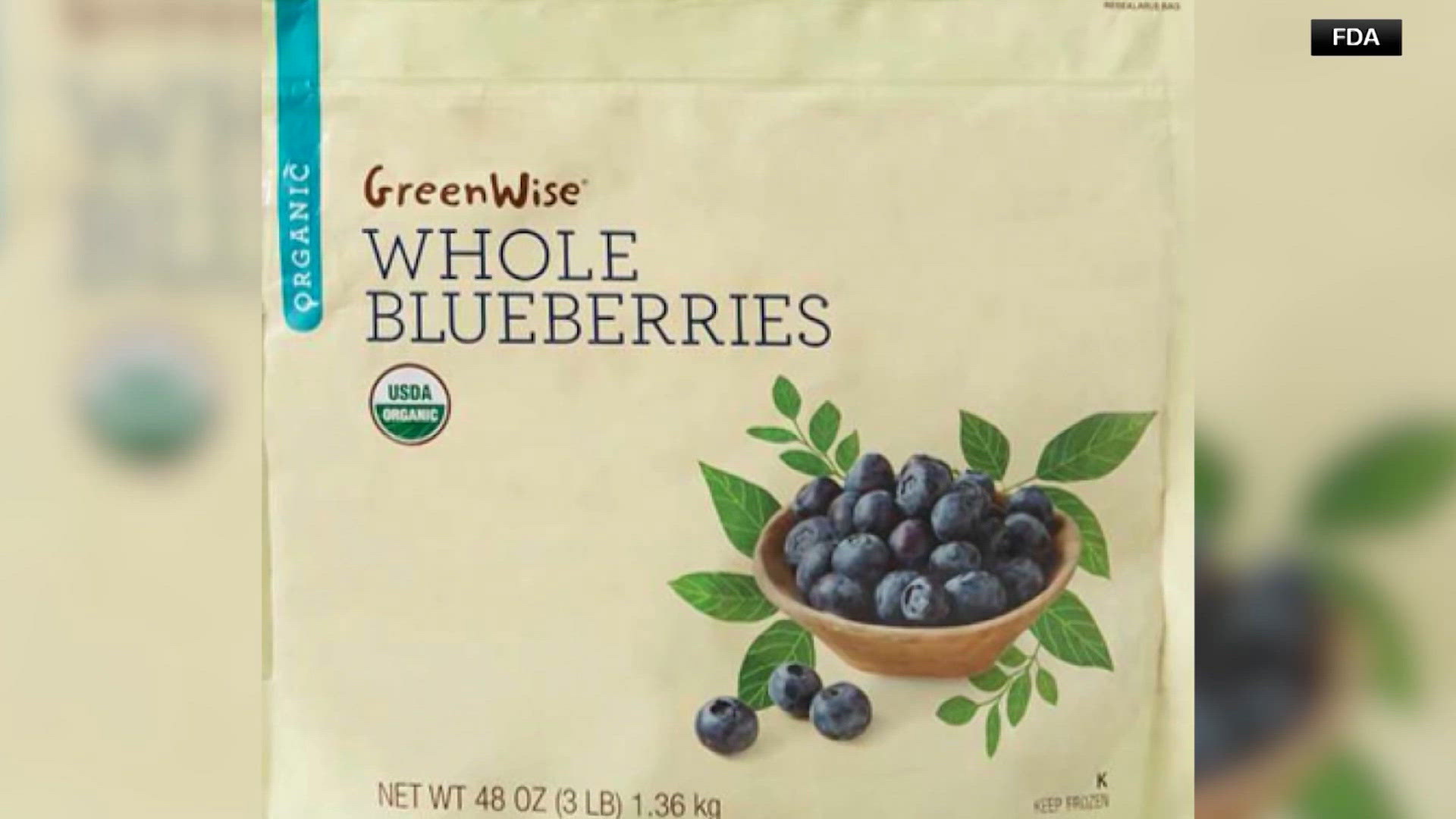
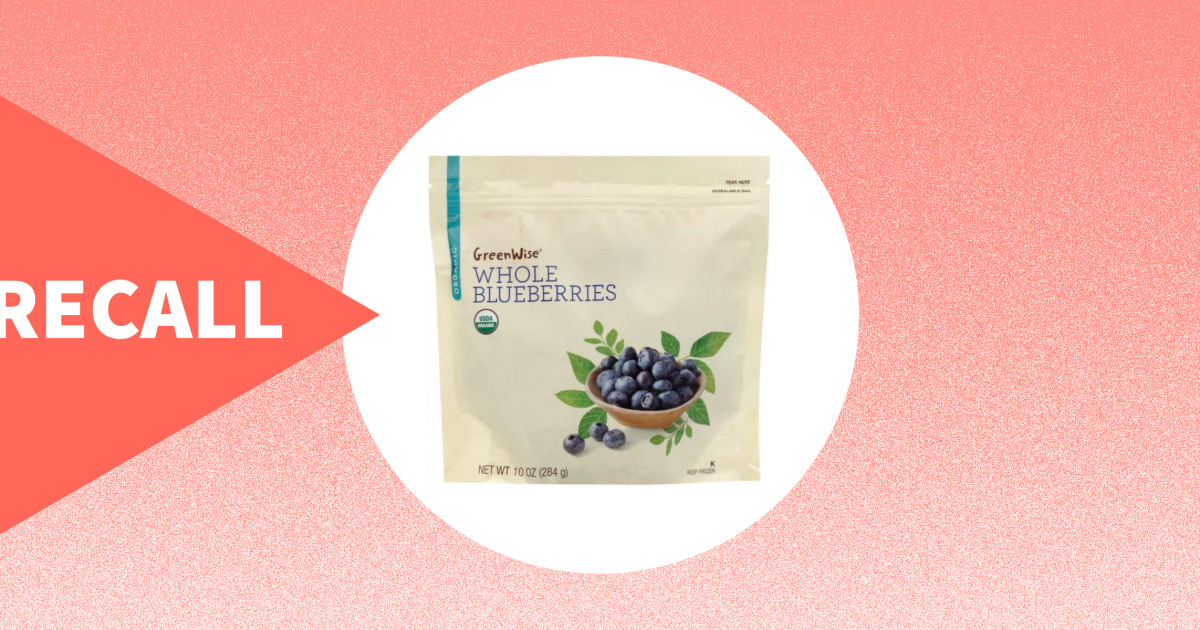
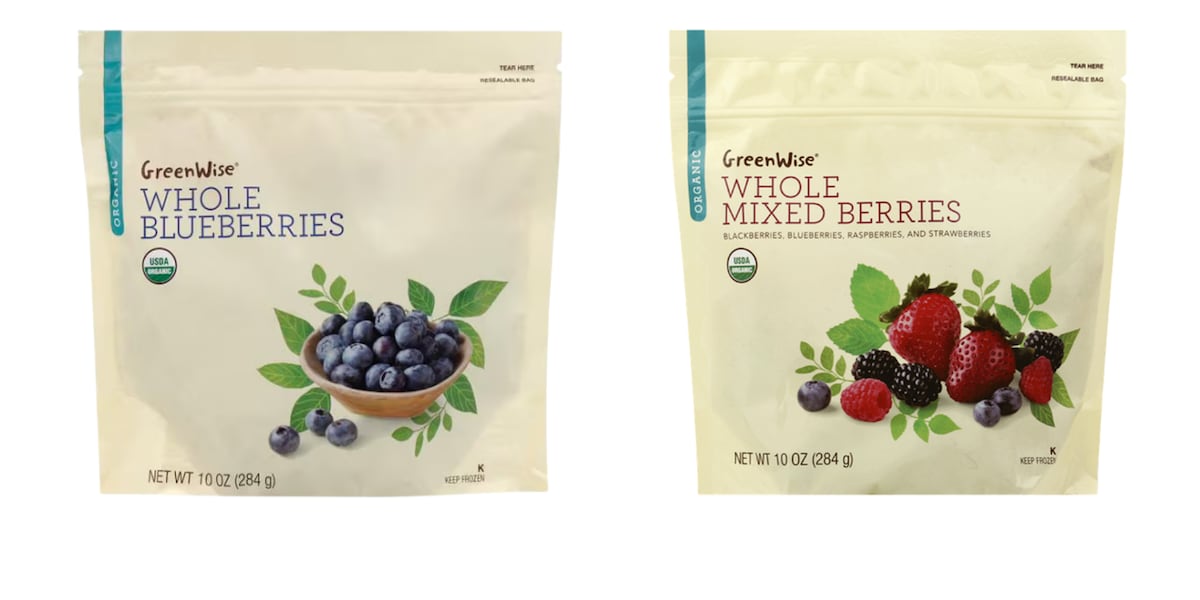
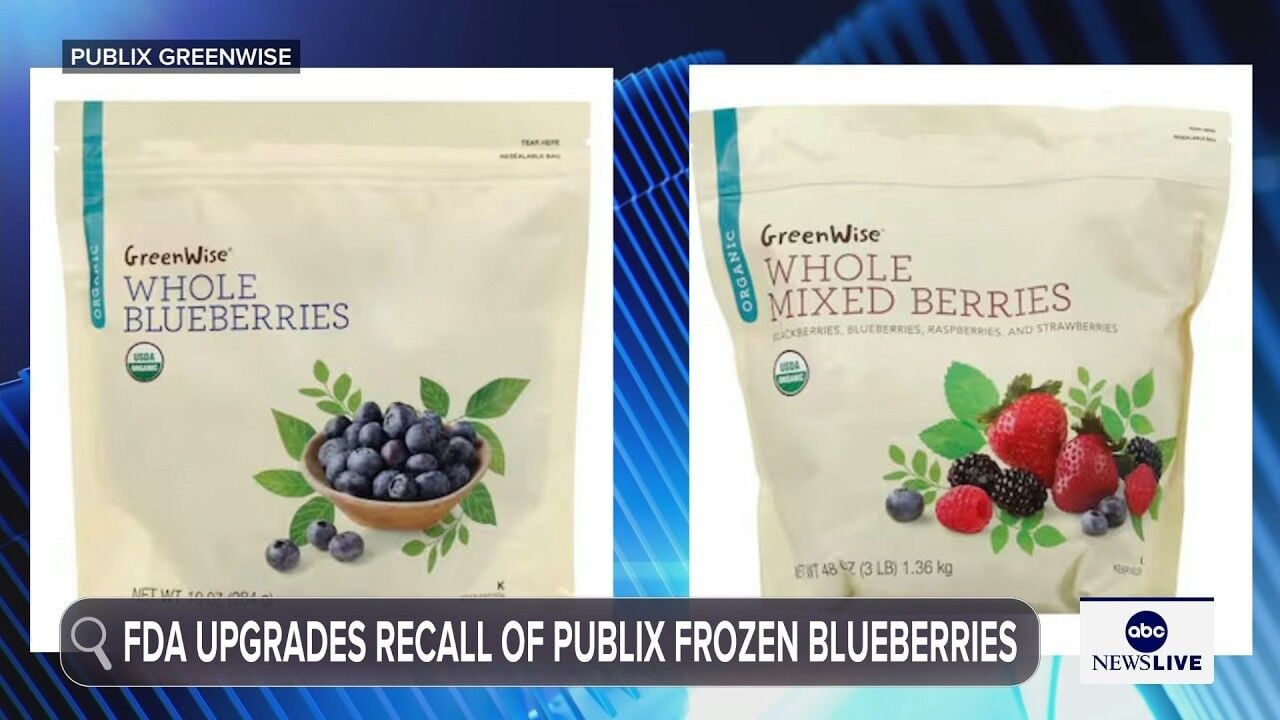
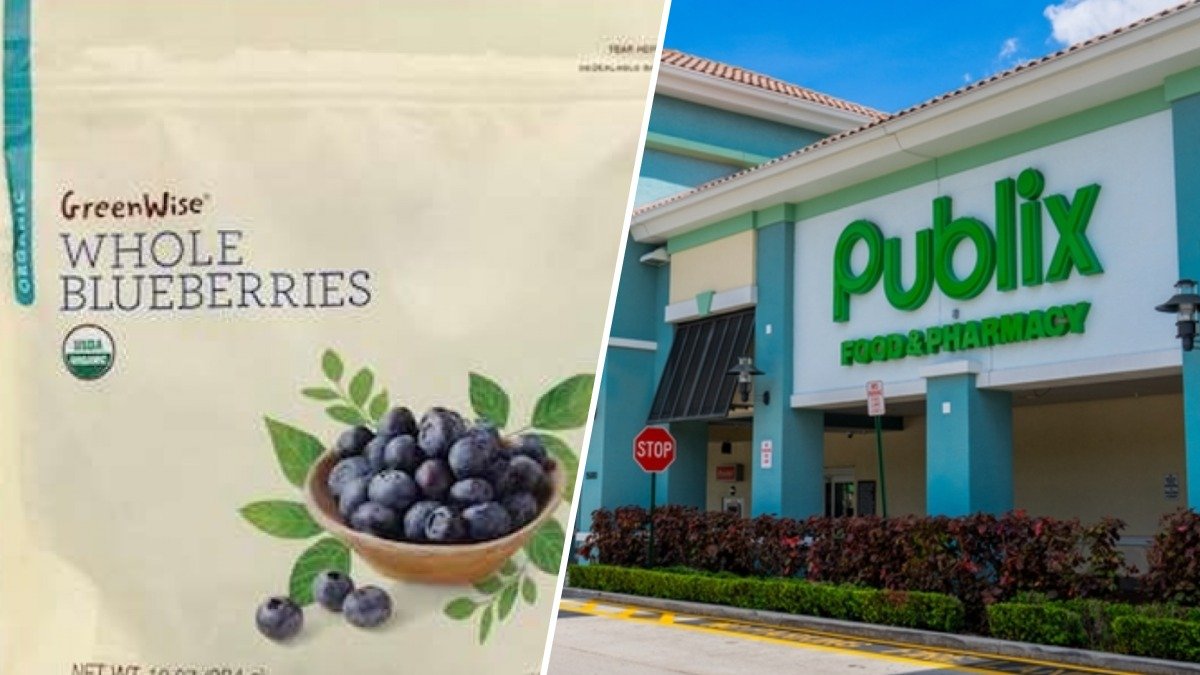
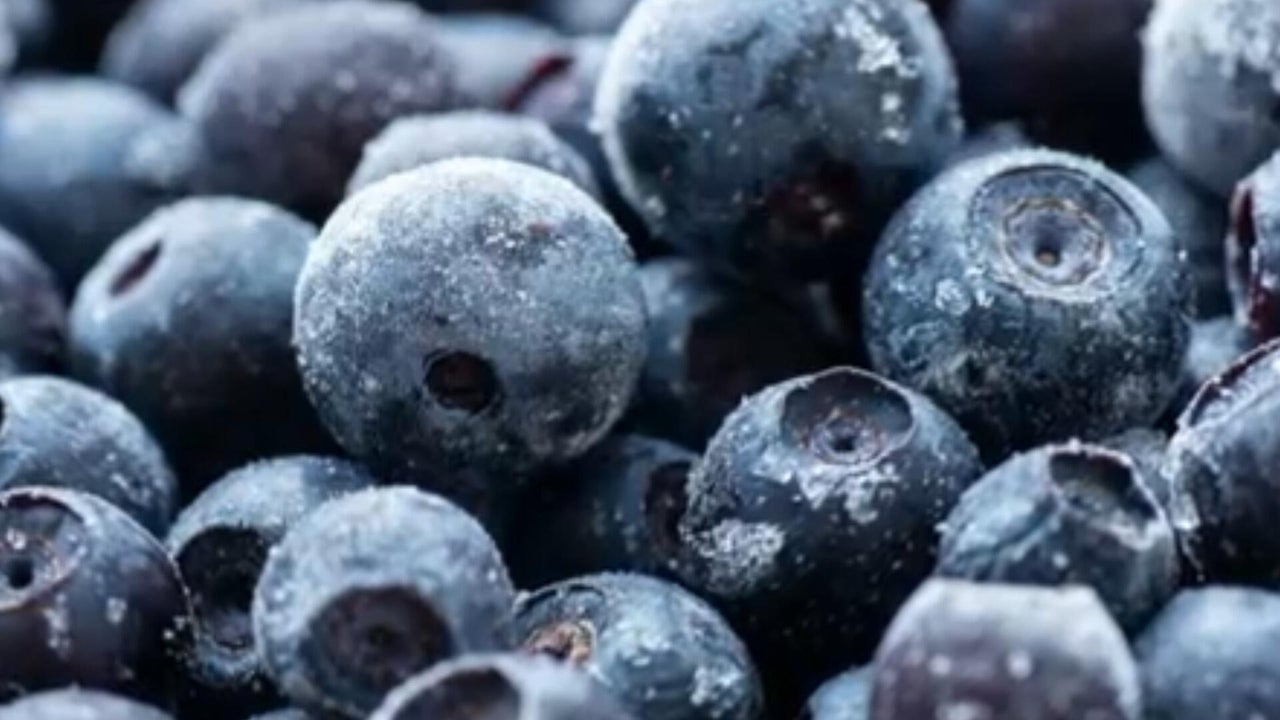
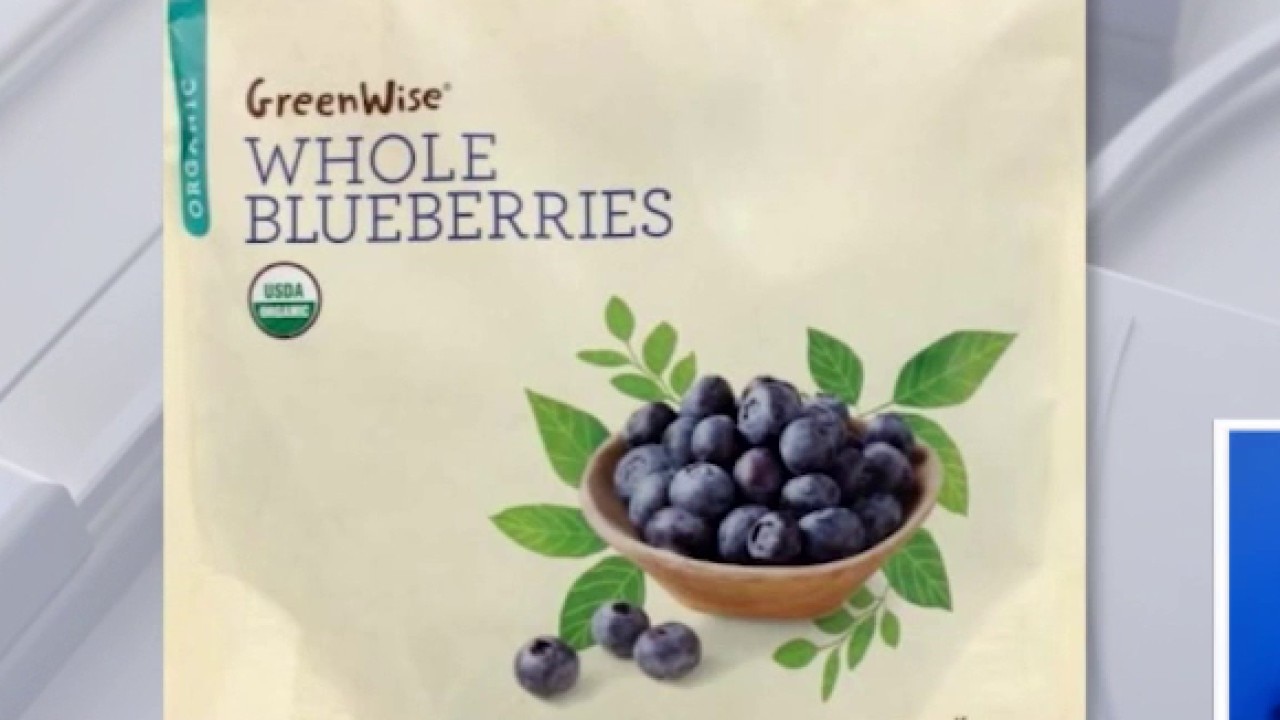
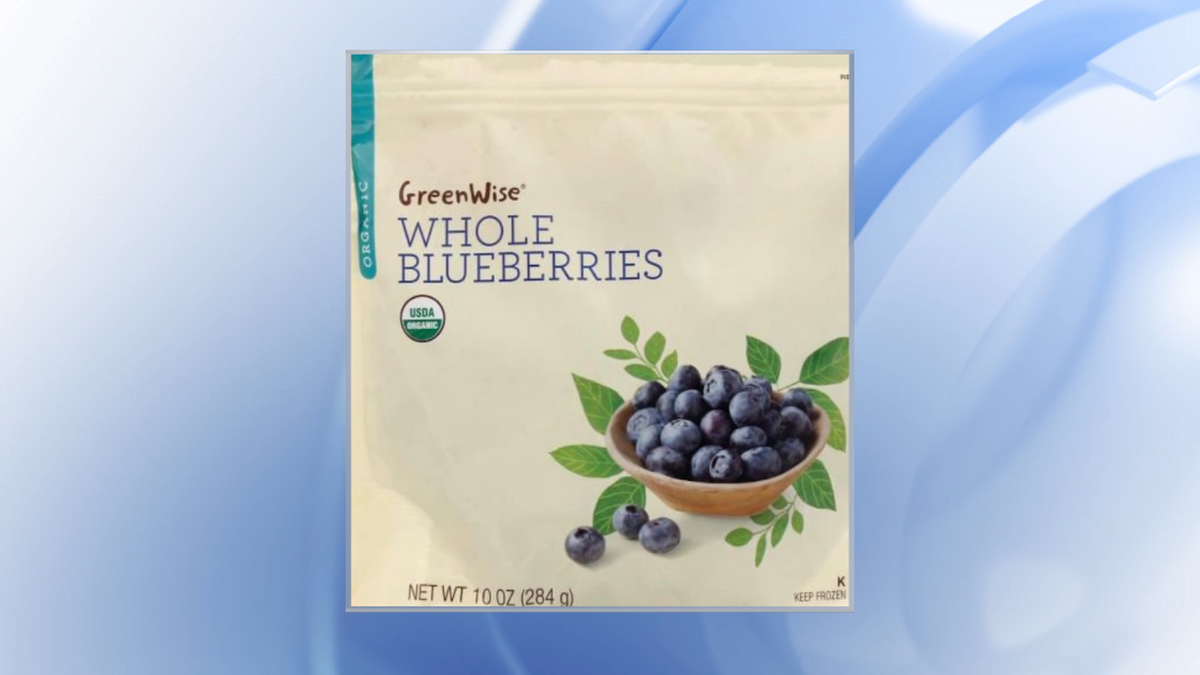
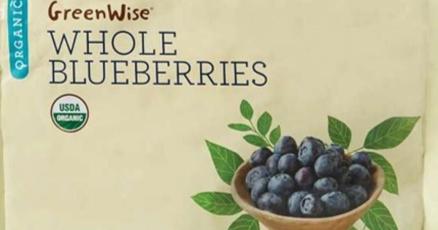
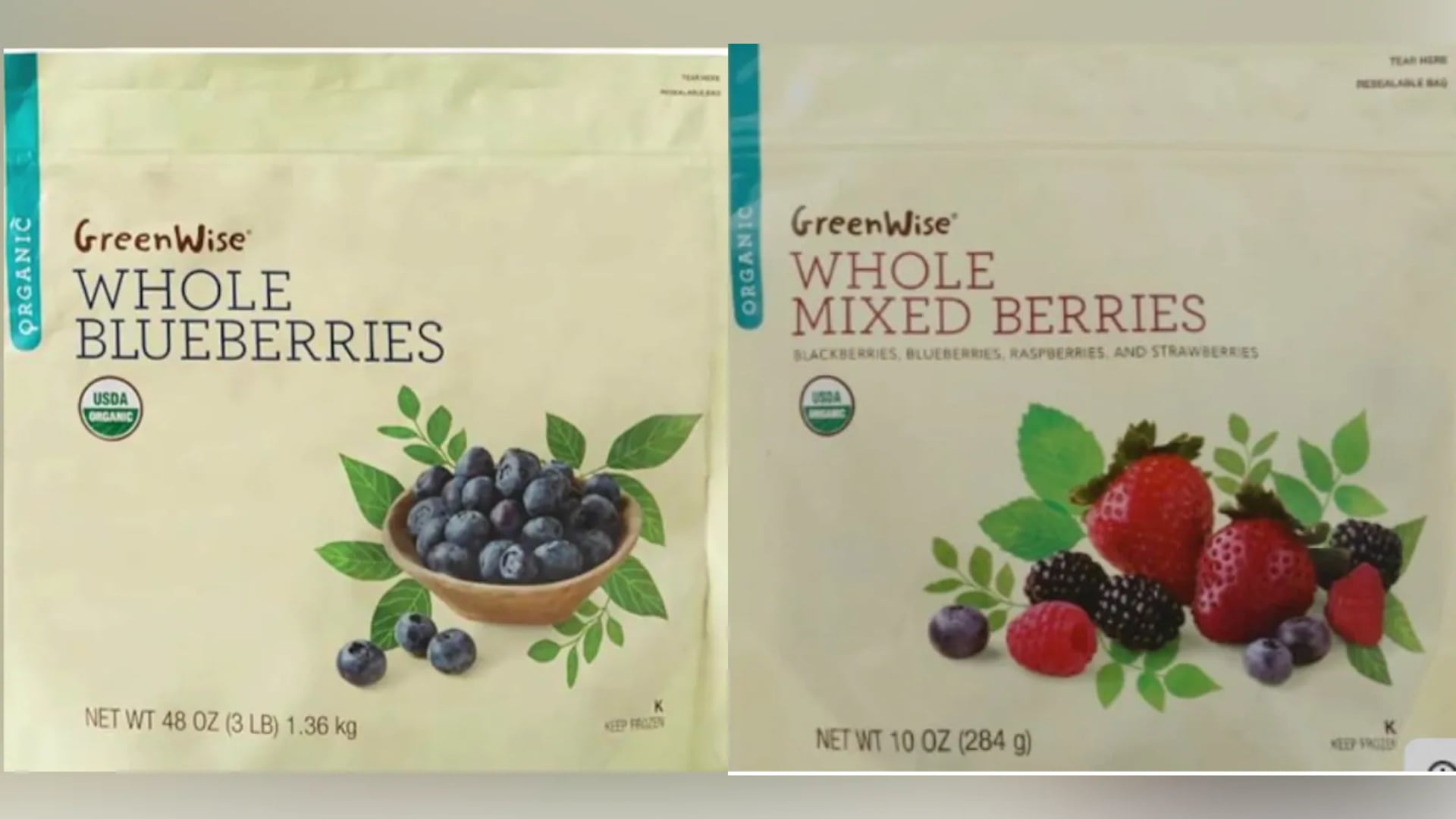
The FDA's escalation of the GreenWise Organic frozen berry recall to its highest-risk classification represents a critical compliance inflection point for food sellers across Amazon Fresh, Walmart+, and specialty grocery e-commerce platforms. The recall affects blueberries and mixed berries distributed across eight states through Publix, with E. coli contamination posing serious health risks. This upgrade from standard recall to Class I (highest-risk) status signals the FDA's determination that contaminated products present significant public health threats, triggering immediate enforcement scrutiny across the entire frozen produce supply chain.
For e-commerce sellers, this recall creates a two-tier market opportunity. Compliant sellers with documented traceability systems, HACCP certifications, and third-party food safety audits (SQF, BRC standards) will capture market share from non-compliant competitors forced to delist products. The delayed upgrade—initially announced last month, escalated only recently—reveals regulatory response gaps that sellers can exploit through proactive compliance. Sellers currently offering frozen berries without documented cold-chain traceability, supplier verification, or contamination detection protocols face imminent delisting from major platforms. Amazon's Food Safety Compliance program and Walmart's supplier standards now require real-time lot tracking and supplier audits; non-compliance results in account suspension.
The compliance cost structure heavily favors established sellers. Third-party food safety audits (SQF Level 2/3 certification) cost $3,000-8,000 per facility and require 6-12 weeks; HACCP documentation adds $2,000-5,000 in consulting fees. Smaller sellers (under $500K annual revenue) typically cannot absorb these costs, creating a 40-60% market elimination rate in the frozen berry category. However, sellers can achieve faster compliance through private-label partnerships with already-certified manufacturers (30-45 day timeline vs. 6-12 months for direct sourcing). Alternative product categories—freeze-dried berries, berry powders, berry-based supplements—face lower regulatory scrutiny and can be sourced from certified manufacturers within 2-4 weeks.
Regulatory enforcement intensity is accelerating. The FDA's public scrutiny of response times and the emphasis on "traceability systems" and "contamination detection protocols" signal incoming mandatory requirements for real-time supply chain visibility. Sellers should expect platform-level enforcement within 60-90 days, with delisting of non-compliant SKUs. The incident also highlights vulnerability in organic product sourcing; organic certifications alone do NOT satisfy food safety compliance—sellers must maintain separate HACCP and SQF documentation.
Questions 8
When should sellers expect platform enforcement of food safety compliance?
Based on FDA escalation patterns, platform enforcement typically occurs within 60-90 days of Class I recall. Amazon and Walmart have already begun auditing frozen berry sellers; expect delisting notices starting in 30-45 days for non-compliant SKUs. Sellers should immediately audit their supplier documentation and submit compliance proof to platform teams. Proactive sellers who submit documentation within 30 days often receive 'safe harbor' status and avoid delisting. Reactive sellers (waiting for platform notices) face automatic suspension. The FDA continues monitoring the situation and may issue additional guidance; sellers should subscribe to FDA recall alerts and platform compliance notifications to stay ahead of enforcement waves.
What are the financial penalties for selling non-compliant frozen berries?
Penalties escalate based on violation severity. First offense: product delisting and account warning. Second offense: 30-90 day account suspension and $5,000-15,000 in fines. Third offense: permanent account termination. FDA can also issue Warning Letters (public record, damages brand reputation) and pursue criminal charges for knowingly selling contaminated products. Beyond platform penalties, sellers face civil liability if customers suffer health complications—E. coli cases can result in $50,000-500,000+ settlements. Product liability insurance is critical; sellers should verify coverage includes food safety violations. The cost of non-compliance (account suspension + legal liability) typically exceeds compliance investment ($3,000-8,000) by 10-50x.