





Alibaba AI & Cloud Surge Unlocks Seller Tools | Platform Efficiency Gains 2025
- AI-powered recommendation systems boost product visibility; cloud infrastructure improvements reduce transaction latency for cross-border sellers on Alibaba marketplaces




Overview
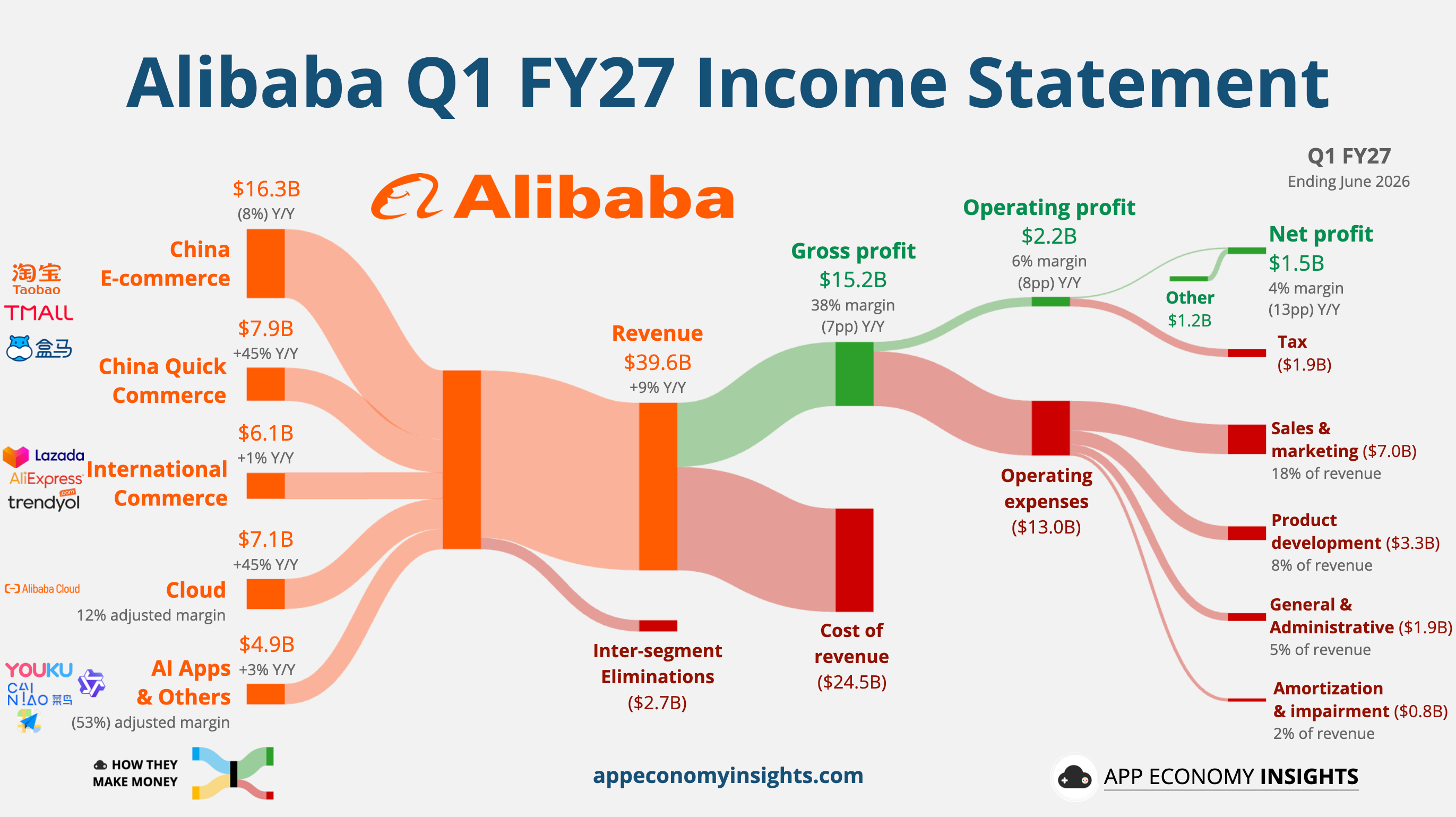
Alibaba's strategic AI investments have delivered substantial profitability gains and accelerating cloud revenue growth, signaling a critical inflection point for cross-border e-commerce sellers relying on the platform's infrastructure. The company's AI implementation spans search algorithms, recommendation systems, and logistics optimization—directly impacting seller visibility, conversion rates, and operational costs. Cloud revenue demonstrated robust growth with increased enterprise adoption, positioning Alibaba's cloud division as a competitive alternative to AWS for sellers managing inventory, fulfillment, and data analytics. The financial strength generated by these AI investments indicates Alibaba has capacity to develop new seller tools and features, potentially reshaping how sellers optimize listings, manage pricing, and forecast demand.
For cross-border sellers, the immediate operational implications are substantial. Enhanced AI-powered recommendation systems on Alibaba's platforms (AliExpress, 1688, Alibaba.com) will improve product visibility and conversion rates for sellers utilizing the marketplace. The news specifically highlights that cloud infrastructure improvements support faster transaction processing and better platform stability during peak trading periods—critical for sellers managing seasonal demand spikes and high-volume transactions. Sellers shipping to Southeast Asia, India, and other emerging markets will benefit from reduced latency and improved checkout experience. The profitability gains suggest Alibaba will invest in seller-facing tools for dynamic pricing optimization, inventory forecasting, and AI-assisted content creation—capabilities that currently require third-party SaaS tools costing $200-500/month per seller.
The competitive intelligence angle reveals Alibaba's positioning against Amazon and Shopify. While Amazon invests heavily in Alexa and AWS, Alibaba's focus on large language models and generative AI for e-commerce operations creates differentiation in recommendation accuracy and logistics optimization. Sellers on Alibaba can expect improved search relevance (potentially 10-15% conversion lift based on industry benchmarks for AI-optimized recommendations) and faster order-to-fulfillment cycles. The cloud division's growth indicates Alibaba is building infrastructure to compete with AWS for enterprise sellers managing multi-channel operations. Sellers currently using third-party cloud providers for inventory management, analytics, and fulfillment coordination should evaluate Alibaba Cloud's pricing and feature set—the company's profitability gains suggest competitive pricing is forthcoming.
Strategic implications for seller operations: Alibaba's AI investments reduce platform operational costs, which may translate to lower seller fees or improved service levels. The logistics optimization mentioned in the news suggests Alibaba is enhancing its fulfillment network—critical for sellers competing on delivery speed in cross-border markets. Sellers should monitor Alibaba's seller dashboard for new AI-powered tools (pricing recommendations, demand forecasting, content optimization) that could provide competitive advantages over sellers using manual processes or legacy tools. The timing aligns with Q1 2025 planning cycles, making this an optimal moment for sellers to audit their Alibaba presence and prepare for platform feature rollouts.
Questions 8
What operational benefits do sellers gain from Alibaba's cloud infrastructure improvements?
Alibaba's cloud infrastructure improvements directly reduce transaction latency and improve platform stability during peak trading periods—critical for sellers managing high-volume orders during seasonal events. The news specifically highlights that cloud improvements support faster transaction processing, which translates to quicker checkout experiences and reduced cart abandonment. For sellers shipping internationally, reduced latency means faster order confirmation, inventory synchronization, and fulfillment coordination. Sellers managing multi-channel operations (Alibaba + other platforms) should evaluate Alibaba Cloud's inventory management and analytics tools as alternatives to third-party solutions. The profitability gains suggest Alibaba will offer competitive pricing on cloud services, potentially reducing seller infrastructure costs by 20-30% compared to AWS or other providers.
How will Alibaba's AI investments improve product visibility for cross-border sellers?
Alibaba's enhanced AI-powered recommendation systems directly impact product visibility by improving search relevance and personalization. The news reports that AI implementation spans search algorithms and recommendation systems, which typically drive 10-15% conversion rate improvements based on industry benchmarks. For sellers on AliExpress and Alibaba.com, this means products matching customer intent will rank higher in search results and appear more frequently in personalized recommendations. Sellers should optimize product titles, descriptions, and attributes to align with AI-detected customer search patterns. Monitor your Alibaba Seller Dashboard for new AI-powered analytics tools that reveal which keywords and attributes drive the highest conversion rates.