



Beef Tariff Waiver Creates Food Supply Chain Opportunities for Cross-Border Sellers
- 300,000 metric tons duty-free imports over 90 days reshape food sourcing costs and consumer pricing dynamics for sellers in meat, prepared foods, and restaurant supply categories










.png?preset=facebook)




Overview
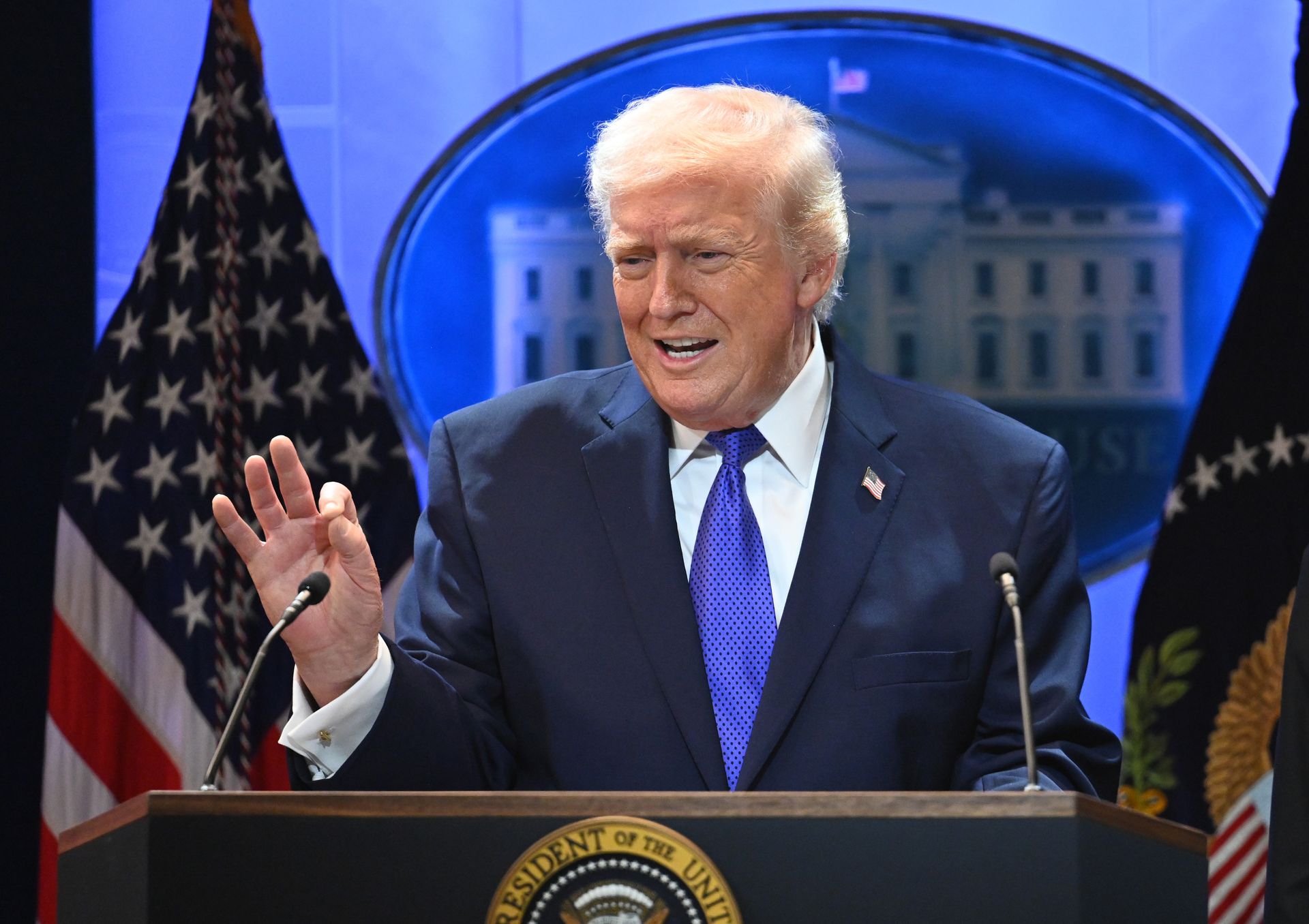
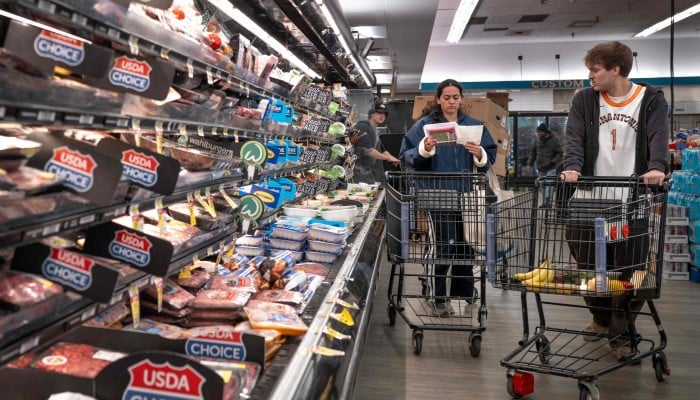
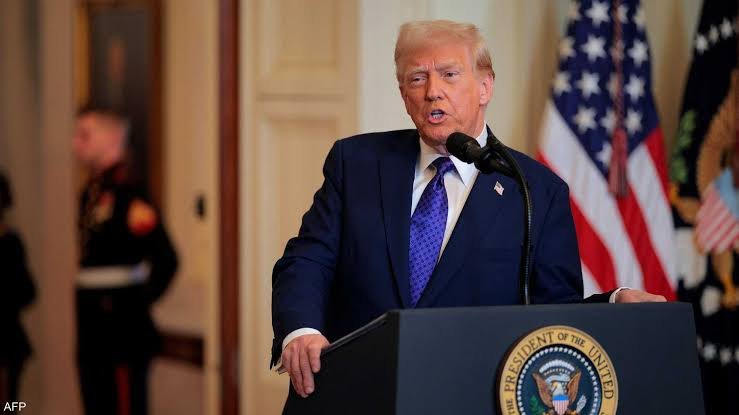
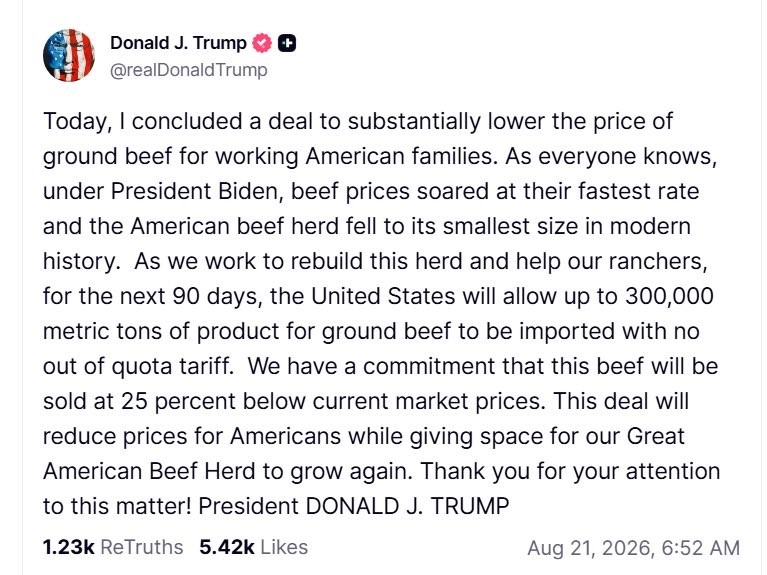
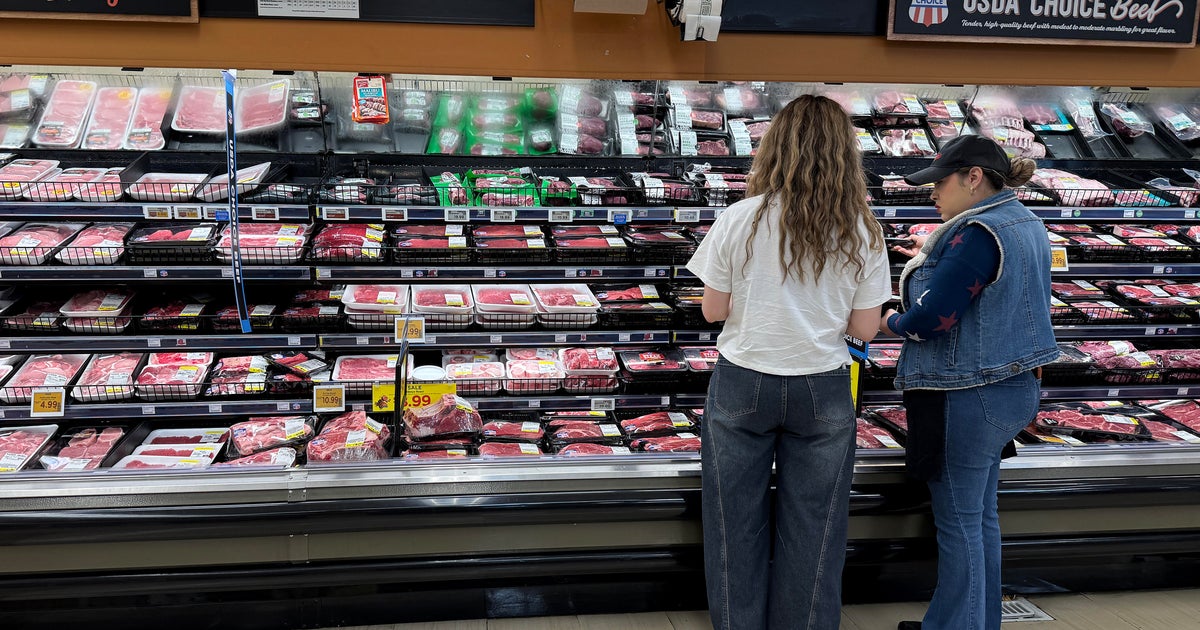
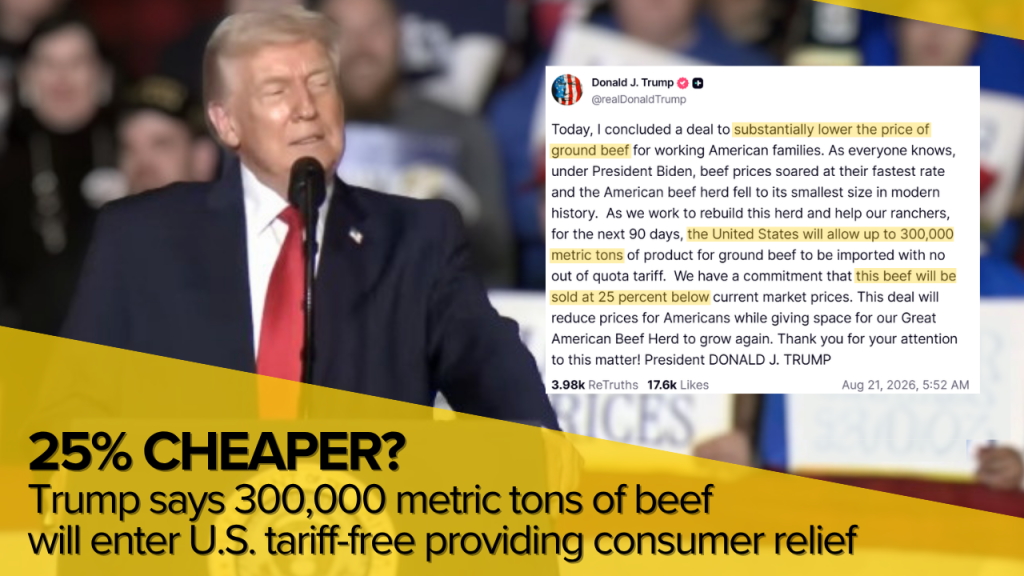
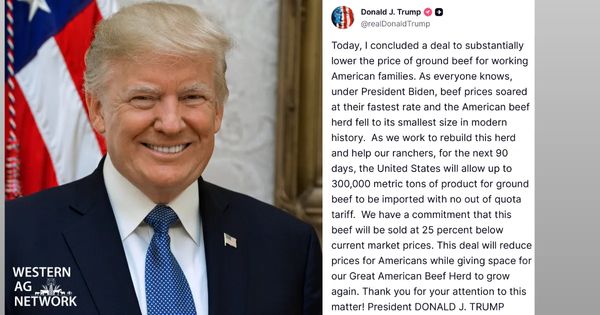
The Trump administration's August 21, 2026 announcement of a temporary 90-day tariff waiver on ground beef imports (up to 300,000 metric tons) represents a significant policy shift with direct implications for cross-border food sellers and supply chain operators. The waiver eliminates the standard 26.4% out-of-quota tariff on imported beef, reducing the tariff burden from $1.80+ per kilogram to zero—a substantial cost reduction for importers and food service suppliers. With ground beef prices averaging $6.89/pound (up 57% over five years), this policy directly addresses consumer affordability concerns while creating arbitrage opportunities for sellers sourcing from Australia and Brazil, the primary frozen ground beef suppliers mentioned in the news.
For cross-border food sellers, this policy creates three distinct market opportunities. First, importers and food service distributors can now source frozen ground beef from Australia and Brazil at significantly reduced landed costs during the 90-day window (August 21-November 2026), enabling margin expansion or competitive price positioning. Second, prepared food sellers on platforms like Amazon Fresh, Instacart, and specialty food marketplaces can capitalize on lower input costs to improve margins on beef-based products (ground beef patties, prepared meals, meal kits) or pass savings to consumers to drive volume. Third, the policy signals structural beef supply constraints—U.S. cattle herd at 94.2 million head (near 1950s lows)—indicating sustained pricing pressure beyond November 2026, making this a window to lock in supplier relationships and inventory before tariffs potentially return.
However, the policy's effectiveness remains contested, limiting upside potential. Industry experts note that 300,000 metric tons represents only a small fraction of total U.S. beef supply, with economist Altin Kalo emphasizing that much imported ground beef serves food service operations rather than retail, potentially limiting consumer-facing retail opportunities. The National Cattlemen's Beef Association's opposition and sharp cattle market declines following the announcement suggest political and market headwinds that could lead to early policy reversal or non-extension beyond November 2026. Tyson Foods' $707 million operating loss in beef (15.9% volume decline, 12.1% price increases) demonstrates that even major processors face margin compression, suggesting smaller sellers may struggle to capture meaningful benefits unless they operate in food service or prepared foods segments.
Immediate actions for sellers: (1) Verify tariff classification for your beef products (HS codes 0201-0202) and confirm eligibility under the waiver by September 15, 2026; (2) Contact Australian and Brazilian suppliers to negotiate volume commitments and pricing locks for the 90-day window; (3) For prepared food sellers, model margin scenarios assuming tariffs return in November 2026 to avoid over-committing to low-price positioning. Strategic adjustments: Consider diversifying protein sourcing to reduce beef dependency, or pivot marketing toward "premium domestic beef" positioning if tariffs return, capitalizing on nationalist sentiment. Risk mitigation: Monitor USDA announcements for early policy reversal signals; avoid long-term contracts assuming tariff-free pricing beyond November 2026.
Questions 8
How does the 90-day beef tariff waiver affect import costs for cross-border food sellers?
The waiver eliminates the 26.4% out-of-quota tariff on ground beef imports, reducing tariff costs by $1.80+ per kilogram for beef valued around $7/kg. For a seller importing 100 metric tons of frozen ground beef from Australia or Brazil during the 90-day window (August 21-November 2026), this represents approximately $180,000+ in tariff savings. However, the waiver expires November 2026, so sellers must plan for tariff reinstatement unless the policy extends. Importers should lock in supplier agreements by September 2026 to maximize the window.
Which product categories benefit most from the beef tariff waiver?
Food service suppliers and prepared food sellers benefit most, as economist Altin Kalo notes that much imported ground beef serves food service operations rather than retail meat cases. Sellers in meal kit delivery, prepared beef products (patties, ground beef meals), and restaurant supply categories can reduce input costs by 20-30% during the waiver period. Retail ground beef sellers may see limited benefit since the policy targets bulk frozen imports destined for grinding and food service, not consumer-facing retail packages. Amazon Fresh and Instacart sellers offering prepared beef meals have the clearest margin expansion opportunity.