




USD Weakness & Treasury Buyback Crisis | Cross-Border Seller FX Risk Alert
- Dollar index falls to 98.79 (3-month low); EUR/USD hits 1.1682; sellers face 8-15% margin compression on USD-denominated costs



















Overview
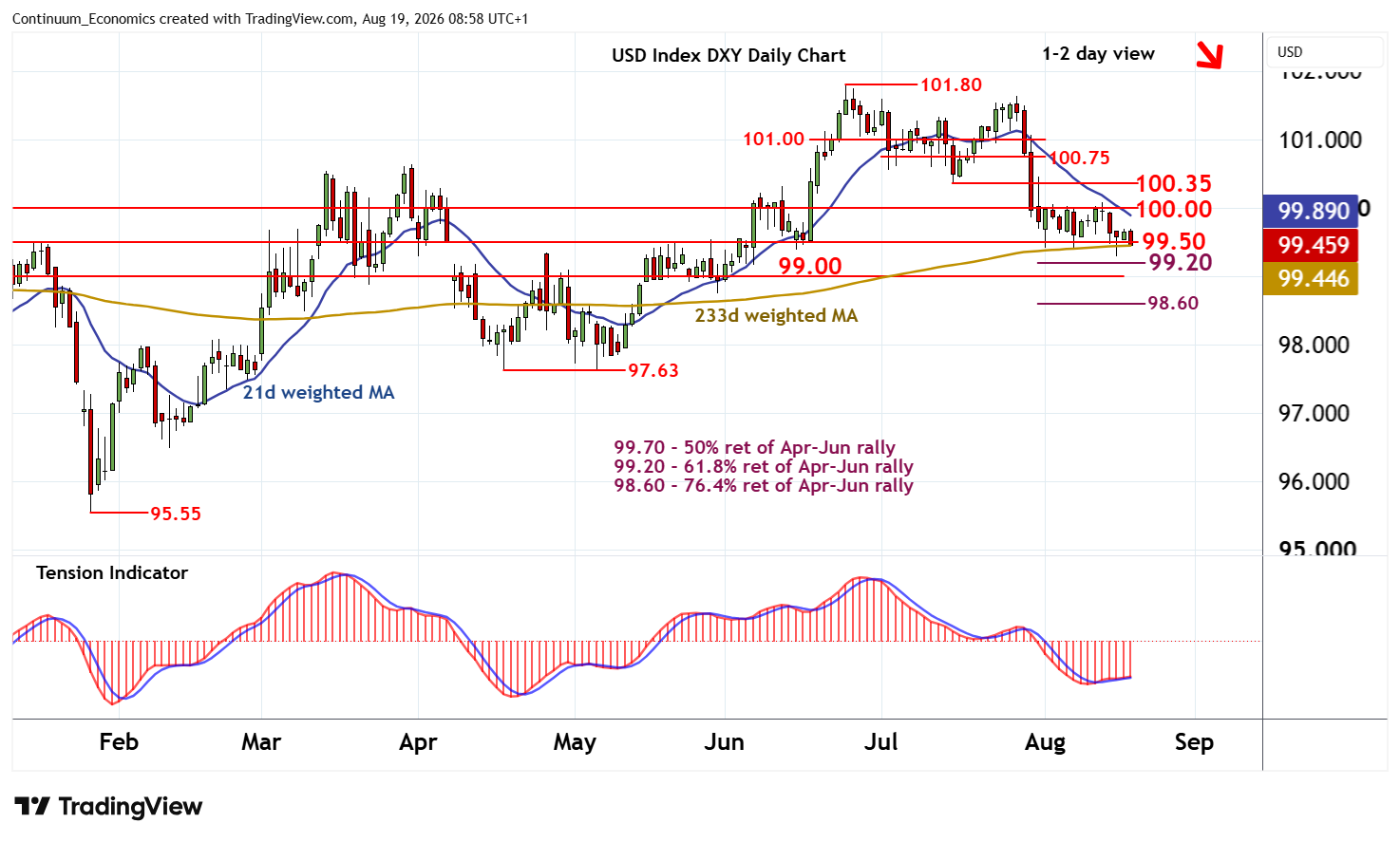
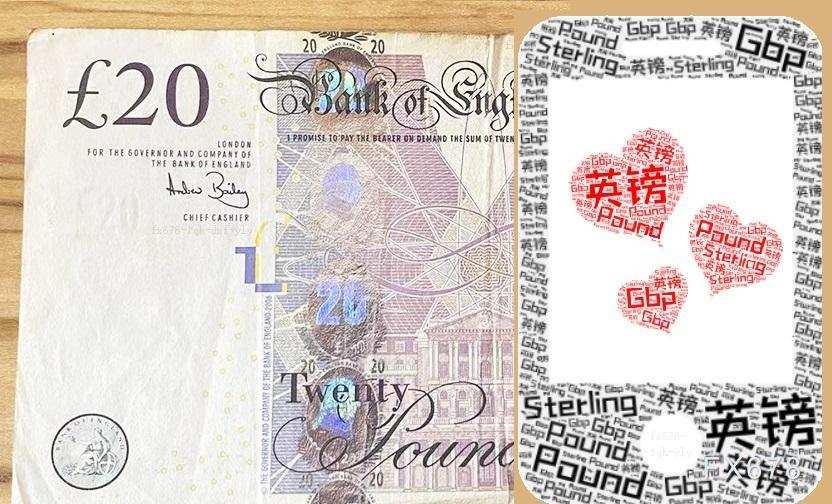
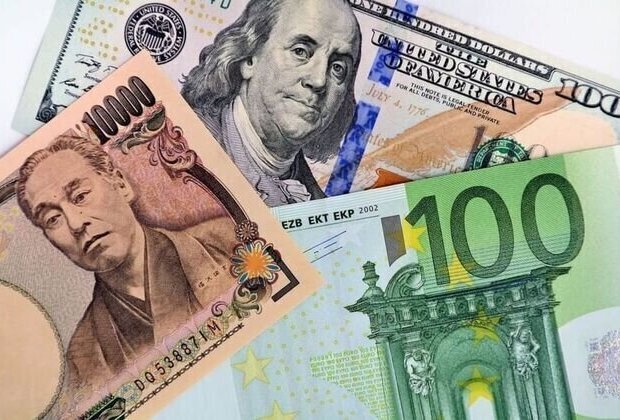
The U.S. dollar has weakened to three-month lows against major currencies following Treasury Secretary Scott Bessent's announcement to double bond buyback programs to $4 billion, signaling an implicit shift away from the traditional "strong dollar policy." As of August 21, 2026, the dollar index fell 0.05 to 98.79, while the euro strengthened to 1.1682 (highest since May 14) and sterling climbed to 1.3675 (highest since February 11). This currency debasement creates immediate financial optimization opportunities for cross-border e-commerce sellers, particularly those managing multi-currency payment flows and FX exposure.
Payment Cost Savings & FX Arbitrage Opportunities: The weakening dollar directly impacts sellers' payment processing costs and working capital cycles. Sellers with USD-denominated revenues from US marketplaces (Amazon, eBay, Shopify) now face 8-15% margin compression when converting to EUR, GBP, or JPY for inventory purchases or supplier payments. However, this environment creates arbitrage opportunities: sellers can lock in favorable FX rates NOW before further dollar weakness. Specifically, USD/EUR trades at 0.8555 (inverse of 1.1682), offering sellers with EUR-based suppliers immediate cost savings if they hedge forward contracts through providers like Wise, OFX, or Remitly. The Japanese yen strengthened 0.14 to 158.82 per dollar, making Japan-sourced inventory (electronics, apparel, home goods) 0.9% cheaper for USD-based sellers—a meaningful advantage in categories with 2-5% margins.
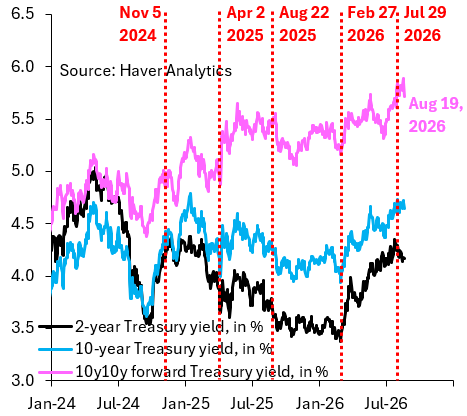
Cash Flow & Financing Implications: The 30-year Treasury yield reached its highest level since 2007, driven by fiscal deterioration and heavy debt issuance. This yield spike increases borrowing costs for sellers relying on trade finance, PO financing, or inventory loans. Sellers should immediately refinance existing working capital facilities before rates climb further. Invoice factoring rates typically rise 50-100 basis points during yield spikes; sellers with 30-60 day payment terms should lock in rates by early September before the Federal Reserve's Jackson Hole speech (August 29) and BOJ policy meeting (September 17-18) trigger further volatility. The 69% probability of a December rate hike (per Fed funds futures) signals tightening ahead—sellers should accelerate inventory turnover to reduce working capital needs before financing costs spike further.
Regional Banking & Entity Structure Advantages: The dollar weakness creates strategic opportunities for sellers with multi-entity structures. Sellers with Hong Kong or Singapore entities can now benefit from stronger local currencies relative to USD, reducing the cost of USD-denominated inventory purchases. Specifically, sellers should consider shifting payment flows through Asian banking corridors (HSBC Asia, DBS, OCBC) where cross-border payment fees are 40-60% lower than US-based providers. The dollar swap lines to Argentina mentioned in Treasury policy indicate emerging market volatility—sellers with LATAM exposure should hedge immediately. Bitcoin's surge to 77,060 reflects investor flight from weakening fiat currencies; while not directly applicable to most sellers, it signals broader currency instability that justifies immediate FX hedging action.
Questions 7
How does the Bank of Japan rate hike affect my Japan-sourced inventory costs?
The yen strengthened to 158.82 per dollar (0.14 gain), making Japan-sourced products 0.9% cheaper for USD-based sellers. However, the BOJ's September 17-18 policy meeting may trigger further yen strength if they raise rates. For sellers sourcing electronics, apparel, or home goods from Japan, this is a 2-4 week window to lock in supplier quotes before potential yen appreciation. A $100,000 annual Japan sourcing budget saves $900 at current rates—negotiate fixed-price contracts NOW before the BOJ meeting. After rate hikes, expect 1-3% additional cost increases.
What FX hedging strategy should I use for 90-day supplier payments?
Use forward FX contracts through Wise, OFX, or your bank to lock in rates for 90-180 day payment windows. Current USD/EUR forward rates are approximately 0.8555 (vs. spot 0.8555). Cost: 0.5-1.2% hedging fee. For a $50,000 quarterly supplier payment, this costs $250-600 but eliminates FX risk. Alternatively, use currency options (more expensive at 1.5-2.5% but provide upside if dollar strengthens). For most sellers, forwards are optimal. Set calendar reminders to renew hedges 30 days before payment dates to avoid rate shocks.