




China's 4.3M Vehicle Recall Triggers Door Safety Compliance Boom | Automotive Parts Sellers Face New Certification Requirements
- Beijing's concealed door handle ban (effective 2027) creates compliance moat for certified parts suppliers; 2.98M Tesla recalls signal intensified regulatory enforcement across EV sector; cross-border sellers of automotive safety components face 3-6 month certification timelines and potential 40-60% market elimination of non-compliant suppliers



















Overview
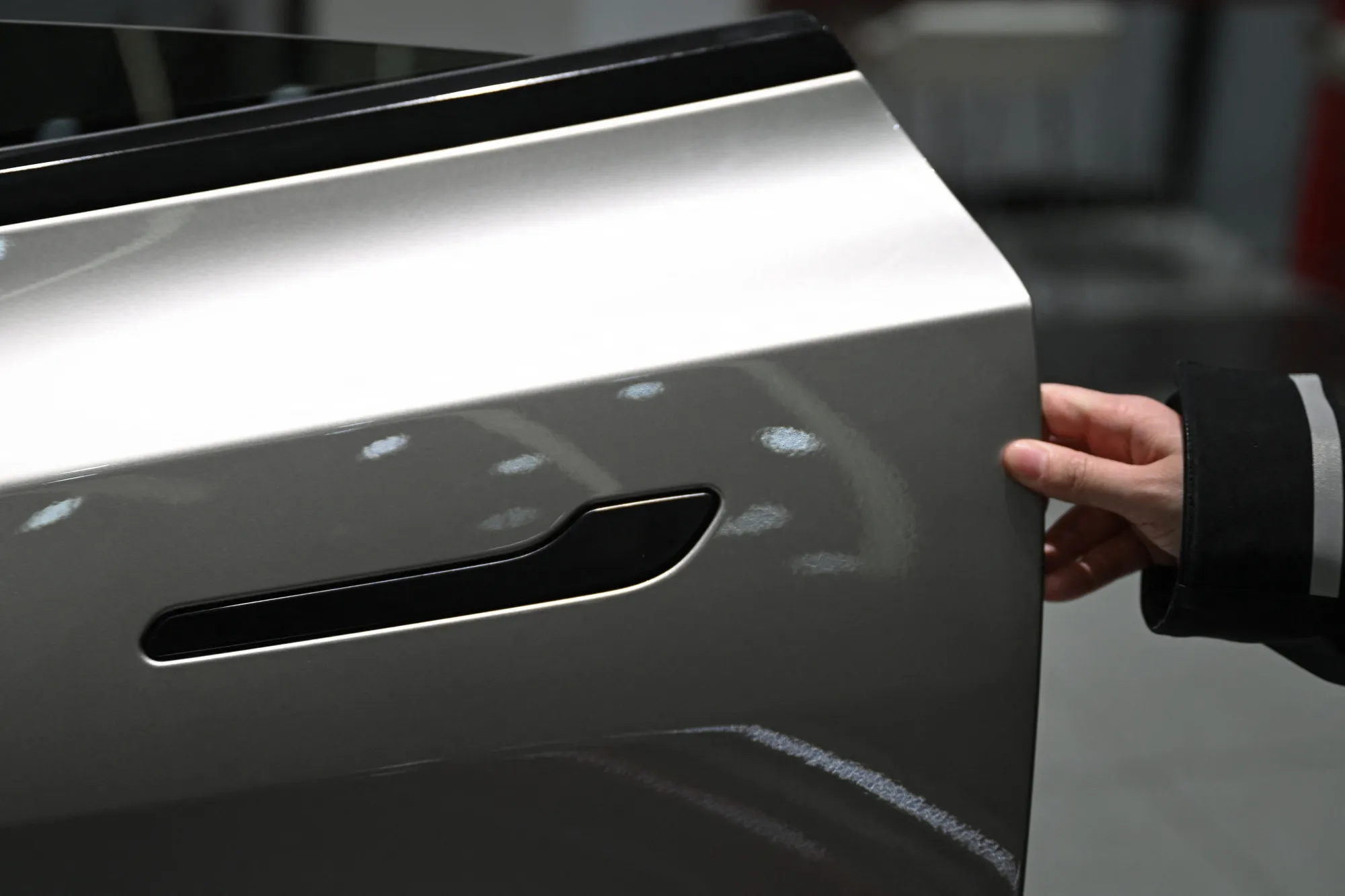
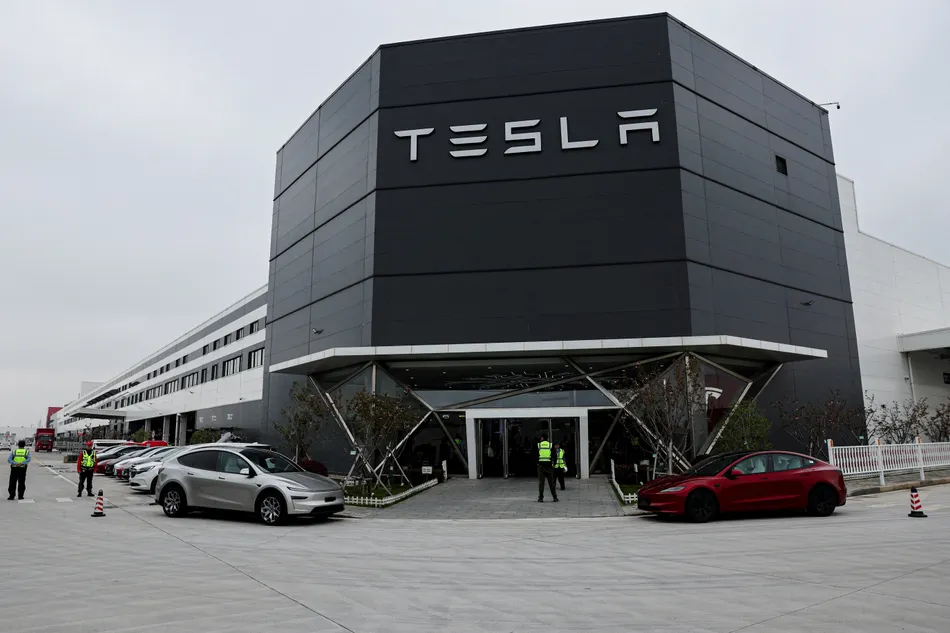
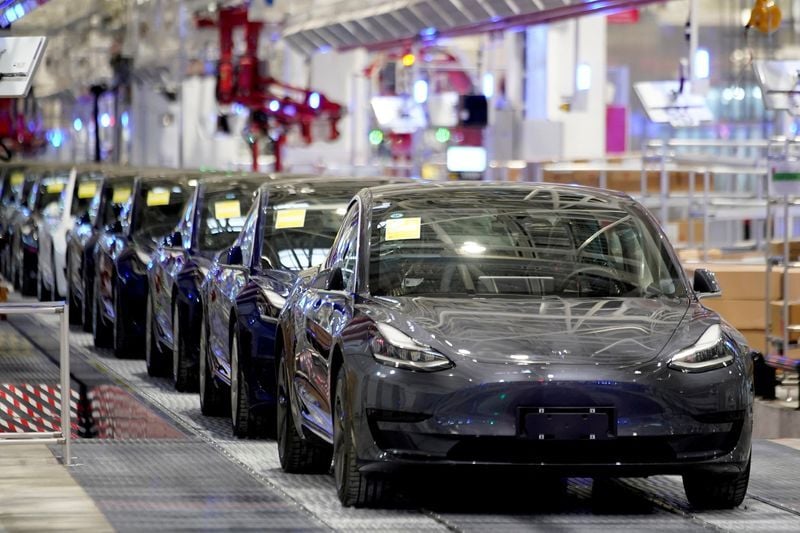
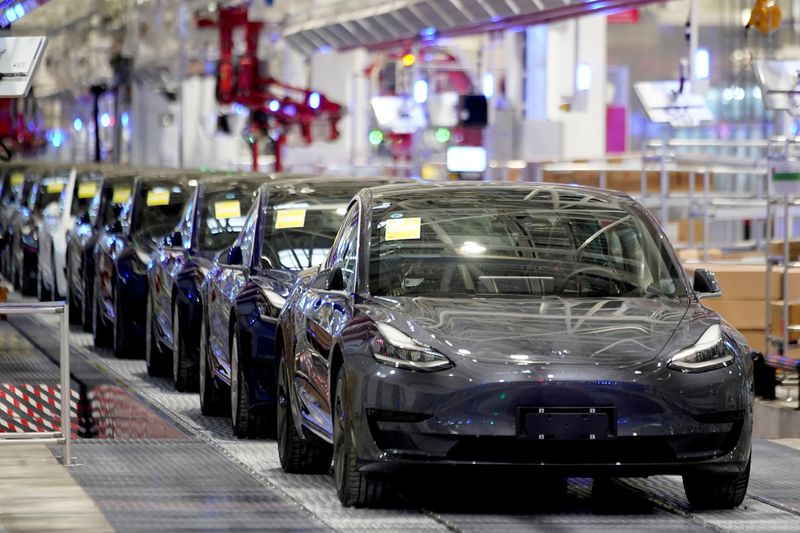
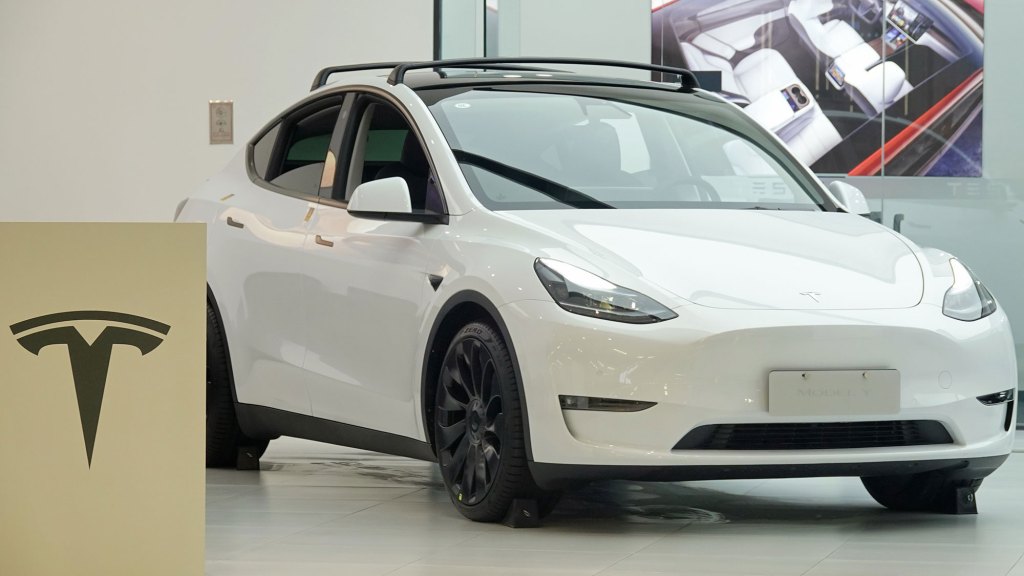
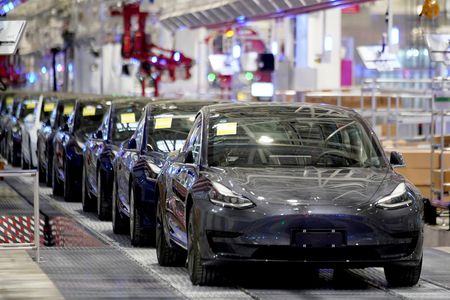
China's State Administration for Market Regulation has initiated the country's largest vehicle recall campaign, affecting 4.3 million vehicles from Tesla and nine other automakers, with Tesla accounting for 2.98 million units (Model 3, Model Y, Model S, Model X). The recall, effective September 25, 2026, addresses critical door handle safety defects—specifically emergency mechanical door-release handles that may be difficult to locate or operate following severe collisions and electrical system failures. This regulatory action stems from high-profile fatalities, including an October incident where a Xiaomi SU7 driver died in a crash-and-fire because passengers could not open the doors. Other major recalls include Xiaomi (390,000 vehicles), Leapmotor (371,000), and Xpeng (264,000).
The compliance opportunity is substantial: Beijing has announced a ban on concealed door handles starting 2027, making China the first country to phase out this design. This creates a high-entry-barrier compliance moat for automotive parts suppliers. Sellers offering door handle replacements, repair kits, safety components, and warning labels will experience immediate demand surge as 4.3 million vehicle owners seek solutions. However, the regulatory environment now requires certification to China's State Administration for Market Regulation standards—a 3-6 month process costing $15,000-40,000 for parts suppliers. Non-compliant suppliers face market elimination; industry estimates suggest 40-60% of current aftermarket door handle sellers lack proper certification.
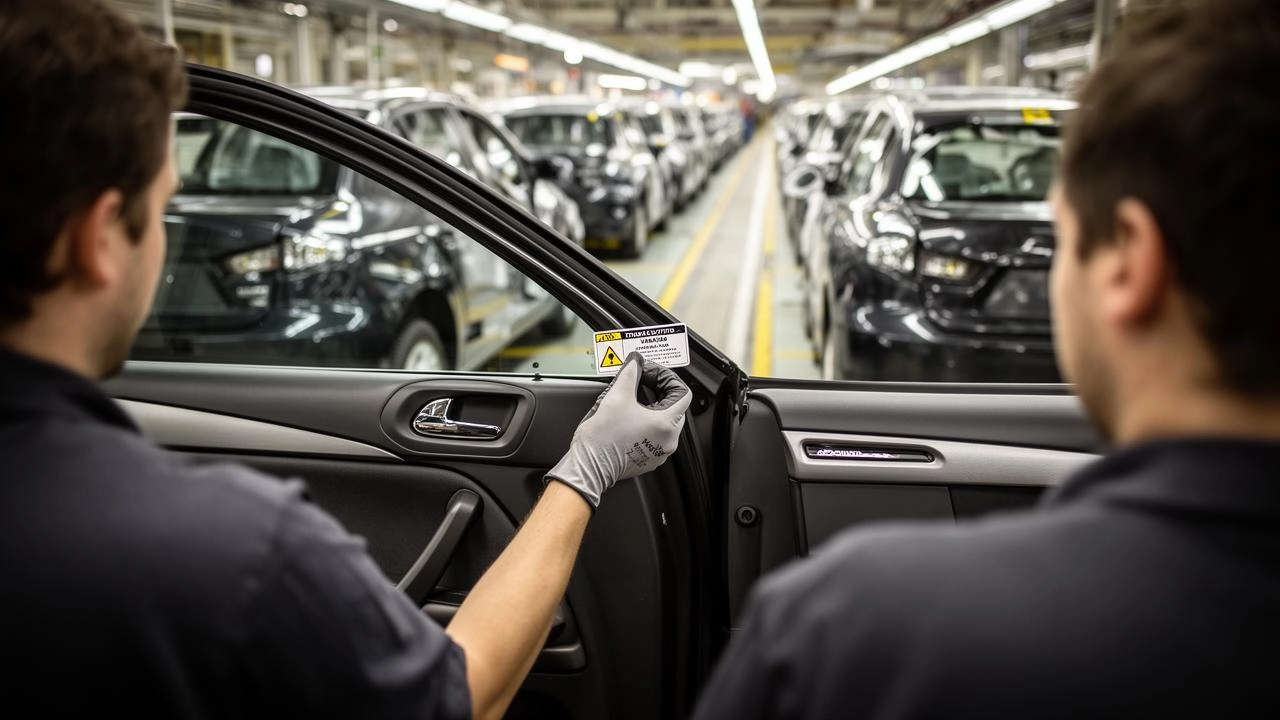
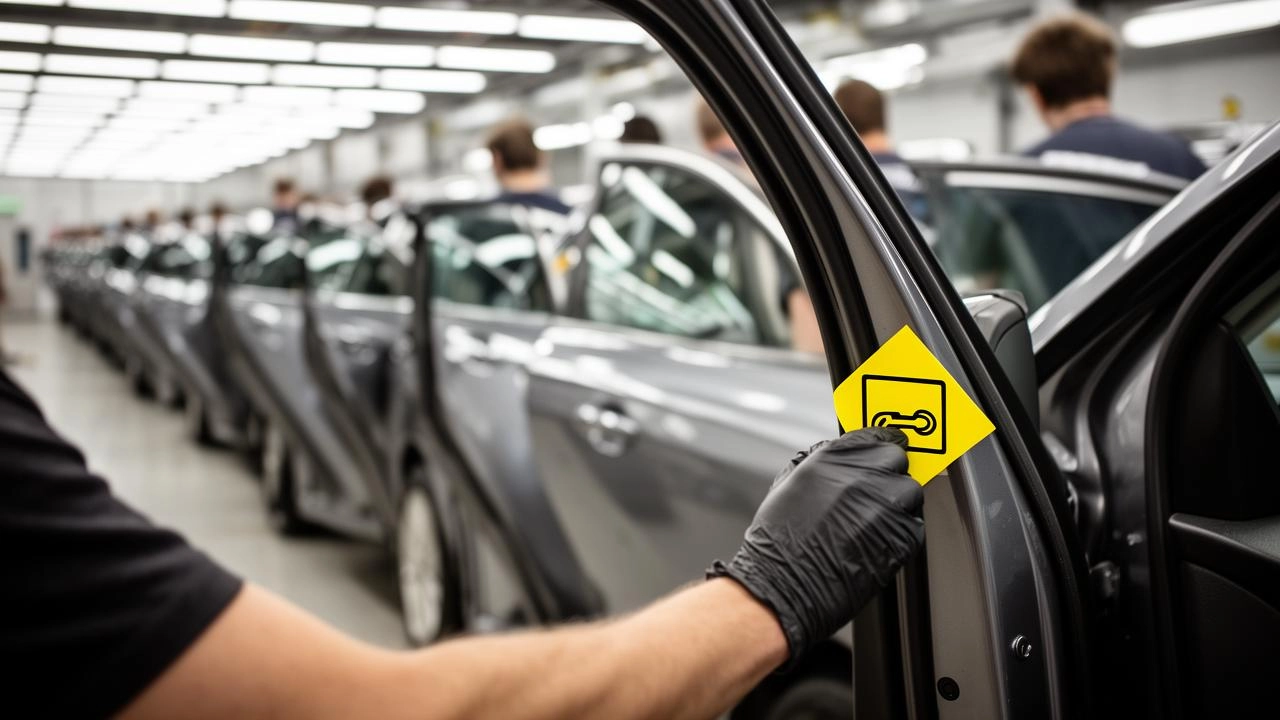
The remediation timeline creates distinct seller opportunities. Manufacturers are implementing solutions ranging from free warning labels identifying handles to over-the-air software updates that automatically lower windows post-collision. This bifurcation means sellers can compete in two segments: (1) low-cost labeling/identification products (immediate 6-month window), and (2) certified replacement hardware (12-24 month compliance window). The recall process is expected to span several months, with manufacturers required to provide detailed remediation plans to regulators. Cross-border e-commerce sellers on Amazon, eBay, and Shopify can capitalize on supply chain disruptions affecting OEM parts availability—vehicle owners will increasingly source aftermarket solutions.
Global regulatory convergence amplifies the compliance moat. The U.S. National Highway Traffic Safety Administration is similarly considering new safety standards addressing occupant entrapment risks during electrical failures. Sellers who achieve China certification now can leverage that credential for future U.S. market entry, creating a 12-18 month first-mover advantage. Industry analysts note that modern over-the-air updates significantly reduce recall costs and downtime compared to traditional recalls, but this also means sellers of software-enabled safety components (IoT door sensors, smart locks) face accelerated demand.
Questions 8
What is the market size opportunity for automotive safety parts sellers?
The recall affects 4.3 million vehicles (Tesla 2.98M, Xiaomi 390K, Leapmotor 371K, Xpeng 264K, and five other manufacturers). Assuming 60-70% of owners seek aftermarket solutions within 12 months, this represents 2.6-3 million potential transactions. Average door handle replacement kits sell for $25-60 on Amazon, suggesting a $65-180 million addressable market. However, only certified suppliers can capture premium segments (replacement hardware, smart locks). Non-certified sellers are limited to low-margin labeling products ($2-5 per unit), reducing their addressable market to $5-15 million. This creates a 10-15x margin advantage for compliant suppliers.
How does the 2027 concealed door handle ban affect product development for sellers?
Beijing's ban eliminates concealed door handle designs entirely, forcing manufacturers to adopt mechanical or electronic solutions with visible release mechanisms. This creates product category shifts: sellers should pivot from concealment accessories to visibility-enhancement products (illuminated handles, tactile markers, smart unlock systems). The ban also signals regulatory preference for over-the-air software solutions—sellers of IoT door sensors, smart locks, and window automation systems face accelerated demand. Sellers currently offering concealment products should begin transitioning inventory by Q2 2026 to avoid obsolescence. The ban also applies to Chinese EV manufacturers exporting globally, meaning sellers can leverage China compliance for international markets.