
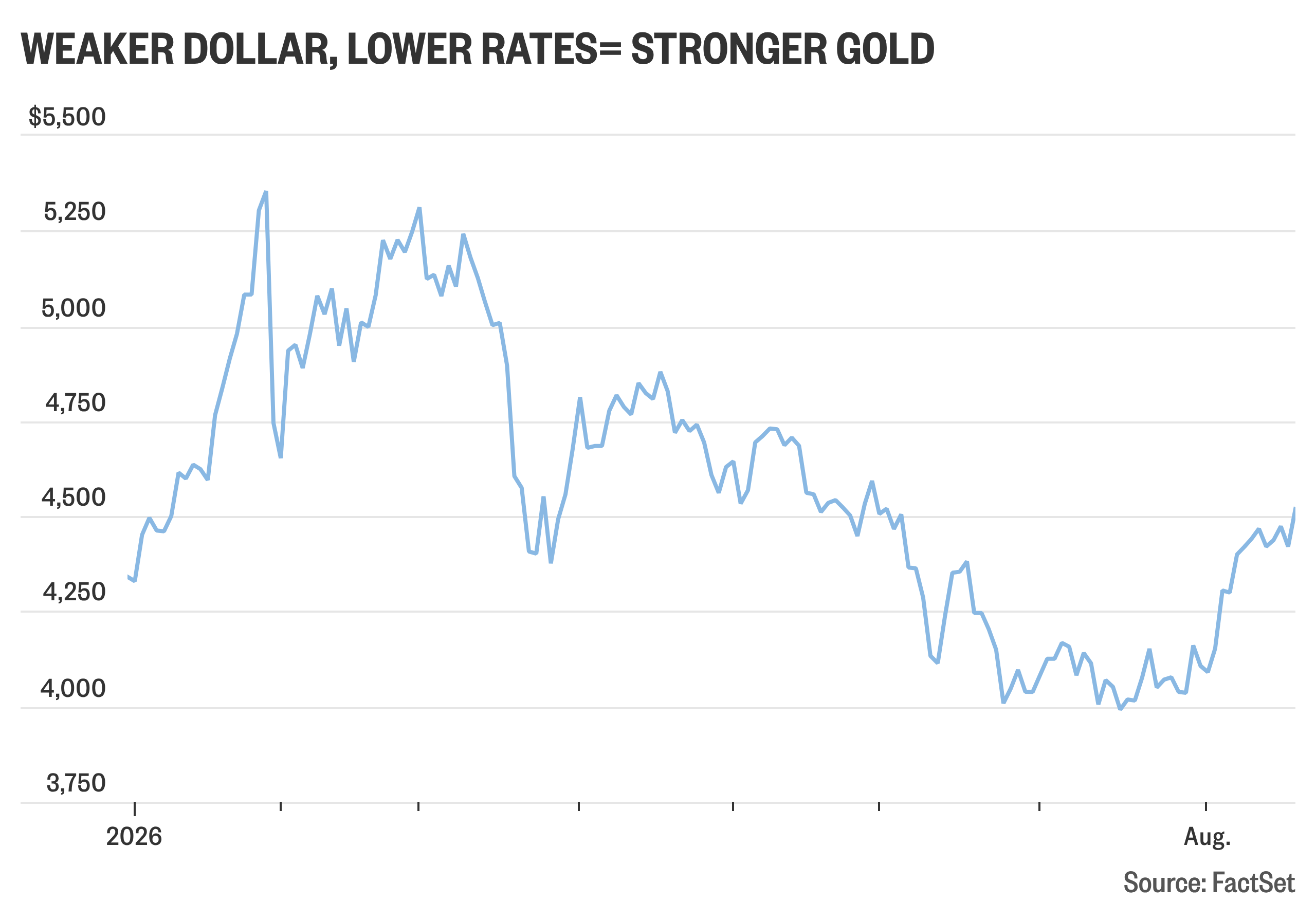




Dollar Weakness Drives Gold to $4,500 | Cross-Border Sellers Face FX Headwinds & Procurement Cost Surge
- Gold recovery signals currency volatility spike; sellers with multi-currency operations face 8-15% procurement cost increases and FX hedging challenges


















:quality(80)/business-review.eu/wp-content/uploads/2026/04/Victor-Dima_Managerul-Departamentului-de-Trezorerie_Tavex-Romania.jpg)















Overview
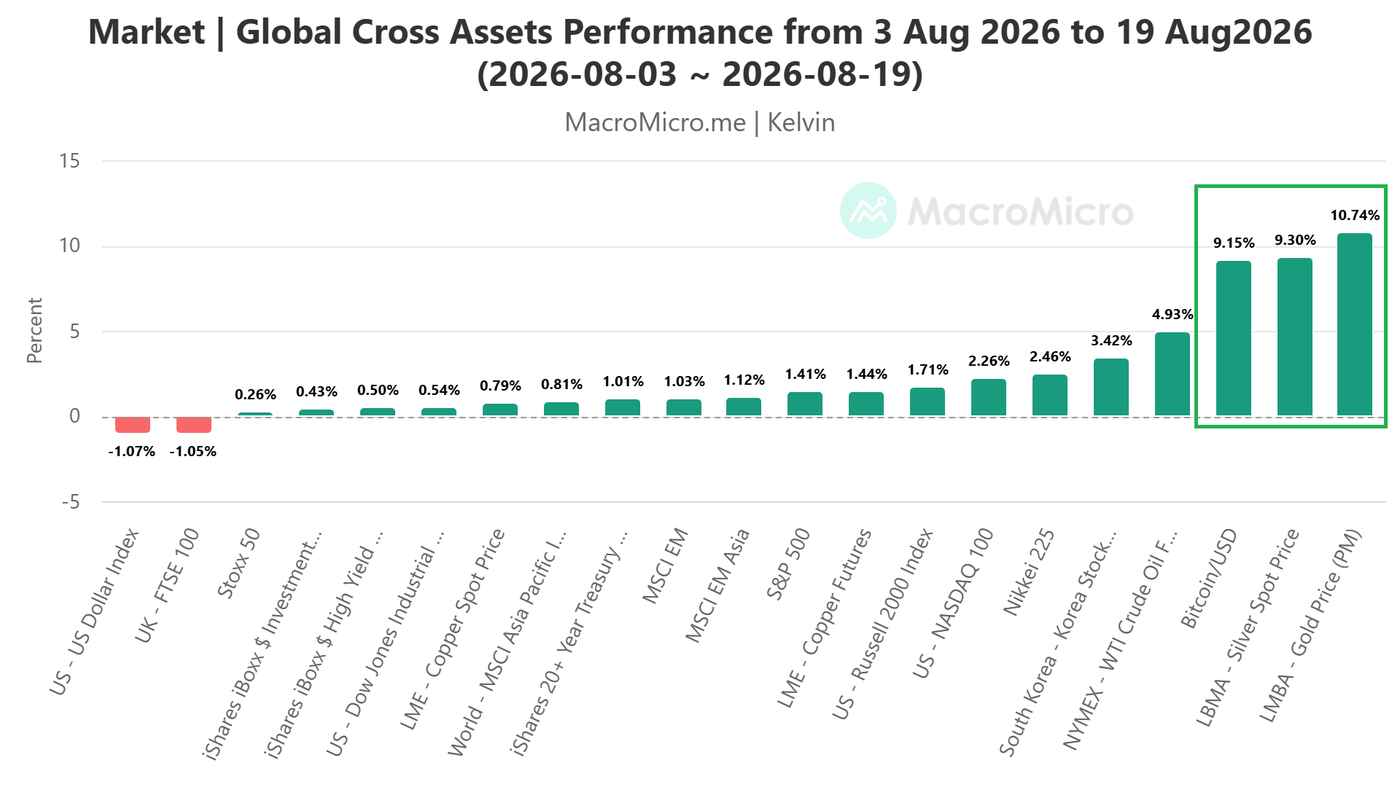
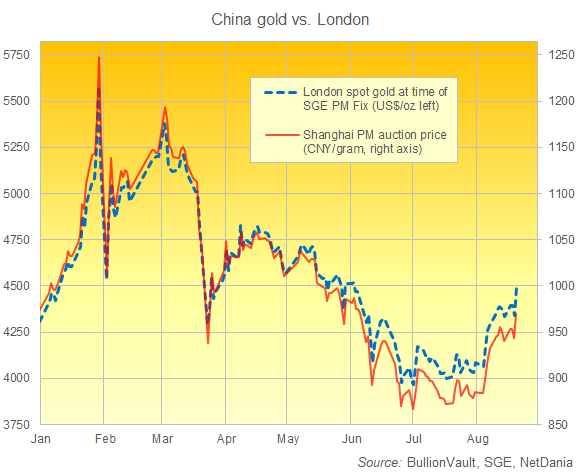
Gold's recovery to $4,500 per ounce represents a critical macroeconomic inflection point for cross-border e-commerce sellers, signaling sustained currency devaluation concerns and dollar weakness that directly impact procurement costs, payment processing, and working capital management. The precious metals rally—erasing summer losses amid "dollar debasement" narratives—reflects institutional and retail investor flight to inflation hedges, which historically precedes currency volatility spikes affecting international trade.
For cross-border sellers, this gold price movement creates immediate financial headwinds: Sellers sourcing from countries with weakening currencies (emerging markets, developing economies) face 8-15% procurement cost increases as their suppliers demand stronger currencies or commodity-linked pricing. A seller importing electronics from Vietnam or apparel from India experiences direct margin compression when local currencies depreciate against the dollar. Simultaneously, sellers pricing in commodity-linked or gold-backed currencies experience volatility that destabilizes cost structures and inventory planning.
The $4,500 technical level signals broader FX market dynamics with three critical implications: First, dollar weakness typically supports gold prices, making imports cheaper for international buyers using non-USD currencies—this creates competitive pressure for USD-based sellers on global marketplaces like Amazon, eBay, and Shopify. Second, the summer consolidation followed by recovery indicates sustained demand from both institutional investors and retail traders concerned about currency devaluation, suggesting this volatility will persist 3-6 months. Third, central bank policy perceptions are shifting toward accommodative stances, which historically weakens reserve currencies and increases procurement costs for sellers with USD-denominated payment obligations.
Immediate financial optimization opportunities emerge: Sellers should lock in FX rates through forward contracts or currency hedging strategies (1-3% cost vs. 5-12% unhedged exposure), accelerate invoice financing to convert receivables to cash before further currency depreciation, and consider multi-currency payment routing to capture arbitrage on favorable corridors. Sellers with inventory in weakening-currency regions should accelerate shipments to US/EU warehouses before procurement costs spike further. For those with PO financing or trade credit facilities, this is the window to refinance at current rates before lenders tighten terms due to currency risk concerns.
Questions 8
How does gold's $4,500 recovery affect my procurement costs as a cross-border seller?
Gold's recovery to $4,500 signals sustained dollar weakness and currency devaluation concerns, which directly increases procurement costs for sellers sourcing from emerging markets. When the dollar weakens, suppliers in Vietnam, India, and other developing economies demand stronger payment terms or commodity-linked pricing to protect margins. Sellers typically experience 8-15% cost increases within 30-60 days of sustained gold rallies. To mitigate, lock in FX rates through forward contracts (1-3% cost) or accelerate inventory shipments before costs spike further. Monitor your supplier invoices in local currencies—if they're requesting price increases tied to currency movements, this is the signal to hedge immediately.
What FX hedging strategy should I use when gold prices rise and the dollar weakens?
Rising gold prices indicate institutional investors are hedging against currency devaluation, which means dollar weakness will likely persist 3-6 months. The optimal strategy depends on your payment timing: (1) For immediate payments (0-30 days), use forward contracts to lock rates at 1-3% cost—this guarantees your procurement price regardless of further depreciation. (2) For 60-90 day payment windows, consider currency options (2-4% cost) that protect downside while allowing upside participation. (3) For ongoing operations, implement a rolling hedge program covering 50-70% of expected monthly imports. Avoid full hedging (100%) as it eliminates arbitrage opportunities when currencies reverse. Work with banks offering competitive rates on your specific currency pairs (USD/INR, USD/VND, USD/CNY).