
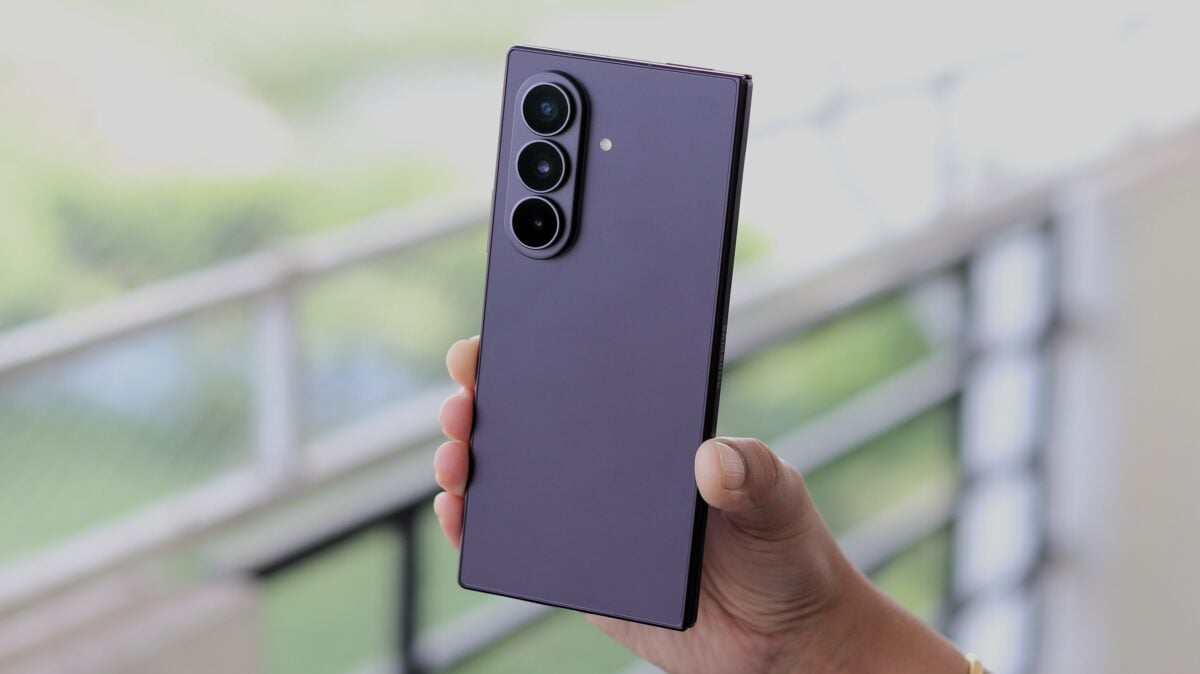
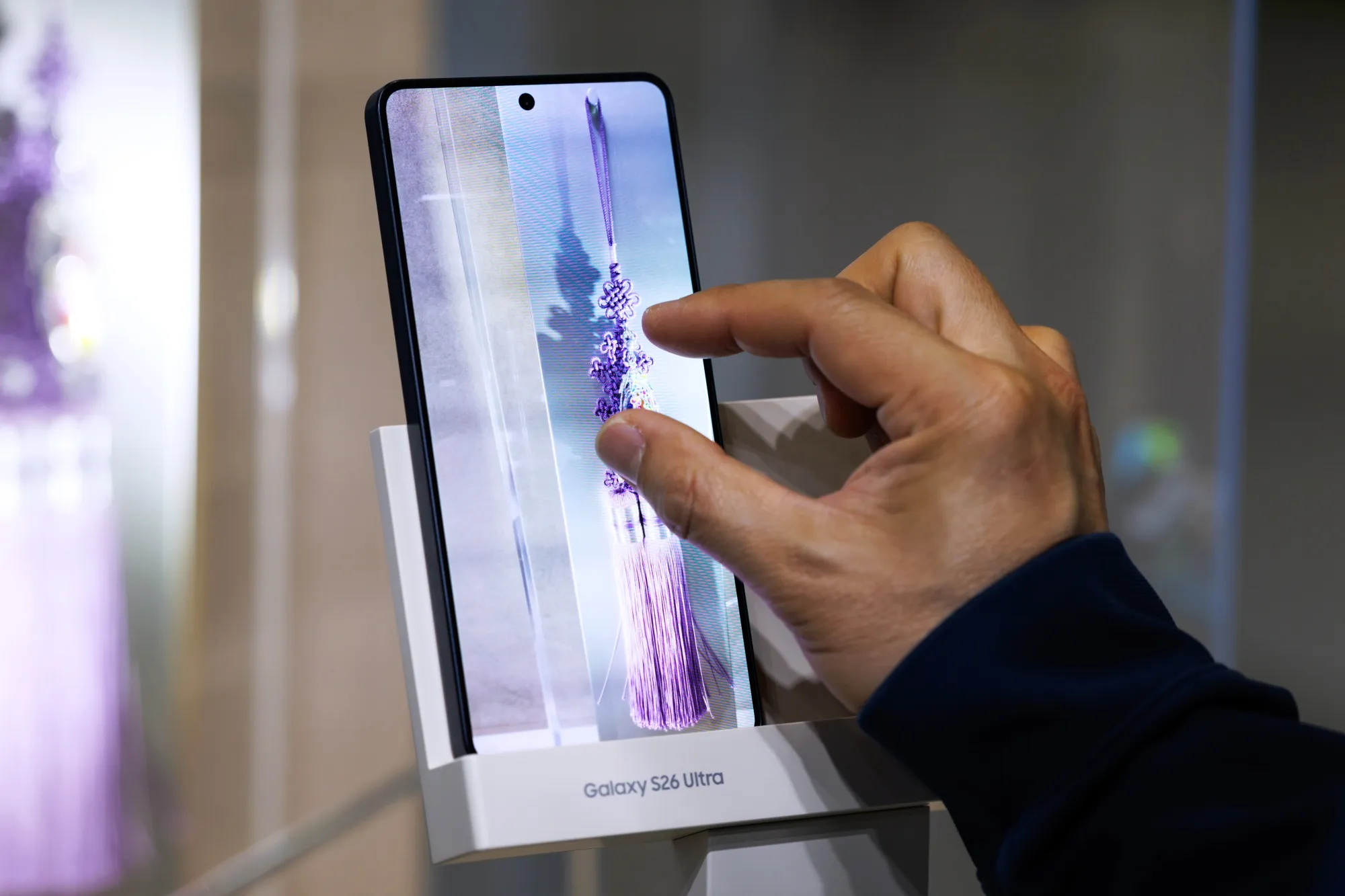

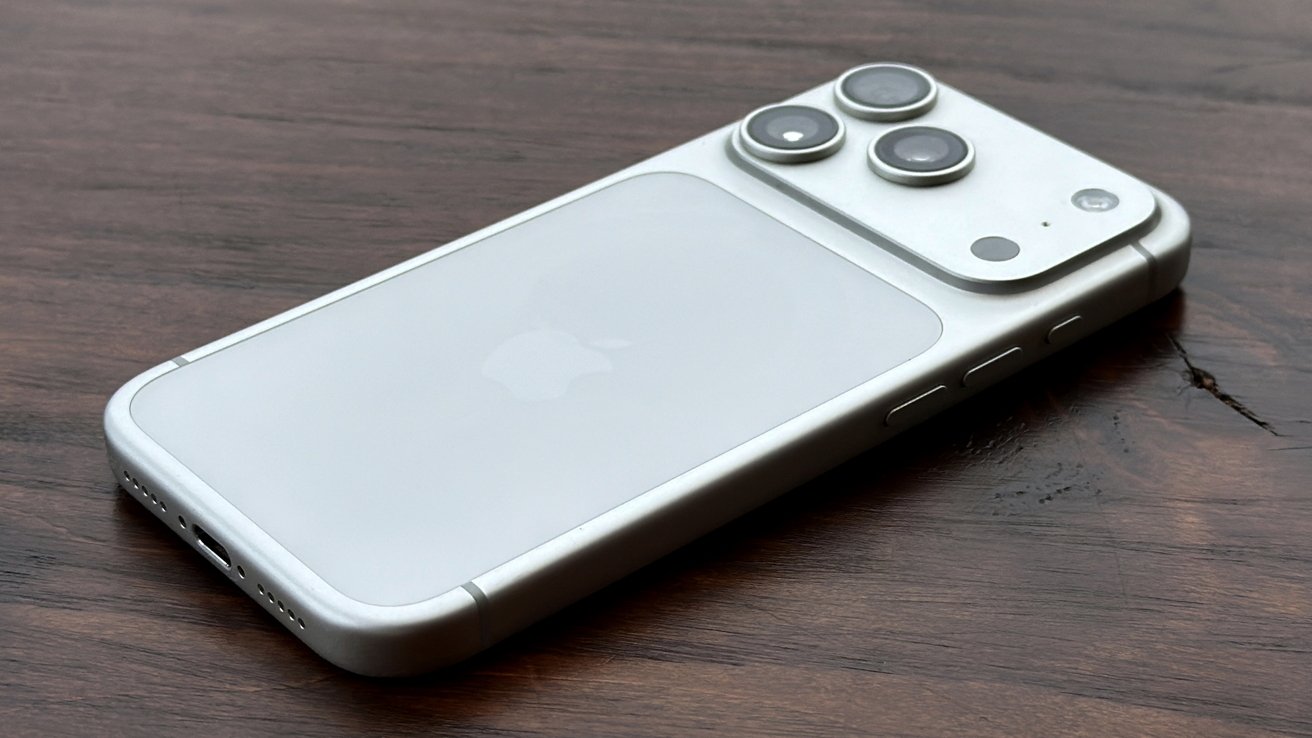


Smartphone Market Collapse Drives Premium Segment Surge | Seller Opportunity in Accessories & Refurbished Devices
- Global smartphone shipments down 10% in Q2 2026, but premium segment ($600+) grows 15% YoY; memory shortages persist through H2 2026, creating supply arbitrage opportunities for cross-border sellers in refurbished phones, protective accessories, and trade-in programs




Overview
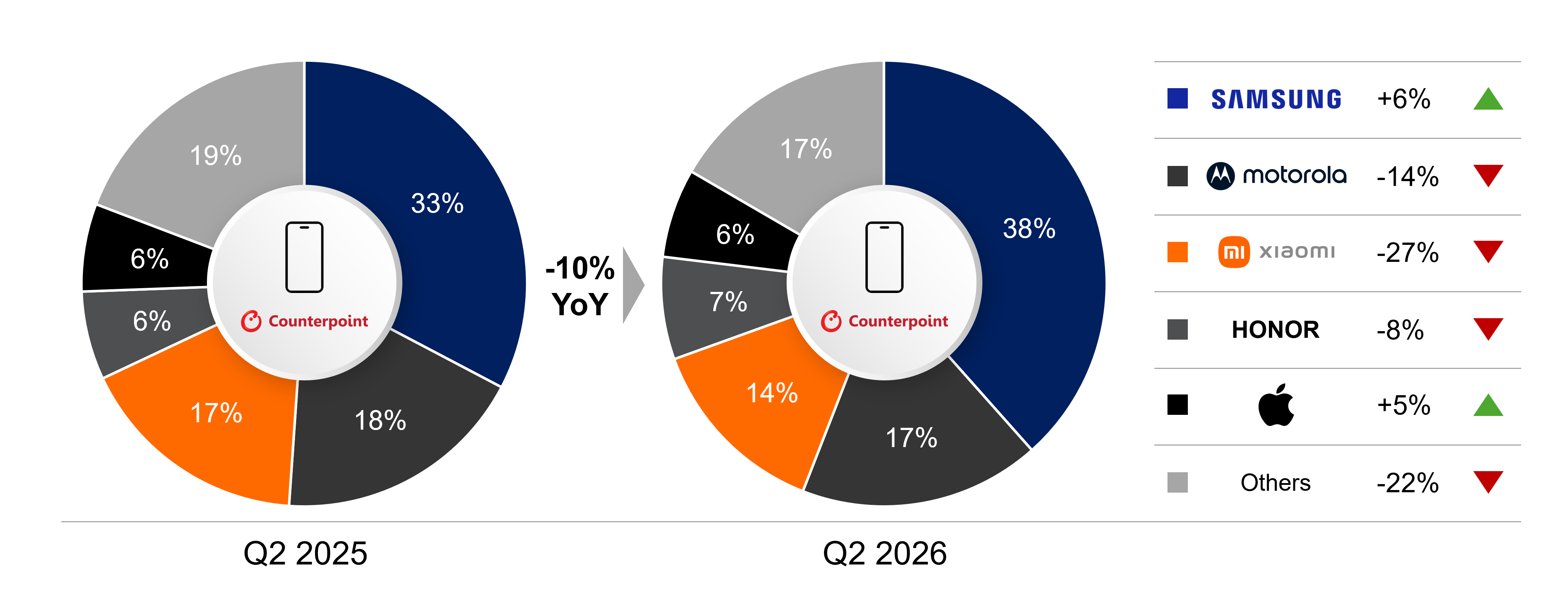
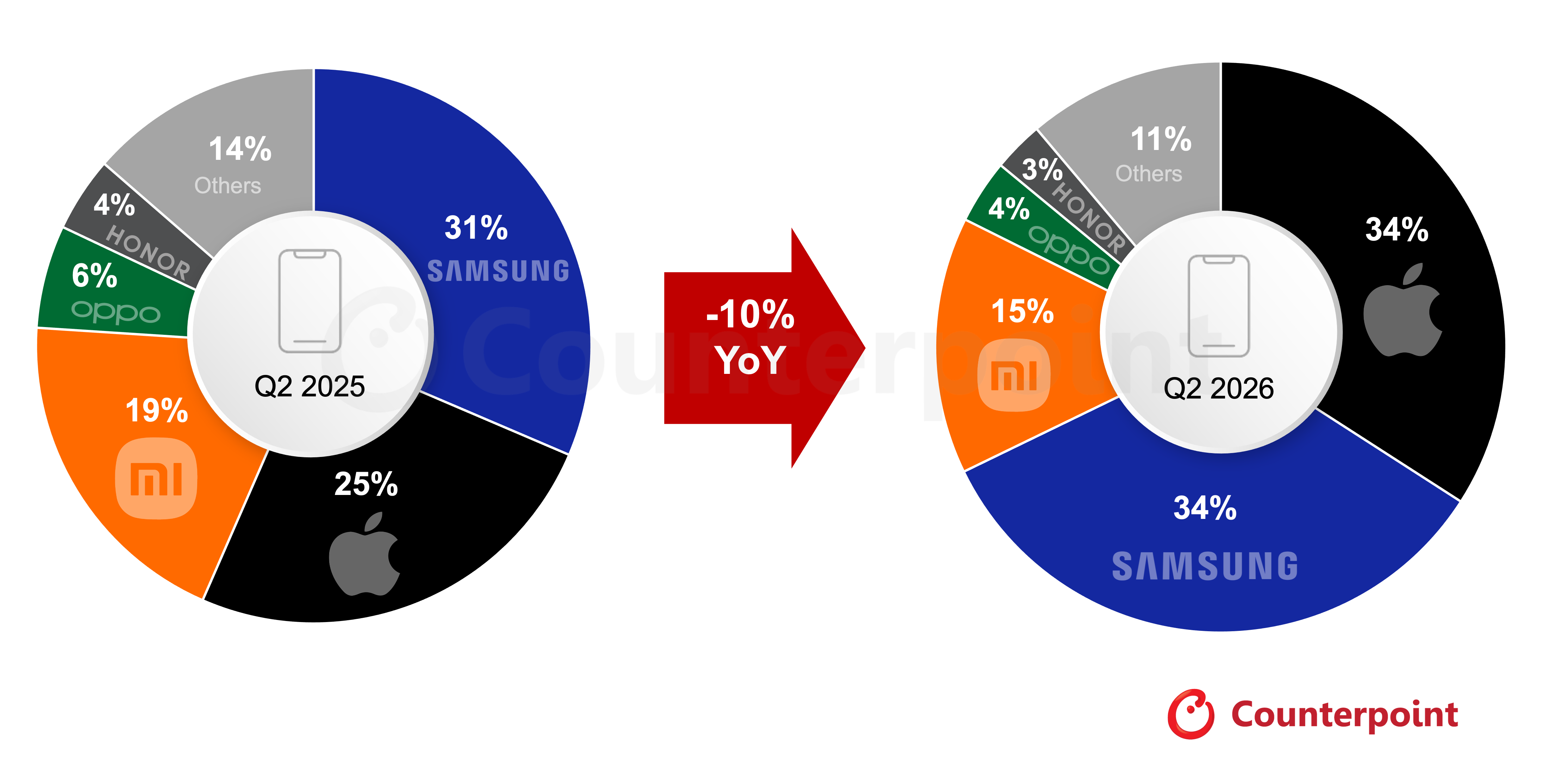
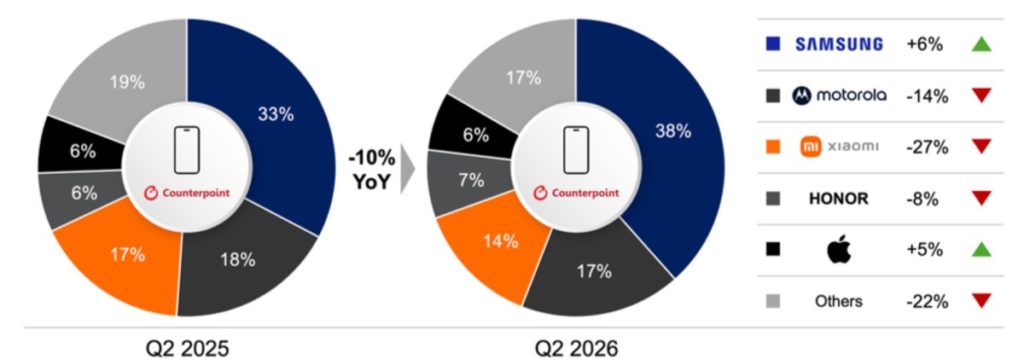
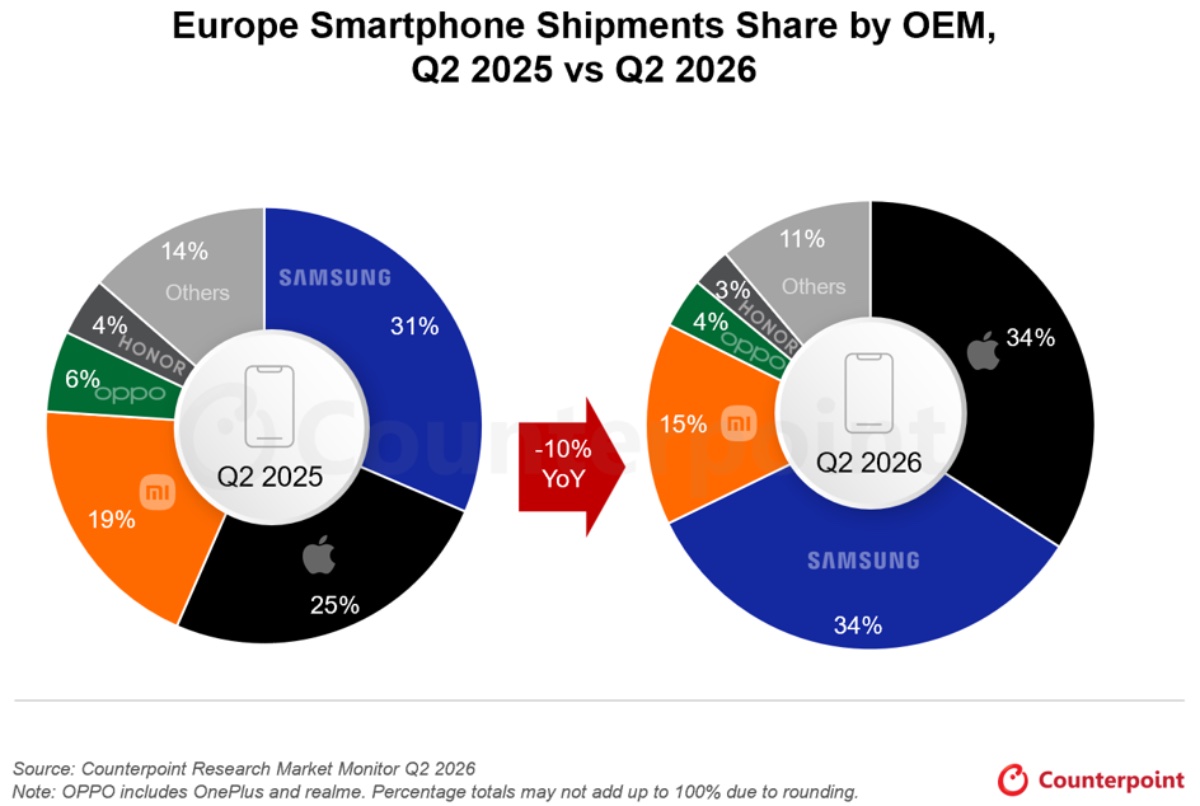
Global smartphone markets are contracting sharply while premium segments surge, creating a bifurcated opportunity for cross-border e-commerce sellers. According to Counterpoint Research reports released in Q2 2026, global smartphone shipments declined 10% year-over-year across major regions—European shipments hit a three-year low, Chinese sales contracted 8.6% during the first 30 weeks of 2026, and Latin America experienced a 10% YoY decline. However, Apple and Samsung are the only major brands posting growth, with Apple gaining 15% YoY sales in India and 5% growth in Latin America, while Samsung achieved 6% expansion in LATAM. The divergence reveals a critical market dynamic: memory shortages have elevated component costs and compressed margins for mid-range devices, which represent 75% of regional sales, while premium segment demand ($600+) remains resilient. Apple commands 51% market share in LATAM's premium segment and absorbed price increases rather than passing costs to consumers, signaling strong brand loyalty and willingness-to-pay among affluent buyers.
For cross-border sellers, this creates three distinct opportunities. First, refurbished and certified pre-owned smartphone markets are expanding as consumers delay upgrades due to rising new device prices. Memory cost inflation is expected to persist through H2 2026 with recovery anticipated in 2028, meaning new device prices will remain elevated for 18+ months. Sellers can source used iPhone 17 Pro Max and Samsung Galaxy models from developed markets and resell them in price-sensitive regions like India (down 14% in sales) and Latin America, where affordability offers drove Apple's growth. Second, smartphone accessories and protective gear categories are surging as premium device owners invest in protection for higher-value purchases. With Apple's iPhone 17 Pro Max commanding $1,200+ price points in LATAM, demand for premium cases, screen protectors, and charging solutions is accelerating. Third, trade-in program infrastructure is becoming a competitive advantage, as brands like Apple absorb price hikes by offering trade-in credits. Sellers can build marketplace listings around trade-in valuations and create content marketing around device upgrade cycles.
The regional arbitrage opportunity is particularly acute in Latin America, where economic headwinds (presidential elections in Colombia, anticipated elections in Brazil, inflationary pressures) have dampened consumer purchasing power, yet Apple and Samsung continue growing through aggressive promotional strategies and inventory deployment. Xiaomi's 27% decline in LATAM reflects its strategic pivot to prioritize supply allocation to China, creating a supply gap for mid-range devices that sellers can fill. Motorola's 14% decline and Honor's 8% contraction indicate that brands without premium positioning or strong supply chains are losing share. For sellers, this means: (1) source inventory from markets with excess supply (China, where sales contracted 8.6%), (2) target LATAM and India with refurbished premium devices and accessories, (3) capitalize on the 618 shopping festival demand patterns in China before seasonal slowdowns, and (4) monitor memory cost trends closely, as recovery in 2028 will trigger margin compression for accessory sellers relying on high-volume, low-margin strategies.
Questions 8
Why did Xiaomi's market share collapse 27% in Latin America despite strong China presence?
Xiaomi strategically prioritized supply allocation to its core Chinese market, constraining regional availability in Latin America. This supply constraint, combined with Xiaomi's heavy exposure to entry and mid-range segments (which represent 75% of regional sales), made the brand particularly vulnerable to rising memory costs and price adjustments. Xiaomi's 27% decline in LATAM creates a supply gap that cross-border sellers can fill by sourcing Xiaomi devices from China and reselling them in Latin America at competitive prices. This represents a direct arbitrage opportunity: sellers can source inventory from China's excess supply (8.6% sales contraction) and sell into LATAM's underserved mid-range segment where Xiaomi's withdrawal has created a vacuum.
What smartphone accessories categories are seeing the strongest demand growth?
Premium protective accessories are experiencing surge demand as consumers invest in protection for higher-value devices. With Apple's iPhone 17 Pro Max commanding $1,200+ price points in Latin America and Apple dominating the premium segment ($600+) with 51% market share, demand for premium cases, screen protectors, tempered glass, and charging solutions is accelerating. The iPhone 17e, which launched in late March and is building momentum, represents an additional accessory opportunity. Sellers should prioritize MagSafe-compatible cases, premium leather options, and wireless charging solutions targeting affluent buyers in LATAM and India who are willing to pay for device protection given elevated device costs.