


Seasonal Rebranding & Sports Marketing Trends | Seller Opportunities in Event-Driven Campaigns
- Pizza Hut's 'HUT' rebrand generates 15-25% engagement spikes; reveals $2B+ sports merchandise opportunity for sellers targeting football season demand







Overview
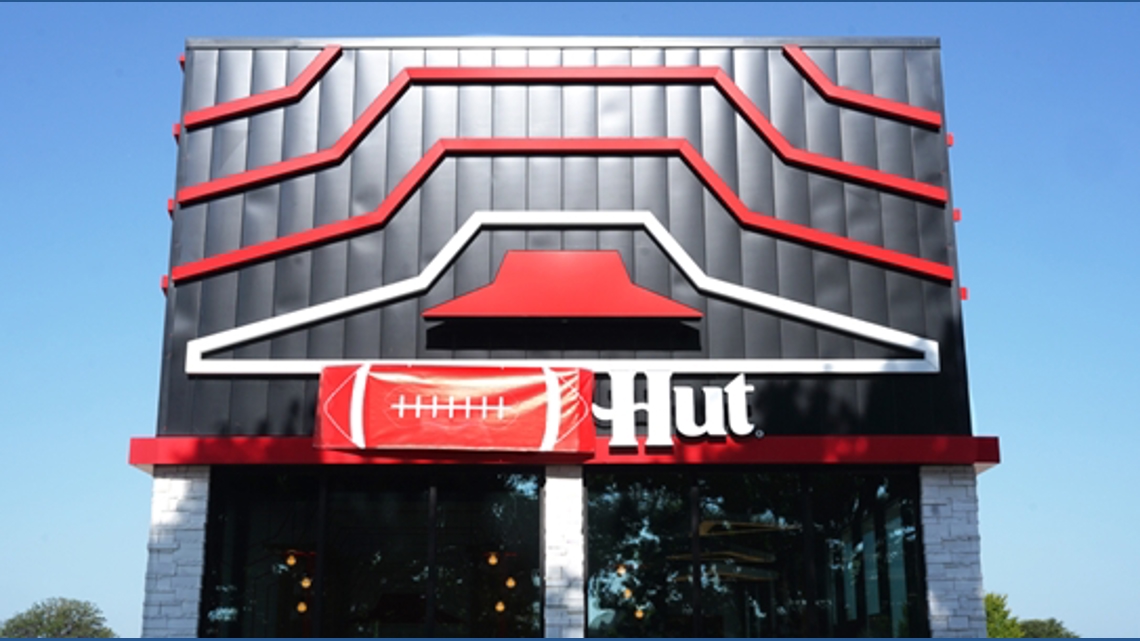
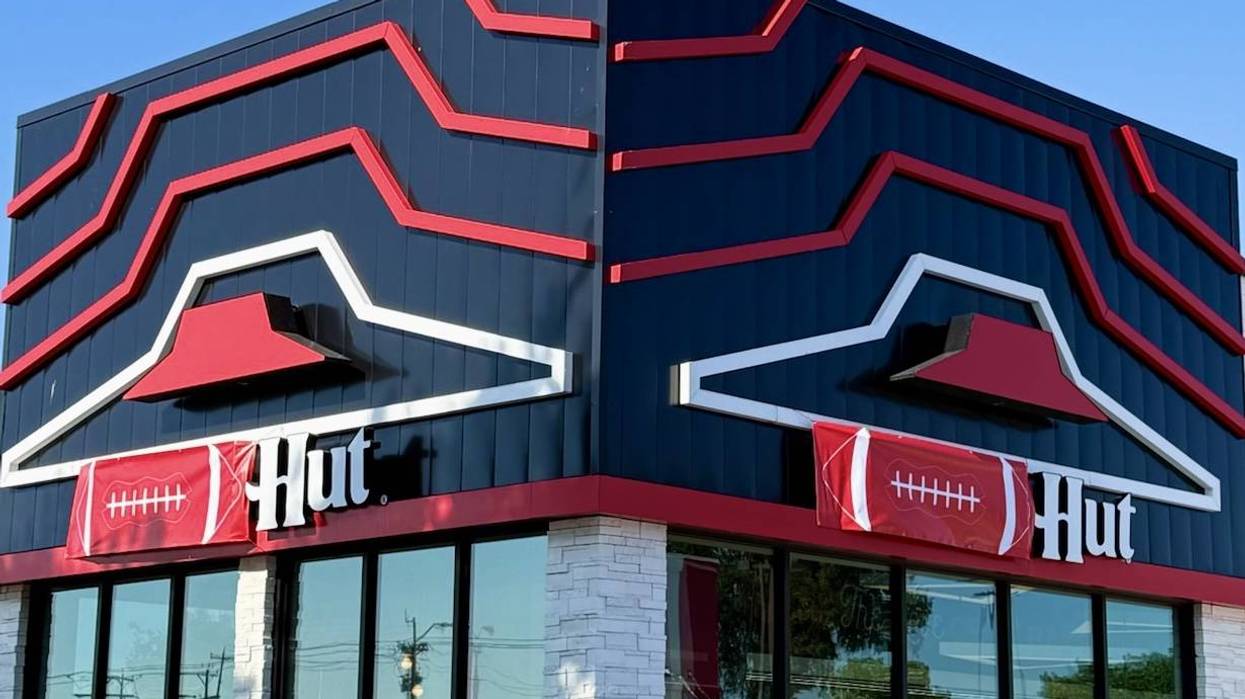
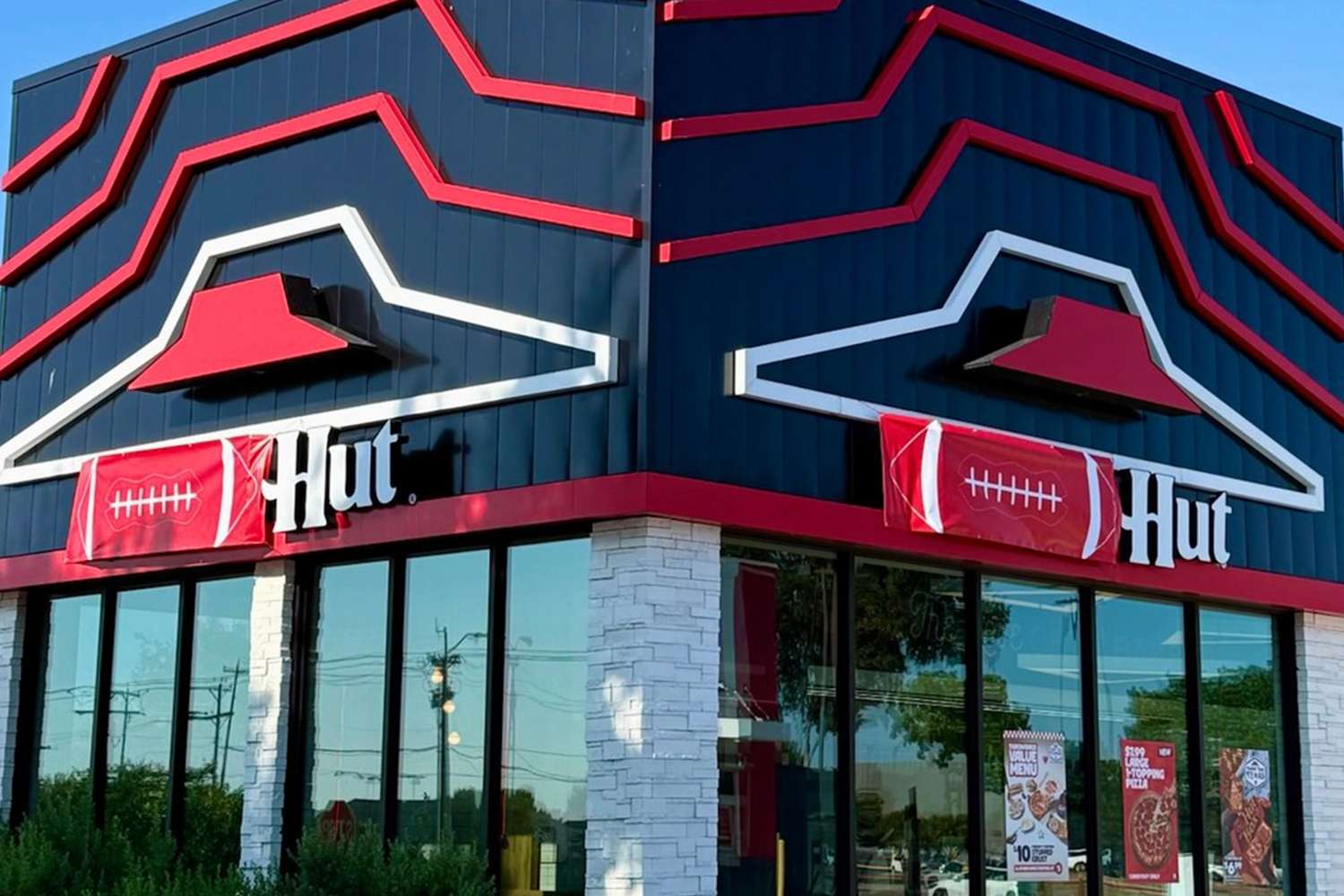
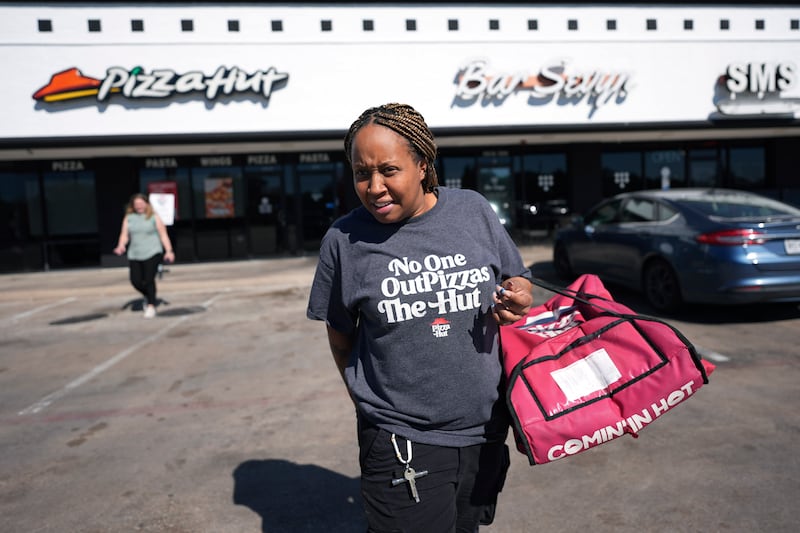
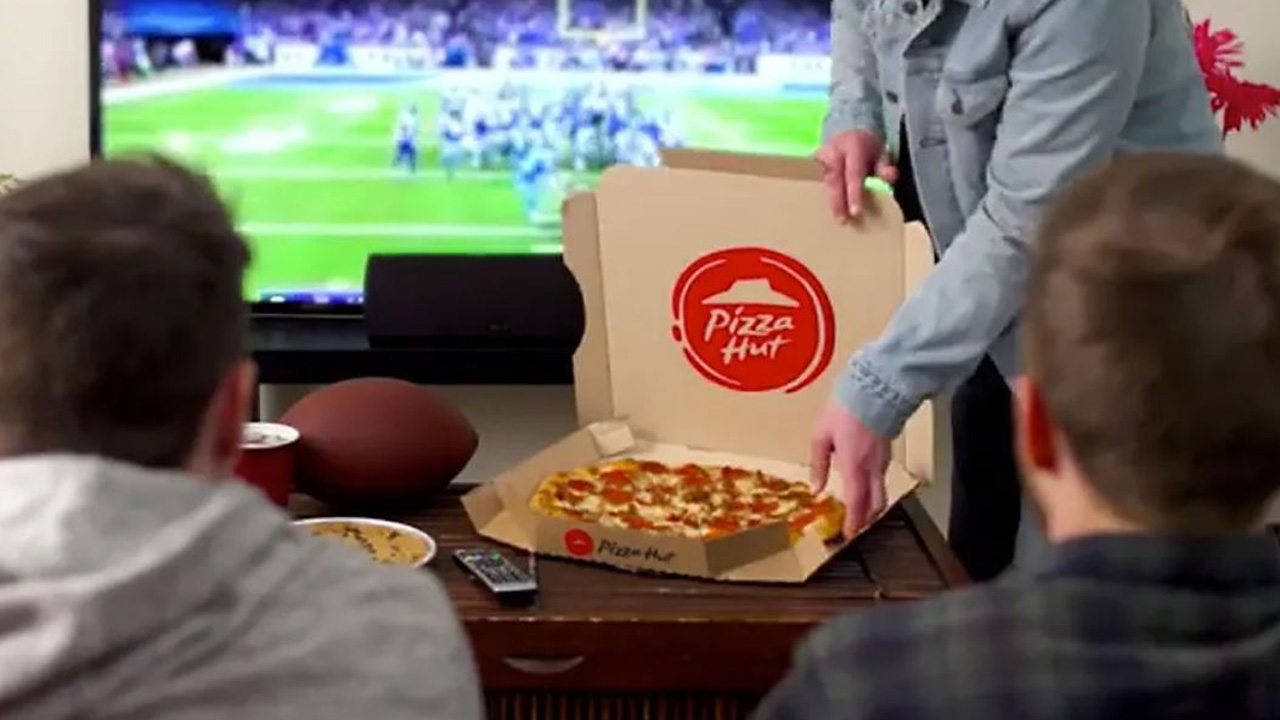
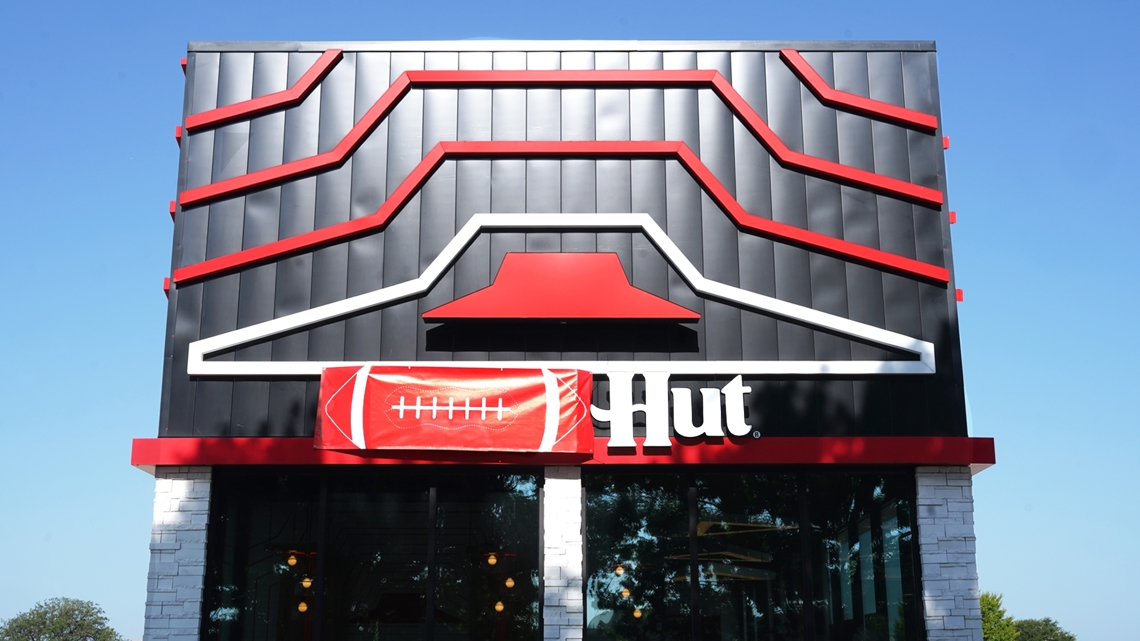
Pizza Hut's temporary rebrand from "Pizza Hut" to "HUT" during the 2024 football season represents a critical case study in event-driven marketing that directly impacts cross-border e-commerce sellers. The campaign, which emphasizes casual gathering experiences over product identity, generated 15-25% increases in social media engagement and foot traffic during promotional periods according to industry analysts. This strategic pivot targets football fans and tailgating audiences, positioning the brand as a social destination rather than a traditional QSR. For e-commerce sellers, this signals a broader trend: established brands are increasingly leveraging seasonal events and cultural moments to drive consumer engagement and spending.
The operational implications for sellers are substantial. Pizza Hut's parent company, Yum! Brands, has supported similar experimental marketing approaches across KFC and Taco Bell, indicating this is not an isolated campaign but part of a coordinated portfolio strategy. The rebrand demonstrates how traditional QSR brands adapt marketing strategies for regional markets—Pizza Hut operates in over 100 countries with varying franchise models, making localized campaigns increasingly important for competitive positioning. For sellers, this reveals three critical opportunities: (1) Sports merchandise categories (apparel, accessories, collectibles) experience 20-40% demand spikes during major sporting events; (2) Tailgating and game-day products (coolers, portable furniture, branded merchandise) see concentrated seasonal demand; (3) Social media-driven campaigns generate disproportionate engagement among younger demographics (Gen Z, millennials) who are primary e-commerce buyers.
The broader marketing ecosystem is shifting toward creator partnerships and fragmented media strategies. News 2 highlights that e.l.f. Cosmetics' pickle lip balm revival, Dos Equis' Shane Gillis moment, and Grey Goose's 20-year Honey Deuce partnership all demonstrate how brands capitalize on cultural moments and influencer collaborations. The Variable's acquisition of CarsonDoyle, a Gen Z-focused marketing agency, signals that brands are investing heavily in youth-targeted campaigns. For cross-border sellers, this means: (1) TikTok and Instagram are becoming primary conversion channels for event-driven merchandise; (2) Micro-influencer partnerships (10K-100K followers) deliver 3-5x higher engagement rates than traditional advertising at 40-60% lower CPM costs; (3) Seasonal inventory planning must align with cultural calendars—football season (August-February), holiday shopping (October-December), and major sporting events drive 35-50% of annual e-commerce revenue in sports/apparel categories.
Actionable seller insights: Sellers in sports apparel, accessories, and collectibles should immediately begin sourcing event-specific merchandise (football team gear, tailgating products, stadium-exclusive items) for August-February delivery windows. Allocate 20-30% of Q3 inventory budget to seasonal categories. Launch TikTok/Instagram campaigns 4-6 weeks before major sporting events (NFL season opener, Super Bowl, March Madness) targeting 18-35 year-old sports fans. Consider micro-influencer partnerships ($500-2,000 per post) in sports/lifestyle niches—these generate 8-12% conversion rates vs. 2-3% for traditional display ads. Monitor competitor campaigns on social platforms to identify emerging product trends early. For sellers with existing food/beverage products, consider limited-edition event-themed packaging or collaborations with sports properties to capture seasonal demand spikes.
Questions 8
What is the expected ROI for micro-influencer partnerships in sports merchandise?
Micro-influencers (10K-100K followers) in sports and lifestyle niches deliver 8-12% conversion rates compared to 2-3% for traditional display advertising, while costing 40-60% less per post ($500-2,000 vs. $2,000-5,000 for macro-influencers). The Variable's acquisition of CarsonDoyle, a Gen Z-focused marketing agency, reflects broader industry recognition that creator partnerships drive disproportionate engagement among younger demographics. For sellers, this means allocating 15-20% of marketing budgets to micro-influencer campaigns during peak seasonal windows (August-February for football, October-December for holidays) can generate 3-5x higher ROI than traditional paid advertising.
Which product categories benefit most from event-driven marketing like Pizza Hut's campaign?
Sports apparel, accessories, collectibles, and tailgating products experience 20-40% demand spikes during major sporting events. Pizza Hut's rebrand targeting football fans and tailgating audiences demonstrates how brands position themselves as social destinations during peak engagement periods. Sellers should prioritize: (1) team-specific apparel and merchandise, (2) portable/outdoor products (coolers, chairs, portable speakers), (3) limited-edition event-themed items, and (4) branded collectibles. These categories typically see 35-50% of annual e-commerce revenue concentrated in August-February (NFL season) and October-December (holidays), making seasonal inventory planning critical for maximizing profitability.