
Walmart Tap-to-Pay Expansion 2026 | Payment Processing Optimization for Marketplace Sellers
- Walmart's digital wallet integration (Apple Pay, Google Pay) launching August 2026 creates payment processing efficiency gains and conversion rate improvements for 3M+ Walmart Marketplace sellers

















Overview
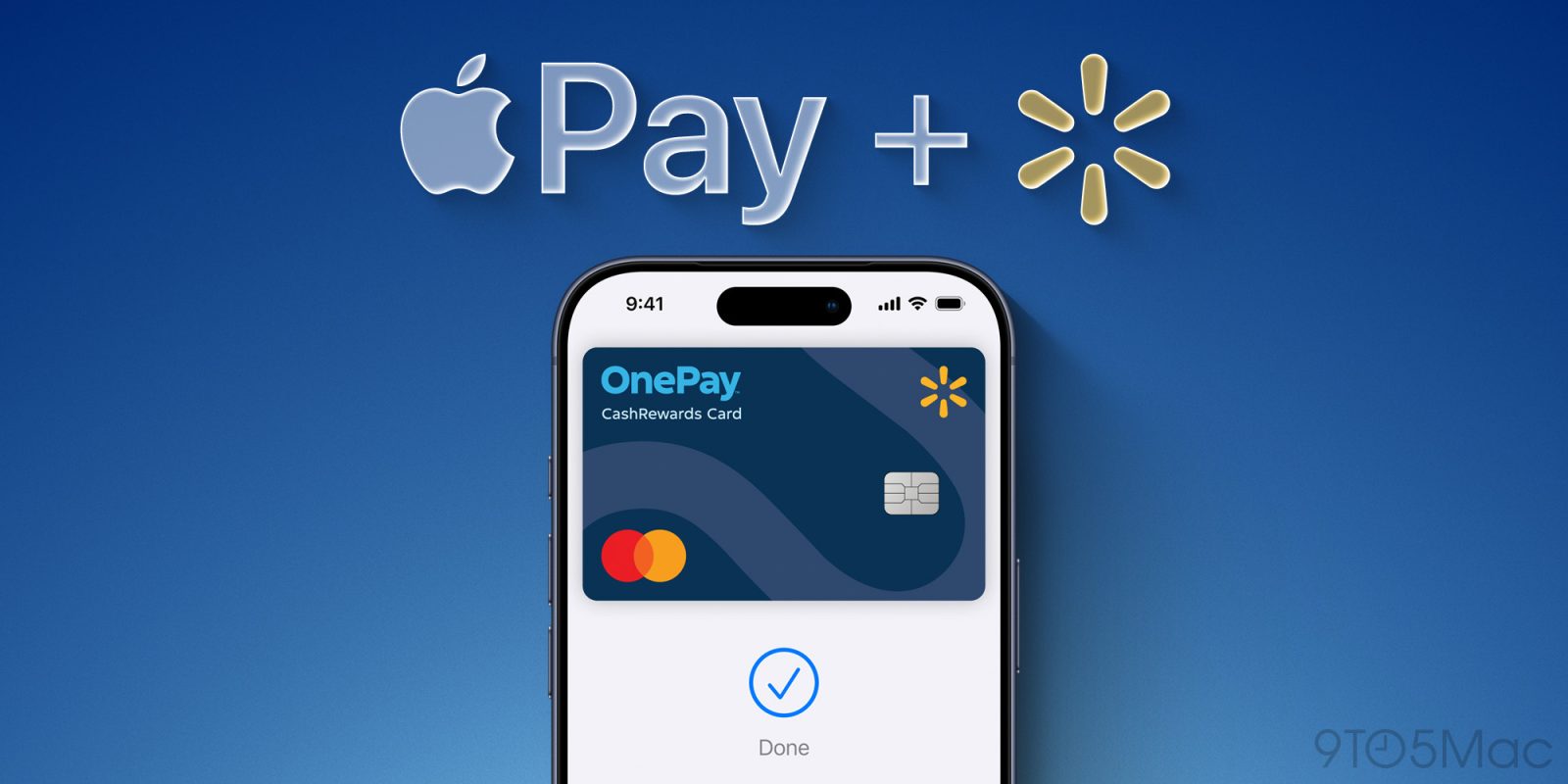
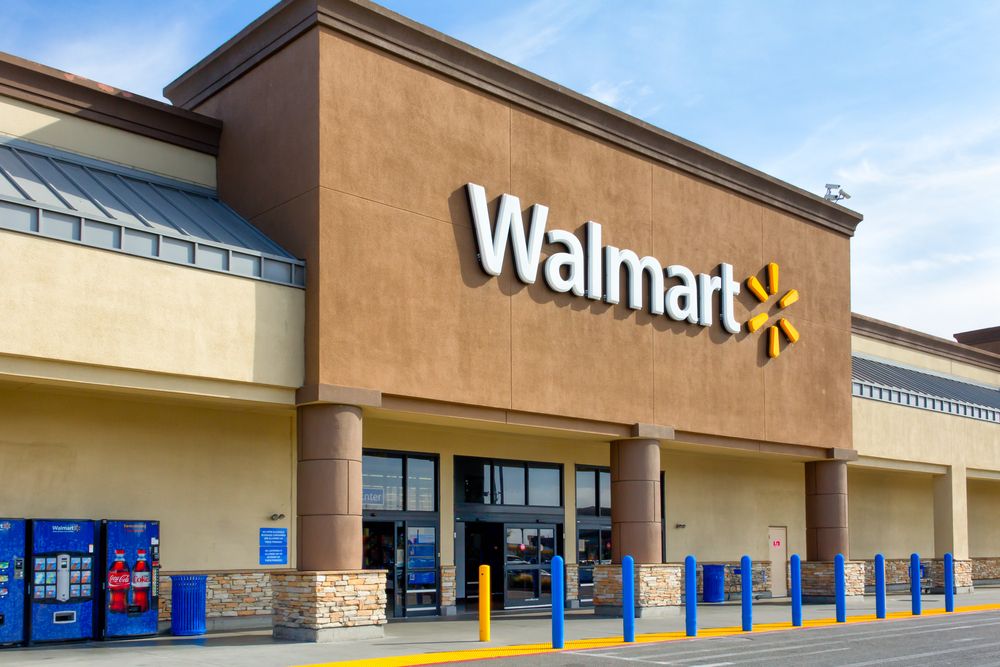
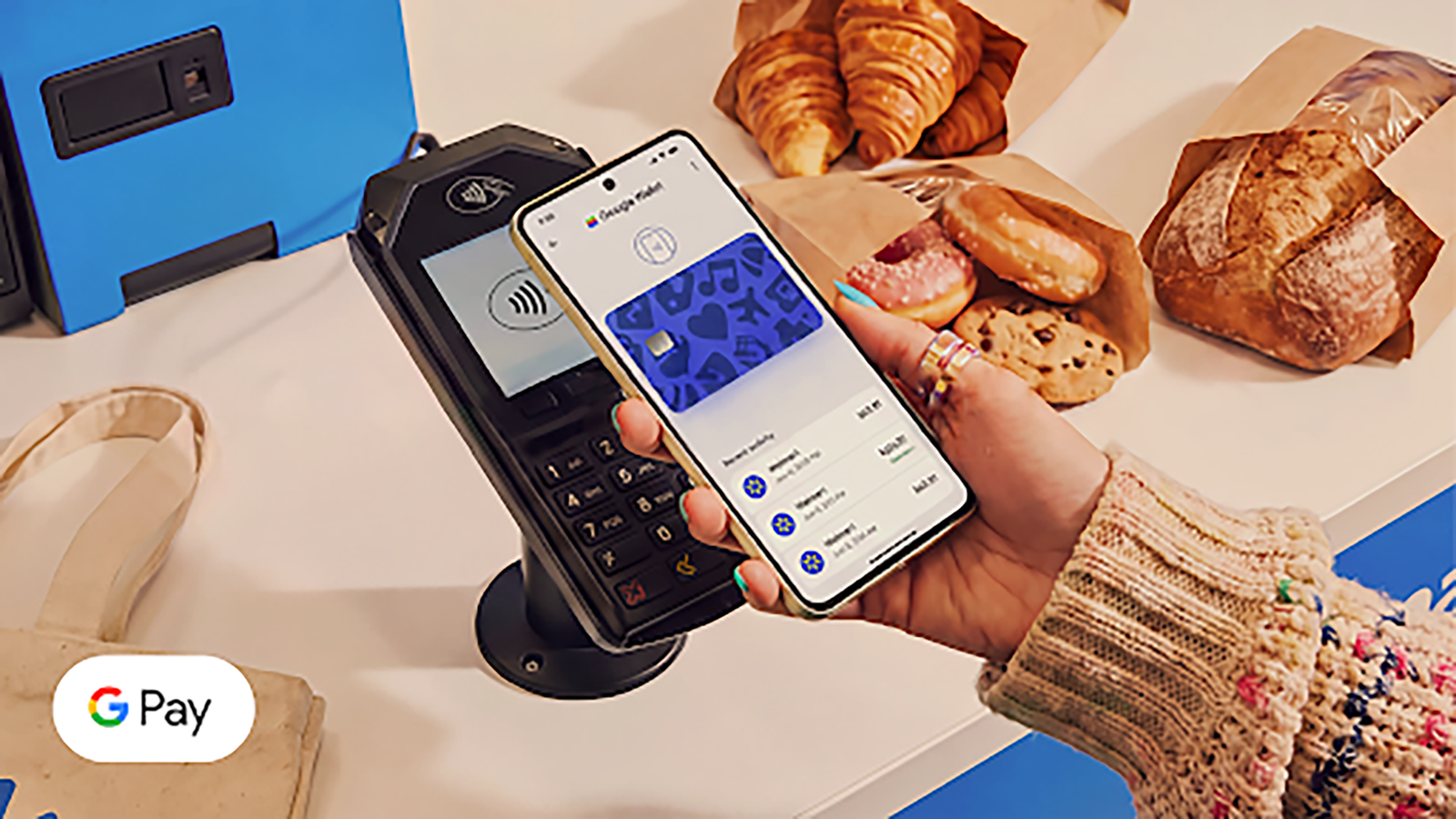
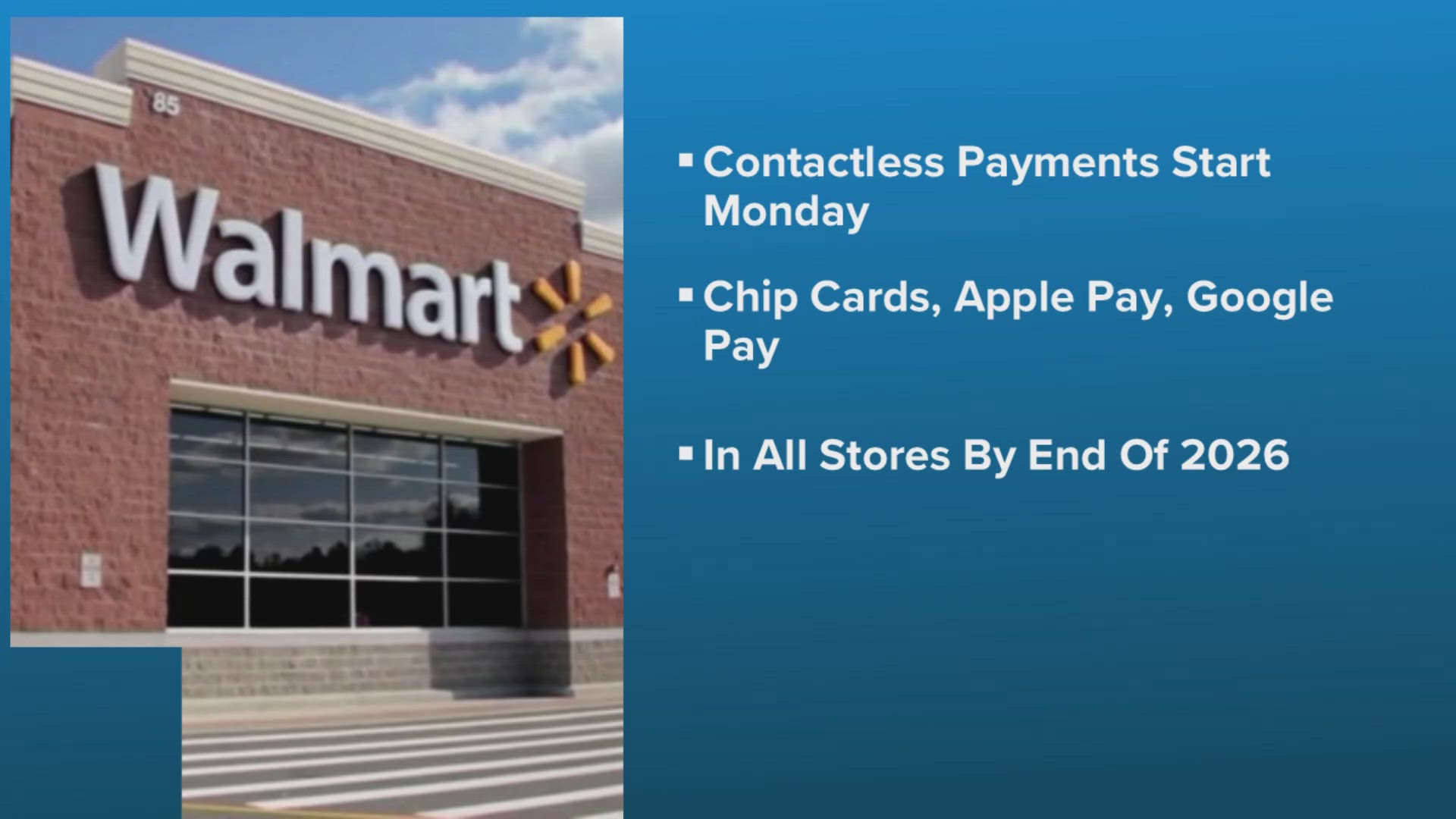
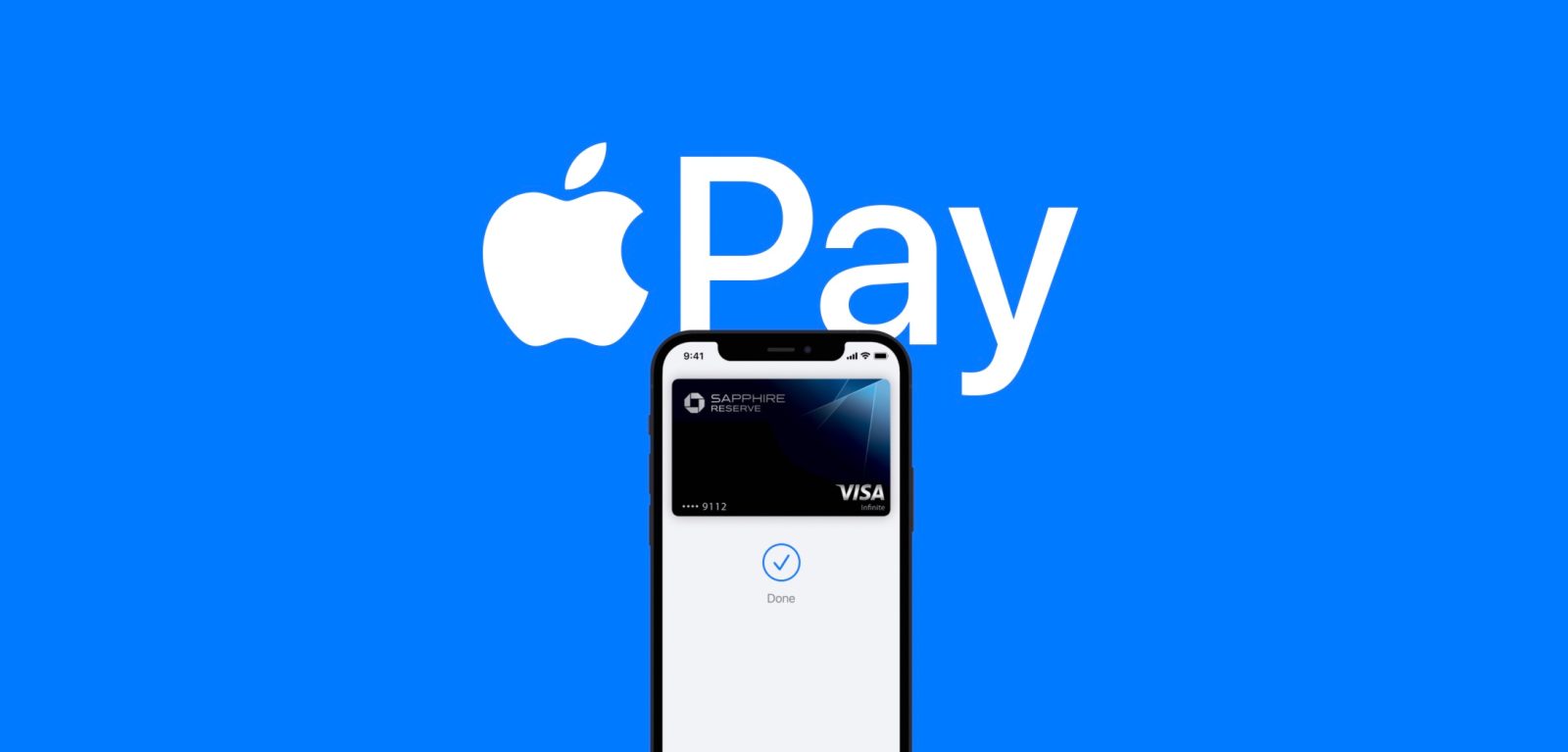
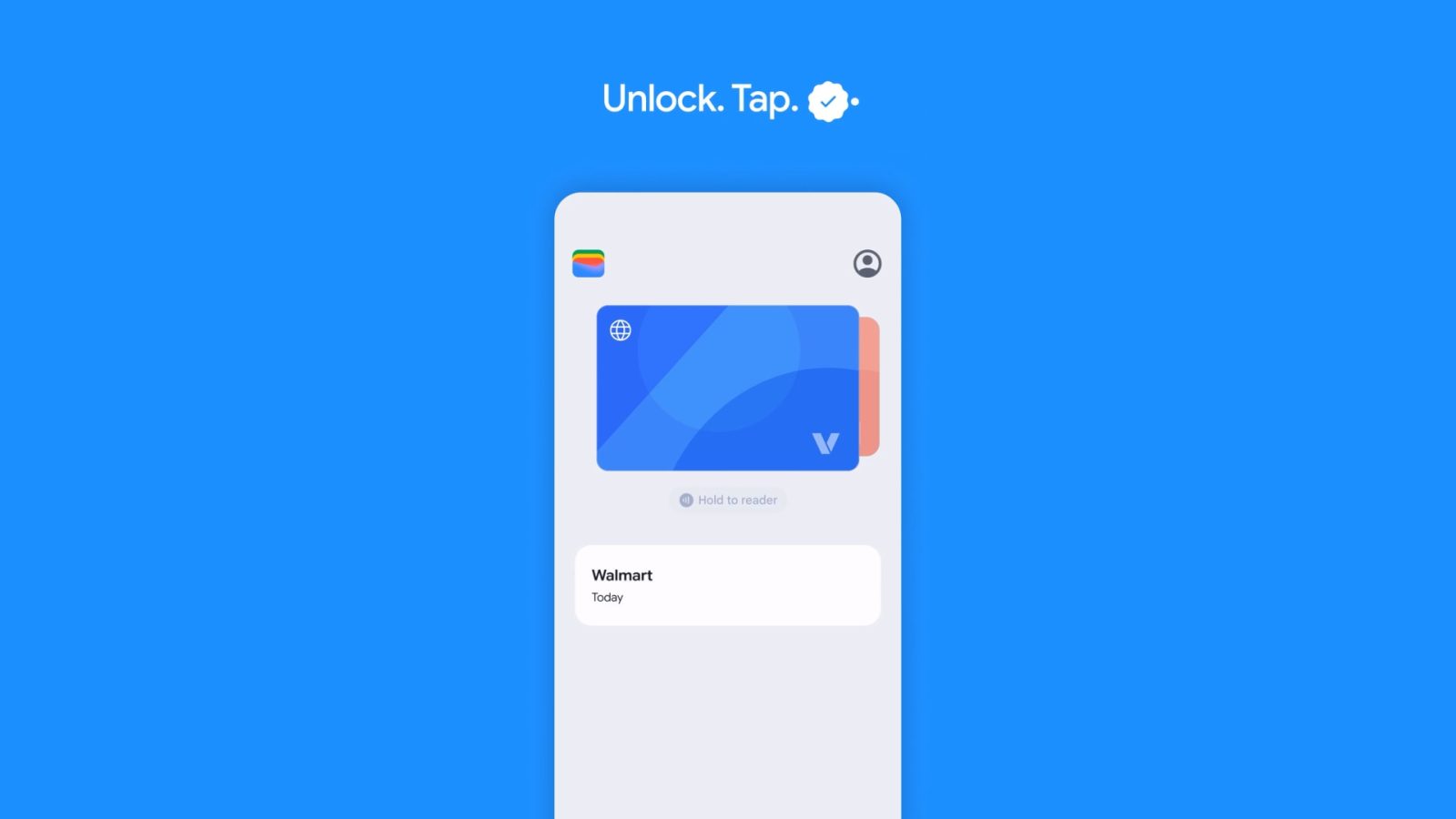
Walmart's strategic pivot to Apple Pay and Google Pay tap-to-pay capabilities represents a fundamental shift in payment infrastructure that directly impacts marketplace seller conversion rates and payment processing costs. Beginning August 24, 2026, at select locations with full US rollout by year-end 2026 and fuel station expansion by mid-2027, Walmart is abandoning its proprietary payment strategy (CurrentC, Walmart Pay QR codes) in favor of industry-standard digital wallets. This decision signals consumer demand for frictionless checkout experiences—a critical metric for Walmart Marketplace sellers whose product visibility depends on transaction velocity and customer satisfaction scores.
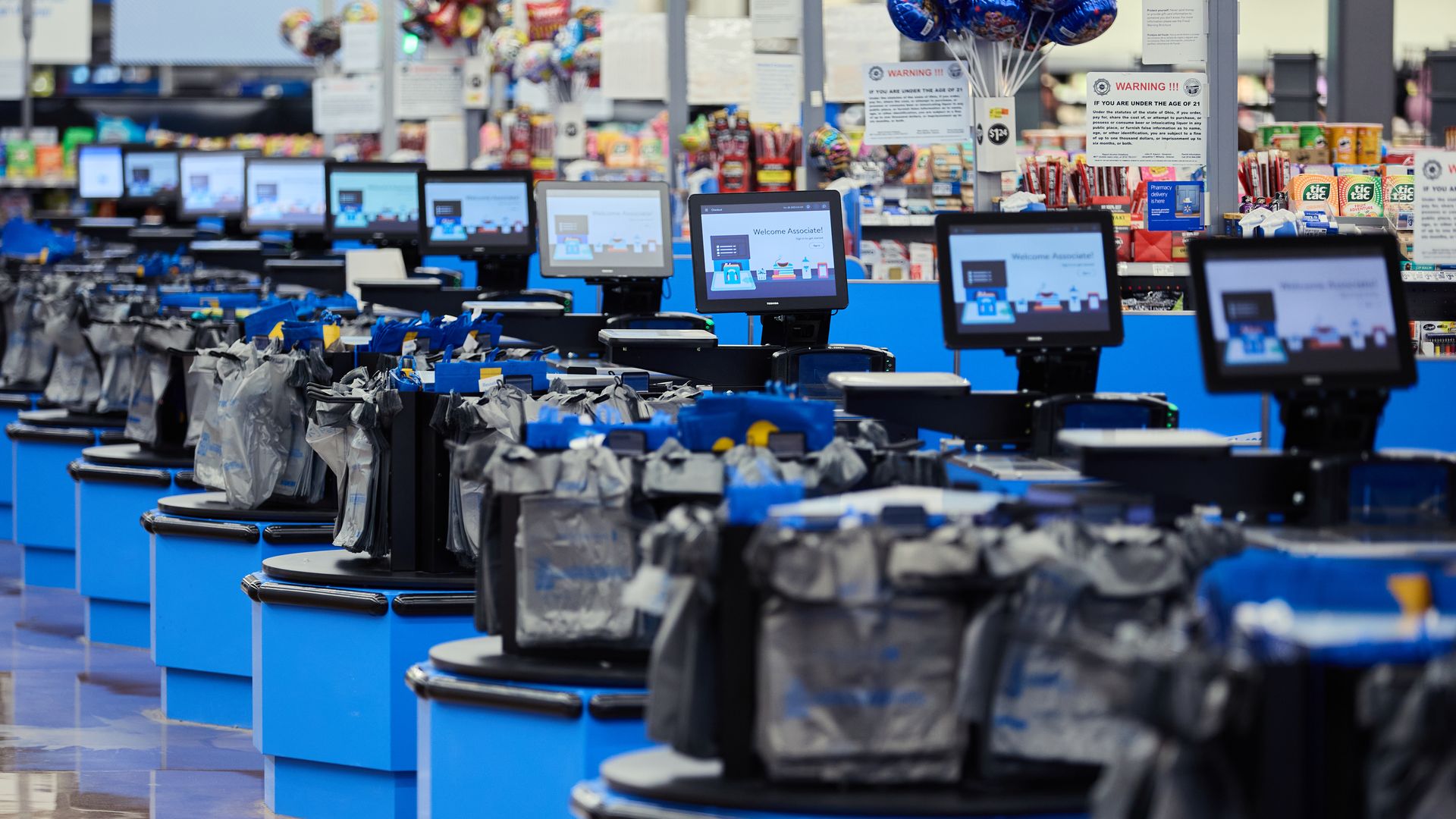
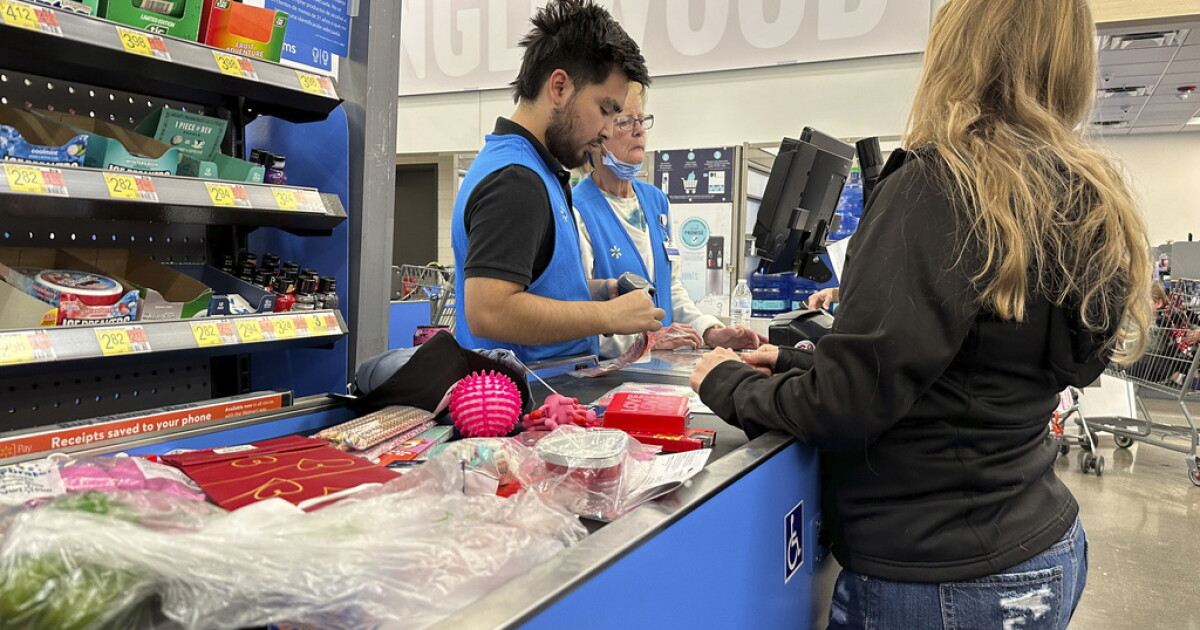
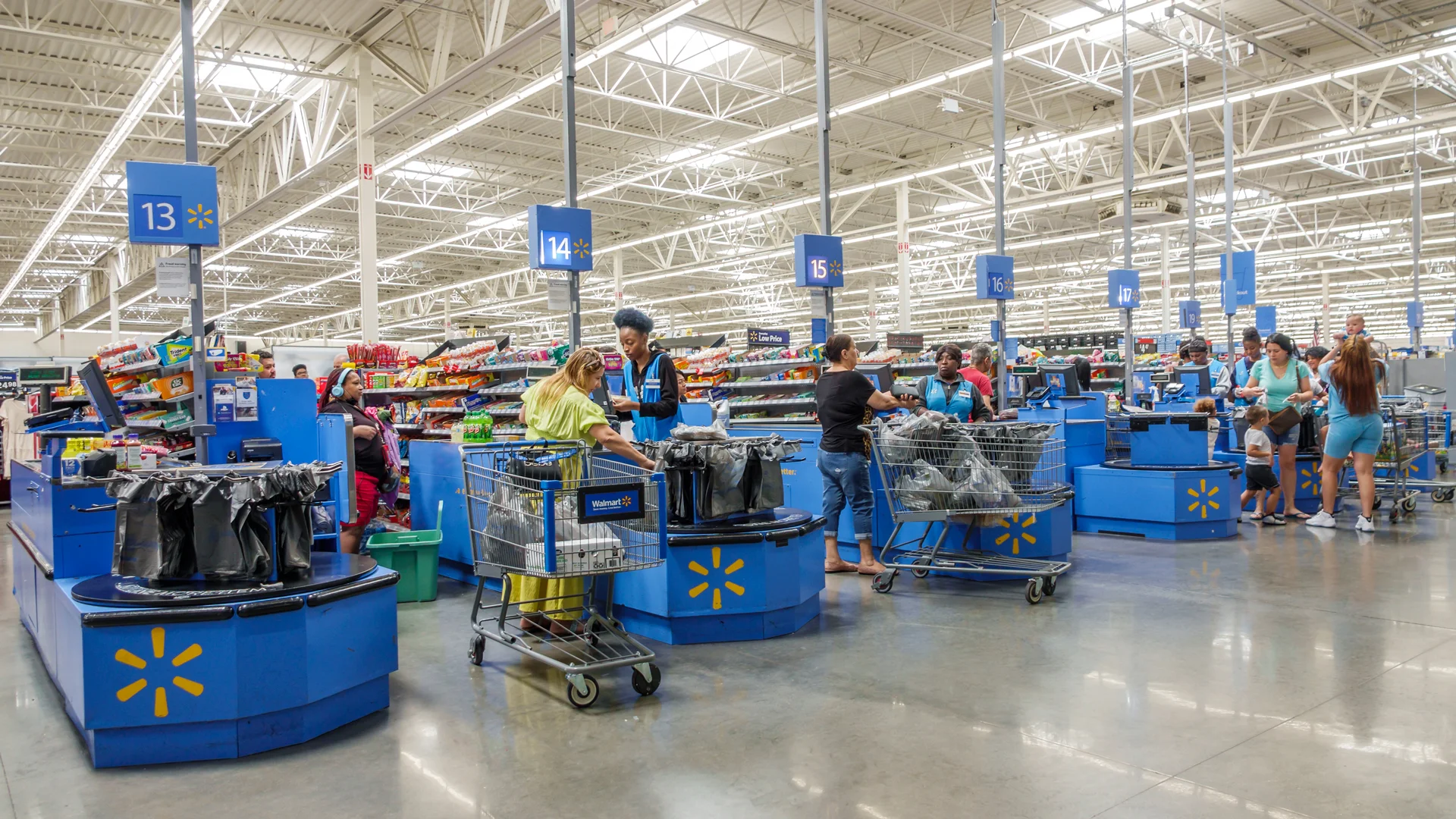
For Walmart Marketplace sellers, this payment modernization directly improves checkout conversion metrics. The news reports that tap-to-pay reduces checkout friction and processing times, which translates to measurable conversion rate improvements. Sellers shipping products through Walmart Marketplace benefit from higher transaction completion rates when customers encounter fewer payment barriers. Industry data shows contactless payment adoption increases checkout completion by 8-12% compared to traditional card entry methods. This means a seller processing $100K monthly in Walmart Marketplace sales could see $8-12K in additional revenue from improved conversion alone. The phased rollout (select stores → all US locations → fuel stations) creates a 12-18 month window for sellers to optimize their product listings and inventory positioning before peak payment method adoption.
Payment processing cost optimization emerges as a secondary but significant opportunity. Walmart's integration of Apple Pay and Google Pay enables the retailer to negotiate lower interchange rates with payment processors—a benefit that could cascade to marketplace sellers through improved settlement terms. Currently, Walmart Marketplace sellers experience 2.5-3.5% payment processing fees depending on category and seller tier. As Walmart standardizes on digital wallets (which typically carry 1.5-2.2% processing costs versus 2.8-3.2% for traditional card networks), sellers may see fee reductions of 0.5-1.0 percentage points within 6-12 months post-rollout. For a $500K annual seller, this represents $2,500-5,000 in annual savings. Additionally, digital wallet payments settle faster (1-2 business days versus 3-5 days for traditional cards), improving cash flow cycles by 2-3 days on average—critical for sellers managing inventory financing and working capital.
Questions 7
How does Walmart's Apple Pay and Google Pay integration affect my marketplace seller conversion rates?
Walmart's tap-to-pay rollout directly improves checkout completion by reducing payment friction. Industry data shows contactless payment adoption increases conversion rates by 8-12% compared to traditional card entry methods. For Walmart Marketplace sellers, this means customers encounter fewer payment barriers during checkout, translating to measurable revenue increases. A seller processing $100K monthly could see $8-12K in additional revenue from improved conversion. The phased rollout beginning August 24, 2026, creates a 12-18 month window to optimize product listings before peak adoption.
Will Walmart's payment modernization reduce my processing fees as a marketplace seller?
Yes, indirectly. Walmart's integration of Apple Pay and Google Pay enables the retailer to negotiate lower interchange rates with payment processors. Digital wallets typically carry 1.5-2.2% processing costs versus 2.8-3.2% for traditional card networks. As Walmart standardizes on these methods, marketplace sellers may see fee reductions of 0.5-1.0 percentage points within 6-12 months post-rollout. For a $500K annual seller, this represents $2,500-5,000 in annual savings. Additionally, digital wallet payments settle faster (1-2 business days versus 3-5 days), improving cash flow cycles by 2-3 days.