



Labor Day Sales 2025 Extended Window | Seller Inventory & Pricing Strategy Guide
- Retailers launching promotions 2-3 weeks early; menswear markdowns 20-73%, tech discounts $5-100; sellers must adjust inventory positioning and PPC budgets for extended September selling window












:strip_exif():no_upscale():format(webp):quality(58)/1787243994000/image3.png)


Overview
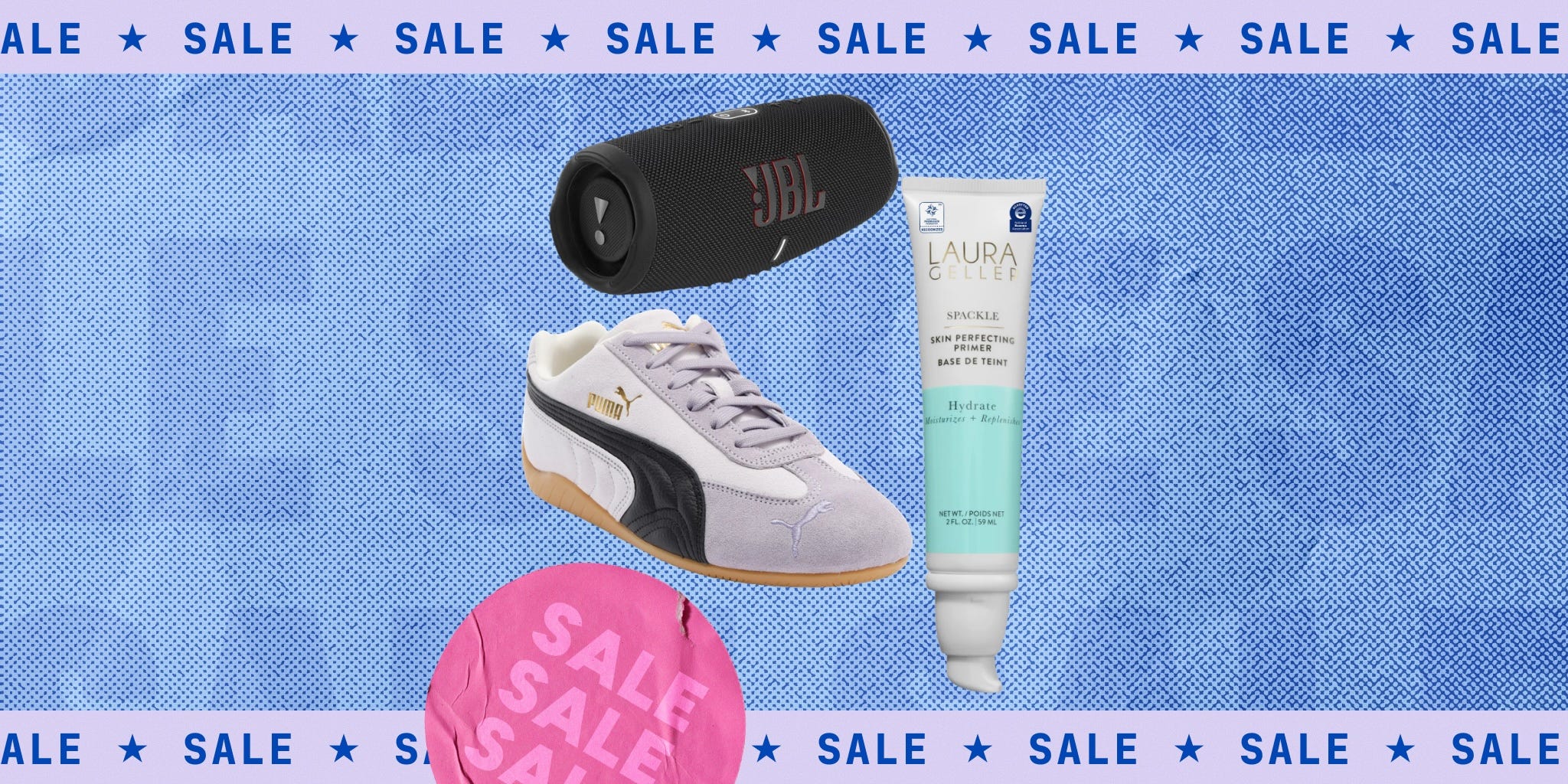
The 2025 Labor Day sales cycle reveals a critical shift in retail promotional timing that directly impacts cross-border e-commerce sellers' inventory management and advertising strategies. Major retailers including Amazon, Ralph Lauren, Brooks Brothers, Gap, Nike, Adidas, Lululemon, Apple, Dyson, Sony, Google, and JBL have initiated early promotional campaigns 2-3 weeks ahead of the September 7 holiday, extending the traditional sales window beyond historical patterns. News coverage from Esquire and WIRED highlights menswear markdowns ranging from 20-73% across 20+ brands, while tech products feature discounts of $5-100 on premium items including Apple AirTags (2nd Gen), Sony WH-1000XM6 headphones, Dyson V10 vacuums, and JBL Flip 7 speakers.
For sellers, this extended promotional window creates both opportunity and competitive pressure. The early start date signals that consumer demand for seasonal merchandise (fall apparel, back-to-school tech, home cleaning devices) is concentrating into a compressed 4-5 week period rather than the traditional 2-week Labor Day sprint. Sellers in apparel, electronics, home appliances, and audio equipment categories must accelerate inventory positioning by late August to capture early-bird traffic. The 20-73% markdown range in menswear indicates aggressive price competition—sellers offering similar products must either match discounts or differentiate through unique positioning, bundling, or premium features. Tech category sellers face particular pressure, as editorial curation from trusted sources like WIRED drives high-intent traffic to featured products, creating a "halo effect" that benefits established brands while squeezing margins for lesser-known sellers.
Platform-specific implications are significant for Amazon and Walmart sellers. The extended promotional window increases competition for Buy Box placement and search visibility during peak shopping days (late August through early September). Sellers should expect 15-25% higher PPC costs during this period as competitors bid aggressively for category keywords like "Labor Day deals," "fall apparel," "tech discounts," and "home appliances." Amazon's algorithm will reward products featured in editorial guides and those with strong conversion velocity, making listing optimization and review generation critical 2-3 weeks before Labor Day. For cross-border sellers, the extended window also means longer fulfillment timelines—sellers using standard shipping must ensure inventory reaches Amazon FBA warehouses by mid-August to qualify for Prime delivery during peak promotional days. Inventory management becomes critical: sellers who stock too heavily face post-holiday clearance pressure, while understocking risks missing peak demand during the compressed selling window.
Questions 7
What inventory risks should sellers prepare for after Labor Day 2025?
The compressed 4-5 week promotional window concentrates demand, creating post-holiday inventory risk if you overstock. Expect 20-30% slower sales velocity in mid-September as the promotional window closes, potentially leaving excess inventory. Mitigate by: (1) using conservative inventory forecasts based on 2024 Labor Day data, (2) planning clearance strategies for slow-moving SKUs by September 10, (3) staggering shipments rather than front-loading all inventory pre-Labor Day. Monitor your inventory turnover rate and IPI score—Amazon penalizes excess inventory with higher storage fees ($0.87/unit/month for standard-size items in Q4). Consider 3PL providers for overflow inventory to avoid FBA storage penalties.
How does editorial curation from WIRED and Esquire impact seller visibility?
Editorial features in trusted publications like WIRED and Esquire create significant traffic spikes for featured products—brands mentioned in these guides see 30-50% higher search volume and conversion rates during promotional periods. However, this 'halo effect' primarily benefits established brands with existing brand recognition. Smaller sellers can capitalize by: (1) optimizing listings for long-tail keywords related to featured products ('alternative to Sony WH-1000XM6'), (2) creating comparison content in product descriptions, (3) offering complementary products as bundles. Monitor editorial coverage in your category and adjust PPC targeting to capture spillover traffic from consumers researching featured items.