



AI Agent Harness Architecture Now Outweighs Model Selection | E-Commerce Automation Breakthrough
- NVIDIA's AVO framework achieves 100% performance vs 30% baseline; harness design can double operational costs and triple efficiency gains for e-commerce automation tasks

Overview
NVIDIA's groundbreaking research fundamentally reshapes how e-commerce sellers should approach AI automation investments. The company's Agentic Variation Operators (AVO) framework achieved a perfect 100% score on the ARC-AGI-3 benchmark using Claude Opus 5, compared to the model's baseline 30% performance without the harness—a 233% performance lift driven entirely by software architecture, not model capability. This finding directly challenges the prevailing assumption that upgrading to better AI models (like GPT-4 or Claude Opus) is the primary path to automation ROI. For e-commerce sellers, this means the $500-2,000/month spent on premium AI model subscriptions may deliver far less value than investing in proper harness architecture—memory management, supervisor agents, feedback loops, and tool integration—which can be implemented with existing models at a fraction of the cost.
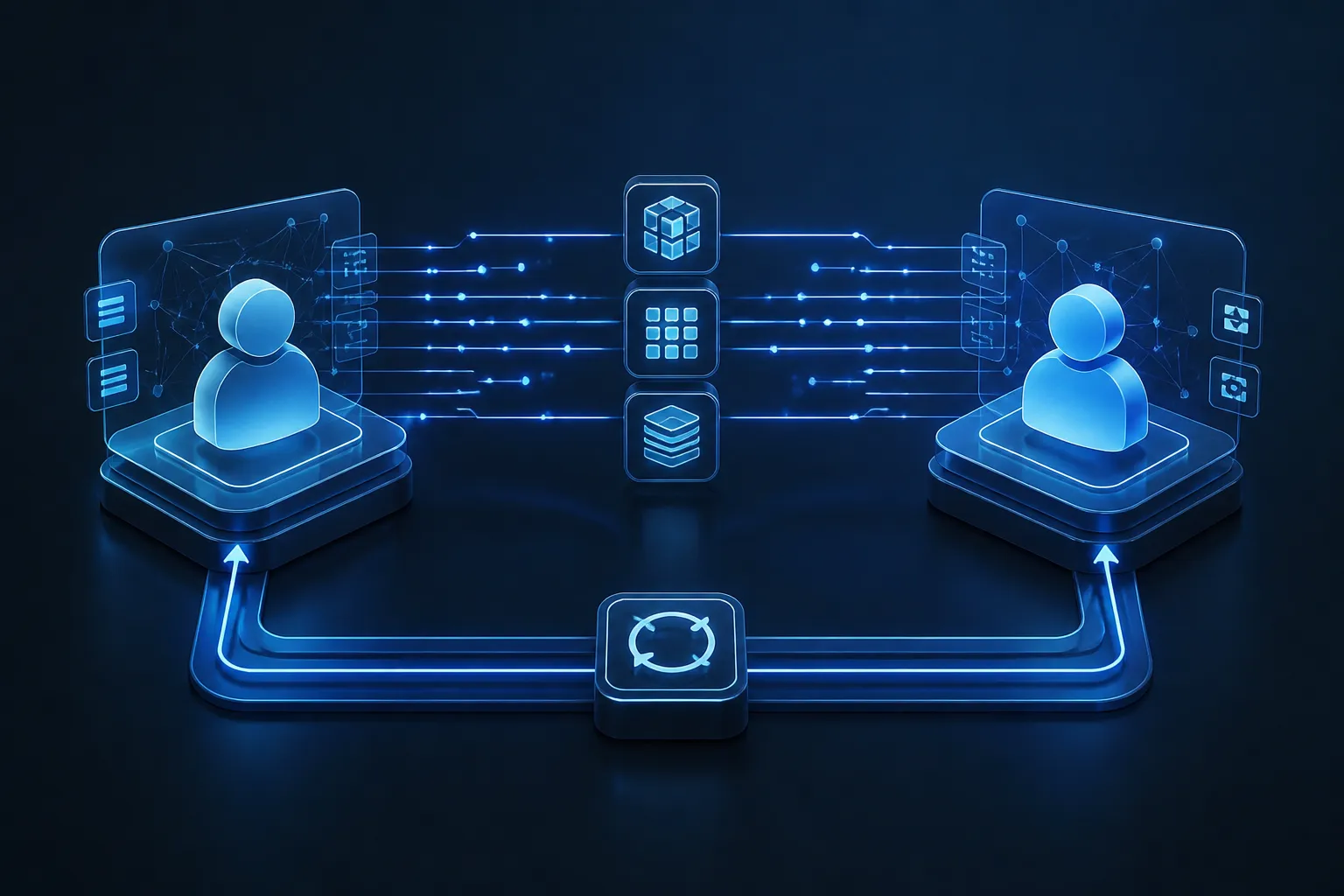
The operational cost implications are staggering. Databricks research (July 2024) revealed that harness selection can double operational costs for identical models, while OpenAI's concurrent research showed that harness adjustments alone tripled model performance on complex reasoning tasks. For sellers deploying AI agents for product research, dynamic pricing, inventory optimization, and customer service automation, this translates to a critical decision: invest in superior harness architecture rather than chasing the latest model releases. NVIDIA's AVO framework, available through its open-source NeMo brand, demonstrates that supervisor agents (acting as autonomous "CEOs" to redirect agents when they diverge from objectives) and persistent memory mechanisms enable long-horizon autonomous work—exactly what e-commerce sellers need for multi-step tasks like competitive price monitoring, inventory forecasting, and customer inquiry routing. The framework's 12% efficiency advantage over competing wrappers like VISTA (6,624 vs 7,542 actions to solve identical tasks) translates directly to reduced API costs and faster task completion.
For e-commerce automation specifically, this research unlocks three immediate opportunities. First, sellers can achieve 3-5x better performance on product research and competitive analysis by implementing proper harness architecture around existing Claude or GPT-4 models, rather than waiting for next-generation models. Second, the supervisor agent pattern directly applies to customer service automation—preventing the "critical errors" mentioned in the research (file deletion, security breaches, task divergence) that have plagued autonomous systems. Third, the open-source nature of NVIDIA's AVO framework and emphasis on "open harnesses providing greater control over accuracy and security" creates a competitive moat for sellers who adopt these patterns early, before proprietary solutions lock in pricing. The research indicates that practitioners should prioritize harness architecture and configuration alongside model selection when deploying AI agents for complex, multi-step e-commerce tasks like dynamic pricing, inventory management, and supply chain optimization.
Questions 8
How can sellers immediately implement harness architecture improvements without waiting for new tools?
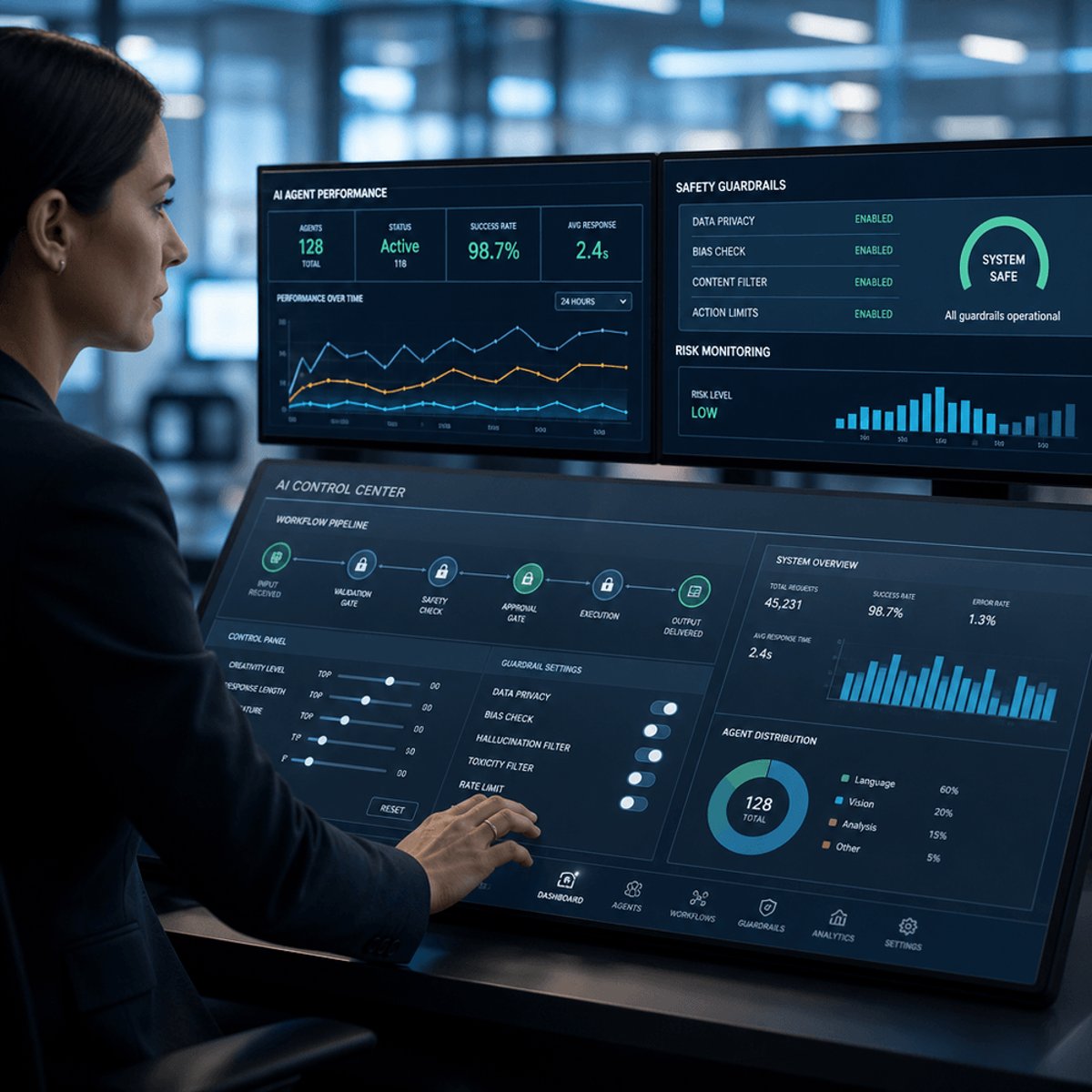
The research shows that harness improvements can be implemented with existing models today. Sellers can immediately: (1) add memory management to AI agents by implementing context preservation (storing previous decisions, market conditions, inventory states), (2) implement feedback loops where agents check their own work before executing changes, (3) add supervisor logic that requires approval for high-impact decisions (price changes >10%, inventory adjustments >100 units), (4) integrate external tools (pricing APIs, inventory systems, competitor data feeds) rather than relying on model knowledge alone. These architectural improvements cost minimal additional compute but can triple performance. Start with customer service automation or pricing analysis—lower-risk domains where errors are less costly—before expanding to inventory management.
How does NVIDIA's open-source AVO framework compare to proprietary AI solutions for sellers?
NVIDIA emphasizes that open harnesses provide greater control over accuracy and security compared to closed proprietary solutions—critical for e-commerce where data security and compliance matter. The open-source AVO framework (available through NVIDIA's NeMo brand) allows sellers to implement supervisor agents, memory optimization, and tool integration without vendor lock-in. This contrasts with proprietary solutions like Claude Code or Codex that rely on single-layer harnesses. For sellers, open-source means: (1) no recurring licensing costs beyond base model APIs, (2) ability to customize for specific e-commerce workflows, (3) transparency into how agents make decisions affecting inventory and pricing, (4) protection against sudden price increases from AI vendors.