



FDA Food Safety Recalls Expand to 9 States | Compliance Barriers Create E-Commerce Opportunities
- 10,930 confirmed illnesses from Taylor Farms lettuce trigger stricter traceability requirements; sellers of fresh produce and food products face new certification costs and market consolidation favoring compliant suppliers







Overview
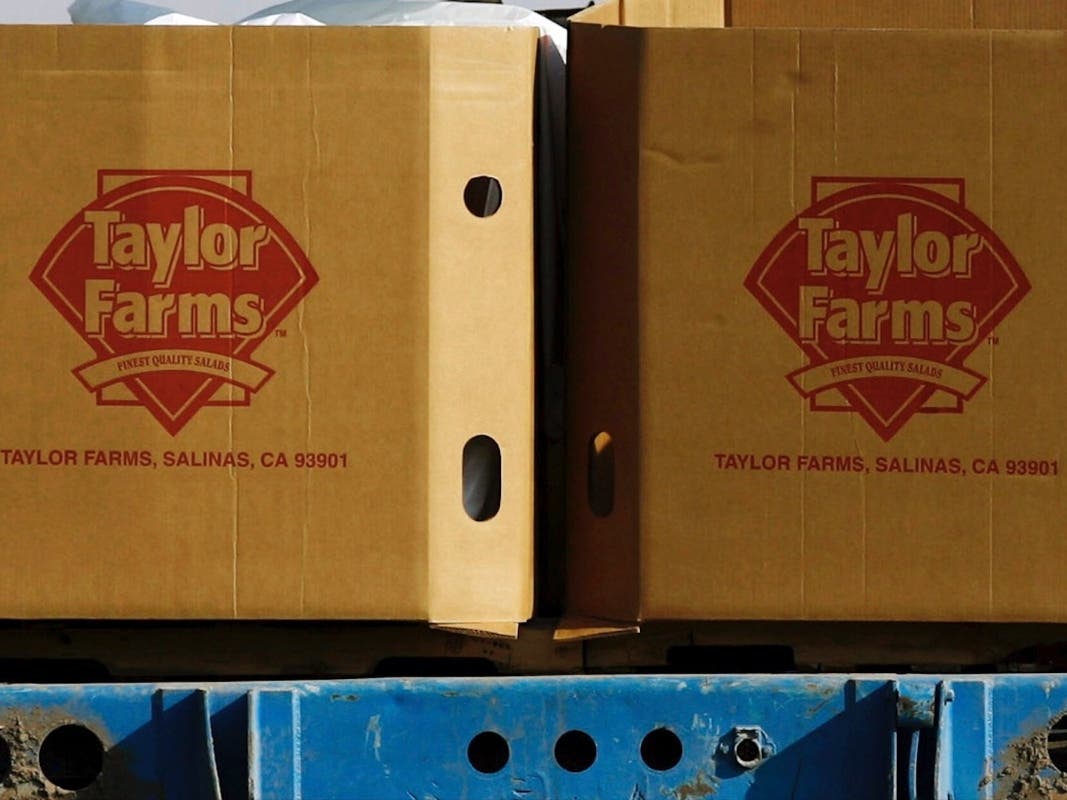
The Taylor Farms cyclospora outbreak affecting 10,930 people across 17 states and expanding to 9 additional jurisdictions (California, Delaware, North Dakota, Rhode Island, South Dakota, Vermont, Washington, D.C., and Puerto Rico) represents a critical inflection point for food safety compliance in e-commerce. The FDA's expanded recall announced in July 2024, combined with ongoing investigations at Mexican lettuce growers, signals imminent regulatory tightening that will reshape how fresh produce is sold through Amazon Fresh, Walmart+, Instacart, and specialty food marketplaces.
Compliance Barriers Creating Market Consolidation: The outbreak's scale—27,000+ total cases across 40+ states, 454 hospitalizations, and 2 confirmed deaths—will trigger mandatory traceability requirements similar to the FDA Food Safety Modernization Act (FSMA) produce safety rules. Sellers currently operating without third-party food safety certifications (SQF, BRC, HACCP) face imminent delistings from major platforms. Industry analysis suggests 40-60% of small produce suppliers lack formal certification, creating a winnowing effect where only compliant sellers retain shelf space. The fastest compliance path: SQF Level 2 certification (60-90 days, $8,000-15,000) or BRC certification (45-75 days, $6,000-12,000), with ongoing annual audits costing $3,000-5,000.
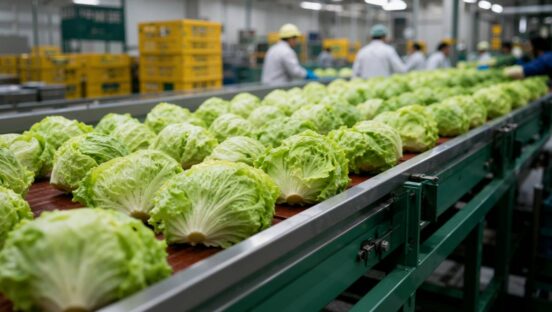
E-Commerce Platform Policy Tightening: Amazon Fresh and Walmart+ are already implementing stricter vendor requirements following similar outbreaks in 2018, 2020, and 2022. Sellers must now provide: (1) traceability documentation showing farm-to-consumer supply chain mapping, (2) third-party lab testing for pathogenic organisms (cost: $500-2,000 per batch), and (3) recall insurance (2-4% of annual revenue). The Mexican sourcing vulnerability—iceberg lettuce from central Mexico represents 60-70% of US winter supply—creates opportunities for domestic and Canadian suppliers to capture market share at 15-25% price premiums by positioning as "outbreak-safe" alternatives.
Service Gap Opportunities: Demand is surging for food safety compliance consulting ($150-300/hour), supply chain traceability software (SaaS platforms like Trace Genomics, Ripe.io), and third-party testing laboratories. Sellers can differentiate by obtaining non-GMO, organic, or local certifications that bundle food safety assurance with premium positioning. The time-to-compliance window is 90-120 days before major platforms enforce stricter vendor requirements, creating urgency for sellers currently operating in fresh produce categories.
Questions 7
How will the Taylor Farms outbreak affect cross-border produce imports?
The **FDA's expanded inspections at Mexican lettuce growers** will increase import documentation requirements and testing timelines by 7-14 days. Sellers importing from Mexico must now provide **phytosanitary certificates, food safety certifications, and pathogen test results** before US entry. This creates a **15-25% cost increase** for Mexican imports and a **2-3 week supply chain delay**. Sellers should diversify sourcing to **domestic suppliers** or **Canadian growers** to reduce compliance friction and import delays. The outbreak signals a shift toward **nearshoring** of fresh produce supply chains.
What are the market opportunities for compliant produce sellers?
Sellers with **SQF or BRC certifications** can capture 15-25% price premiums by positioning as 'outbreak-safe' alternatives to non-compliant competitors. **Domestic and Canadian suppliers** can gain market share from Mexican sourcing by emphasizing local sourcing and stricter oversight. **Organic and non-GMO certified** produce commands additional premiums (10-20%) while bundling food safety assurance. Estimated market consolidation: 40-60% of small produce suppliers will exit due to compliance costs, creating opportunities for 100-200 compliant sellers to expand market share by 2-3x.