
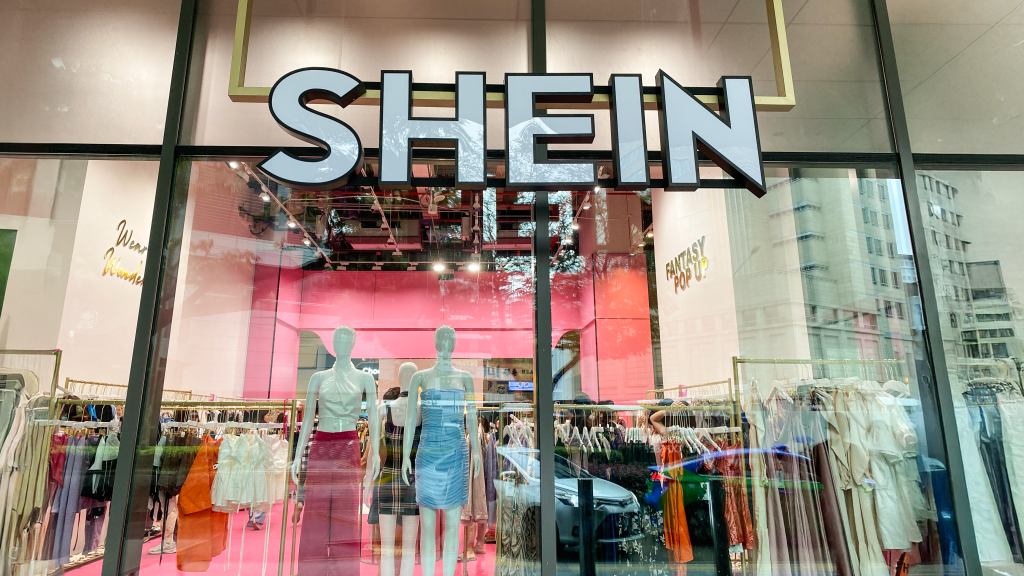
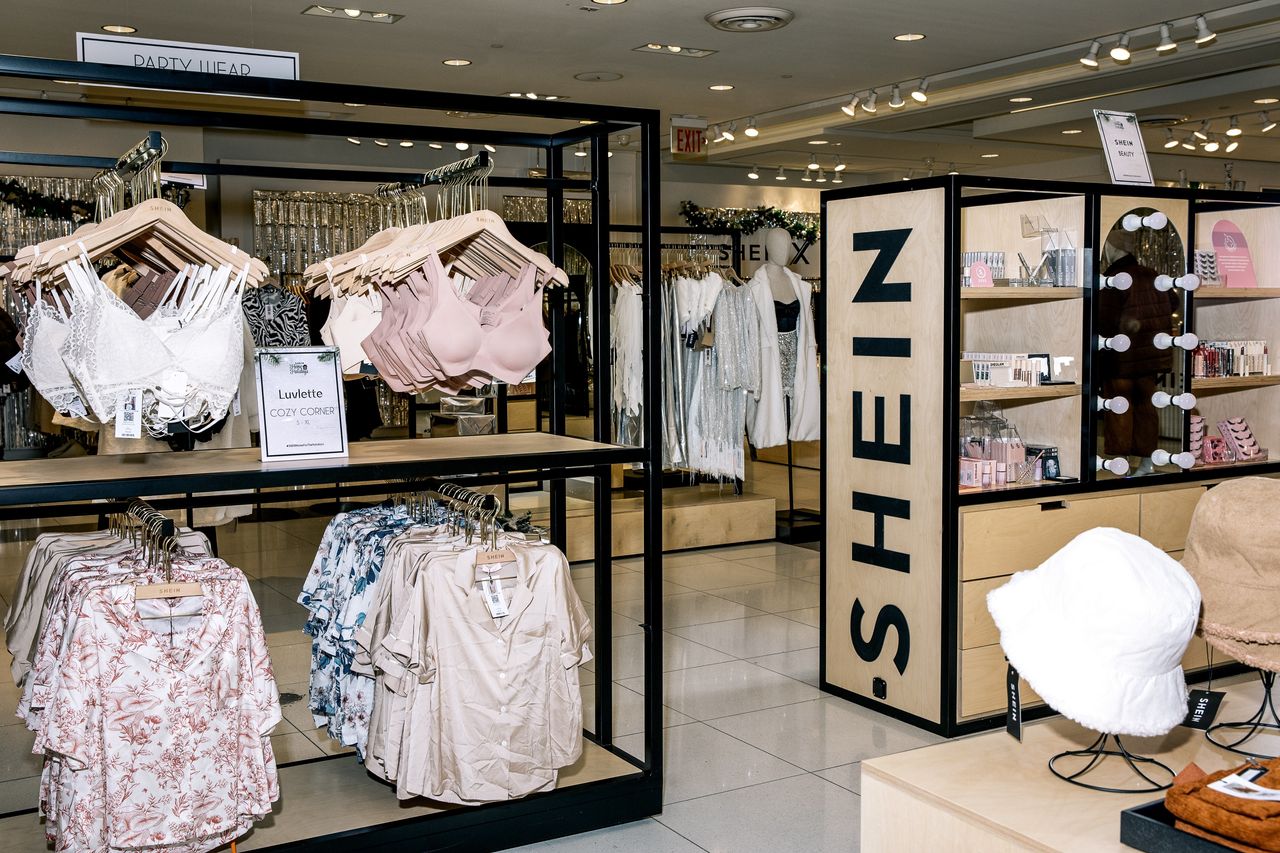


Shein's Hong Kong IPO & Regulatory Crackdown | Fast-Fashion Sellers Face New Compliance Costs & Market Consolidation
- Shein valuation plummets 70% ($100B to $30B) amid de minimis loophole closure, EU investigations, and tariff pressures; Hong Kong IPO targets September 2026 as Plan C after US/UK failures; sellers must prepare for stricter ESG compliance and supply chain transparency requirements


































Overview
Shein's delayed Hong Kong IPO and mounting regulatory pressures signal a fundamental restructuring of the fast-fashion e-commerce market, creating both competitive threats and strategic opportunities for cross-border sellers. The Chinese e-commerce giant's valuation has collapsed from $100 billion (2022) to under $30 billion currently, driven by the closure of the de minimis loophole (duty-free imports under $800 to US, €150 to EU), intensifying EU investigations into addictive design practices, and documented supply chain violations including child labor cases and 75-hour work weeks. Shein's 2025 revenues reached $41.8 billion (+8% YoY), but Q1 2026 posted a $100 million net loss and 39% net income decline to $2.1 billion—signaling that volume growth cannot offset regulatory compliance costs and tariff impacts.
The competitive landscape is consolidating rapidly, with Shein pursuing Boyu Capital and UBS as cornerstone IPO investors to stabilize its Hong Kong listing (September 2026 target). This represents Plan C after failed US (2022-2025) and London IPO attempts. Shein's core competitive advantage—rapid product turnover (4,700 new items daily vs. Asos's 5,000 weekly additions)—is being undermined by regulatory scrutiny. The company's direct-from-manufacturer model, which historically bypassed supply chain intermediaries and enabled aggressive pricing, now faces tariff headwinds and compliance costs that compress margins. Competitors like Temu (PDD Holdings) and Zara (Inditex) are positioning themselves as more compliant alternatives, capturing market share from sellers who previously relied on Shein's ultra-low pricing to compete.
For cross-border sellers, this creates three distinct market opportunities: (1) Sustainability-focused apparel and accessories are gaining traction as regulatory pressure forces fast-fashion players to adopt ESG compliance—sellers offering certified sustainable materials, transparent supply chains, and ethical labor practices can command 15-25% price premiums on Amazon, Shopify, and emerging Asia-Pacific platforms. (2) Niche differentiation in apparel categories where Shein's scale advantage diminishes—micro-trend fashion (vintage-inspired, regional styles, plus-size specialization) shows 40-60% higher margins than commodity fast-fashion. (3) Asia-Pacific market expansion ahead of Shein's Hong Kong entry (September 2026) presents a 6-12 month window to establish seller presence in Singapore, Malaysia, and Vietnam before Shein's logistics partnerships mature. Sellers should monitor Shein's Hong Kong operational strategy (payment systems, logistics partners, seller recruitment) to anticipate pricing pressure and adjust positioning accordingly.
Regulatory compliance is now a competitive moat. The EU investigation (launched February 2026) into addictive design practices and recommender system transparency will likely impose algorithmic disclosure requirements and product liability standards across all platforms. Sellers with documented supply chain audits, chemical testing certifications, and labor compliance documentation will gain Buy Box preference on Amazon and featured placement on Shopify. Conversely, sellers relying on low-cost manufacturing without ESG documentation face increasing platform scrutiny and potential delisting. The de minimis loophole closure directly impacts sellers shipping sub-$800 parcels to the US—expect 12-18% cost increases as tariffs apply to previously duty-free shipments. This shifts competitive advantage toward sellers with established 3PL networks, FBA integration, and bulk consolidation strategies that distribute tariff costs across larger shipments.
Questions 8
How does Shein's de minimis loophole closure impact cross-border apparel sellers shipping to the US?
The closure of the de minimis loophole—which previously allowed duty-free imports under $800 to the US and €150 to the EU—directly increases tariff costs for sellers shipping individual parcels. Sellers previously shipping $500-800 apparel shipments duty-free now face 15-25% tariffs, increasing landed costs by $75-200 per shipment. This shifts competitive advantage toward sellers using Amazon FBA (bulk consolidation reduces per-unit tariff impact) or 3PL providers that aggregate shipments above tariff thresholds. Sellers should recalculate pricing models by Q2 2026 and consider shifting 30-40% of inventory to FBA to distribute tariff costs across larger shipments.
Should sellers consider selling on Shein's platform as a distribution channel given its IPO and market challenges?
Shein's platform presents mixed opportunities: high traffic volume (millions of daily active users) but declining seller profitability due to aggressive commission structures and margin compression. Shein's commission rates typically range 20-35% (higher than Amazon's 15% for apparel), and the platform's focus on ultra-low pricing limits seller margins to 10-15% vs. 25-35% on Amazon/Shopify. However, sellers targeting price-sensitive demographics (Gen-Z, emerging markets) may find Shein valuable for volume growth and brand awareness. Sellers should test Shein with 5-10% of inventory (low-margin, high-volume SKUs) while maintaining primary focus on Amazon FBA and Shopify for margin optimization. Avoid exclusive Shein partnerships until the platform stabilizes post-IPO (likely Q4 2026 onwards).