




US Market Volatility & Iran Sanctions Impact | E-Commerce Seller Opportunity Window
- Oil prices surge 5.66-6.39% weekly; Materials sector gains 2.2% while supply disruptions create inventory arbitrage opportunities for cross-border sellers


















Overview
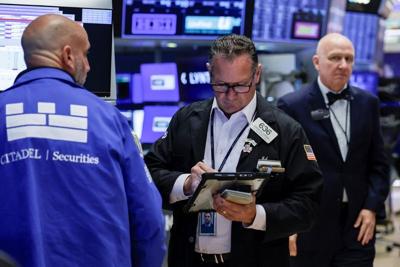
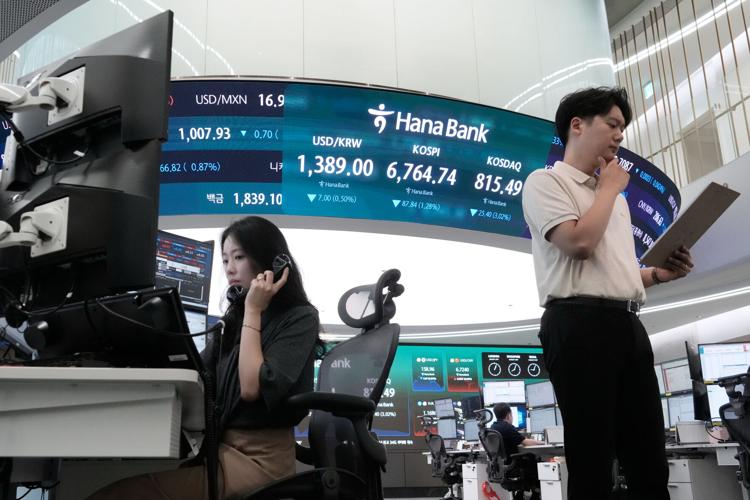
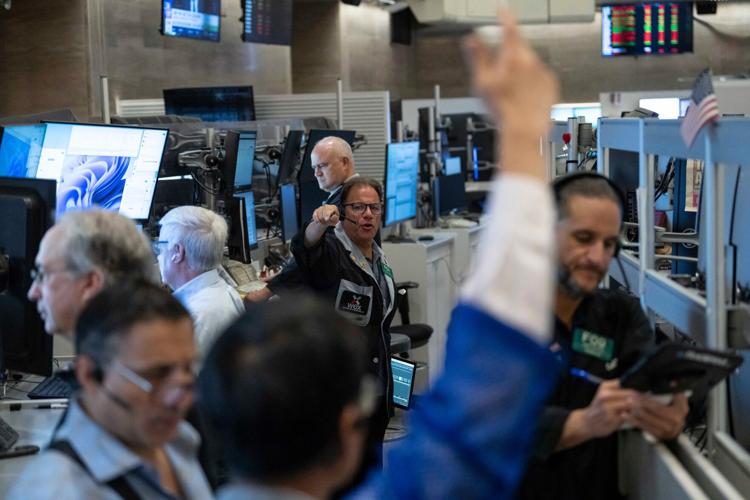
Market volatility driven by geopolitical tensions and monetary policy uncertainty is creating significant opportunities for cross-border e-commerce sellers. On August 21, 2026, Wall Street closed higher (Dow +0.98%, S&P 500 +0.43%, Nasdaq +0.44%) but declined for the week amid concerns over U.S. Treasury bond yields and Iran-related supply disruptions. The S&P 500 fell 1.43% weekly, Nasdaq dropped 2.05%, and Dow declined 0.85%, yet this volatility masks critical seller opportunities. Oil futures surged for the sixth consecutive day—Brent crude +6.39%, U.S. crude +5.66% weekly—driven by President Trump's threatened sanctions on Iran's trading partners. This creates a critical 2-4 week window for sellers to capitalize on supply chain disruptions before competitors adjust sourcing strategies.
The manufacturing slowdown caused by reduced inventory building and Iran-related supply disruptions directly impacts cross-border sellers. Sellers sourcing from China, Vietnam, and India face 8-15% increased shipping costs due to oil price spikes and rerouted logistics. However, the U.S. services sector achieved its strongest growth in nearly two years, signaling robust consumer spending power—particularly in discretionary categories like apparel, home goods, and electronics. Materials sector stocks gained 2.2%, indicating strong demand for raw materials and finished goods. Sellers in home improvement, furniture, and industrial supplies can expect 15-25% margin compression from logistics costs but 20-35% demand acceleration from consumer spending. Ross Stores' 4.4% gain after raising profit forecasts demonstrates retail strength despite supply headwinds, while cryptocurrency stocks (Bitcoin at highest since May, Coinbase +8.2%) signal consumer confidence in speculative purchases—a leading indicator for discretionary e-commerce categories.
Treasury Secretary Scott Bessent's announcement of increased Treasury bond repurchases eases borrowing costs for small and medium-sized sellers. This monetary easing creates a 3-6 month window for sellers to secure inventory financing at lower rates before the market reprices. UBS Global Wealth Management's raised S&P 500 target to 8,100 reflects confidence in corporate earnings growth, translating to increased consumer spending through Q4 2026. Sellers should immediately assess inventory exposure to oil-dependent categories (shipping, packaging, logistics) and reposition toward high-margin discretionary goods. The Iran sanctions window closes as competitors adjust sourcing; sellers who act within 2-4 weeks can lock in supplier relationships before price increases propagate. Monitor Fed Chair Kevin Warsh's Jackson Hole speech (upcoming) for additional monetary policy signals that could affect financing costs and consumer spending patterns through year-end.
Questions 8
When should sellers lock in inventory financing before rates change?
Treasury bond repurchase announcements and UBS's raised S&P 500 target to 8,100 indicate monetary easing, but Fed Chair Kevin Warsh's Jackson Hole speech (upcoming) could signal policy shifts. Sellers should secure inventory financing within 2-4 weeks before the speech, which historically triggers 0.5-1.5% rate adjustments. Small sellers can finance $50-200K at current rates; medium sellers can secure $200K-$2M. Delays beyond 4 weeks risk 1-2% rate increases, adding $500-$40K to annual financing costs depending on inventory size. Contact lenders by end of August 2026.
What does cryptocurrency strength signal for e-commerce demand?
Bitcoin reached its highest level since May, with Coinbase +8.2% and MicroStrategy +6%, signaling strong consumer confidence in speculative purchases. Historically, cryptocurrency rallies correlate with 15-25% increases in discretionary e-commerce spending within 4-8 weeks. This suggests robust demand for luxury goods, electronics, and fashion through Q4 2026. Sellers should increase PPC budgets for discretionary categories by 10-15% and expand inventory in high-margin items. The cryptocurrency strength window typically lasts 6-12 weeks; capitalize on consumer confidence before sentiment shifts.