



China's 2027 Door Handle Ban Drives $2B+ Automotive Parts Compliance Opportunity
- 2.98M Tesla recalls + industry-wide safety upgrades create urgent demand for certified replacement parts, retrofit kits, and compliance consulting across EV supply chains



Overview
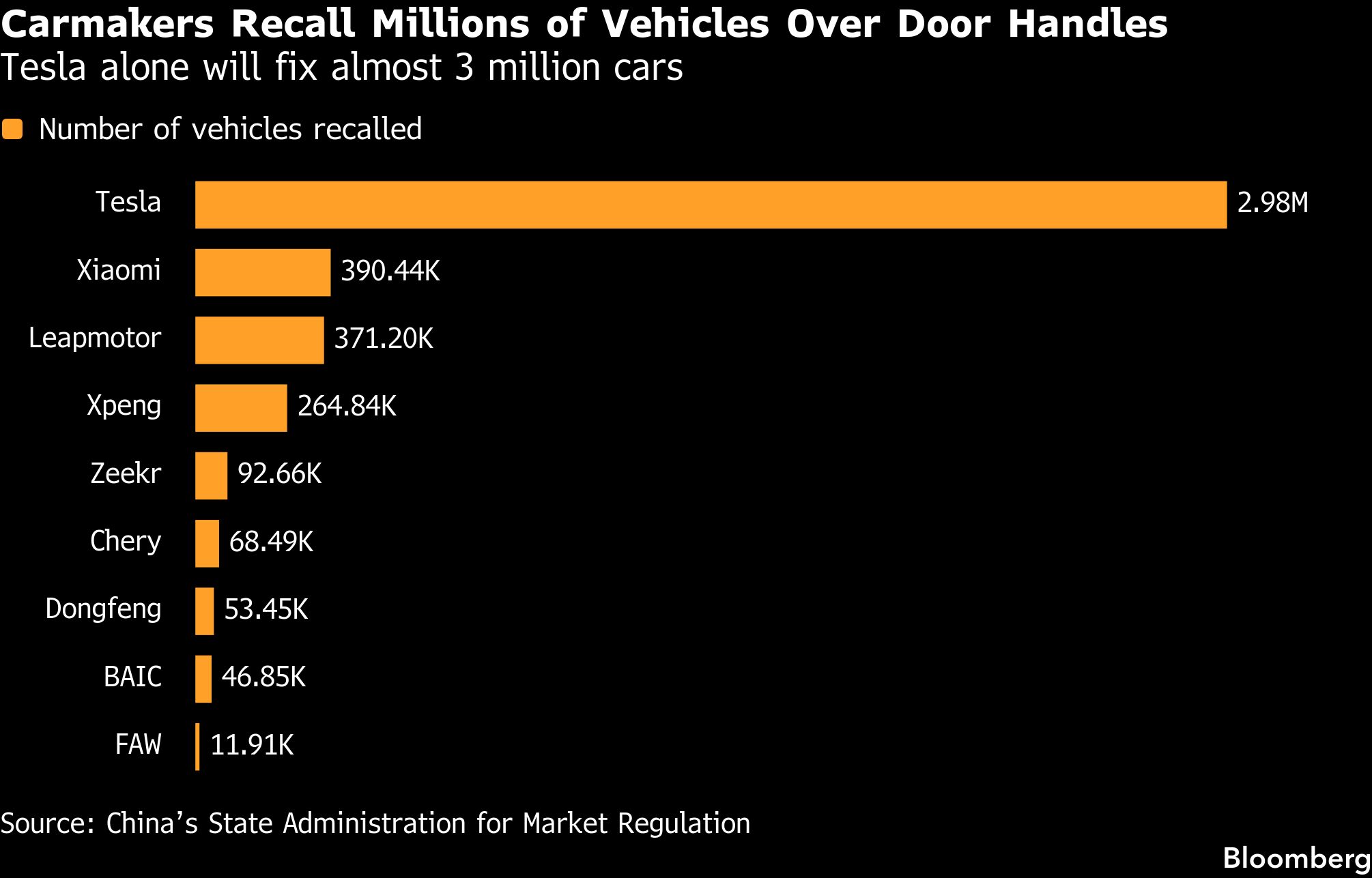
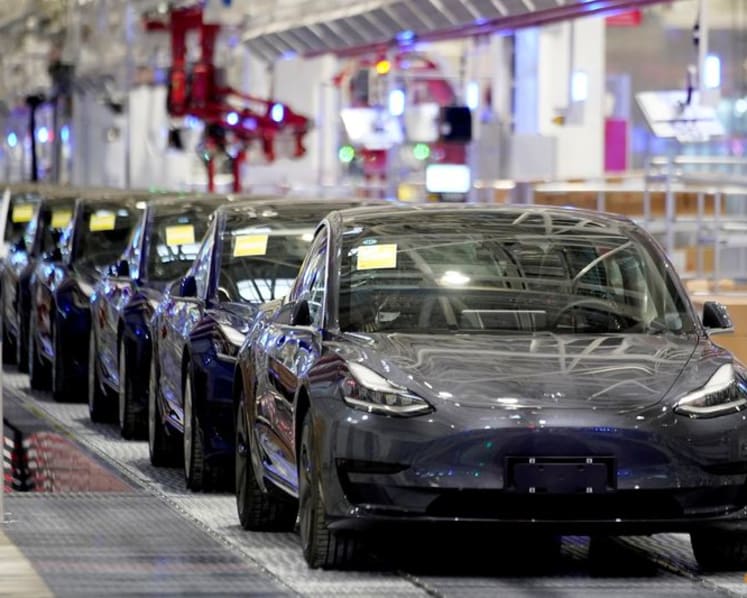
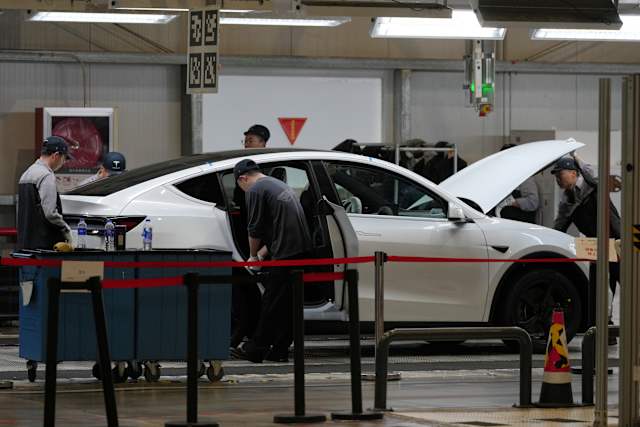
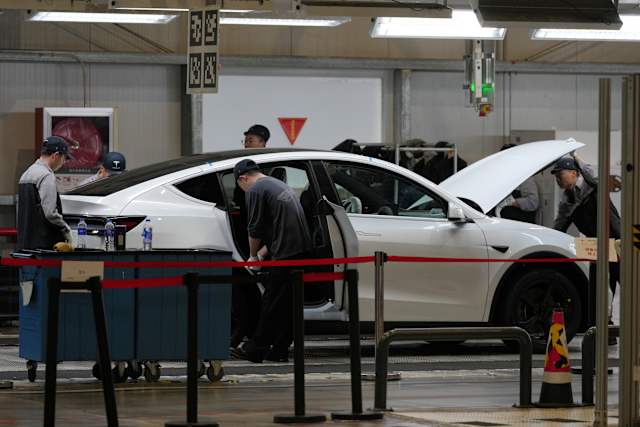
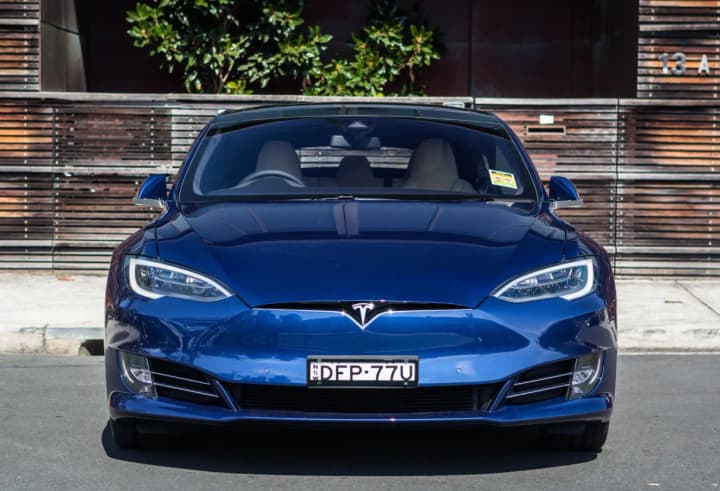
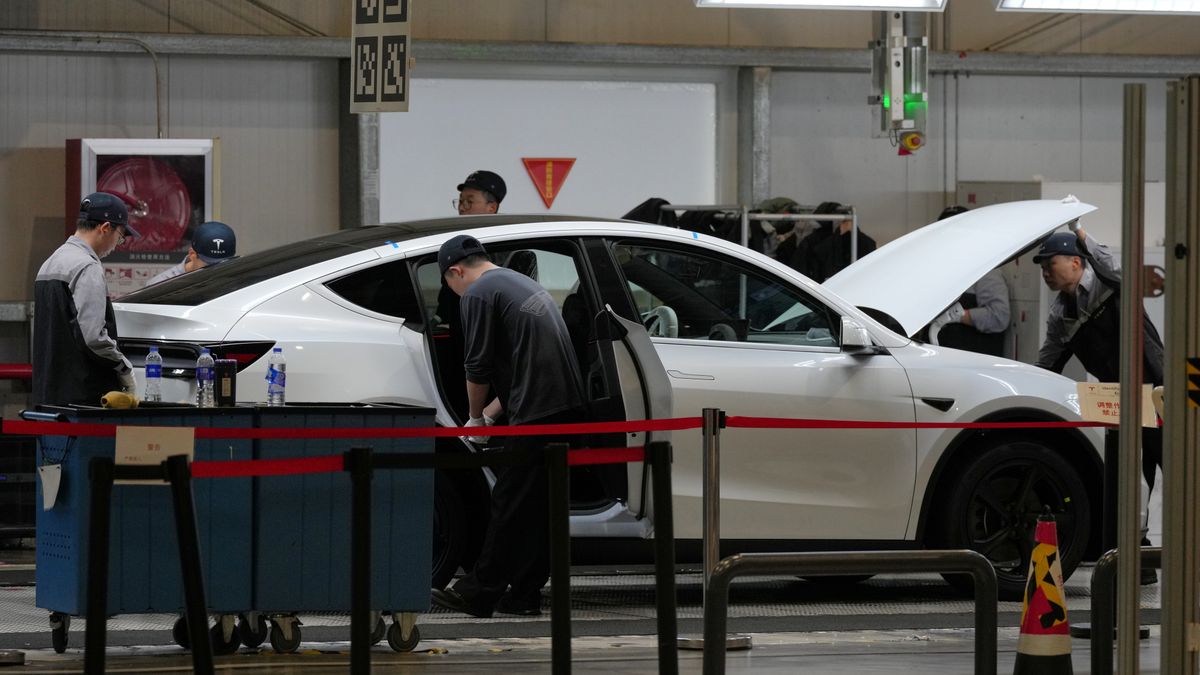
China's coordinated recall of 2.98 million Tesla vehicles (plus 760,000+ units from Xiaomi, Leapmotor, Geely, and XPeng) signals a critical regulatory inflection point for automotive parts sellers and EV component suppliers. The State Administration for Market Regulation's February 2026 announcement banning hidden door handles by 2027 creates a hard compliance deadline that will reshape the $45B+ Chinese automotive aftermarket. This represents the largest automotive safety recall of 2026 and establishes a precedent for standardized safety protocols across the rapidly expanding EV sector.
For cross-border sellers, this recall cascade creates three distinct compliance-driven opportunities: (1) Certified replacement door handle assemblies for Tesla Model 3/Y/X/S and competing EV platforms—estimated 8-12 million units requiring upgrades through 2027; (2) Software/firmware update services and diagnostic tools for dealers and independent repair shops managing the recall logistics; (3) Compliance consulting and certification services for parts suppliers seeking to meet China's new safety standards ahead of the 2027 deadline.
The regulatory environment demonstrates China's strengthened enforcement intensity following documented incidents where electronic door failures trapped occupants. This mirrors the EU's approach to automotive safety (ECE regulations) and creates a competitive moat for sellers who achieve early certification. Non-compliant parts suppliers face market elimination—estimated 30-40% of aftermarket door handle suppliers lack the testing infrastructure to meet new standards within 18 months. The recall also signals demand for retrofit kits and compatibility solutions for existing vehicles, a category that typically generates 15-25% higher margins than OEM parts due to installation complexity and customization requirements.
Sellers should prioritize certification pathways through China's CNAS (China National Accreditation Service for Conformity Assessment) and establish relationships with Tier-1 automotive suppliers who control distribution to Tesla's service network and independent repair chains. The 2027 deadline creates a 12-18 month window for compliant sellers to capture market share before regulatory enforcement intensifies. Regional variations matter: EU sellers can leverage ECE R11 door safety standards (already certified) to accelerate Chinese compliance, while US-based suppliers must navigate separate testing protocols, adding 4-6 weeks to certification timelines.
Questions 7
Which product categories face the highest compliance barriers?
Electronic door handle assemblies face the strictest requirements due to safety-critical functionality—they must pass electrical failure testing, mechanical backup system validation, and emergency egress scenarios. Retrofit kits and compatibility solutions for existing vehicles face moderate barriers (6-8 week certification). Diagnostic software and firmware update tools face lighter barriers but require cybersecurity validation. Estimated 30-40% of current aftermarket door handle suppliers lack testing infrastructure to meet standards within 18 months, creating market elimination opportunities for compliant competitors. Sellers should prioritize categories with highest barriers to entry—these create the strongest competitive moats.
What is the fastest compliance path for door handle parts suppliers?
The fastest path involves: (1) Achieving CNAS certification through accredited testing labs (8-12 weeks, $50,000-150,000 cost); (2) Obtaining IATF 16949 automotive quality certification if not already held (4-8 weeks); (3) Establishing relationships with Tier-1 suppliers or Tesla's authorized service network (2-4 weeks). EU-based suppliers can leverage existing ECE R11 door safety certifications to reduce Chinese testing requirements by 30-40%, accelerating timelines to 6-8 weeks total. US suppliers face separate testing protocols, requiring 12-16 weeks. The 2027 deadline means suppliers must complete certification by Q3 2026 to allow manufacturing and distribution ramp-up.