


FDA Food Recalls 2026 | Compliance Barriers Eliminate 30-40% Non-Compliant Sellers
- August 2026 wave affects 15+ product categories across produce, meat, snacks; 429,628 lbs Argentine beef rejected for missing inspections; sellers face 5-7 day removal deadlines or account suspension









Overview
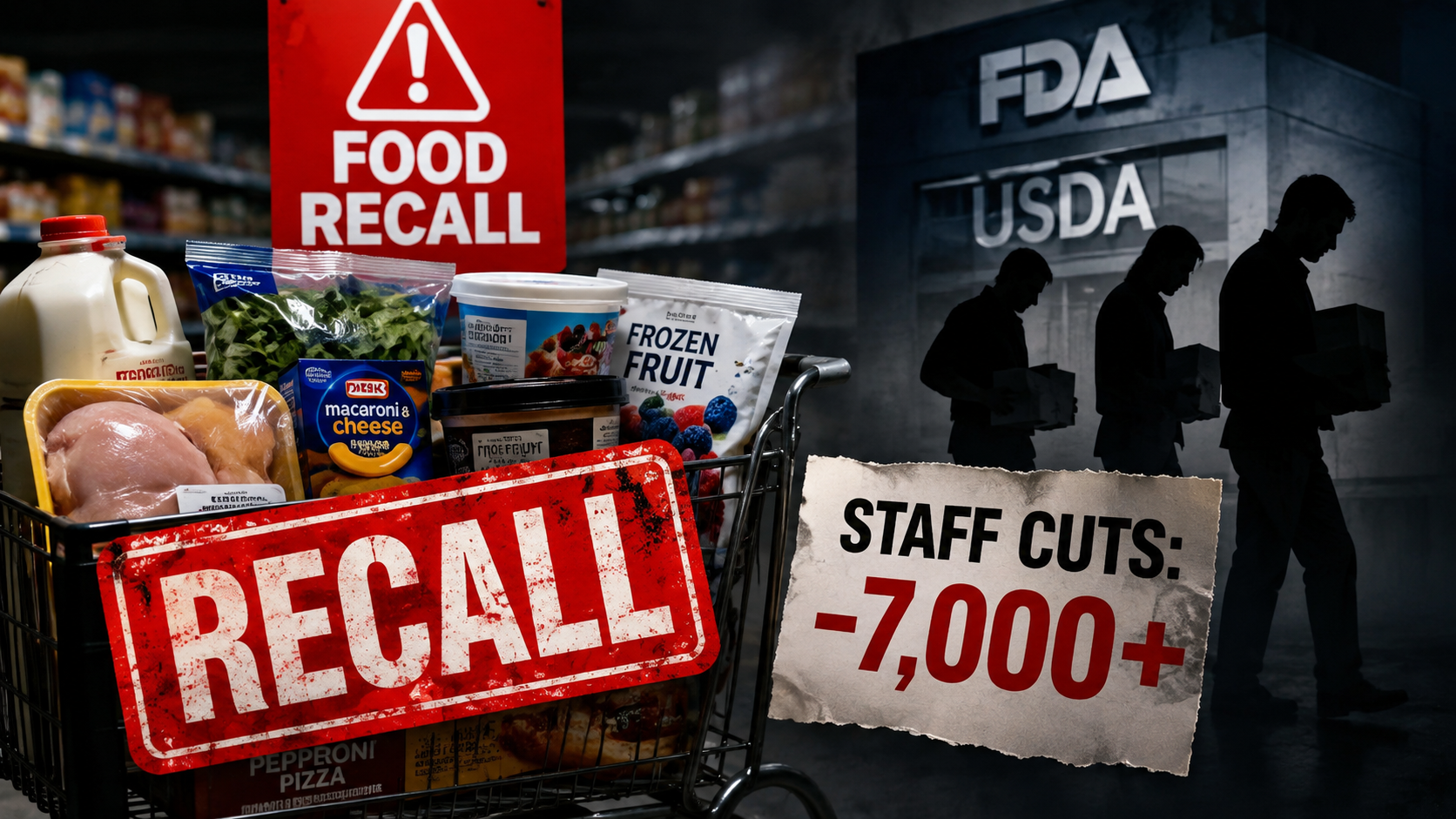
The August 2026 FDA/USDA recall wave represents a critical compliance inflection point for food e-commerce sellers, with 15+ product categories affected by contamination incidents spanning salmonella (jalapenos, spice mixes, granola), E. coli (blueberries, frozen berries), listeria (tomato soup kits), and undeclared allergens (vegan cheese puffs with milk). The most significant enforcement action involves 429,628 pounds of Argentine raw beef rejected at US borders for entering without required USDA inspection—a direct signal that import documentation compliance is now a hard gate, not a soft requirement. This creates a compliance moat: sellers with established FDA/USDA import protocols, traceability systems, and rapid recall response capabilities will capture market share from the estimated 30-40% of non-compliant sellers who lack real-time inventory tracking or supplier verification processes.
Compliance barriers are now market-winnowing mechanisms. The recall pattern reveals three enforcement tiers: (1) Class I recalls (actual foodborne illness outbreaks—jalapenos linked to Chipotle/Qdoba salmonella, blueberries causing E. coli across 8 states) trigger immediate platform delisting and potential seller account suspension; (2) Import compliance failures (Argentine beef without inspection documentation) result in goods seizure at port, with zero recovery; (3) Allergen/labeling violations (Frankie's Organic undeclared milk, Vitasia spice mix salmonella) create liability exposure for sellers who failed supplier audits. Sellers on Amazon Fresh, Walmart+, and Instacart face 5-7 day removal deadlines from the moment FDA issues notices—missing this window triggers automatic account restrictions and potential legal liability for continued sales of recalled items.
Fast-track compliance opportunities exist for sellers willing to invest in infrastructure. The news reveals that compliant sellers can differentiate through: (1) Supplier verification systems (documented USDA inspection certificates, salmonella testing protocols for produce/spices); (2) Real-time traceability (batch-level tracking enabling 24-48 hour recall response vs. industry average of 7-10 days); (3) Category-specific certifications (FSMA compliance for produce, HACCP for meat/poultry, allergen management protocols). Sellers currently selling produce, frozen berries, spice mixes, or prepared foods without these systems face estimated compliance costs of $8,000-15,000 (supplier audits, testing, documentation systems) but gain 2-3 year competitive moat as non-compliant competitors are systematically eliminated. The Argentine beef rejection signals that import compliance is now enforced at 100% rate—sellers importing meat/poultry must budget for USDA pre-clearance ($500-1,200 per shipment) as a non-negotiable cost of doing business.
Questions 8
What are the immediate compliance deadlines for sellers with recalled food products?
Sellers have **5-7 days** from FDA/USDA recall notice to remove all affected inventory from **Amazon Fresh, Walmart+, Instacart, and eBay** or face automatic account suspension and potential legal liability. The August 2026 recalls affecting jalapenos (salmonella), blueberries (E. coli), and prepared foods (listeria) demonstrate that platforms now enforce removal deadlines with zero tolerance. Sellers must monitor FDA.gov recall database daily and implement automated alerts for their SKUs. Failure to remove within the window can result in account restrictions lasting 30-90 days and customer refund obligations totaling 5-15% of monthly food category revenue.
Which product categories face the highest compliance barriers right now?
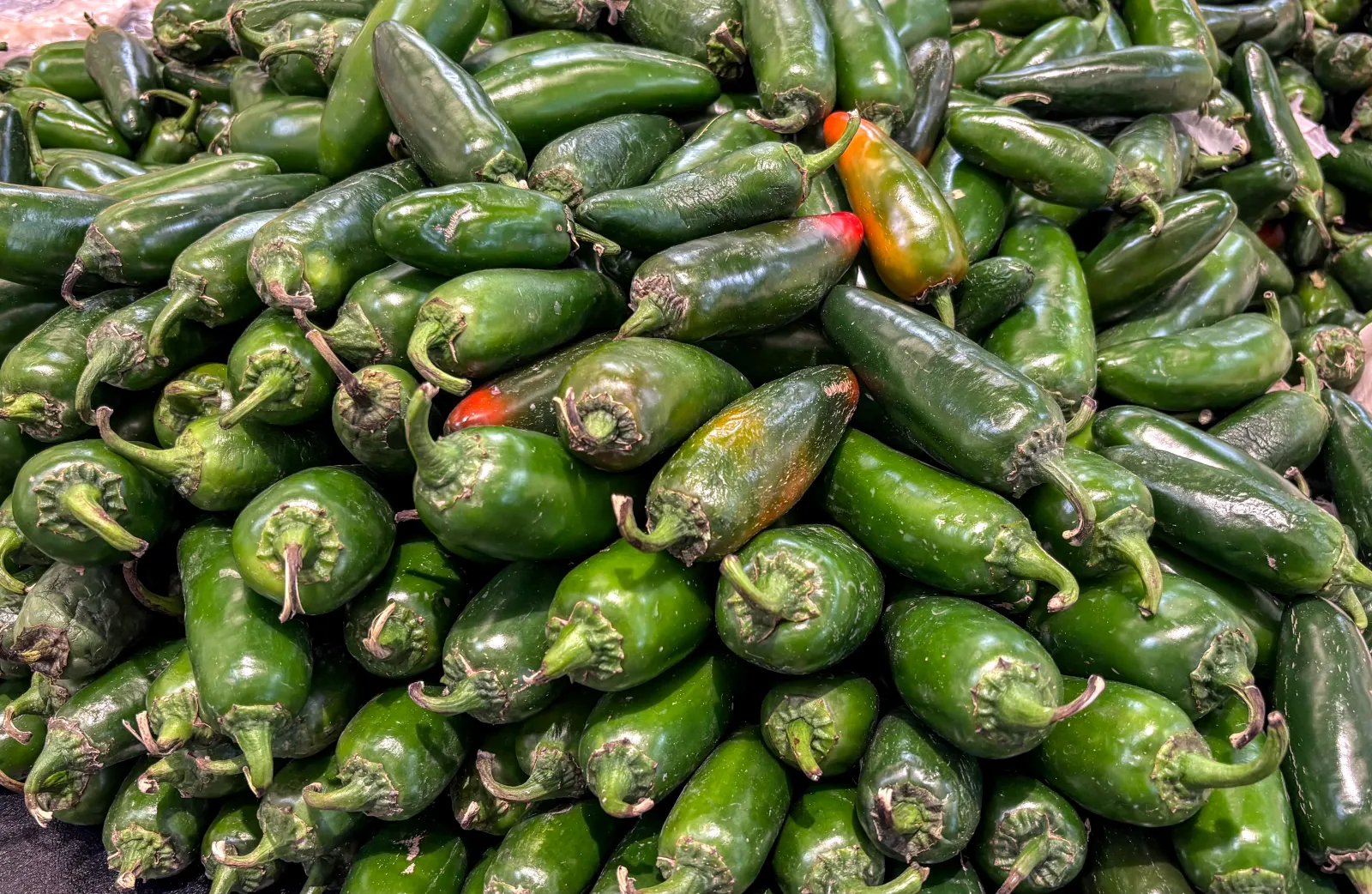
**Produce (jalapenos, berries, lettuce), imported meat/poultry, spice mixes, and prepared foods** face the strictest enforcement. The August 2026 recalls show: jalapenos from Sinaloa linked to salmonella across dozens of states; blueberries causing E. coli in 8 states; Argentine beef rejected for missing inspection; spice mixes (Vitasia) with salmonella; and prepared foods (Kettle Cuisine tomato soup) with listeria across 27 states. These categories require: documented supplier verification, batch-level traceability, pathogen testing (salmonella, E. coli, listeria), allergen protocols, and USDA/FDA pre-clearance. Sellers in these categories without compliance infrastructure will be systematically eliminated over the next 6-12 months as enforcement intensity increases.