




Beef Tariff Pause Creates 90-Day Import Window | Seller Opportunity in Food Supply Chain
- 300,000 metric tons ground beef quota-free imports reshape US meat pricing; food distributors and meal kit sellers gain cost arbitrage window through August 2026









Overview
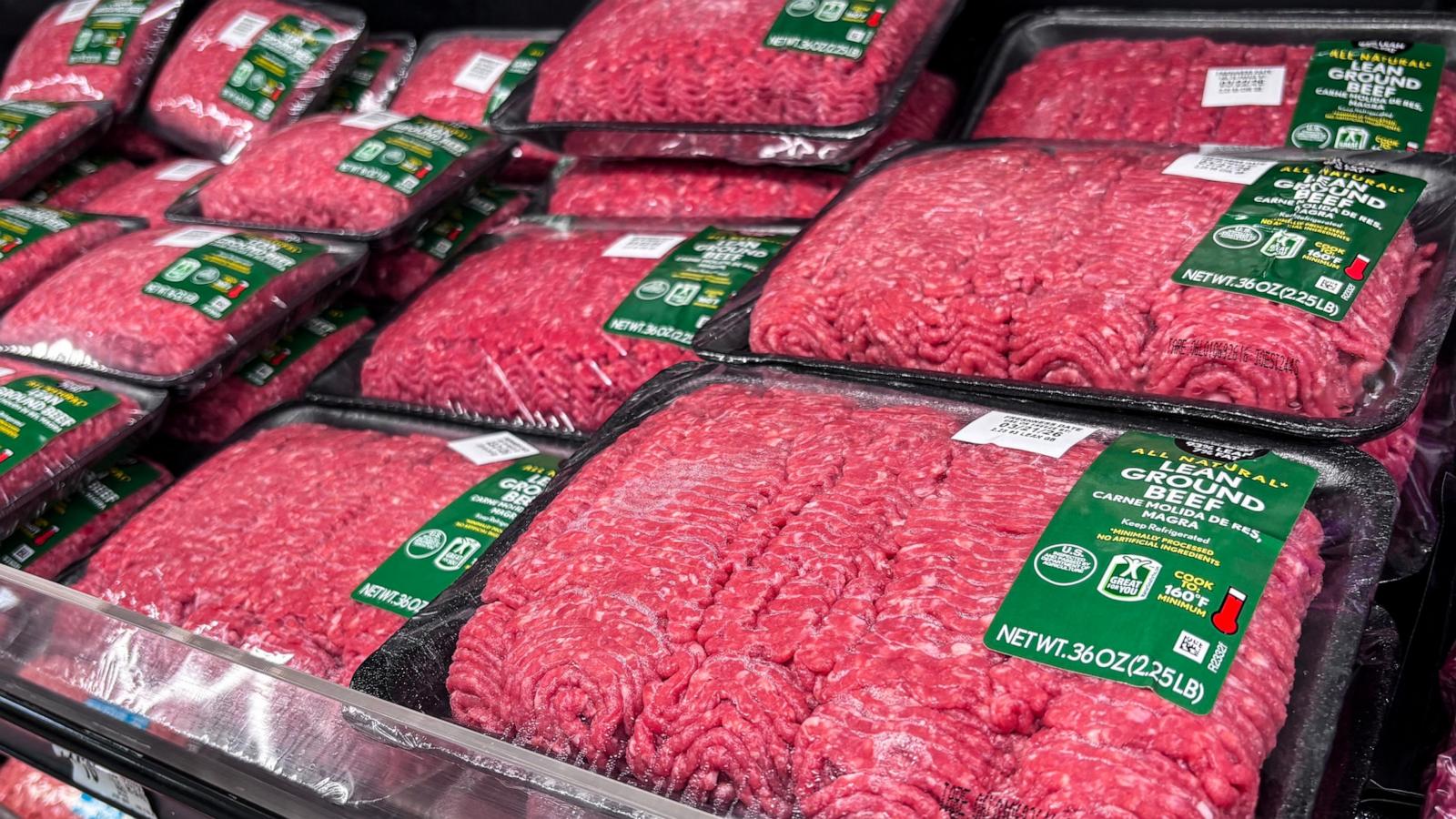
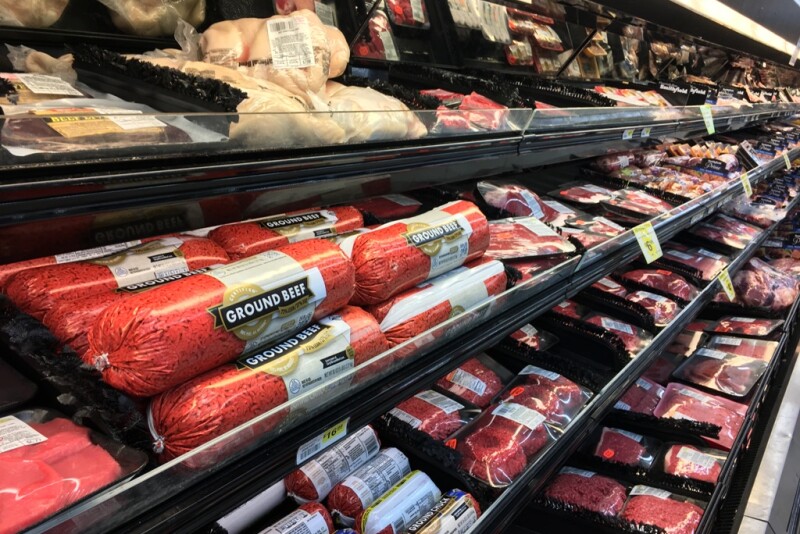
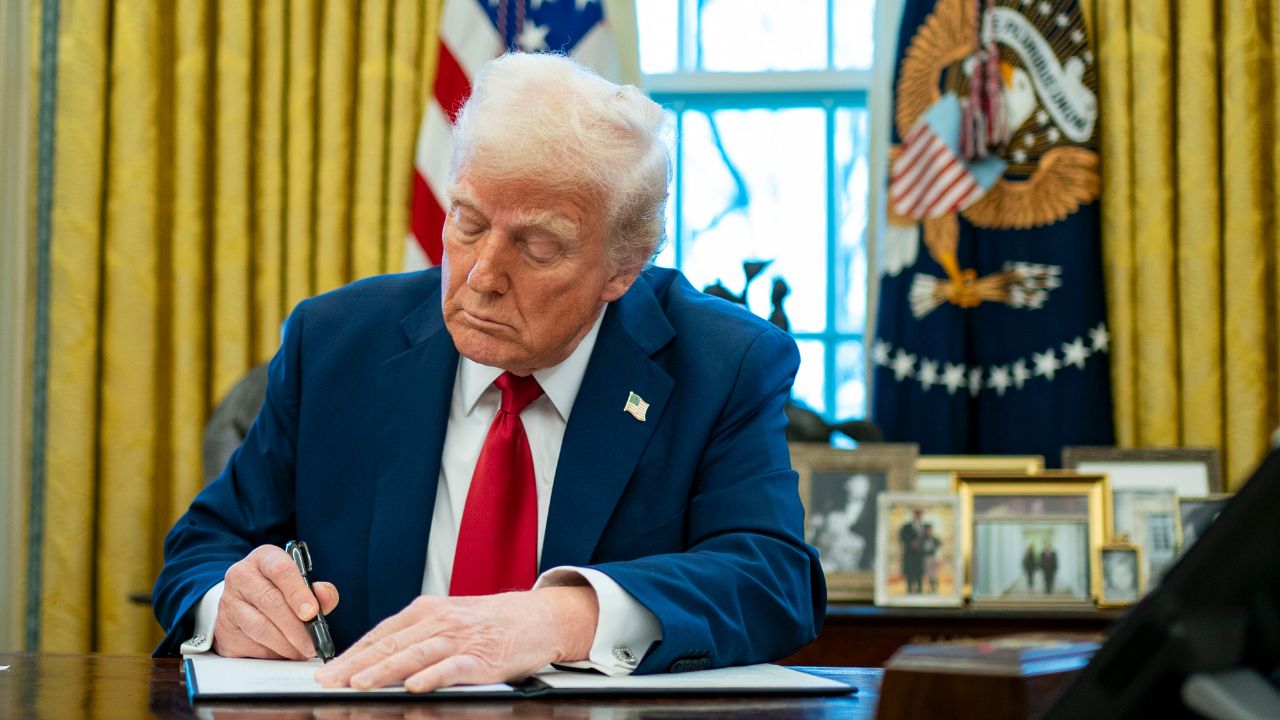
The Trump administration's 90-day beef tariff pause (effective August 21, 2026) opens a critical market arbitrage window for cross-border food sellers and supply chain operators. The policy allows 300,000 metric tons of imported ground beef to enter the US without out-of-quota tariffs, directly reducing input costs for food product sellers, meal kit services, and prepared food distributors on platforms like Amazon Fresh, Instacart, and specialty food marketplaces. This represents a significant tariff arbitrage opportunity—imported beef typically faces 26.4% tariffs under HS code 0202.30 (frozen ground beef), meaning the exemption could reduce landed costs by $1.50-2.50 per pound for qualifying importers.
The competitive dynamics shift dramatically for food-focused e-commerce sellers. Sellers sourcing ground beef from Argentina, Brazil, Australia, and Uruguay—the world's largest beef exporters—can now import at near-parity pricing with domestic producers for the first time in years. This creates a 90-day window (through November 20, 2026) where food product sellers can lock in lower COGS before tariffs reimpose. Amazon Fresh sellers, Walmart+ grocery suppliers, and specialty meat retailers on Thrive Market or Butcher Box can capitalize on reduced input costs to either improve margins (15-25% margin expansion) or undercut domestic competitors on retail pricing. The Tyson processing plant closure in Illinois (cited by Senator Grassley) signals domestic supply constraints, making imported beef particularly valuable during this shortage period.
However, the policy creates operational urgency and compliance complexity. The 90-day window requires sellers to: (1) establish import relationships with qualifying countries before tariffs reimpose, (2) navigate USDA import permits and food safety certifications (FSMA compliance), and (3) secure container capacity during peak import periods. Sellers must also monitor the screwworm outbreak in Mexico—the stated justification for the pause—as resolution could trigger early policy reversal. The National Cattlemen's Beef Association's opposition signals potential political pressure to shorten the window, making timing critical. Small and medium-sized sellers (those importing 50-500 containers annually) face the highest urgency, as large processors like Tyson and JBS already have established import infrastructure and can scale faster. The competitive advantage accrues to sellers who move within 30-45 days, before supply chains adjust and import capacity fills.
Questions 7
Which countries benefit most from the beef tariff exemption?
Argentina, Brazil, Australia, and Uruguay—the world's four largest beef exporters—gain immediate market access to US importers during the 90-day window. These countries typically export 60-70% of their beef production, and the tariff elimination makes US pricing competitive with EU and Asian markets. Sellers importing from these nations can negotiate volume discounts (5-12% below normal pricing) due to sudden demand surge. However, import capacity constraints mean early movers (first 30-45 days) secure better container availability and pricing than late entrants.
What is the 90-day beef tariff pause and how does it affect food sellers?
On August 21, 2026, the Trump administration suspended tariffs on 300,000 metric tons of imported ground beef for 90 days, allowing duty-free imports through November 20, 2026. This eliminates the standard 26.4% tariff on HS code 0202.30 (frozen ground beef), reducing landed costs by approximately $1.50-2.50 per pound. Food sellers on Amazon Fresh, Instacart, and specialty platforms can source cheaper beef from Argentina, Brazil, and Australia during this window, improving gross margins by 15-25% or undercutting domestic competitors. The policy targets a supply shortage caused by a screwworm outbreak in Mexico and Tyson's Illinois plant closure.