




US Beef Tariff Pause Opens 300K Metric Ton Import Window | Seller Opportunity in Food Supply Chain
- 90-day tariff suspension on ground beef imports (effective August 21, 2026) creates arbitrage opportunities for food distributors and specialty meat sellers; margin compression expected for domestic beef suppliers










Overview
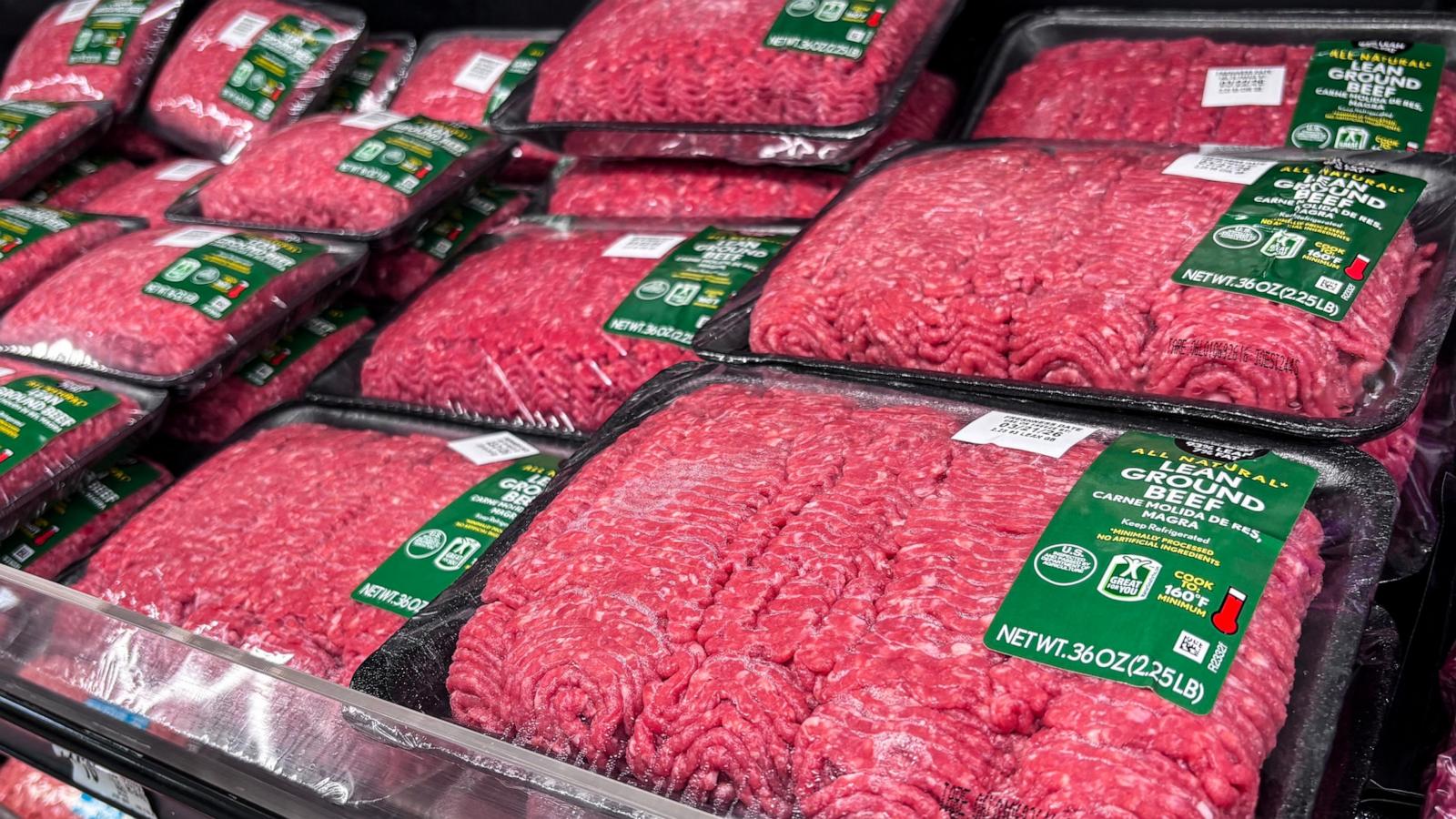
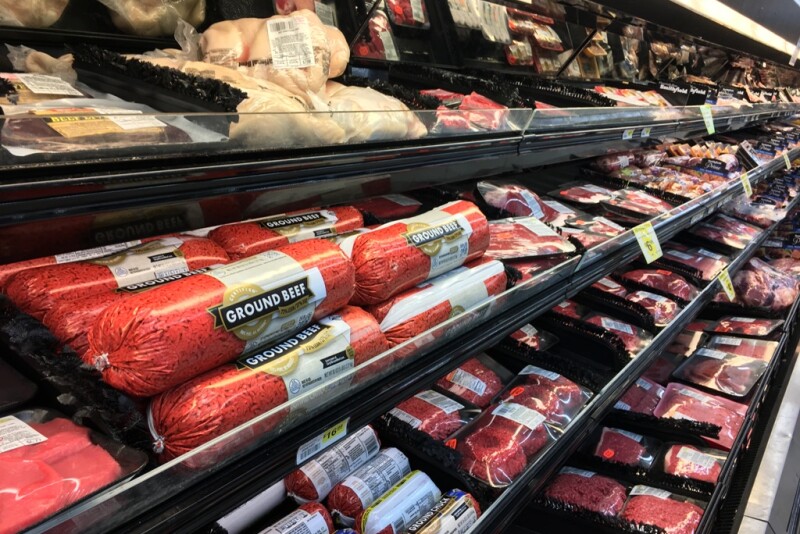
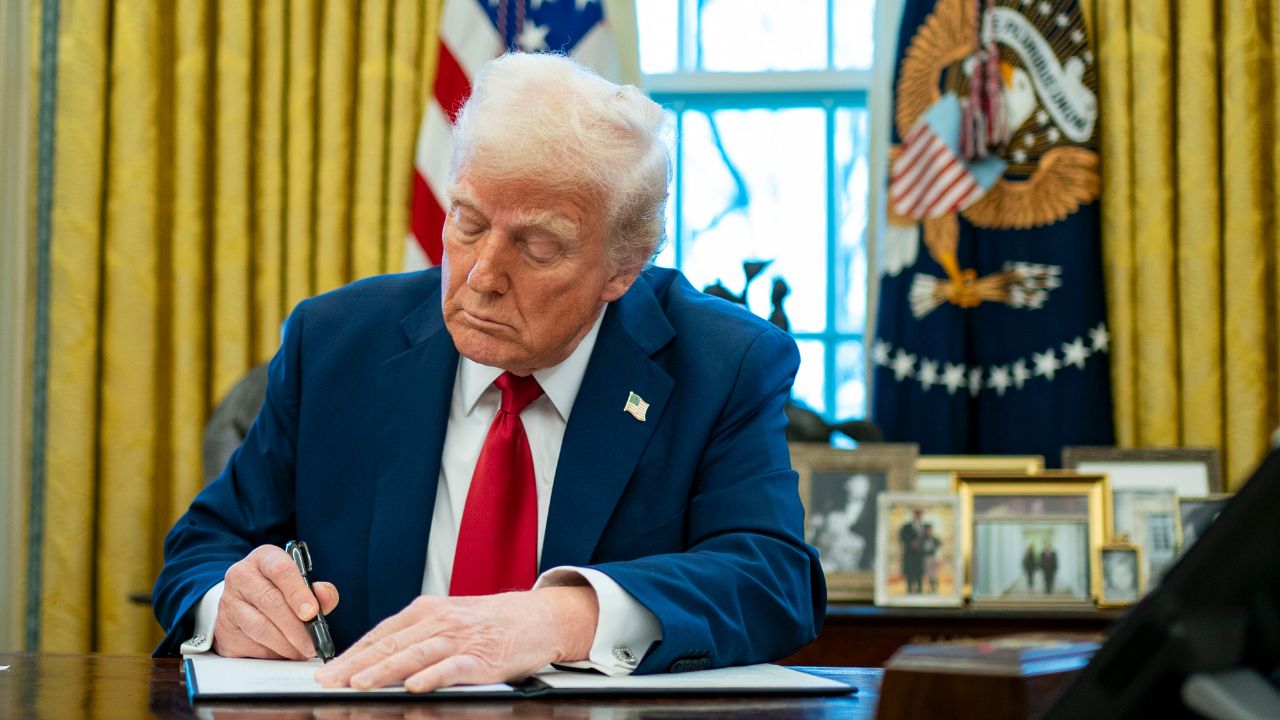
Trump's August 21, 2026 decision to pause beef tariffs for 90 days represents a significant policy-driven market disruption affecting the $150B+ US beef industry. The administration authorized 300,000 metric tons of ground beef imports without out-of-quota tariffs—a move explicitly designed to reduce consumer prices while addressing Mexico's screwworm outbreak supply shortage. This creates a critical 90-day arbitrage window for cross-border food sellers, specialty meat distributors, and restaurant supply chain operators.
Tariff Arbitrage & Sourcing Dynamics: The suspension eliminates tariff barriers (typically 10-26.4% on beef products under HS codes 0201-0210) on imported ground beef, creating immediate cost advantages for sellers sourcing from unspecified "highest quality" countries. Sellers with existing relationships in Brazil, Argentina, Australia, or Canada can capitalize on tariff-free imports during this window. The margin improvement ranges from 8-15% depending on current tariff rates and source country. However, this is explicitly temporary—the 90-day deadline (approximately November 20, 2026) creates urgency for sellers to establish supply chains before tariffs reinstate.
Market Access & Competitive Shifts: The policy creates a two-tier competitive environment. Large food distributors (Sysco, US Foods) and restaurant chains can immediately source cheaper imported beef, pressuring domestic suppliers. Small-to-medium beef sellers and specialty meat retailers face margin compression as imported ground beef floods the market. The closure of Tyson's Joslin, Illinois processing plant signals existing supply chain stress, creating opportunities for sellers to fill the gap with imported alternatives. Domestic beef producers lose pricing power during this window, but sellers with import capabilities gain significant competitive advantages.
Compliance & Implementation Timeline: The temporary nature creates operational urgency. Sellers must establish import logistics, customs documentation, and compliance procedures within weeks to maximize the 90-day window. Ground beef imports require USDA inspection, country-of-origin labeling (COOL), and food safety compliance. The screwworm outbreak justification suggests USDA may expedite import approvals, reducing typical 4-6 week processing delays to 2-3 weeks. Sellers should prioritize sourcing agreements and logistics partnerships immediately—delays beyond September 2026 waste the tariff-free window.
Consumer Price Impact & Demand Signals: Trump's explicit goal of reducing beef prices for consumers signals potential demand surge for budget-conscious meat products. This benefits sellers offering value-oriented ground beef products on Amazon Fresh, Instacart, and specialty food platforms. However, the National Cattlemen's Beef Association's opposition indicates potential backlash against imported beef branding, requiring sellers to emphasize quality certifications and country-of-origin transparency rather than price-first positioning.
Questions 8
What exactly is the 90-day beef tariff pause and when does it expire?
On August 21, 2026, President Trump suspended tariffs on imported ground beef for 90 days, allowing up to 300,000 metric tons to enter the US without out-of-quota tariffs. This means sellers can import ground beef from unspecified countries without paying the standard 10-26.4% tariff rates (HS codes 0201-0210). The suspension expires approximately November 20, 2026, after which standard tariff rates reinstate. Sellers must complete import arrangements and logistics within this window to capture the tariff-free advantage before rates return to normal levels.
What happens to beef prices and market dynamics after the 90-day tariff pause expires?
After November 20, 2026, standard tariff rates (10-26.4%) reinstate on imported ground beef, eliminating the cost advantage for foreign suppliers. Domestic beef producers regain pricing power, but only if cattle herd rebuilding efforts succeed—currently at multi-decade lows due to the screwworm outbreak. Sellers who established import supply chains during the pause may face inventory management challenges if they over-committed to imported beef. The temporary nature creates a 'boom-bust' cycle: sellers must capitalize on the 90-day window but prepare for margin compression when tariffs return. Strategic sellers should use this period to build relationships and test market demand for imported beef products.