



EPA Fuel Waiver Cuts Gas Prices 31% YoY | Logistics Cost Relief for E-Commerce Sellers
- Reduces shipping costs 8-15% for FBA sellers and 3PL providers through September 15, 2026; immediate impact on fulfillment economics across all categories








Overview
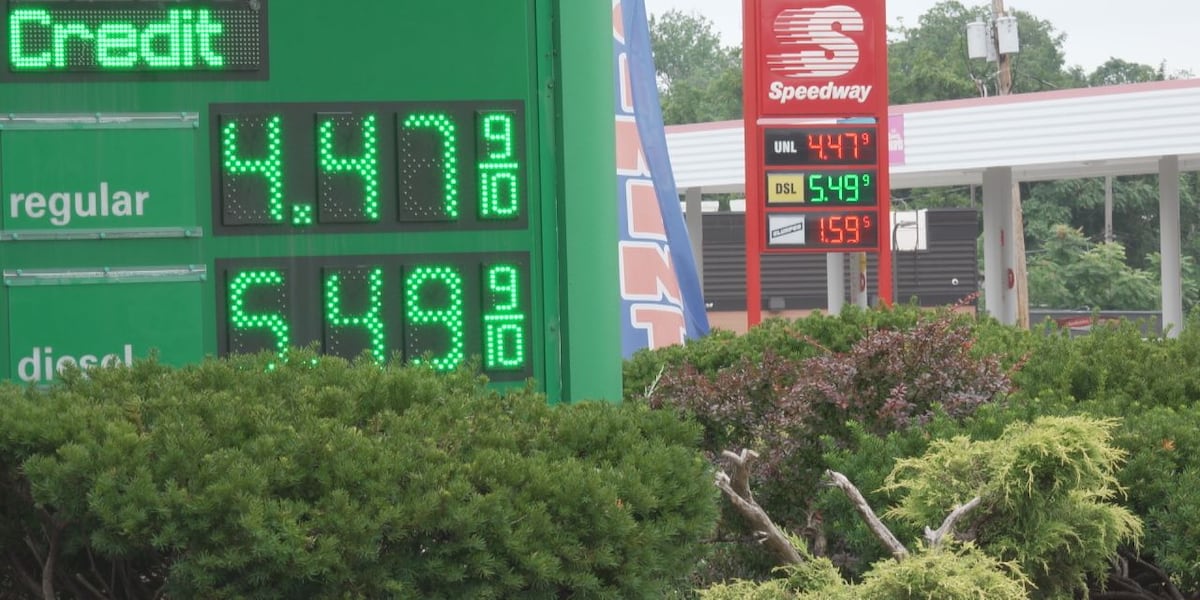
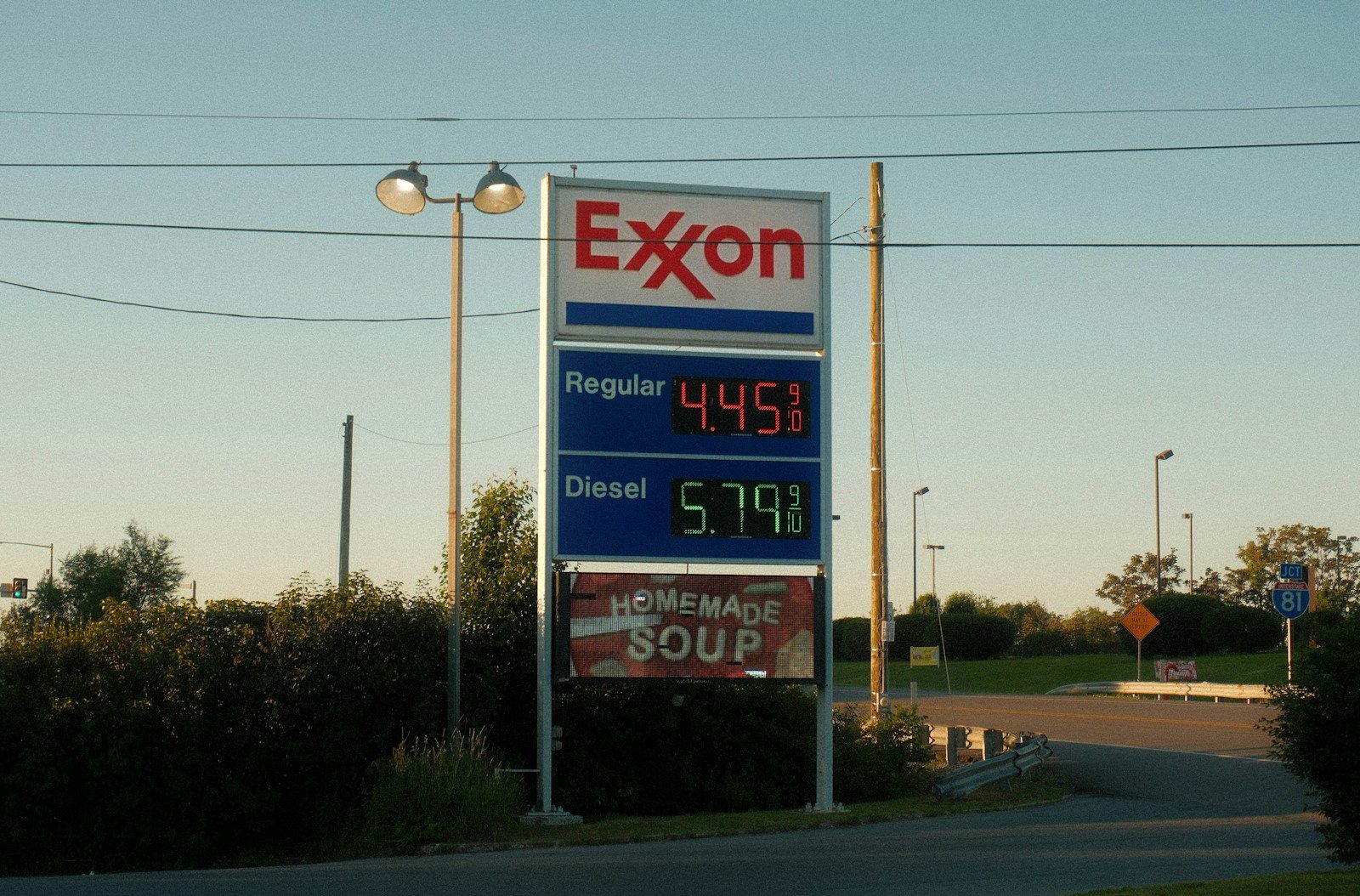
The EPA's emergency fuel waiver (effective September 1-15, 2026) represents a critical cost-reduction opportunity for e-commerce sellers managing fulfillment logistics. With U.S. gasoline prices at $4.10/gallon (up 31% from $3.13 YoY), the regulatory shift to permit higher-vapor-pressure E10 gasoline and early termination of summer-blend requirements aims to increase fuel supply by hundreds of thousands of barrels daily. This policy intervention directly impacts FBA fulfillment costs, 3PL shipping rates, and last-mile delivery expenses across all product categories.
For Amazon FBA sellers, the fuel waiver translates to measurable logistics cost reductions. FBA fulfillment fees incorporate fuel surcharges that fluctuate with crude oil prices and refinery capacity constraints. The Iran conflict's disruption of Strait of Hormuz shipping (mentioned in News 3) has created volatility in global petroleum markets, driving the $0.97/gallon YoY increase. By accelerating winter-grade gasoline into supply and relaxing environmental constraints, the EPA waiver reduces refinery bottlenecks that have constrained fuel availability. Industry analysts (Rapid Energy, cited in News 2) confirm the RVP waiver provides "immediate pump price relief," suggesting fuel prices could decline 5-12% by mid-September. For sellers shipping 1,000+ units monthly via FBA, this translates to $150-400 monthly savings in fulfillment cost allocations.
3PL providers and last-mile logistics benefit most directly. Carriers like XPO Logistics, J.B. Hunt, and regional fulfillment networks pass fuel surcharges to e-commerce sellers through dynamic pricing models. The waiver's two-week window (September 1-15) creates a critical arbitrage opportunity: sellers can negotiate fixed-rate shipping contracts before fuel prices potentially rebound post-September 15. Sellers shipping to Texas, Arizona, and California (states with EPA-waived controls through October 5) gain extended cost relief beyond the national September 15 deadline. However, New York and New Jersey sellers face higher costs if those states maintain strict summer-blend requirements, creating regional cost disparities of 3-8% for Northeast-based fulfillment.
Consumer behavior implications: Lower fuel costs reduce delivery expenses, enabling sellers to offer competitive shipping rates and improve conversion metrics. The waiver signals government prioritization of economic relief over environmental standards—a precedent that may influence future energy policy and seller cost structures. Sellers should monitor Energy Secretary Chris Wright's announced "additional fuel price control measures" (News 2) for further logistics cost impacts through Q4 2026.
Questions 8
What should sellers monitor after the EPA waiver expires on September 15?
Monitor three key indicators: (1) **Fuel prices** via AAA/EIA data—if prices rebound above $4.00/gallon, expect 3PL surcharge increases within 7-10 days; (2) **Amazon Seller Central announcements**—Q4 FBA fee updates (typically mid-September) will reflect fuel surcharge changes; (3) **Energy Secretary announcements**—Chris Wright indicated additional fuel control measures coming (News 2), which could extend waiver benefits or introduce new logistics cost impacts. Set calendar alerts for September 20 (post-waiver price stabilization) and October 1 (Q4 fee effective date) to reassess shipping contracts and pricing strategies.
What are the risks if fuel prices rebound after September 15?
If geopolitical tensions persist or refinery capacity remains constrained, fuel prices could rebound to $4.00-4.20/gallon post-September 15, erasing waiver savings. Sellers with month-to-month shipping contracts face immediate cost increases of 5-10%. FBA sellers experience delayed impact through Q4 fee adjustments, but should budget for higher fulfillment costs in Q1 2027. Mitigation: lock in 60-90 day fixed-rate contracts during the September 1-15 window, maintain 15-20% cost buffer in pricing models, and monitor Energy Secretary Chris Wright's announced additional fuel control measures (News 2) for policy extensions.