




US Fiscal Crisis & Rising Logistics Costs | Critical Impact on E-Commerce Seller Margins
- $40 trillion national debt, 6.7% mortgage rates, and $5/gallon diesel create 8-15% cost pressures for cross-border sellers and inventory-dependent businesses







Overview
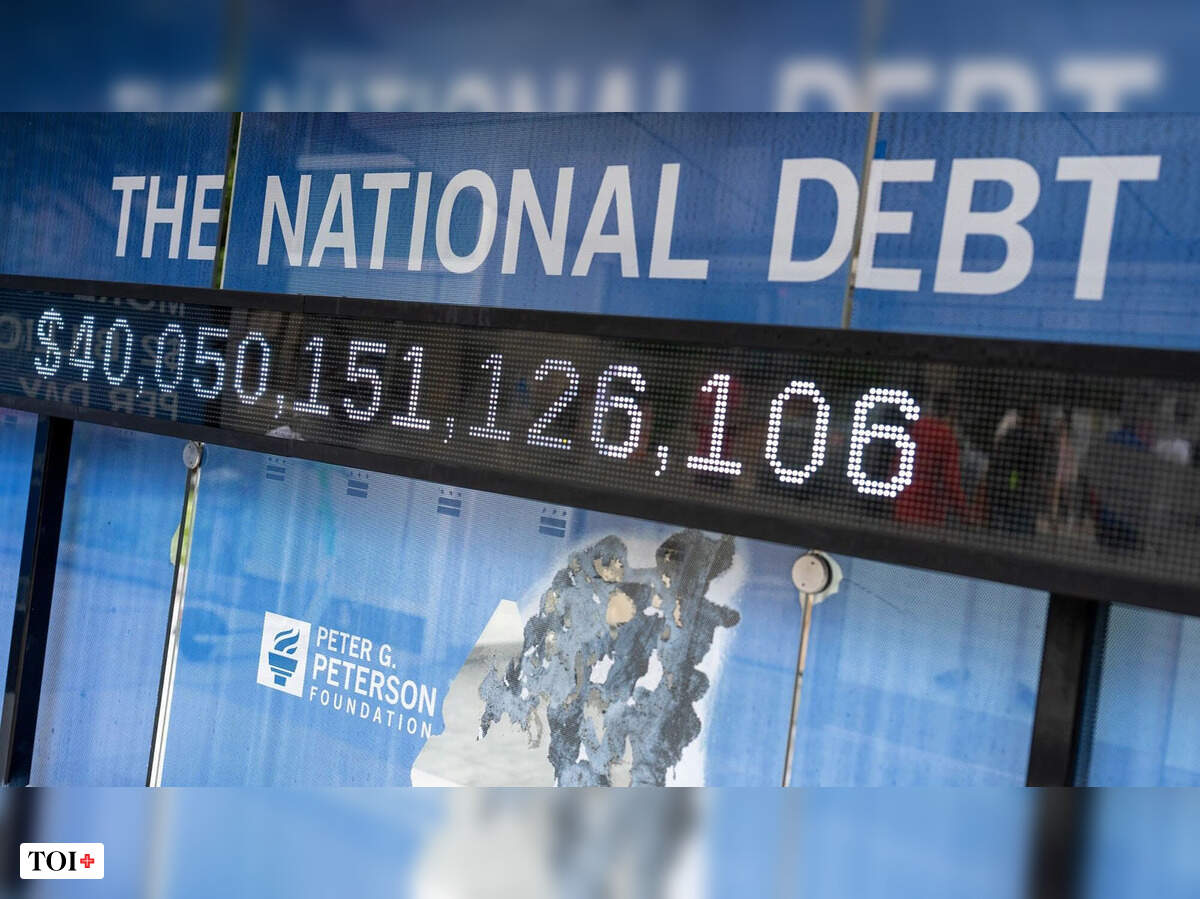
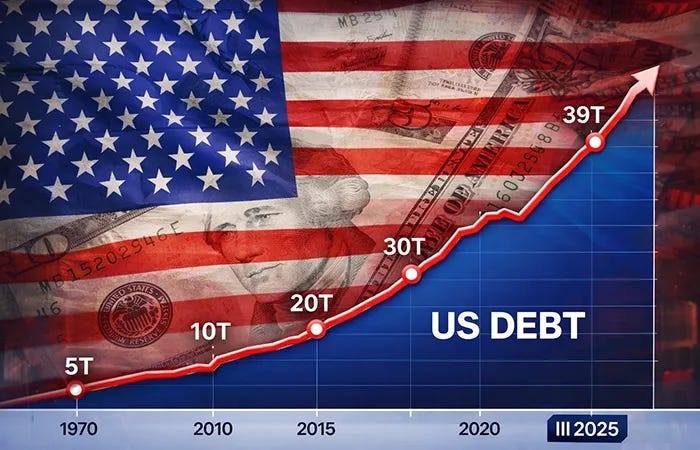
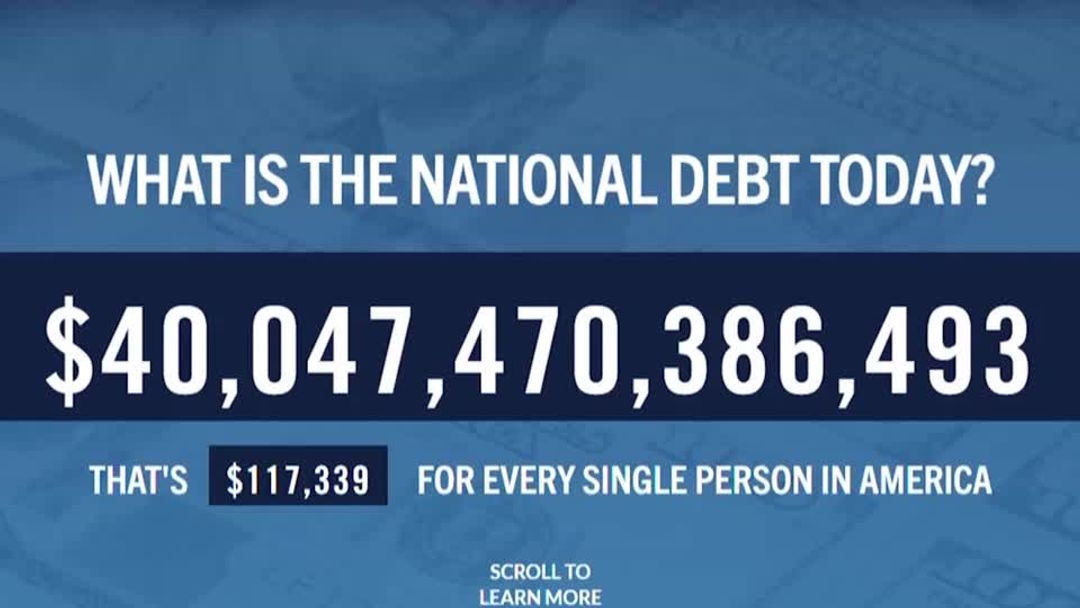
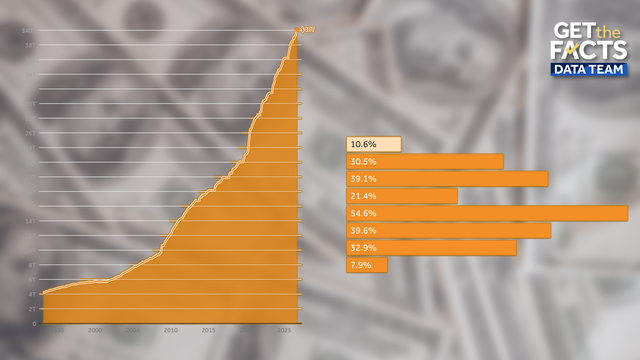
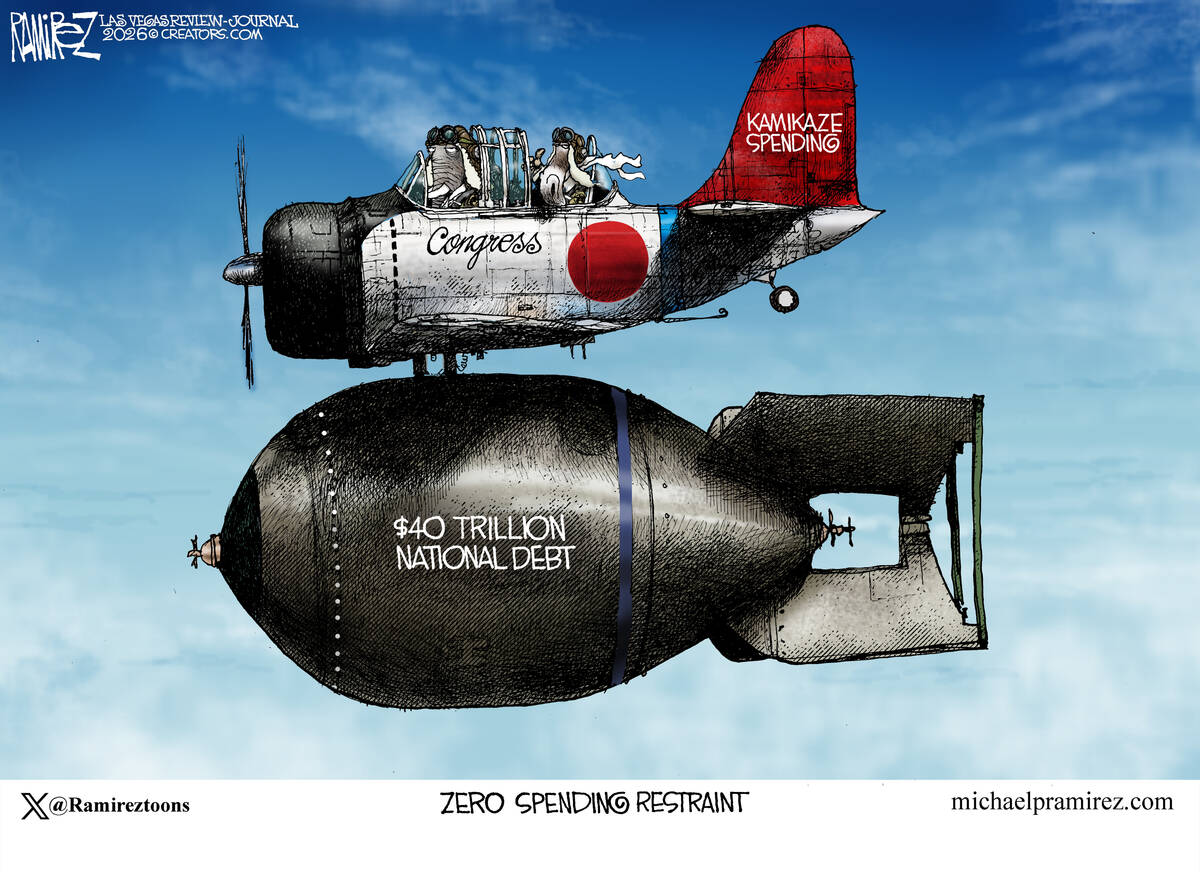
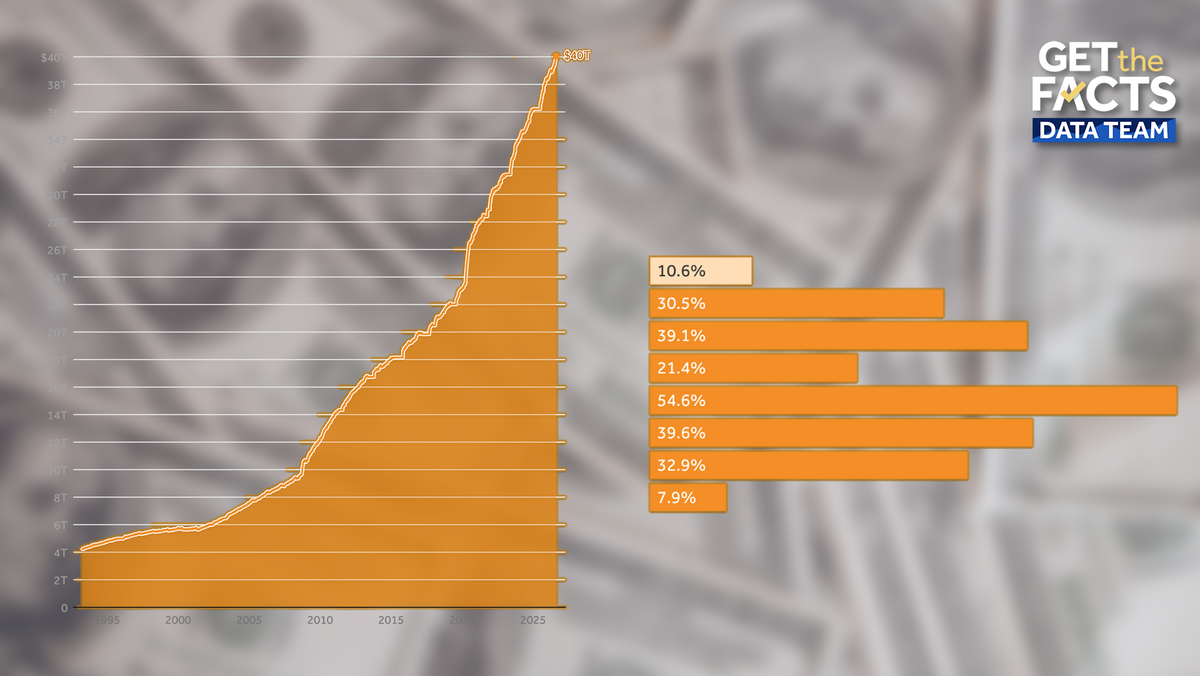
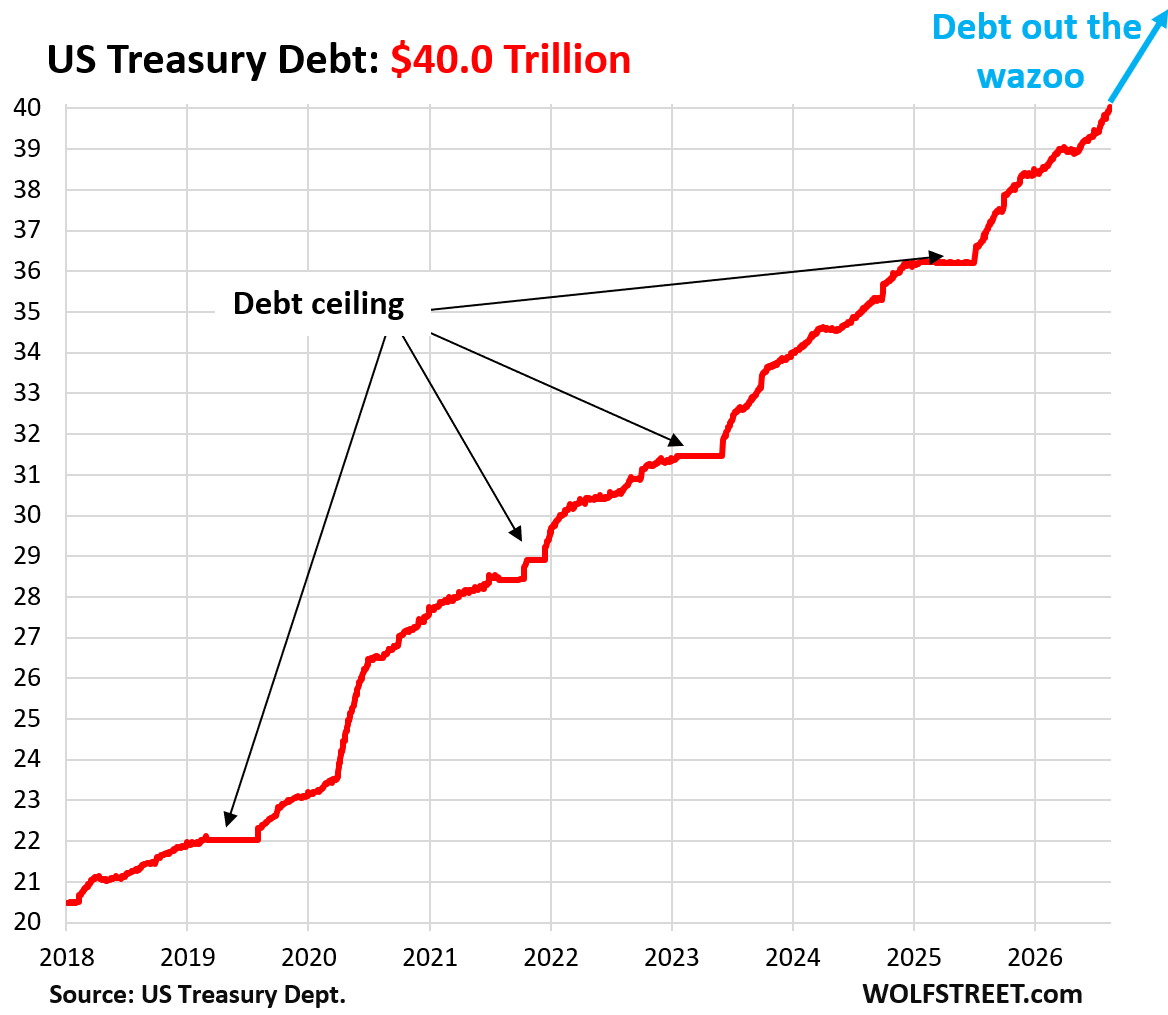
The Trump administration confronts a $40 trillion national debt crisis, elevated mortgage rates at 6.7%, and diesel fuel prices reaching $5 per gallon—creating a perfect storm of macroeconomic headwinds that directly impact e-commerce seller profitability and operational planning. These interconnected economic pressures represent the most significant cost environment shift for cross-border sellers since 2022, with immediate implications for inventory financing, shipping logistics, and consumer purchasing power across all major marketplaces.
Immediate Operational Impact on Seller Economics: Diesel prices at $5/gallon translate directly to 8-12% increases in last-mile delivery costs for sellers using 3PL providers and freight services. Amazon FBA sellers face compounding pressures: higher borrowing costs increase inventory financing expenses by 150-200 basis points (from 4-5% to 5.5-7% for working capital loans), while elevated fuel surcharges on inbound shipments add $0.15-0.35 per unit for standard-size products. For a seller moving 10,000 units monthly, this represents $1,500-3,500 in additional monthly logistics costs. Mortgage rate elevation at 6.7% signals broader credit tightening, making inventory expansion financing more expensive and reducing access to capital for small-to-medium sellers (SMBs) who rely on personal credit lines or SBA loans.
Consumer Demand Compression & Category Shifts: The $40 trillion debt burden constrains federal spending flexibility, increasing probability of austerity measures that reduce consumer purchasing power. Housing affordability deterioration (6.7% mortgages reduce buyer pool by 15-20% historically) signals reduced discretionary spending on non-essential categories. This creates a bifurcated market: luxury/premium categories (electronics, home goods, apparel) face 10-15% demand headwinds, while value-oriented categories (budget home goods, consumables, discount apparel) see relative strength. Cross-border sellers should expect 5-8% overall demand volatility in Q1-Q2 2025, with particular pressure on high-ticket items ($500+) and seasonal discretionary purchases.
Strategic Sourcing & Competitive Advantage Shifts: Higher US borrowing costs create arbitrage opportunities for sellers with access to cheaper capital in Asia-Pacific or EU markets. Sellers with established relationships in Vietnam, India, or Mexico gain competitive advantage as US-based competitors face 200-300 basis point increases in working capital costs. The fiscal crisis increases likelihood of tariff policy changes (potential revenue-raising measures), making sourcing diversification urgent. Sellers currently concentrated in single-source China supply chains face elevated risk; diversification to Vietnam (electronics, apparel), India (textiles, home goods), or Mexico (consumer goods) becomes strategically valuable. Political gridlock around fiscal solutions suggests policy uncertainty will persist 12-18 months, favoring sellers with flexible supply chains and multiple sourcing options.
Questions 8
What timeline should sellers use for supply chain decisions?
Immediate (0-30 days): Audit current sourcing concentration and identify alternative suppliers in Vietnam/India/Mexico. Short-term (1-3 months): Negotiate contracts with 2-3 alternative suppliers and test product quality. Medium-term (3-6 months): Shift 20-30% of sourcing to diversified countries. The Washington Post indicates political gridlock creates 12-18 month policy uncertainty, making supply chain flexibility urgent. Sellers who diversify sourcing within 90 days gain competitive advantage before tariff policy changes materialize. Delay increases risk of supply disruption and tariff exposure.
How do rising interest rates affect inventory management strategy?
Higher borrowing costs (5.5-7% vs. 4-5% previously) increase carrying costs by $1,500-3,000 annually per $100K inventory. Sellers should reduce inventory holding periods by 15-20%, implement just-in-time ordering, and focus on faster-turning SKUs (30-45 day inventory vs. 60-90 days). Reduce slow-moving inventory by 25-30% to free working capital. The news indicates sustained elevated interest rates, making inventory efficiency critical for profitability. Sellers with high inventory turnover (Amazon Best Sellers, trending categories) maintain margins better than slow-moving inventory holders.