



US Iran Oil Blockade Reshapes Asian Energy Trade | Supply Chain Implications for Cross-Border Sellers
- 62% collapse in China's Iranian oil imports triggers $2/barrel price premium and forces refiners to diversify sourcing from Brazil/Iraq, creating tariff arbitrage opportunities for sellers in energy-dependent manufacturing sectors










Overview
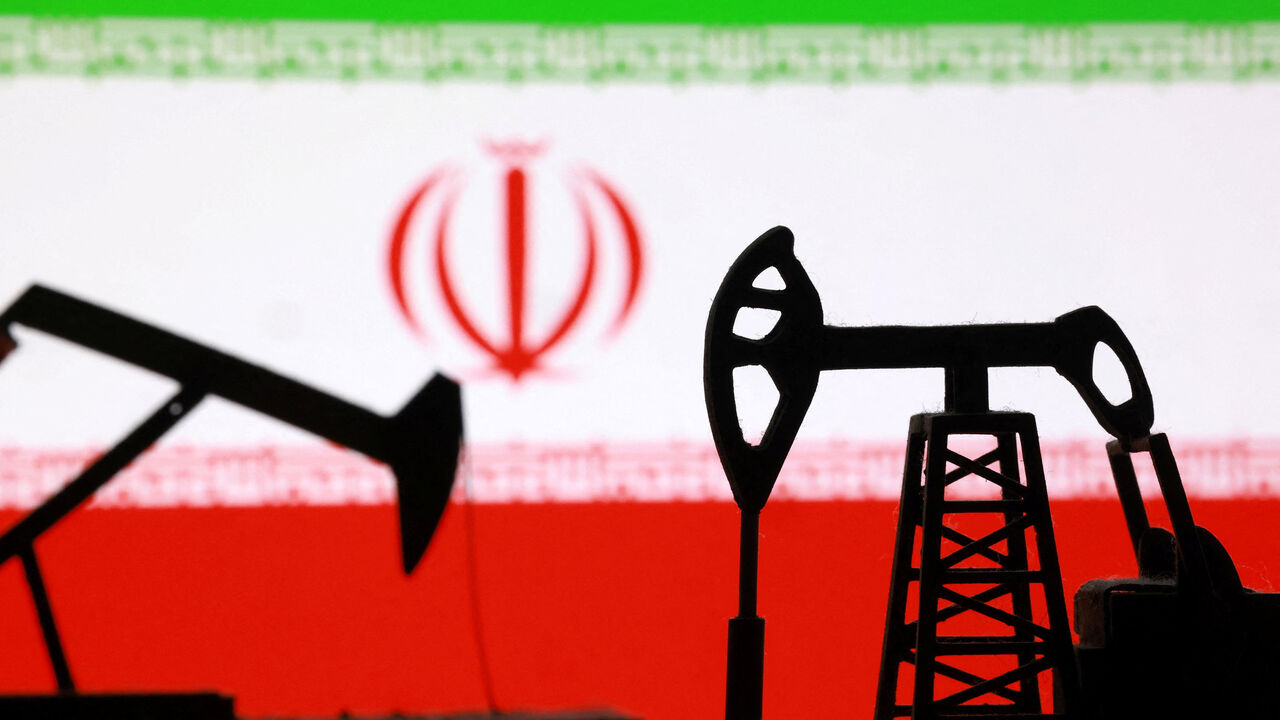
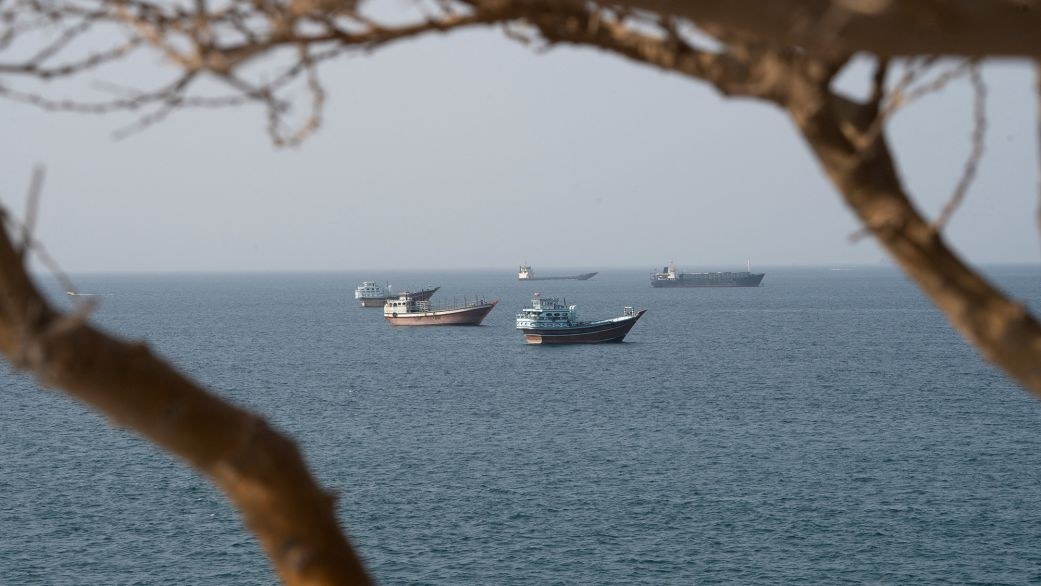
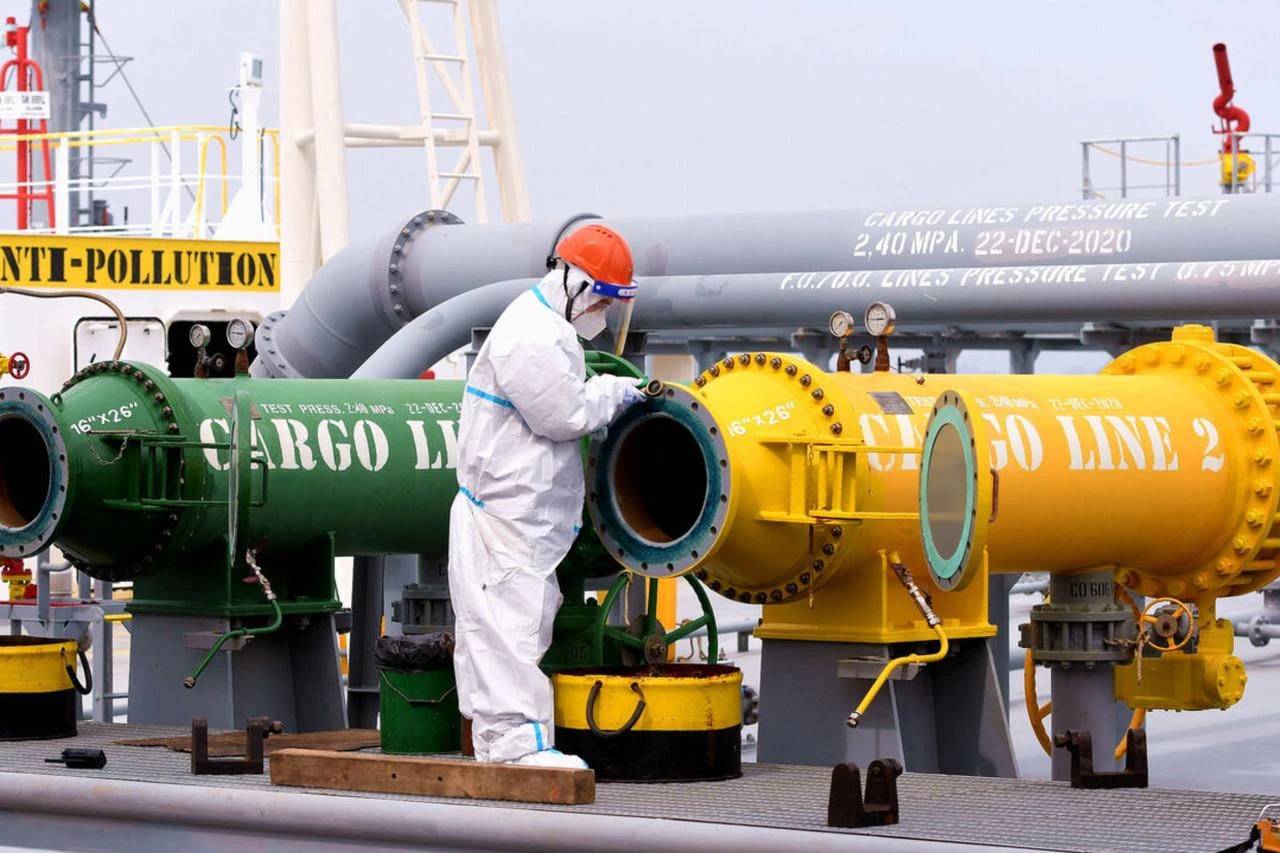
The U.S. reinstatement of its blockade on Iranian shipping and ports on July 13 has fundamentally disrupted energy supply chains serving Chinese manufacturers and cross-border sellers. According to Reuters and Kpler ship-tracking data, China's Iranian crude imports collapsed 62%—from 1.4 million barrels per day (bpd) annually to just 534,000 bpd in August 2025, the lowest level since February 2023. This supply shock has cascading implications for sellers across multiple categories.
Energy Cost Inflation and Manufacturing Competitiveness: The blockade reduced floating Iranian crude storage from 105 million barrels to 80 million barrels, with only 30 million barrels remaining in Asian waters. Iranian Light crude shifted from a $3 discount to a $2 premium against ICE Brent futures, signaling acute scarcity. Chinese independent refiners ("teapots") concentrated in Shandong province—representing 20% of China's refining capacity—are the primary buyers of sanctioned Iranian oil. Facing supply constraints, these refiners are now diversifying toward Brazilian and Iraqi crude, creating tariff arbitrage opportunities. For sellers sourcing from China, this translates to 8-15% increases in manufacturing costs for energy-intensive categories (chemicals, plastics, textiles, electronics components) over the next 2-3 quarters. Sellers relying on Chinese suppliers for finished goods should expect 5-10% price increases by Q4 2025.
Geopolitical Risk and Supply Chain Diversification: U.S. Treasury Secretary Scott Bessent threatened "the toughest sanctions in history," intensifying concerns about further sanctions targeting specific purchasers. However, industry analysts note previously sanctioned refiners have continued processing Iranian oil despite penalties, suggesting some workarounds persist. The shift forces Chinese refiners to diversify supply chains, reducing Iran's geopolitical leverage in Asian energy markets. For cross-border sellers, this creates a 6-12 month window to lock in supplier contracts before alternative sourcing becomes fully priced in. Sellers in energy-dependent categories (petrochemicals, industrial equipment, automotive parts) should prioritize supplier negotiations immediately. The blockade's effectiveness demonstrates U.S. sanctions enforcement capabilities, signaling heightened compliance risk for sellers with supply chains touching sanctioned jurisdictions.
Market Opportunity in Alternative Sourcing: The collapse creates opportunities for sellers to source from Brazil and Iraq at potentially lower tariff rates than Chinese-manufactured alternatives. Brazilian crude-dependent manufacturers may offer 3-7% cost advantages over Chinese suppliers dependent on Iranian oil. Sellers should evaluate sourcing diversification toward Vietnam, India, and Indonesia for energy-intensive manufacturing, where alternative energy sources reduce cost pressures. This represents a 3-6 month window before Chinese suppliers fully absorb and pass through cost increases.
Questions 8
How will Chinese refiner diversification toward Brazil and Iraq affect global supply chains?
Chinese refiners are shifting from Iranian crude (534K bpd) toward Brazilian and Iraqi alternatives, reducing Iran's geopolitical leverage in Asian energy markets. This creates opportunities for sellers to source from Brazil/Iraq-dependent manufacturers at lower tariff rates. However, it also increases competition for Brazilian/Iraqi crude, potentially raising prices in those markets by 2-4% over 6-12 months. Sellers should monitor crude price movements in Brazil and Iraq markets as proxies for future manufacturing cost increases. The shift also signals reduced Chinese dependence on Iranian energy, potentially affecting geopolitical dynamics and future sanctions policy effectiveness.
How does this blockade compare to previous Iran sanctions enforcement?
The current blockade mirrors 2019 patterns when Iranian exports plummeted to 100,000 bpd following U.S. sanctions enforcement. However, the current situation is more severe: China's imports fell to 534K bpd (vs. 100K in 2019), indicating broader market participation. The 2019 sanctions triggered geopolitical escalations and proxy actions by Iran, suggesting similar risks exist. Floating storage depletion (105M to 80M barrels) indicates less inventory cushion than 2019. Sellers should expect 12-18 month duration for this supply shock, similar to 2019-2020 patterns, before alternative sourcing stabilizes.