




Rising US Treasury Yields Hit 5.34% | Critical Financing Cost Impact for Cross-Border Sellers
- 30-year Treasury yields reach highest level since 2007; 10-year benchmark near 4.7%; consumer purchasing power compressed as mortgage rates exceed 6% for four consecutive years













Overview
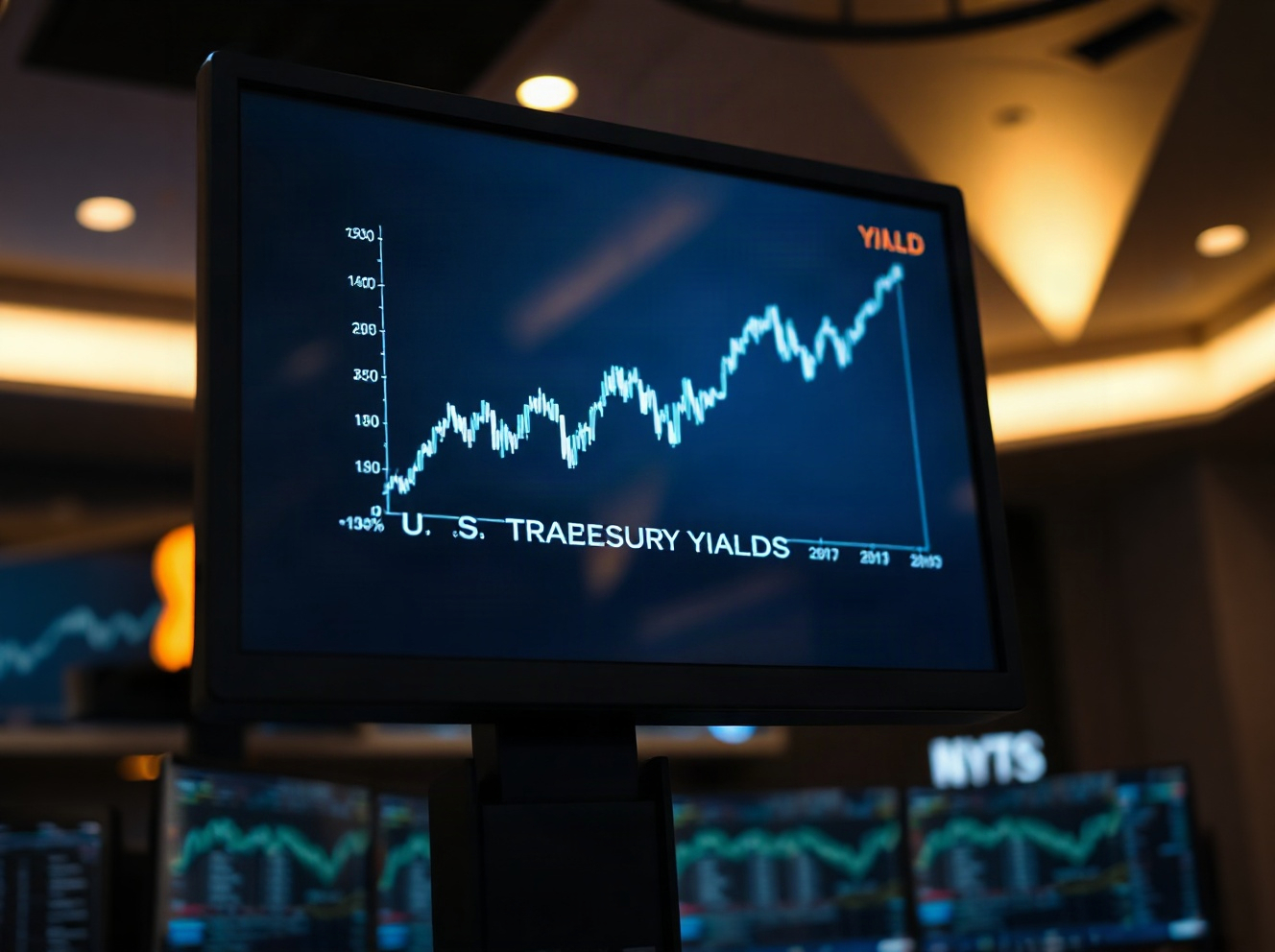
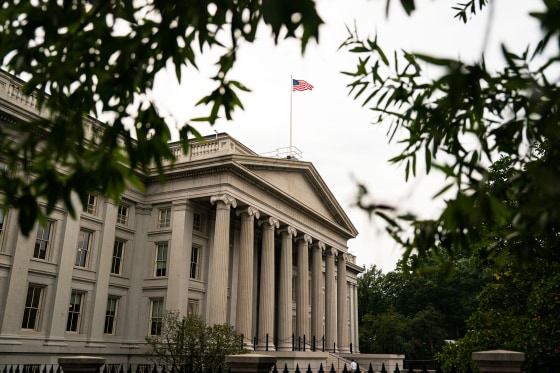
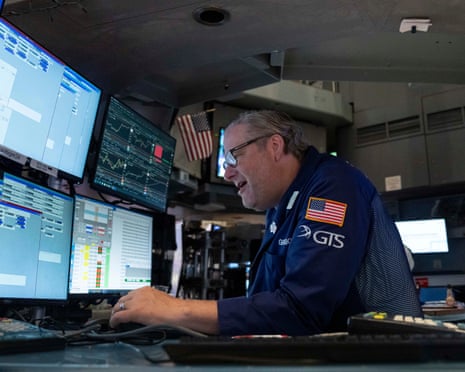
Global bond yields have surged to multi-year highs this week, with the 30-year US Treasury yield reaching 5.34% on Tuesday—its highest level since 2007—creating immediate financing headwinds for cross-border e-commerce sellers. The US Treasury Department's intervention on Wednesday, announcing it would double its regular buyback of long-dated debt, provided only temporary relief; yields rebounded Thursday to 5.2% (30-year) and 4.7% (10-year benchmark). This structural crisis stems from a federal budget deficit running at approximately 6% of GDP—historically high outside wartime—while national debt hit $40 trillion this week, quadrupling since 2008.
For cross-border sellers, the financing implications are immediate and severe. The 10-year Treasury yield directly benchmarks mortgage and car loan rates; average 30-year mortgage rates have remained above 6% for four consecutive years, reducing consumer purchasing power precisely when households are most vulnerable. Rising credit card and personal loan rates further squeeze consumers managing inflation-driven expenses. According to Navy Federal Credit Union's chief economist Heather Long, consumers increasingly rely on debt to maintain spending, but higher rates make borrowing more expensive at the worst possible time. This demand compression directly impacts e-commerce categories dependent on discretionary consumer credit: home furnishings, electronics, appliances, and luxury goods all face headwinds as consumers defer purchases.
The financing cost crisis extends to seller working capital and inventory financing. Higher Treasury yields cascade into elevated rates for trade finance, invoice factoring, and inventory loans—the critical tools sellers use to fund cross-border operations. When the 10-year Treasury yield rises 50+ basis points (as seen this week), lenders immediately increase rates on seller financing products by 75-150 basis points. A seller with $500K in inventory financed at 8% APR now faces 9.5-10% rates, adding $7,500-$10,000 annually in financing costs. For sellers operating on 15-20% margins, this represents a 3-5% margin compression. Additionally, the weakening dollar (triggered by market volatility) creates dual FX headwinds: while US exports become cheaper (benefiting sellers shipping from US), imports become more expensive, increasing cost of goods sold for sellers sourcing from Asia or Europe.
Global capital reallocation is starving e-commerce of growth capital. International bonds now offer more attractive returns than US Treasurys for the first time in decades: Japanese 30-year bonds yield over 4%, UK bonds reach 5.81%, and German bonds pay 3.76%, compared to 5.27% for comparable US bonds. This competition reflects the end of near-zero interest rate environments globally. Large institutional investors—pension funds and life insurers—previously concentrated holdings in US Treasurys; now they're diversifying into higher-yielding foreign sovereign debt. Simultaneously, tech companies are issuing tens of billions in corporate debt for AI infrastructure buildout, diverting investor capital from growth-stage e-commerce businesses. The result: venture capital and growth equity funding for e-commerce startups has contracted, while established sellers face higher cost of capital for expansion. Treasury Secretary Bessent indicated the administration would soon announce increased focus on fiscal consolidation (budget cuts and tax increases), but analysts remain skeptical such measures will materialize. Without material fundamental changes via smaller deficits, yield pressures will persist, creating sustained headwinds for consumer spending and business investment through 2025.
Questions 8
What financing alternatives exist beyond traditional bank loans?
As Treasury yields rise, alternative lenders are aggressively competing for seller financing. Options: (1) Revenue-based financing (Clearco, Pipe): 6-10% APR, no fixed payments, repay as % of revenue (ideal for seasonal sellers); (2) Inventory financing (Kabbage, OnDeck): 8-12% APR, secured by inventory (fastest approval, 24-48 hours); (3) Invoice factoring (Fundbox, BlueVine): 2-4% monthly fees, immediate cash (best for sellers with B2B customers); (4) Supply chain financing (Taulia, Fintech Collective): 3-6% APR, extended payment terms to suppliers (best for large sellers with 50+ suppliers); (5) Peer-to-peer lending (Funding Circle): 6-9% APR, longer terms (best for established sellers with 2+ years history). Compare all five options—the best choice depends on your cash conversion cycle, inventory turnover, and customer payment terms.
How should I adjust my FX hedging strategy given rising volatility?
Rising Treasury yields have increased FX volatility by 30-50%, making hedging more expensive but more necessary. Current hedging costs: forward contracts (0.5-1.5% annualized), currency options (1-3% premium), and money market hedges (0.75-2% cost). For sellers with significant cross-border exposure, recommended strategy: (1) Hedge 50-70% of 90-day forward exposure using forward contracts (cheapest method); (2) Use currency options for 20-30% of exposure to protect against extreme moves (1-2% premium); (3) Leave 10-20% unhedged to capture favorable FX moves. Example: A seller with $1M monthly imports from China should hedge $500-700K using forwards (cost: $3,750-$10,500 quarterly) and $200-300K using options (cost: $2,000-$6,000 quarterly). Total hedging cost: $5,750-$16,500 quarterly, or 0.6-1.7% of import value—justified given 3-5% dollar weakness risk.