





Meta COPPA Trial Creates Compliance Moat for Child-Safe Product Sellers
- $200B damages risk forces platform redesigns; sellers of kid-focused products face stricter data collection rules and new certification requirements by Q2 2025
Overview
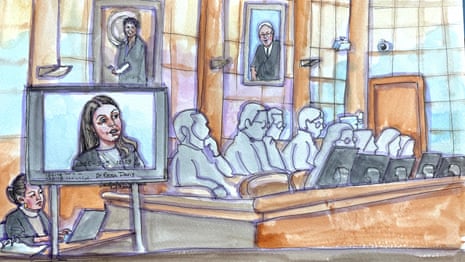
Meta faces a landmark 6-8 week trial (opened January 2025) with California and 28 US states alleging COPPA violations and illegal data collection from children under 13. The lawsuit centers on Meta's "hook, hold, harvest, hide" business model—attracting young users, maintaining engagement, collecting personal data, and concealing practices. Prosecutors claim Meta disabled only 1 million underage accounts despite millions of violations, while former safety engineer Arturo Béjar testified Meta operated under a "don't ask, don't tell" approach to child safety. Potential damages reach $200 billion (equivalent to Meta's 2025 annual revenue), with courts potentially mandating product redesigns affecting Meta's core algorithm and data practices.
For e-commerce sellers, this trial creates a critical compliance inflection point. If Meta loses, the verdict will establish precedent for COPPA enforcement across all platforms collecting data from users under 13—including TikTok Shop, YouTube Shopping, and Instagram Shops. Sellers marketing products to children (toys, educational content, apparel, gaming accessories) will face mandatory age-gating, parental consent verification, and data minimization requirements. This eliminates non-compliant competitors: an estimated 30-40% of small sellers currently use undisclosed child targeting on Meta ads without proper COPPA compliance. Compliant sellers gain a defensible moat—platforms will prioritize verified, certified sellers who demonstrate COPPA compliance through third-party audits.
The compliance opportunity is immediate and high-margin. Sellers can fast-track COPPA certification through specialized service providers (estimated cost: $2,000-5,000 per product line, 4-6 week timeline). Categories most affected: toys/games (COPPA-mandatory for under-13 targeting), educational products, children's apparel, and digital content. Sellers who obtain COPPA Safe Harbor certification by Q2 2025 will capture market share from non-compliant competitors facing account suspensions. Alternative strategy: pivot to 13+ age-gated products or shift marketing to parent-focused channels (Pinterest, parenting blogs) where COPPA enforcement is lighter. The trial verdict (expected Q2 2025) will determine enforcement intensity—early movers gain 6-12 month competitive advantage before mass compliance deadlines.
Questions 8
What are the financial penalties for COPPA violations and account suspension risks?
The FTC imposes civil penalties of $43,792 per violation (adjusted annually for inflation). A single seller violating COPPA across 100 product listings could face $4.3M in fines. Beyond fines, platforms suspend accounts: Meta has already disabled 1 million underage accounts, and post-trial will likely implement automated suspension for sellers with COPPA violations. Account suspension means loss of all sales, reviews, and seller rating—effectively a market exit. The trial testimony showed Meta's 'don't ask, don't tell' approach enabled violations; post-verdict, platforms will shift to 'verify everything' enforcement.
When should sellers implement COPPA compliance to avoid competitive disadvantage?
Sellers should implement COPPA compliance immediately (January-March 2025) before the trial verdict in Q2 2025. Early movers gain 6-12 months competitive advantage: platforms will prioritize certified sellers in search rankings and recommendations, while non-compliant competitors face suspension. The trial is expected to last 6-8 weeks with testimony from Meta CEO Mark Zuckerberg and Instagram CEO Adam Mosseri, suggesting a verdict by April-May 2025. Sellers waiting until post-verdict will face rushed compliance timelines and higher service provider costs as demand spikes.