

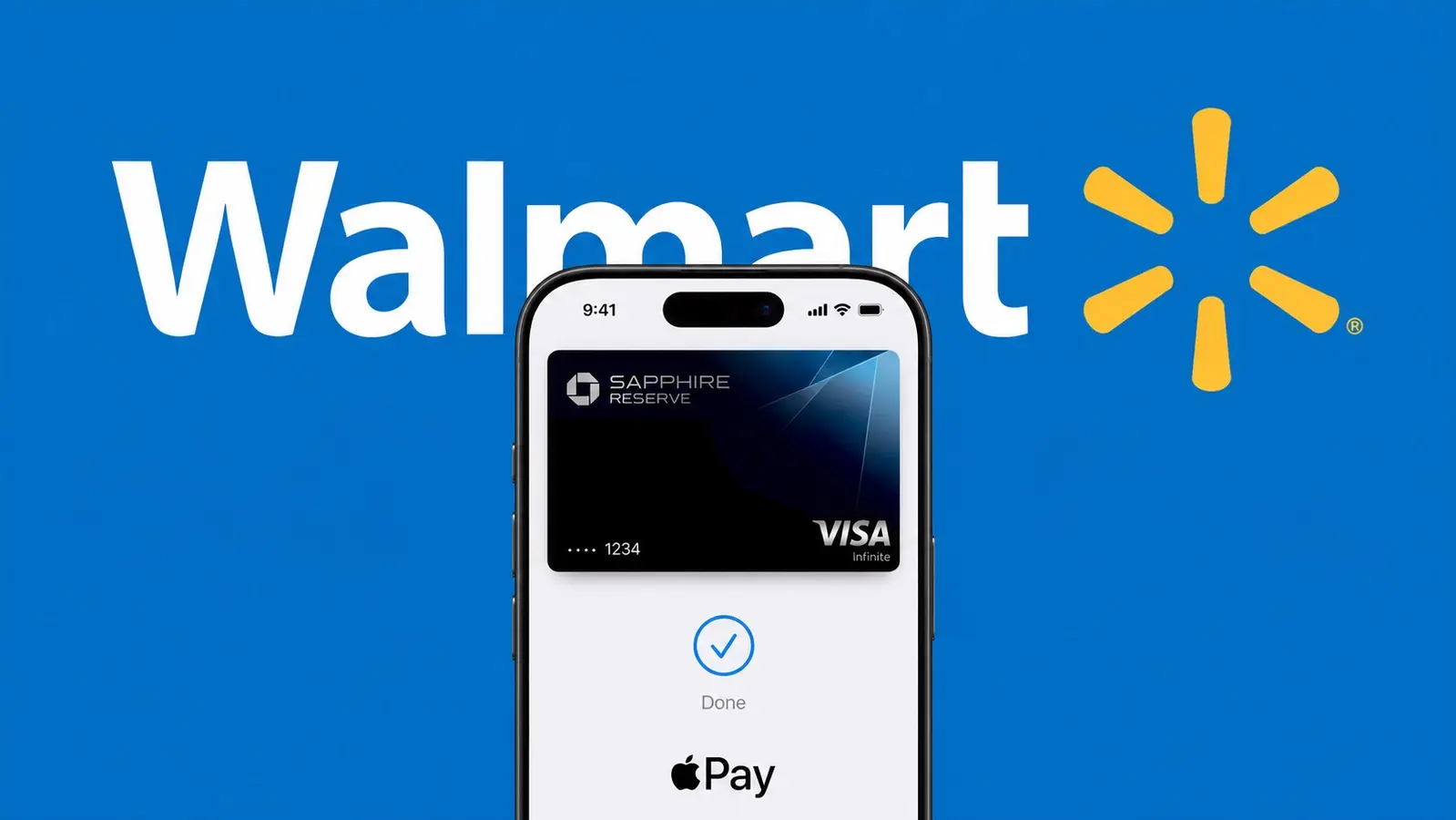
Walmart's Tap-To-Pay Expansion | Digital Payment Shift Reshapes Retail Checkout & Seller Opportunities
- Walmart integrates Google Pay and Apple Pay across US stores, accelerating contactless payment adoption and creating new O2O opportunities for sellers to enhance in-store conversion through mobile wallet integration






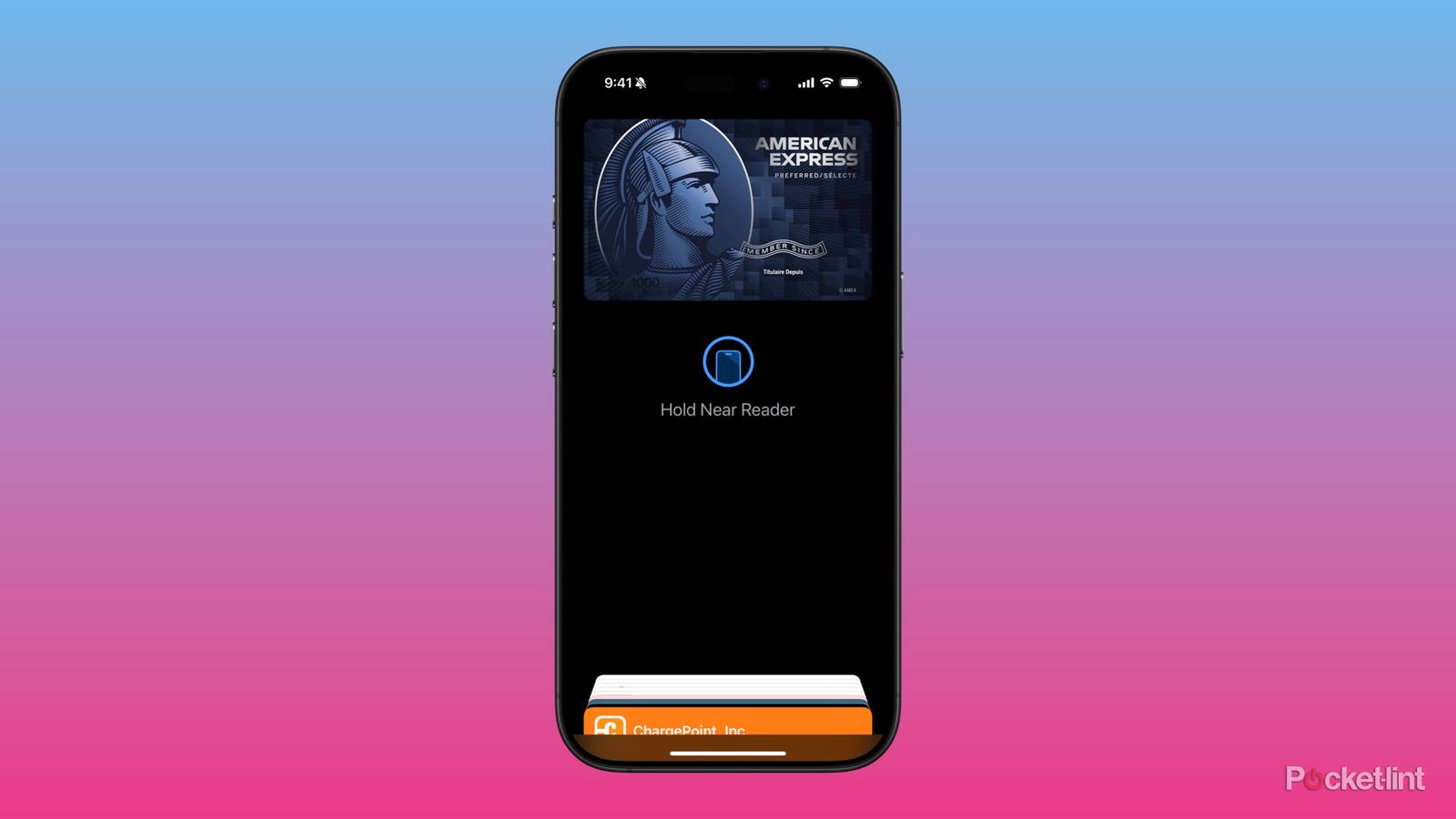




Overview
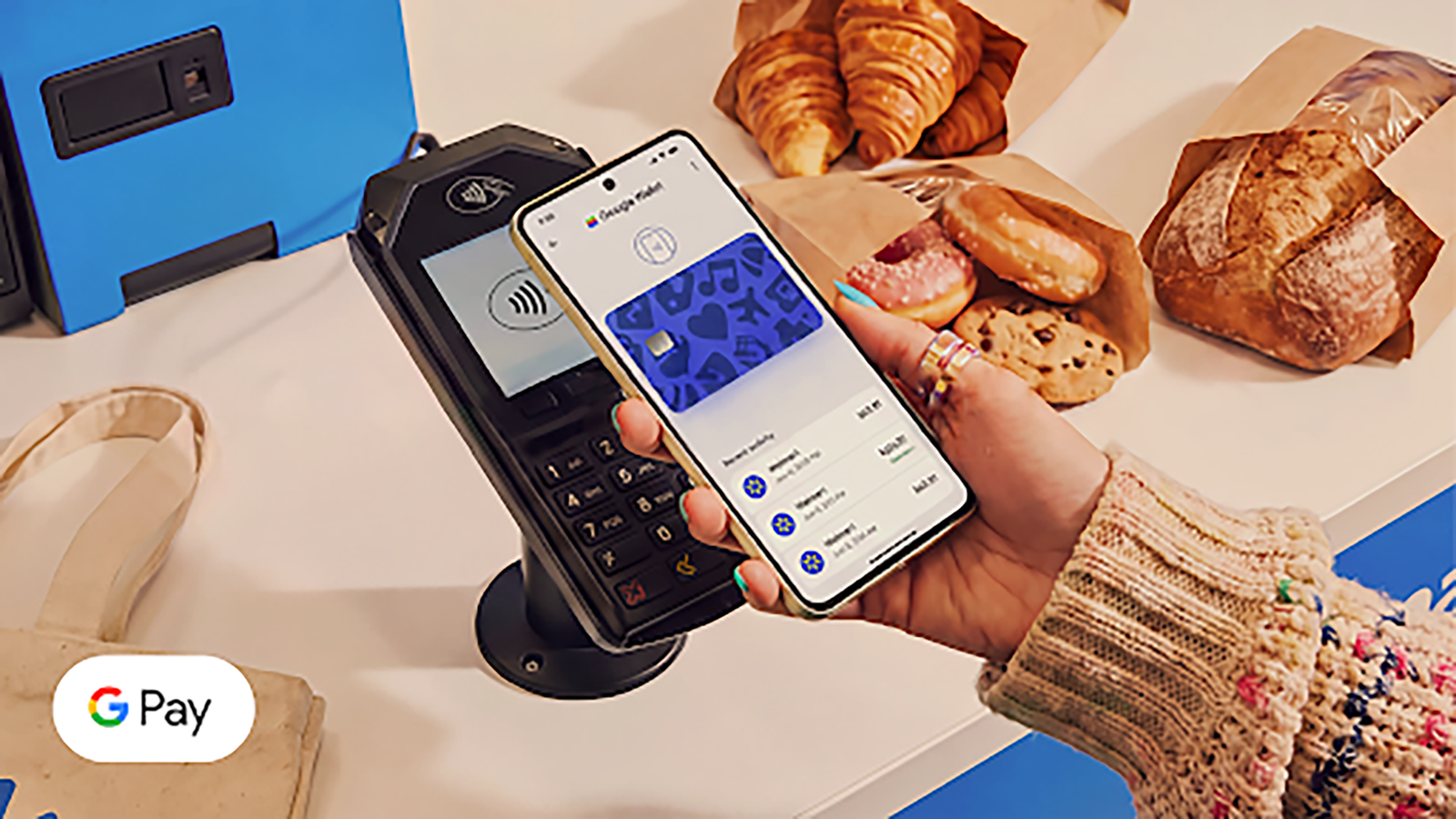
Walmart's integration of Google Pay and Apple Pay across its US store network represents a fundamental shift in retail payment infrastructure that directly impacts third-party sellers and marketplace operators. The rollout of tap-to-pay technology addresses documented consumer demand for contactless transactions—a behavioral shift that accelerated post-pandemic and now represents 40-50% of in-store transactions at leading retailers. By reducing friction in checkout experiences and decreasing payment processing costs, Walmart is simultaneously signaling to suppliers and third-party sellers that mobile wallet compatibility is now table-stakes for competitive retail presence.
For third-party sellers and marketplace operators, this development creates immediate O2O (Online-to-Offline) opportunities. Walmart's omnichannel payment consistency—where online and in-store payment experiences align—establishes a template that sellers must replicate across their own retail touchpoints. Sellers currently operating through Walmart Marketplace or planning pop-up/showroom presence in Walmart locations must now ensure their point-of-sale systems support Google Pay and Apple Pay. This requirement particularly affects sellers in high-velocity categories (electronics, beauty, apparel) where Walmart operates dedicated vendor spaces. The competitive landscape shows Target, Best Buy, and other major retailers have already implemented similar integrations, meaning sellers face a 30-60 day window to audit their retail payment capabilities before falling behind on customer experience metrics.
The operational implications extend to data collection and customer analytics. Walmart's tap-to-pay infrastructure enables enhanced data capture through tokenization and biometric authentication, creating richer customer profiles that inform inventory allocation, promotional targeting, and vendor performance scoring. Third-party sellers should anticipate that Walmart will increasingly use this payment data to optimize vendor selection and category management. Sellers with strong mobile payment adoption rates will likely receive better shelf positioning, promotional support, and category insights. Additionally, the acceleration of contactless payments reduces cash handling costs for Walmart, potentially freeing capital for increased vendor rebates or category investments—creating negotiation leverage for sellers willing to demonstrate strong digital payment adoption.
The timing aligns with post-pandemic consumer behavior shifts and creates a 6-12 month window for sellers to optimize their retail presence. Sellers planning pop-up stores, kiosks, or showroom experiences in major US cities should prioritize locations with high Google Pay/Apple Pay penetration (urban centers, tech-forward demographics) and ensure their POS systems support these payment methods from day one. This infrastructure investment—typically $2,000-5,000 for small retail spaces—should be factored into pop-up ROI calculations. For sellers already operating Walmart vendor spaces, the payment integration creates an opportunity to differentiate through seamless checkout experiences, potentially lifting conversion rates by 8-15% based on industry benchmarks for contactless payment adoption.
Questions 7
How does Walmart's payment infrastructure change affect data collection and vendor performance scoring?
Walmart's tap-to-pay infrastructure enables enhanced data capture through tokenization and biometric authentication, creating richer customer profiles that inform inventory allocation and vendor performance metrics. Sellers should expect that Walmart will increasingly use payment data to optimize vendor selection and category management. This means sellers with strong mobile payment adoption rates will likely receive better insights into customer behavior, category trends, and promotional opportunities. Sellers should monitor their vendor performance dashboards for new metrics related to digital payment adoption and conversion rates. This data-driven approach creates opportunities for sellers to differentiate through superior checkout experiences and mobile payment support.
Which product categories benefit most from Walmart's tap-to-pay integration and O2O opportunities?
High-velocity categories with strong mobile payment adoption include electronics, beauty, apparel, and home goods—segments where Walmart operates dedicated vendor spaces and where consumers demonstrate high digital wallet usage. Electronics sellers benefit most from faster checkout experiences, which reduce friction in high-ticket purchases. Beauty and apparel sellers can leverage tap-to-pay to enhance in-store experiences and drive impulse purchases. Home goods sellers benefit from streamlined transactions in pop-up showroom settings. Sellers in these categories should prioritize O2O strategies that emphasize seamless payment experiences, as mobile wallet adoption directly correlates with conversion rate improvements in these segments.