



China Real Estate Crisis Reshapes Consumer Spending | Cross-Border Seller Impact
- 25% GDP sector contraction triggers 20%+ home price decline, reducing Chinese consumer purchasing power for imported goods and affecting payment reliability across Asia-Pacific e-commerce corridors
Overview
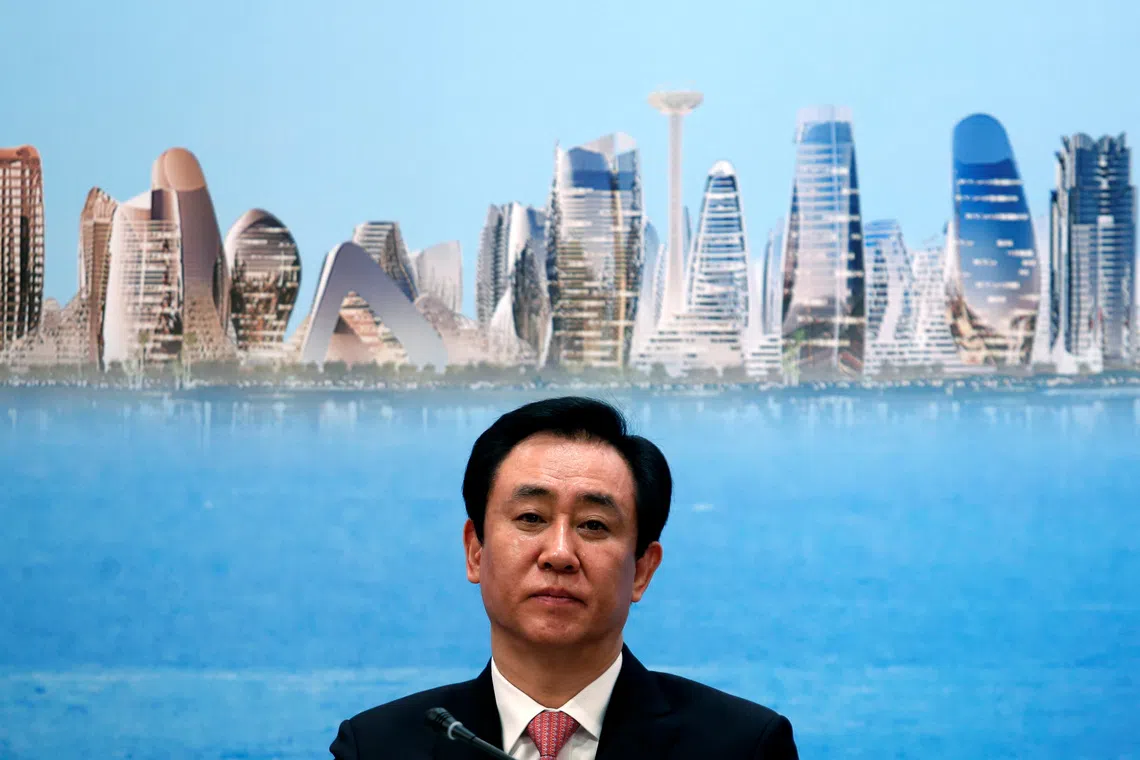
The accelerating liquidation of Evergrande—with $300 billion in liabilities and founder Hui Kan Yan sentenced to life imprisonment for financial crimes—signals a critical structural shift in China's economy that directly impacts cross-border e-commerce sellers. Chinese authorities accepted the bankruptcy liquidation case in Guangzhou courts in 2024, following strict borrowing restrictions implemented in 2020 that triggered widespread developer failures. The real estate sector, which previously represented approximately 25% of China's economy, now faces prolonged headwinds with home prices declining 20% or more since 2021 and limited recovery signs.
For cross-border sellers, this creates immediate payment and demand-side risks. The housing market collapse has compressed consumer discretionary spending across China, directly reducing demand for imported electronics, home goods, apparel, and luxury items that typically flow through Amazon, Shopify, and regional marketplaces. Chinese consumers—historically a growth engine for sellers exporting to Asia-Pacific—now face reduced wealth from property devaluation and tighter credit conditions. Payment reliability has deteriorated: liquidators are pursuing $8.4 billion from PwC over audit failures, and investigations revealed Evergrande overstated revenues by $80 billion during 2019-2020, indicating systemic financial manipulation that extends to supplier networks and payment chains. PwC faced $62 million in mainland fines and $166 million in Hong Kong penalties, reflecting broader audit and compliance failures that affect cross-border transaction verification.
The liquidation complexity creates currency and settlement risks for sellers. A Hong Kong court ordered liquidation of Evergrande's holding company in 2024, but most assets remain in mainland China under different legal systems. Hong Kong-appointed liquidators from Alvarez and Marsal have limited capacity to recover assets, creating uncertainty in cross-border payment corridors. Creditors face minimal recovery prospects—industry experts project recovery of only single-digit percentages of the $300 billion owed—indicating systemic credit risk that extends to suppliers and payment processors. The liquidation process will extend for years given jurisdictional challenges and asset location complications. For sellers, this means: (1) reduced consumer demand from Chinese buyers, (2) increased payment default risk from Chinese suppliers and partners, (3) currency volatility as the yuan weakens under economic pressure, and (4) delayed settlements in cross-border transactions involving Chinese entities. Sellers should immediately audit exposure to Chinese payment partners, reduce inventory targeting Chinese consumers, and shift working capital toward more stable markets in Southeast Asia and India.
Questions 8
What compliance and audit risks should sellers monitor given PwC's $228 million in fines?
PwC faced $62 million in mainland fines and $166 million in Hong Kong penalties for audit failures related to Evergrande's $80 billion revenue overstatement. This signals heightened regulatory scrutiny of financial verification and compliance across cross-border transactions. Sellers should immediately: (1) audit all supplier financial statements and certifications, (2) implement third-party verification for high-value suppliers (costs $500-2,000 per audit), (3) maintain detailed documentation of all cross-border transactions for regulatory review, and (4) consider compliance insurance for supply chain risks (costs 0.5-1% of transaction value). Sellers with suppliers in China face increased audit risk and potential transaction delays. Recommendation: diversify supplier base to reduce China concentration and implement automated compliance monitoring through platforms like Dun & Bradstreet or Creditsafe.
How can sellers capitalize on liquidation-driven asset sales and inventory opportunities?
The Evergrande liquidation and broader real estate collapse are creating distressed asset sales and inventory liquidation opportunities. Sellers can source products at 30-50% discounts from liquidation auctions and distressed inventory sales. Opportunities: (1) monitor Alibaba liquidation auctions and Chinese bankruptcy courts for inventory sales, (2) partner with liquidation specialists like Alvarez and Marsal for early access to asset sales, (3) source home furnishings, building materials, and appliances at steep discounts, (4) resell through Amazon, eBay, and Shopify at 20-30% margins. Timing is critical: liquidation process extends for years, creating sustained sourcing opportunities. Sellers should allocate $10-50K to liquidation sourcing in Q1 2025 to capitalize on distressed pricing. This can improve gross margins by 5-10% on sourced inventory.