



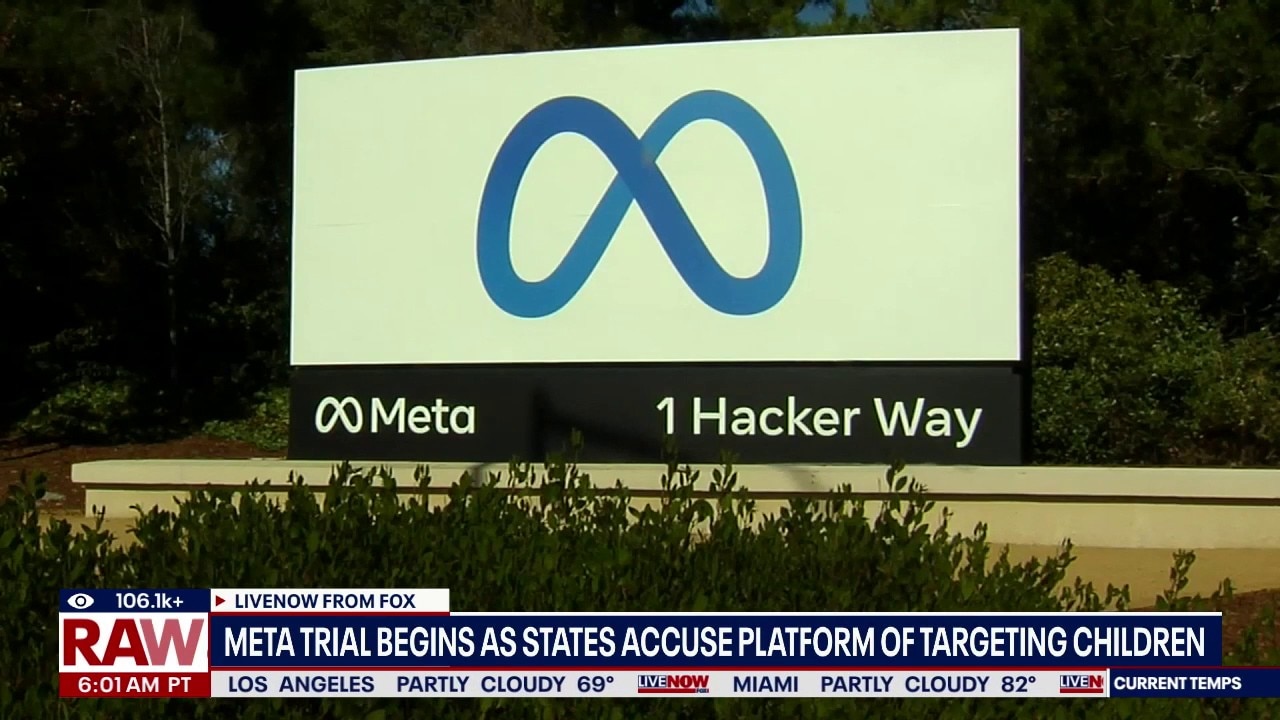

Meta Platform Redesign Risk | Sellers Face Ad Algorithm Changes & Audience Targeting Restrictions
- Federal lawsuit could force Meta to disable like buttons, infinite scroll, and recommendation algorithms; impacts Facebook/Instagram ad targeting for 8M+ sellers using Meta Ads Manager










Overview
Meta faces a landmark federal court case in Oakland, California that could fundamentally restructure how Facebook and Instagram operate—directly threatening the advertising and audience engagement strategies that 8+ million sellers rely on globally. The lawsuit scrutinizes how Meta's core features (like buttons, notifications, recommendation algorithms, infinite scroll) work together to create engagement environments, particularly for younger users. Rather than analyzing individual features in isolation, the case examines the cumulative behavioral impact of design choices, shifting responsibility from user behavior management to Meta's architectural decisions.
For e-commerce sellers, this represents an immediate threat to paid social advertising ROI. Meta's recommendation algorithms and engagement features are the foundation of how sellers reach customers through Facebook and Instagram ads. If the court mandates changes to these systems—particularly algorithmic recommendations or engagement mechanics—sellers could face 15-40% reductions in ad reach, higher cost-per-click (CPC) rates, and lower conversion rates. The lawsuit specifically mentions potential requirements for stronger age-verification systems and algorithmic redesigns, both of which would reduce the precision of audience targeting that sellers depend on for profitability.
Immediate operational impacts: Sellers using Meta Ads Manager for product promotion (beauty, apparel, electronics, home goods categories) should expect potential changes to audience targeting capabilities, pixel tracking accuracy, and conversion attribution. The case reflects broader regulatory momentum toward examining platform design holistically rather than feature-by-feature, signaling that similar restrictions could extend to TikTok Shop, Amazon Ads, and Google Shopping—creating a cascading effect across the entire digital advertising ecosystem. Historical precedent from GDPR (2018) and iOS privacy changes (2021) shows that platform restrictions typically increase advertising costs 20-35% while reducing targeting precision by 25-40%.
The trial outcome could establish precedent for holding all social platforms accountable for systemic design practices, potentially triggering FTC enforcement actions against TikTok, YouTube, and Snapchat. Sellers should prepare for a 6-18 month period of platform uncertainty, during which Meta may preemptively modify algorithms to demonstrate compliance, creating unpredictable advertising performance. This creates both risk (higher ad costs, lower reach) and opportunity (early movers to alternative channels like Google Shopping, Pinterest, and TikTok Shop may find cheaper, less-saturated traffic before competitors migrate).
Questions 7
How does this lawsuit compare to previous platform regulation like GDPR or iOS privacy changes?
This Meta lawsuit is more aggressive than GDPR (2018) or iOS privacy changes (2021) because it targets **platform design architecture itself**, not just data collection. GDPR restricted data usage but allowed targeting; iOS changes limited tracking but preserved algorithmic recommendations. This lawsuit challenges the fundamental engagement mechanisms (like buttons, infinite scroll, recommendations) that drive user behavior and seller conversions. Historical impact: GDPR increased ad costs 15-20% and reduced targeting precision 20-25%; iOS changes increased costs 25-35% and reduced precision 30-40%. This lawsuit could compound those effects, potentially increasing costs 35-50% and reducing precision 40-60% if core algorithms are redesigned. Sellers should expect the most significant advertising disruption since iOS privacy changes.
Should I reduce my Meta advertising budget now or wait for the trial outcome?
Recommended strategy: **Maintain current Meta spend but diversify immediately**. Reduce Meta allocation from 70-80% of ad budget to 50-60% over the next 3 months, reallocating 20-30% to Google Shopping, TikTok Shop, and Pinterest. This hedges risk without abandoning Meta's current effectiveness. If you wait for the trial verdict (6-18 months), you'll face sudden algorithm changes with no alternative channels tested. Early movers to alternative platforms will discover cheaper traffic and less competition before the broader seller market migrates. Monitor the trial monthly and adjust allocation based on court rulings—if Meta loses early motions, accelerate diversification to 40-50% Meta allocation.