
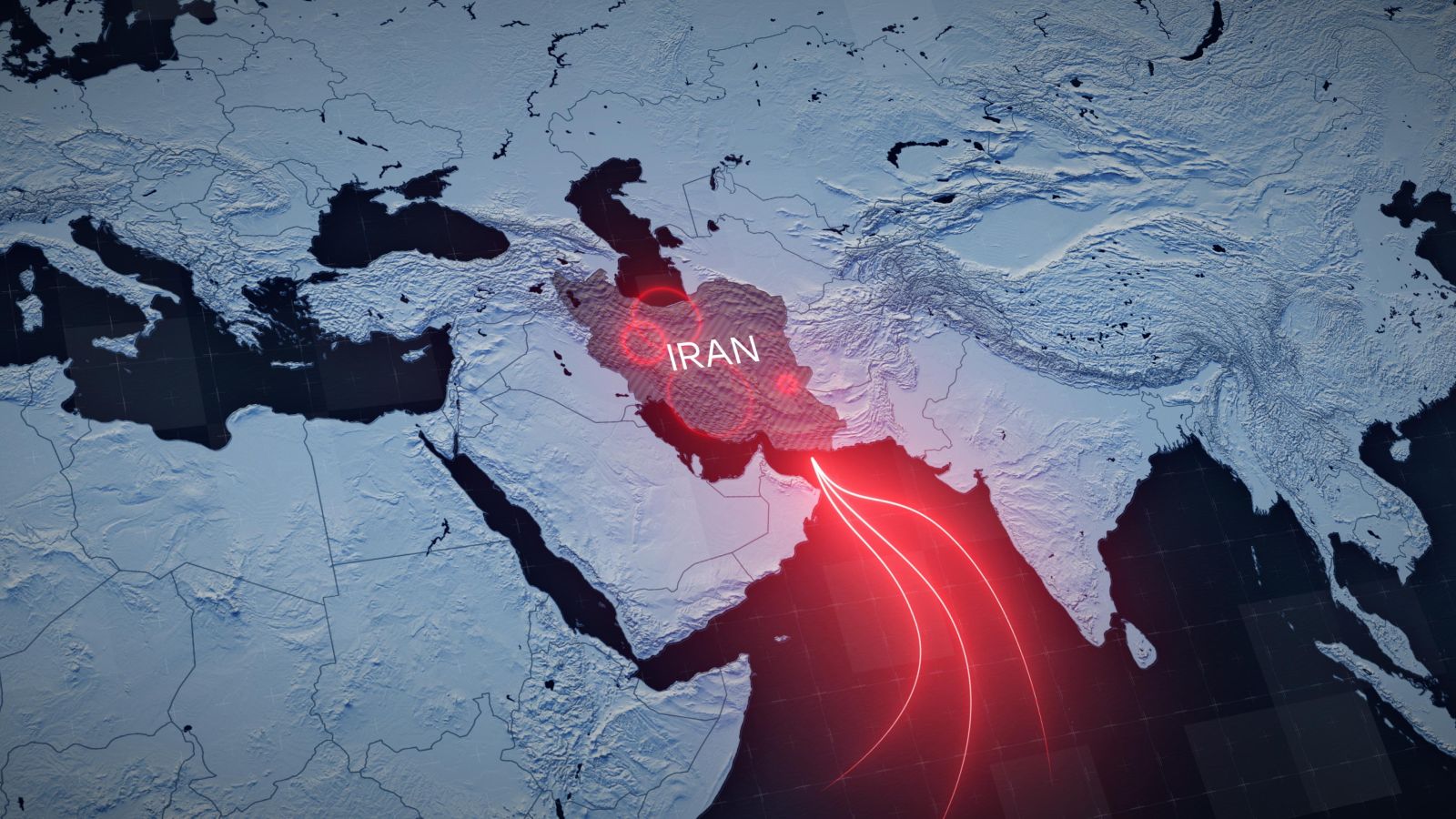



Hormuz Strait Shipping Crisis Drives 5.91% Oil Surge | Sellers Face Fuel Surcharge Spike
- Iran nuclear deal collapse triggers Strait of Hormuz restrictions; WTI crude jumps to $86.31; cross-border sellers face 8-15% logistics cost increases within 2-4 weeks















Overview
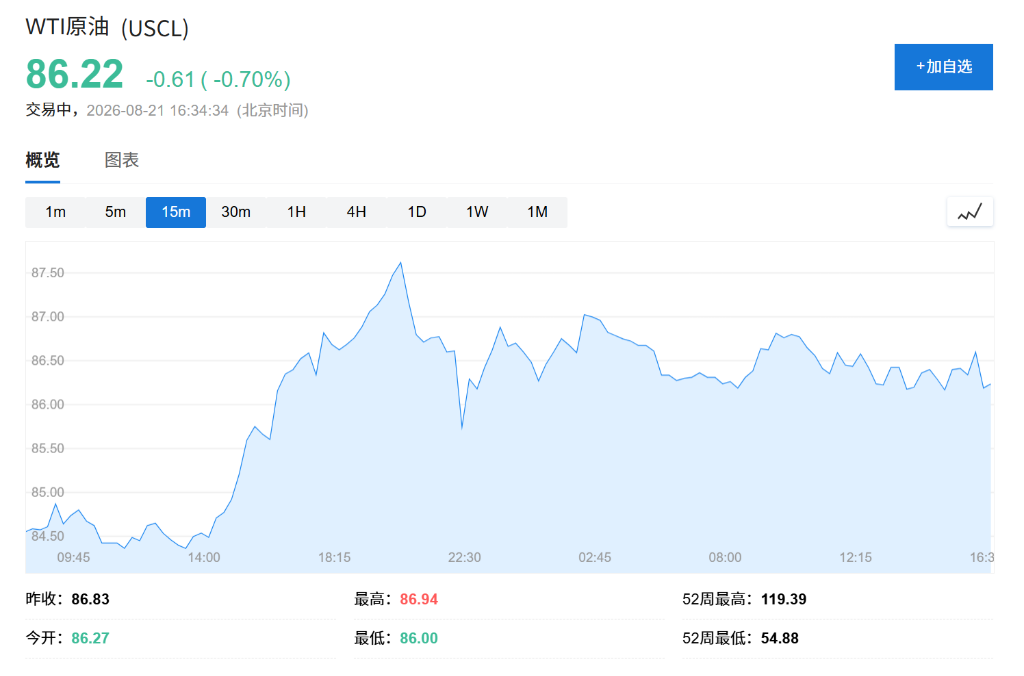
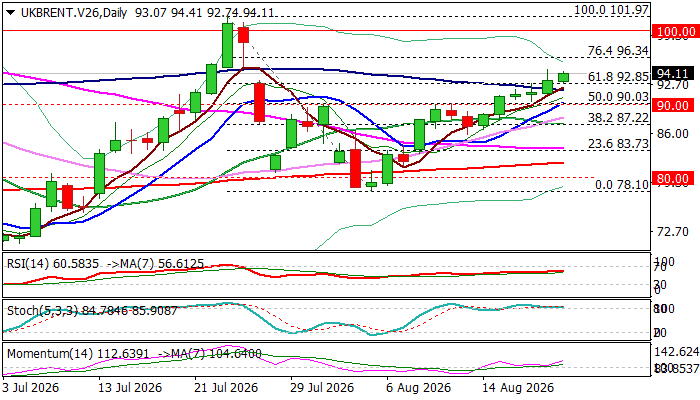
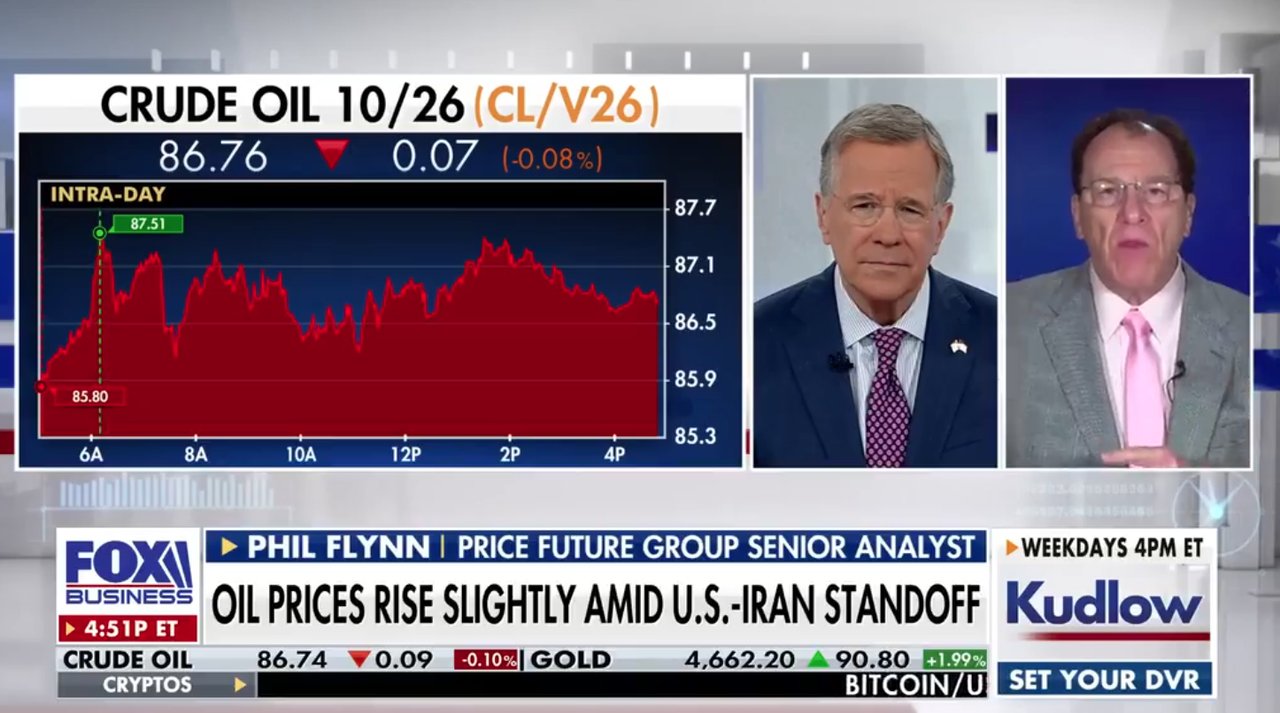
The Strait of Hormuz shipping crisis represents an immediate supply chain emergency for cross-border e-commerce sellers. Following the collapse of Iran nuclear negotiations and escalating Middle East geopolitical tensions, the critical chokepoint through which 20% of global oil and liquefied natural gas flows has experienced severe traffic restrictions—with only 5-6 commodity vessels transiting daily compared to normal operational levels. October WTI crude futures surged 5.91% to $86.31 this week, driven by supply concerns rather than diplomatic progress. Kpler shipping data documented the severity: only five vessels on Saturday, zero on Sunday, and six on Tuesday. This directly translates to elevated fuel surcharges for logistics providers, with refineries struggling to schedule, insure, and receive cargoes reliably.
For e-commerce sellers, the operational impact is immediate and quantifiable. Elevated oil prices directly compress margins through increased shipping costs, with logistics providers implementing fuel surcharges on FBA shipments, international freight, and last-mile delivery. Sellers relying on Asian manufacturing (China, Vietnam, India) and Middle Eastern trade routes face the highest exposure. Small-to-medium sellers (SMBs) shipping 500-2,000 units monthly can expect 8-12% cost increases on air freight and 5-8% increases on ocean freight within 2-4 weeks as carriers pass through energy costs. Large sellers with negotiated contracts may see 3-5% increases. Energy-dependent logistics sectors—particularly temperature-controlled shipping for beauty, food, and pharmaceuticals—face margin compression of 10-15%, forcing category-specific pricing adjustments or inventory repositioning.
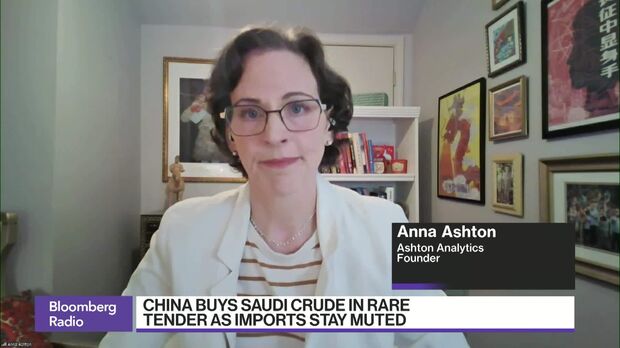
Strategic sourcing shifts are already underway. Saudi Aramco's limited loadings within the Strait and alternative cargo transfers at Fujairah, combined with Chinese companies sourcing crude outside the Persian Gulf, signal that logistics providers will increasingly route shipments through alternative corridors (Red Sea, Indian Ocean, Southeast Asian ports). This creates 2-3 week delivery delays for sellers accustomed to Hormuz-dependent routes. The ceasefire has ended with no scheduled negotiations, and Washington-Tehran relations continue deteriorating, indicating this is not a short-term disruption. Sellers must immediately audit their 3PL provider routing, negotiate fuel surcharge caps before rates lock in, and consider inventory pre-positioning in regional fulfillment centers (Fujairah, Singapore, Dubai) to bypass Hormuz-dependent logistics. Categories with high fuel sensitivity (electronics, appliances, heavy goods) require immediate margin recalculation and potential price increases to maintain profitability.
Questions 8
What actions should I take immediately to protect my margins?
Execute three immediate actions: (1) Contact your 3PL provider and logistics carriers within 48 hours to lock in fuel surcharge rates before they increase further—request 30-60 day rate guarantees; (2) Audit your inventory routing and request alternative non-Hormuz routes for shipments, accepting 2-3 week delays if necessary to avoid fuel surcharge spikes; (3) Recalculate margins for all SKUs, particularly temperature-controlled and heavy goods categories, and implement 5-8% price increases on Amazon, eBay, and Shopify within 1 week to offset 8-15% logistics cost increases. For high-volume sellers (1,000+ units monthly), negotiate volume commitments with 3PL providers in exchange for capped fuel surcharges. Monitor WTI crude prices daily; if oil prices exceed $90/barrel, implement additional 3-5% price increases to maintain profitability.
How does the Iran nuclear deal collapse affect my international shipping routes?
The Iran nuclear deal collapse directly impacts the Strait of Hormuz, through which 20% of global oil and liquefied natural gas flows. The news reports severely restricted traffic with only 5-6 vessels transiting daily, causing refineries to struggle with cargo scheduling and insurance. This creates two effects: (1) Elevated fuel costs passed through fuel surcharges on all international shipments, regardless of routing; (2) Longer delivery timelines for Asia-to-US/EU routes that traditionally use Hormuz. Washington-Tehran relations continue deteriorating with no scheduled negotiations, indicating this is a structural, not temporary, disruption. Sellers should diversify routing through Southeast Asian ports (Singapore, Bangkok) and Middle Eastern alternatives (Fujairah) to reduce Hormuz dependency. The geopolitical risk will likely persist 6-12 months, making supply chain resilience a competitive advantage.