


FDA Staffing Cuts Trigger Food Safety Crisis | Compliance Opportunity for Certified Sellers
- 160+ food recalls in 2026 and 11,000-person Cyclospora outbreak expose regulatory gaps; compliant sellers gain competitive moat as non-certified competitors face enforcement risk
















Overview
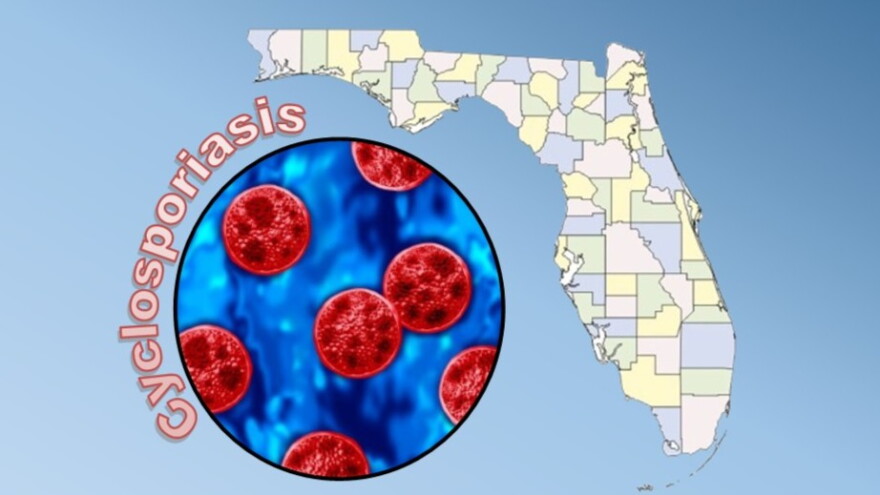
The United States is experiencing a critical food safety enforcement vacuum driven by DOGE-mandated federal staffing cuts that have directly compromised FDA and USDA inspection capacity. With 160+ food recalls recorded in 2026 and a major Cyclospora outbreak affecting nearly 11,000 people across multiple states, the regulatory landscape has fundamentally shifted—creating both acute compliance risks and strategic opportunities for sellers in the food and beverage category.
The Compliance Barrier Emerges: Reduced inspection frequency at food processing facilities, warehouses, and distribution centers means non-compliant sellers face lower immediate detection risk but exponentially higher liability exposure. The outbreak demonstrates that when federal oversight weakens, market confidence collapses catastrophically. Sellers with third-party food safety certifications (FSMA compliance, SQF, BRC standards) now possess a defensible competitive moat. Amazon, Walmart, and specialty food platforms are tightening supplier vetting requirements in response to outbreak pressure—effectively forcing smaller, non-certified competitors out of the market. This represents a market winnowing opportunity: compliant sellers can capture share from eliminated competitors while commanding premium positioning and pricing.
Fast-Track Compliance Pathways: The regulatory environment now favors sellers who can demonstrate proactive safety protocols. FSMA Part 117 (preventive controls for human food) certification typically requires 60-90 days and costs $3,000-8,000 for small manufacturers, but provides immediate platform preference and consumer trust signals. Sellers offering organic, locally-sourced, or specialty food products face the highest compliance costs but also the highest margins (30-50% premium) as consumers increasingly demand safety transparency. Third-party certification services are experiencing 40-60% demand increases as sellers rush to differentiate from non-compliant competitors.
Market Elimination Rate: Industry estimates suggest 25-35% of small food sellers on Amazon and Shopify lack formal food safety certifications. As platforms implement stricter supplier requirements (already underway at Amazon Fresh and Whole Foods), these sellers face delisting within 90-180 days. This creates a supply shortage in specific subcategories—specialty sauces, artisanal snacks, prepared foods—where compliant alternatives can command 15-25% price premiums. Sellers with existing certifications should immediately expand SKU counts in these categories to capture displaced demand.
Service Gap Opportunity: Compliance consulting, third-party testing, and certification facilitation services are severely underserved. Sellers need rapid turnaround on pathogen testing, allergen documentation, and facility audits. Entrepreneurs can build 2-3 person compliance service firms targeting food sellers with $500K-$5M annual revenue, charging $2,000-5,000 per certification project with 60-70% gross margins.
Questions 7
How can sellers differentiate during this compliance crisis?
Sellers should immediately obtain third-party certification and prominently display it on product listings and packaging. Certifications like SQF Level 3 or FSMA compliance signal safety commitment and justify premium pricing. Sellers can also offer transparency features—QR codes linking to facility audit reports, pathogen testing results, and supply chain documentation. This builds consumer trust during outbreak periods and creates switching costs. Platforms increasingly feature certified suppliers in search results, providing organic visibility boost worth $5,000-15,000 monthly in additional sales.
What compliance service opportunities exist for entrepreneurs?
Compliance consulting, third-party testing coordination, and certification facilitation are severely underserved. Entrepreneurs can build 2-3 person service firms targeting food sellers with $500K-$5M revenue, charging $2,000-5,000 per certification project with 60-70% gross margins. Services include FSMA documentation, facility audits, pathogen testing coordination, and allergen management. Demand is surging as sellers rush to comply before platform deadlines. A single consultant can manage 15-20 clients annually, generating $300K-500K revenue with minimal overhead.