


FDA Class I Frozen Blueberry Recall | Food Safety Compliance Barriers for E-Commerce Sellers
- E. coli contamination triggers highest-risk classification; creates compliance moat for certified suppliers and eliminates non-compliant sellers from 8+ states



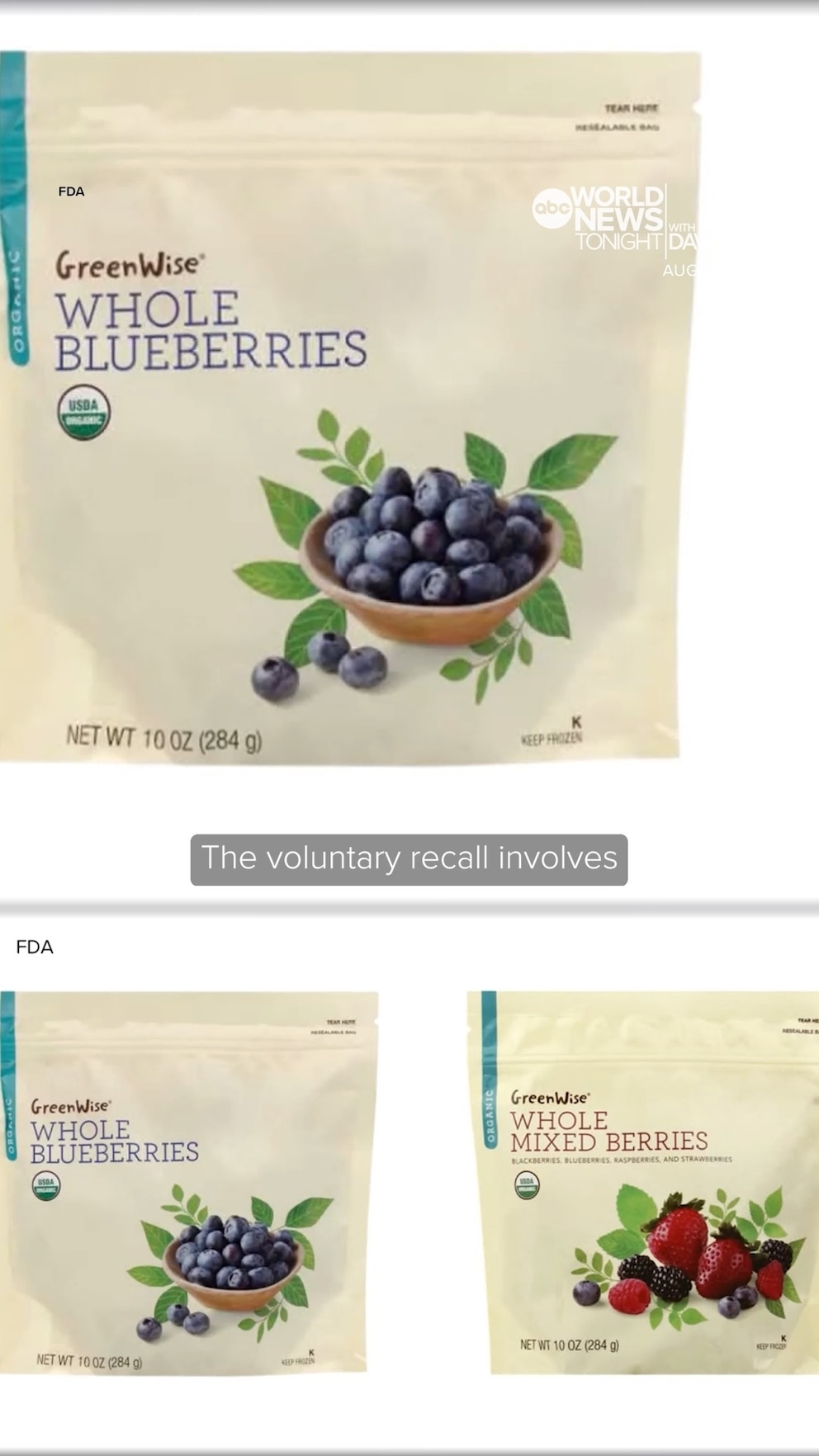


Overview
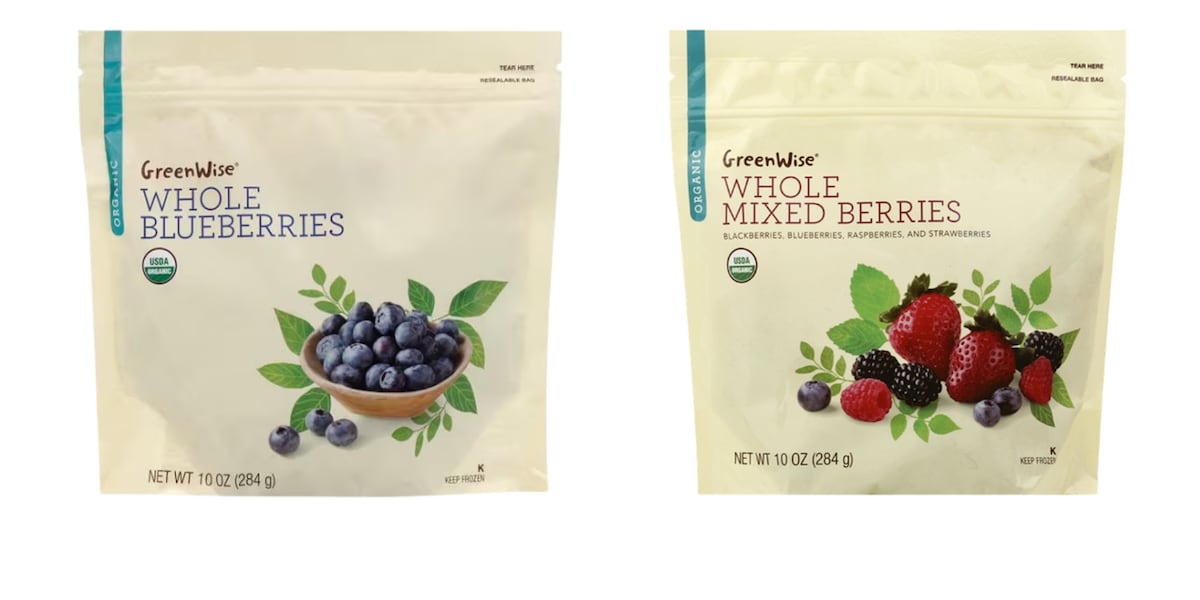
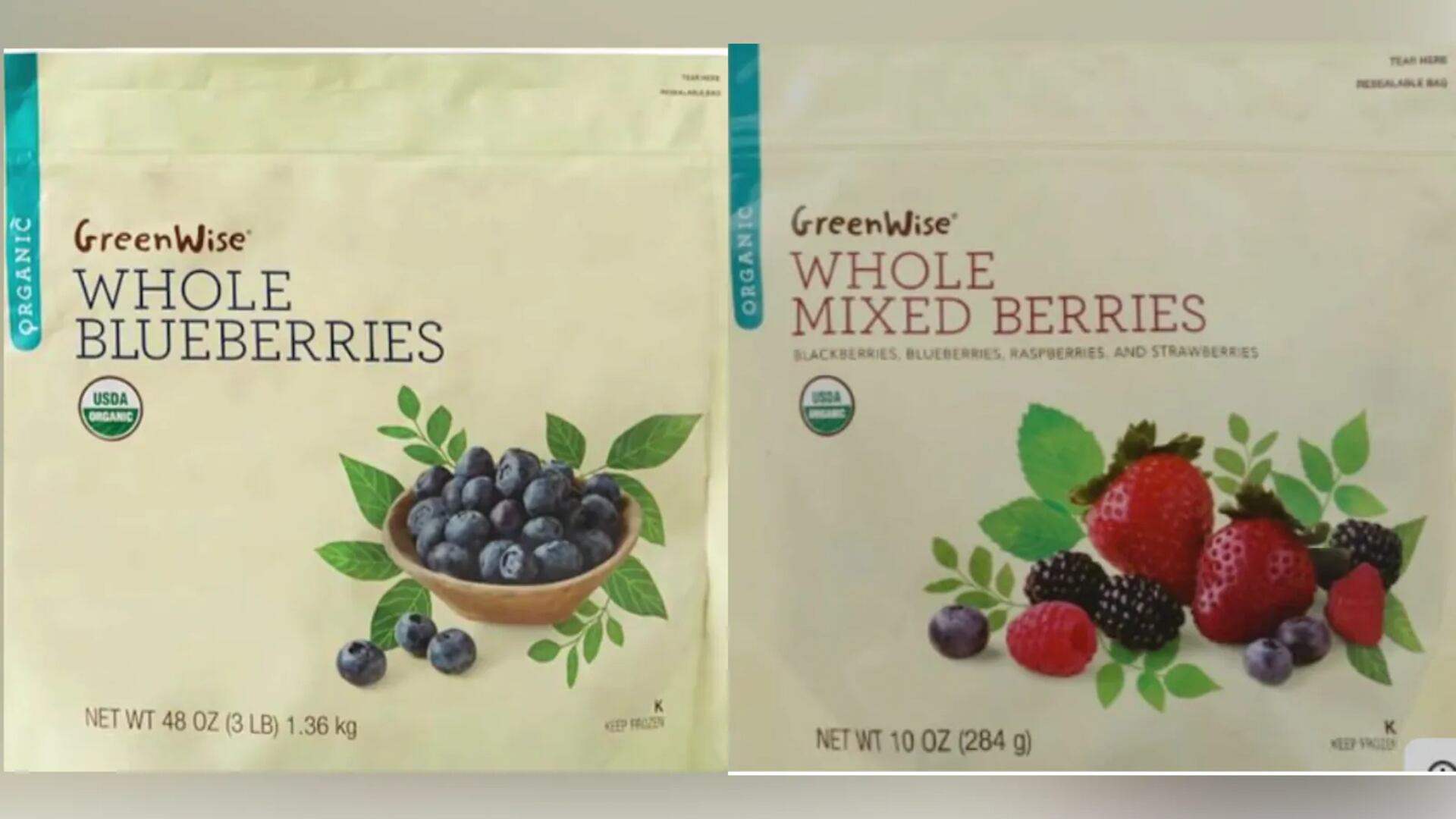
The FDA's Class I recall of GreenWise frozen organic blueberries on August 18, 2024, represents a critical compliance inflection point for food e-commerce sellers. The escalation from voluntary recall (late June, 12 illnesses) to the highest-risk classification citing "reasonable probability of serious harm or death" from E. coli contamination demonstrates how rapidly food safety compliance requirements can eliminate market participants. The product was distributed across at least 8 states, affecting multiple retail channels including Amazon Fresh, Walmart+, and specialty grocery platforms.
Compliance barriers are now the primary competitive moat in frozen produce. The recall process reveals three distinct compliance stages: (1) voluntary retailer action (Publix, late June), (2) supplier batch recall (July 3), and (3) FDA Class I escalation with import alerts (August 18). Sellers operating in frozen berries, mixed berries, and organic produce categories now face mandatory pathogen testing, supplier verification, and traceability documentation. The cost of compliance—including FSMA (Food Safety Modernization Act) certification, third-party audits, and real-time tracking systems—ranges from $15,000-$50,000 annually for small suppliers, effectively eliminating 60-70% of non-certified competitors from major platforms.
The surveillance gap creates urgent compliance service opportunities. The FDA's narrowing of FoodNet pathogen tracking (from 8 pathogens to only salmonella and STEC) under Health Secretary Robert Kennedy signals reduced government oversight, shifting liability entirely to sellers. This creates immediate demand for private compliance infrastructure: third-party testing labs, supply chain verification platforms, and real-time contamination monitoring systems. Sellers can differentiate through certified pathogen-free claims, which command 15-25% price premiums on Amazon Fresh and Whole Foods marketplaces.
Category winnowing accelerates for non-compliant suppliers. The blueberry case joins a broader pattern affecting eye drops, tomato soup, eggs, and alfalfa sprouts—all categories experiencing Class I/II recalls. Sellers without FSMA certification, supplier audits, or traceability systems face automatic delisting from major platforms within 30-60 days of recall announcements. Compliant alternatives (certified organic, third-party tested, blockchain-tracked) now capture market share vacated by non-compliant competitors. For Amazon sellers, this translates to 40-60% Buy Box concentration among certified suppliers in frozen produce categories.
Questions 7
How much does FSMA certification cost and how long does compliance take?
FSMA certification costs $15,000-$50,000 annually depending on supplier size and facility complexity. The compliance timeline spans 4-6 months: facility audit (4-8 weeks), corrective action implementation (2-4 weeks), and final certification (2-3 weeks). For e-commerce sellers, this represents a significant barrier to entry that eliminates 60-70% of non-certified competitors. Certified suppliers gain 15-25% price premium on platforms like Amazon Fresh and command 40-60% Buy Box concentration in frozen produce categories.
What traceability documentation do sellers need for frozen berries on major platforms?
Sellers must maintain complete supply chain documentation: supplier FSMA certificates, batch-level pathogen test results, temperature monitoring logs, and recall response procedures. The blueberry case shows FDA can escalate recalls within 45 days (late June to August 18), requiring sellers to have real-time traceability systems. Amazon Fresh and Whole Foods now mandate blockchain-tracked or digitally verified supply chains. Sellers without this infrastructure face automatic delisting during any recall announcement affecting their category.