



Treasury-Fed Policy Conflict Signals Dollar Weakness | Cross-Border Sellers Face Currency & Borrowing Cost Headwinds
- Bessent's Operation Twist could weaken USD 5-8%, raising import costs for US sellers; long-term borrowing rates spike 150+ bps, increasing working capital financing costs for SMB sellers

Overview
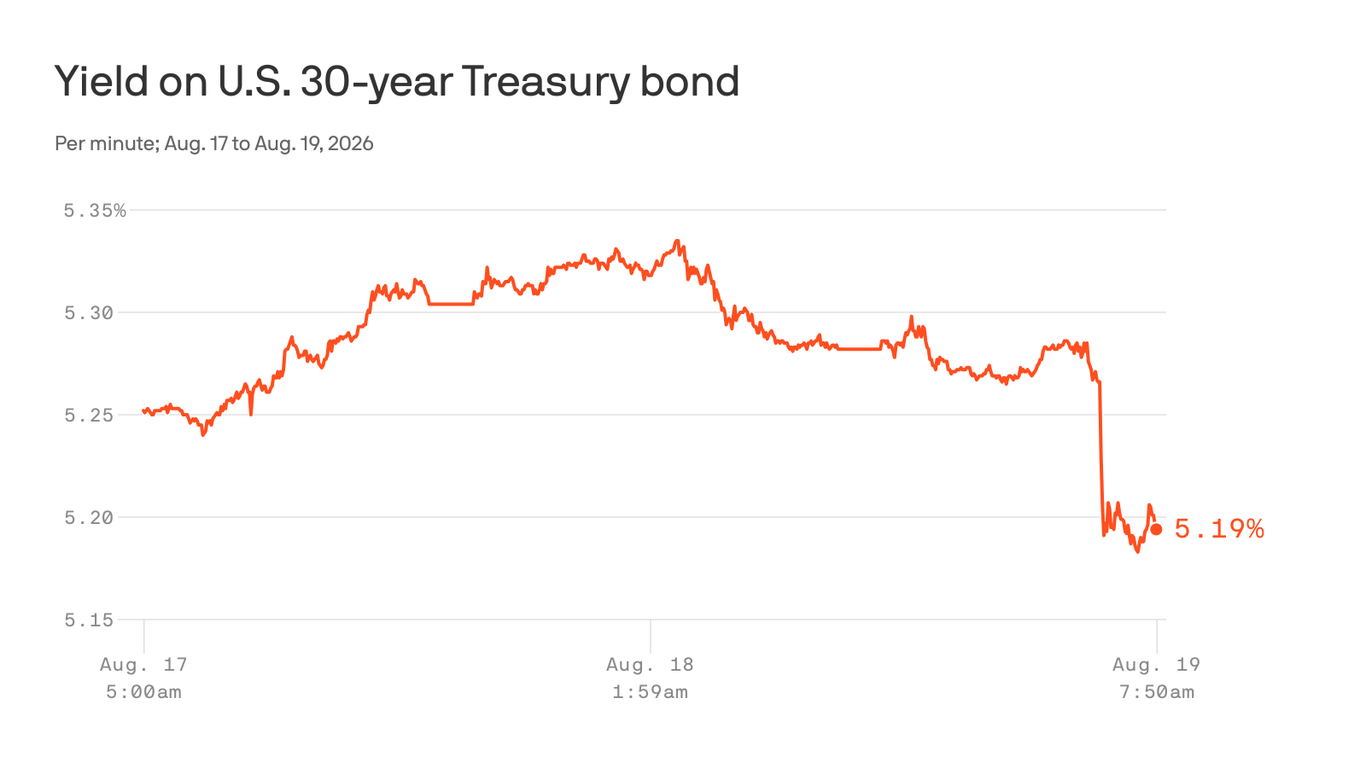
Treasury Secretary Scott Bessent's intervention in Treasury markets through Operation Twist—purchasing long-term bonds while selling short-term T-bills—creates significant macroeconomic headwinds for cross-border e-commerce sellers. The policy aims to lower long-term interest rates after 30-year Treasury yields hit 19-year highs, but economists warn this "fiscal dominance" over Federal Reserve independence could weaken the US dollar and accelerate inflation. For e-commerce sellers, this translates to three critical impacts: (1) Currency Risk: A weaker dollar increases import costs for US-based sellers sourcing from China, Vietnam, and India. Sellers importing goods valued at $100,000 could face 5-8% cost increases ($5,000-8,000) if the dollar depreciates as projected. (2) Borrowing Cost Uncertainty: Lou Crandall (Wrightson ICAP) warns that Bessent's remarks have created market uncertainty about government intentions, potentially raising long-term borrowing costs for working capital financing. Small and medium sellers relying on inventory financing through Amazon Lending, Shopify Capital, or traditional lenders face higher APRs—potentially 200-300 basis points above current rates. (3) Inflation Pressures: The proposed Operation Twist program could increase inflation, compressing profit margins across all categories as input costs rise faster than selling prices.
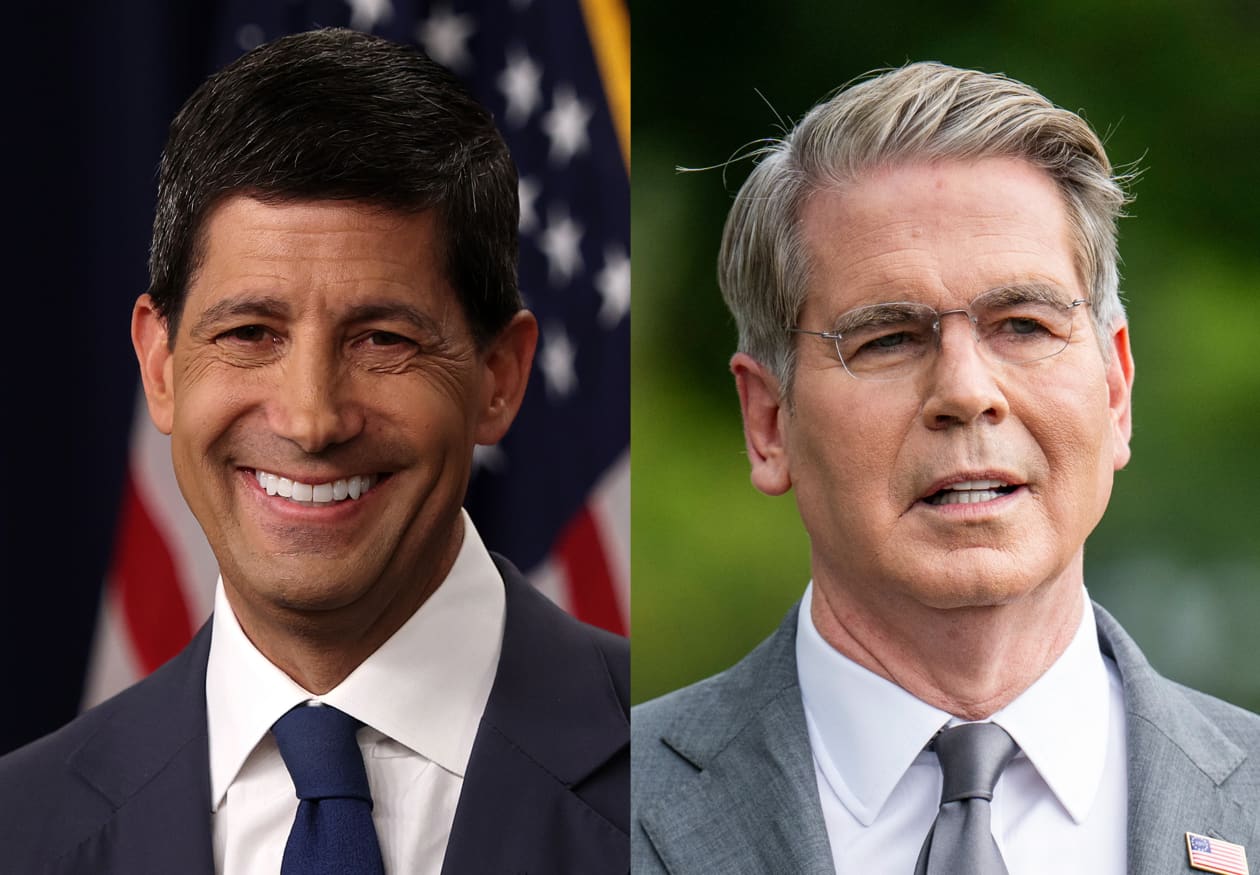
The policy conflict between Bessent (favoring Fed purchases of long-term securities) and Fed Chairman Kevin Warsh (advocating for smaller Fed balance sheet) creates strategic uncertainty. Warsh's openness to rewriting the 1951 Treasury-Fed Accord signals potential future policy shifts that could swing interest rates dramatically. For sellers, this uncertainty makes long-term financing decisions risky. Sellers planning inventory expansion or warehouse buildout face unpredictable borrowing costs. The weekly meetings between Bessent and Warsh remain undisclosed, leaving markets guessing about coordination—a red flag for sellers who need predictable cost structures.
Immediate implications for seller segments: US-based sellers with high import dependency (electronics, home goods, apparel) face the steepest margin compression. Sellers with existing variable-rate debt or planning to refinance inventory financing should lock in rates immediately before further increases. Cross-border sellers shipping from US to EU/UK markets benefit from dollar weakness (higher USD-denominated prices in foreign markets), but this advantage is offset by higher sourcing costs. The 3-6 month window before policy effects fully materialize represents a critical planning period for working capital strategy.
Questions 8
What is the timeline for these policy effects to impact seller costs?
The policy effects unfold in phases: **Immediate (0-30 days)**: Market uncertainty increases borrowing costs as lenders price in rate risk. **Short-term (1-3 months)**: Dollar weakness begins affecting import costs as currency markets adjust; sellers with new shipments in transit face higher landed costs. **Medium-term (3-6 months)**: Inflation pressures emerge as monetary expansion works through supply chains; input costs rise 2-4% above baseline. **Long-term (6-12 months)**: If Bessent and Warsh reach policy coordination, rates stabilize; if conflict continues, volatility persists. Sellers should act within the next 30-60 days to lock in financing and review sourcing strategies before the 3-6 month window when costs fully materialize.
How does dollar weakness benefit sellers shipping to international markets?
A weaker dollar increases the USD-denominated price of US goods in foreign markets, benefiting US sellers exporting to EU, UK, and Asia. For example, a $100 product becomes more expensive in euros when the dollar weakens, allowing sellers to maintain margins or increase prices. However, this benefit is offset by higher import costs for US-based sellers sourcing from abroad. The net effect depends on the seller's supply chain: sellers with US-manufactured goods or nearshoring (Mexico, Vietnam) benefit from dollar weakness; sellers importing from China face margin compression. Cross-border sellers should analyze their sourcing geography and pricing strategy to determine if they gain or lose from currency shifts.