





China's Humanoid Robotics Surge Reshapes E-Commerce Logistics | Seller Automation Opportunities 2026
- Unitree Robotics IPO signals $50B+ market opportunity; warehouse automation adoption accelerates 3-5 year timeline for cross-border sellers





































Overview
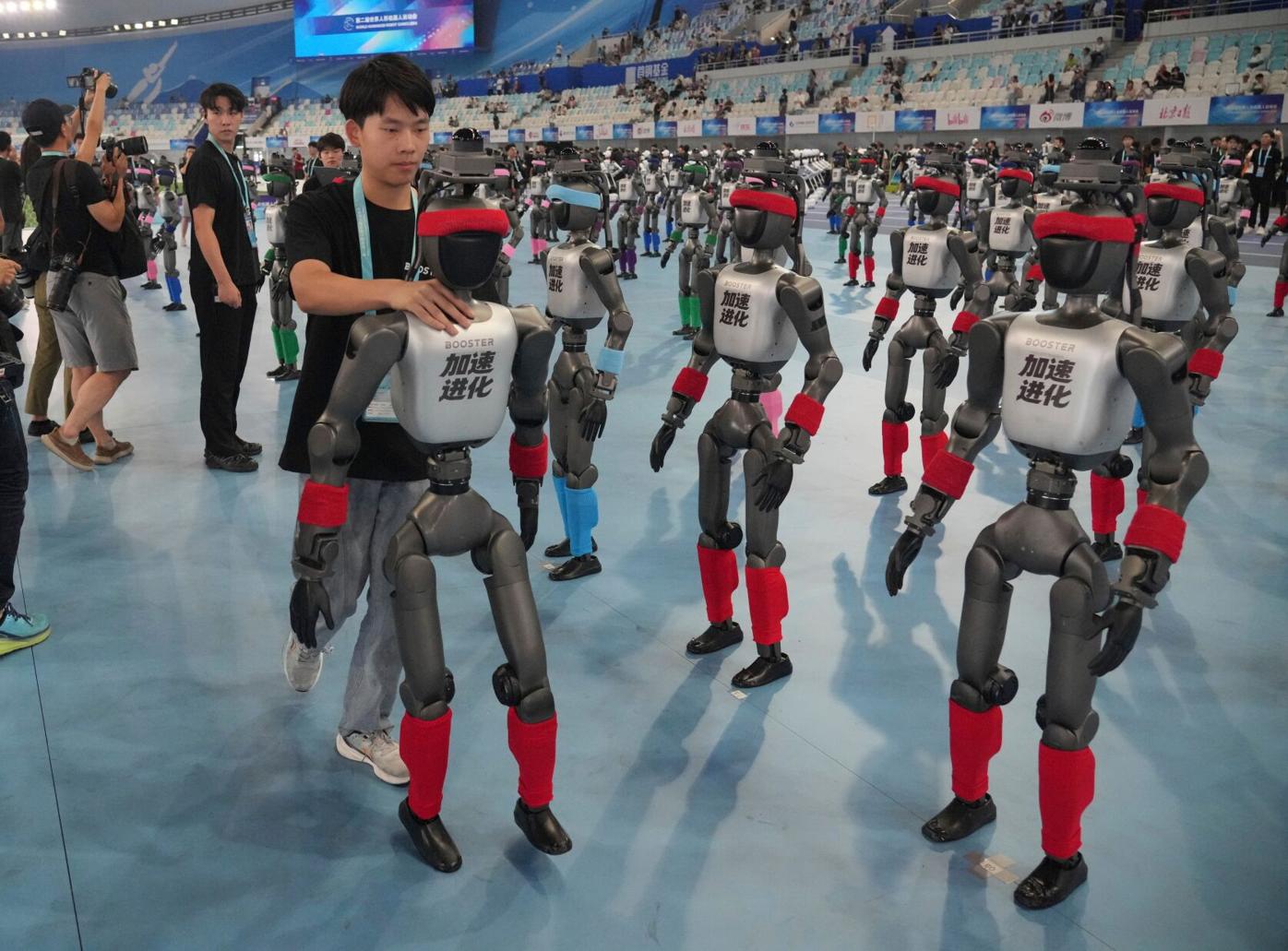
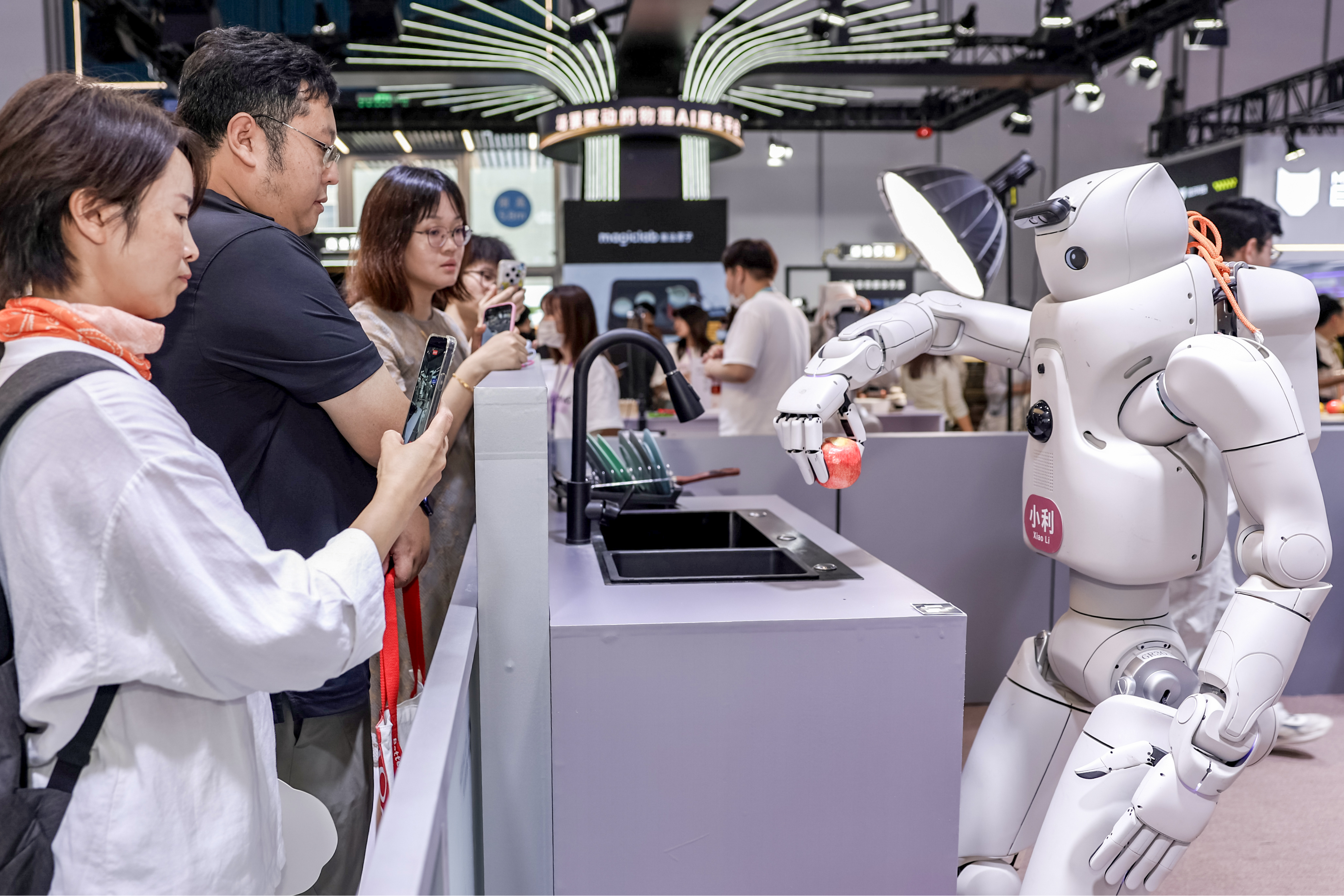
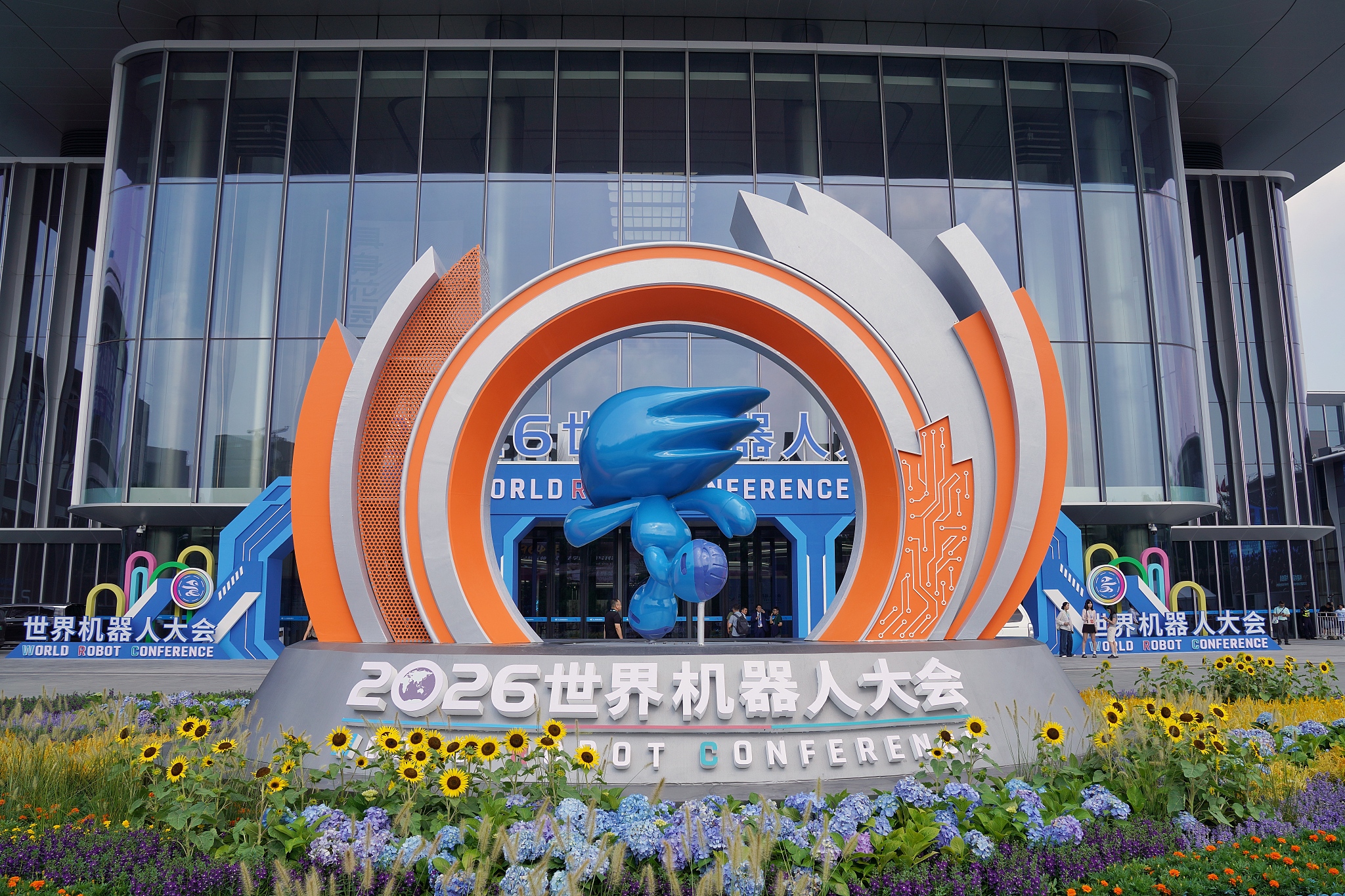
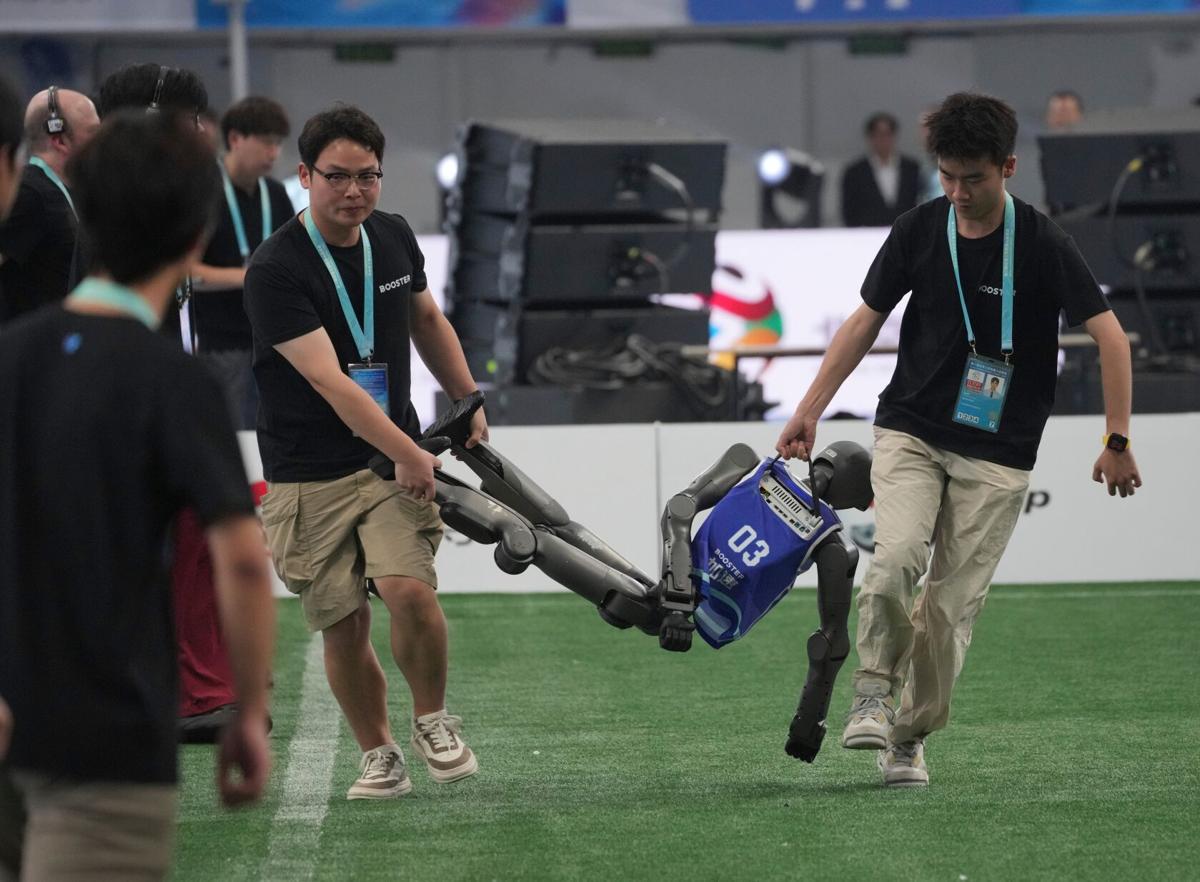
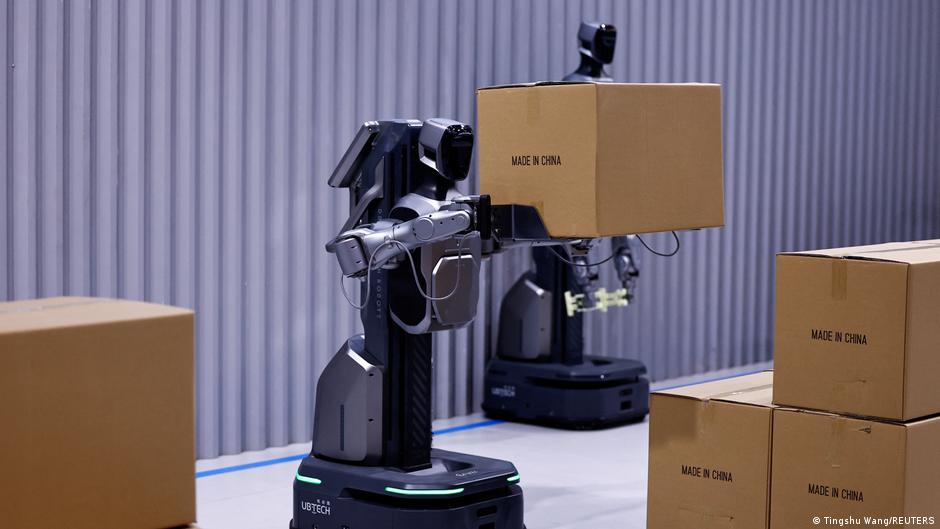
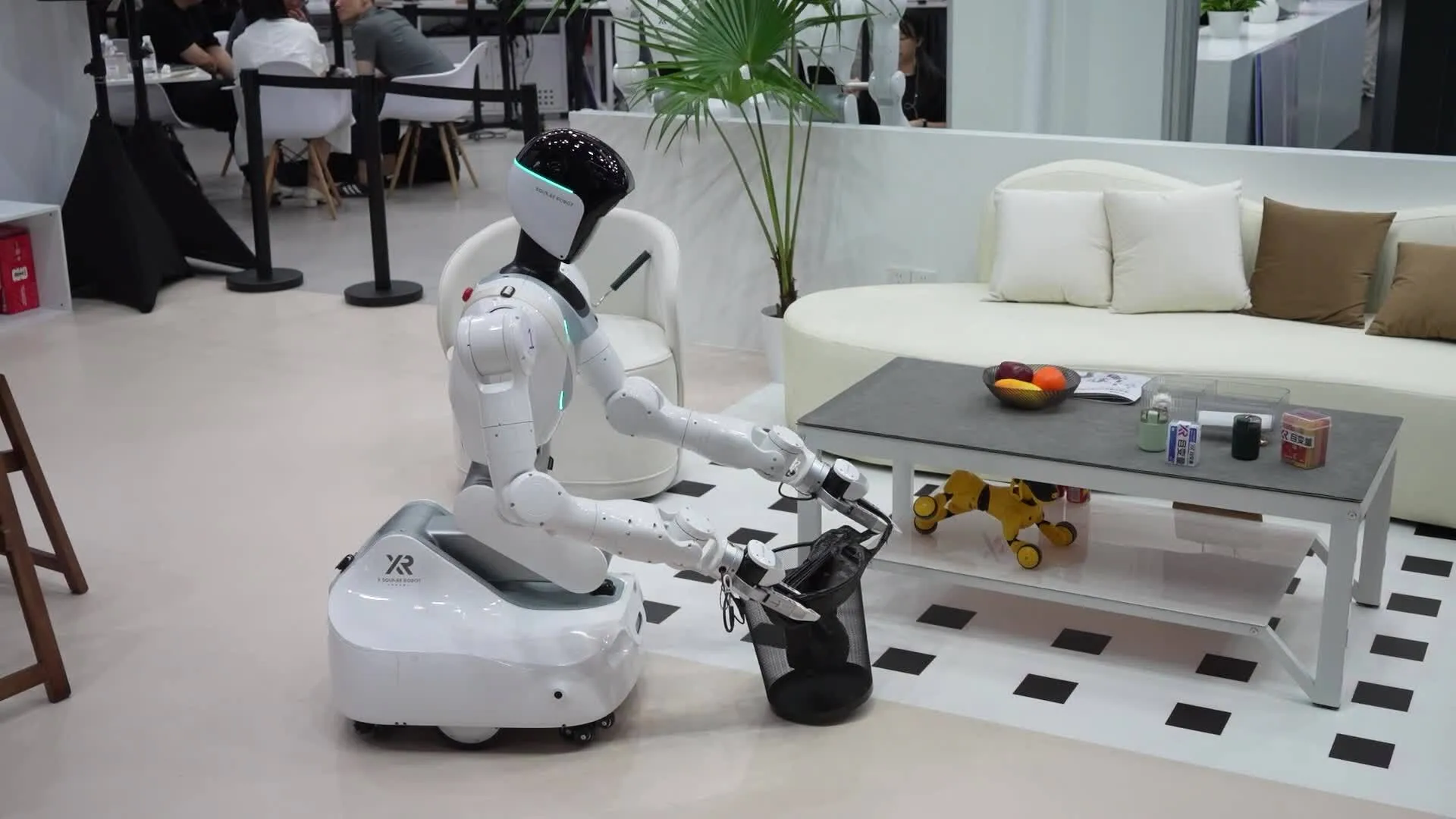
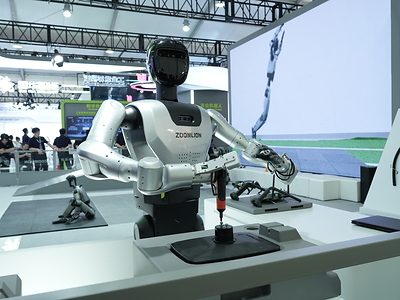
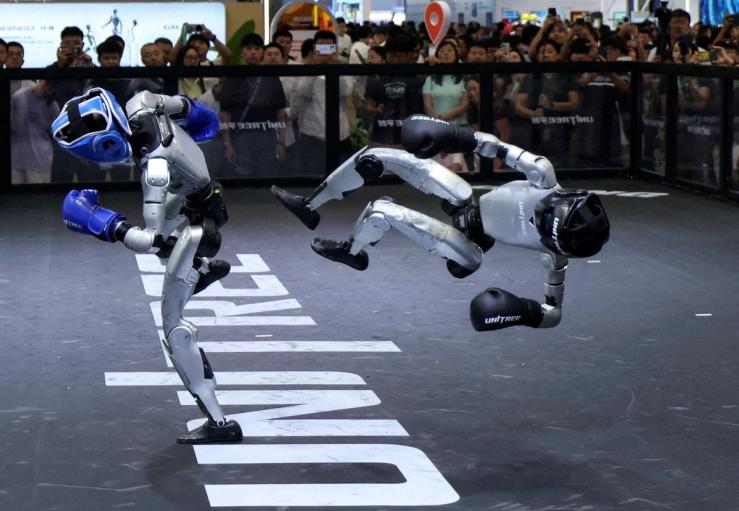
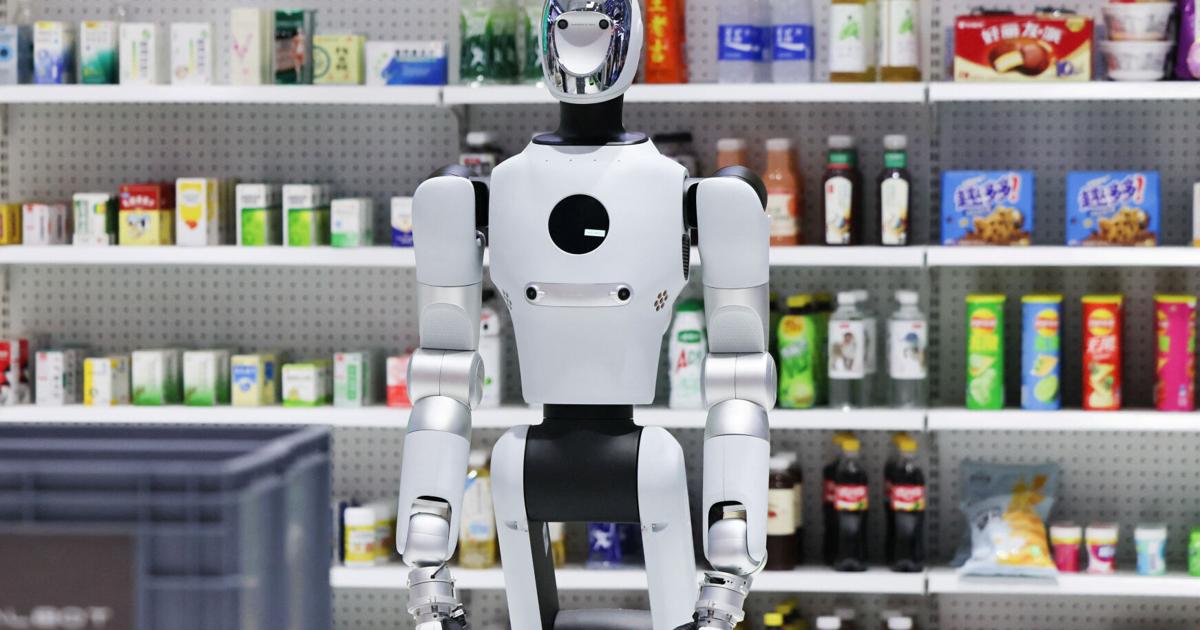
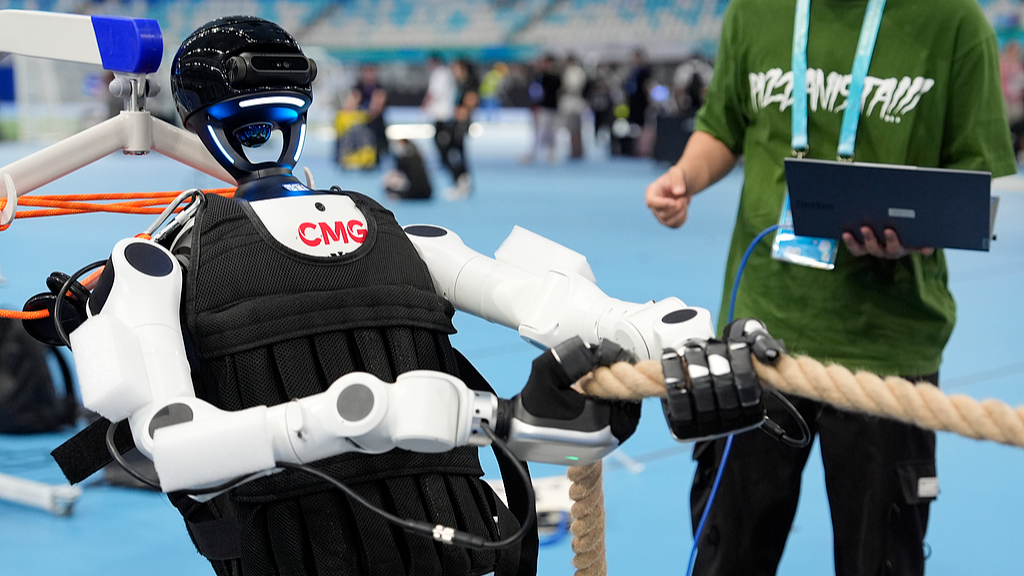
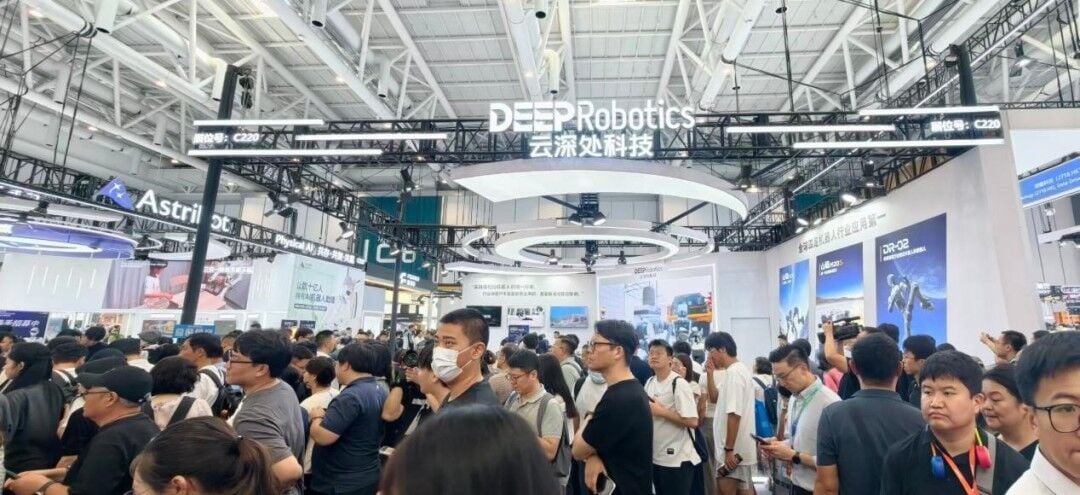
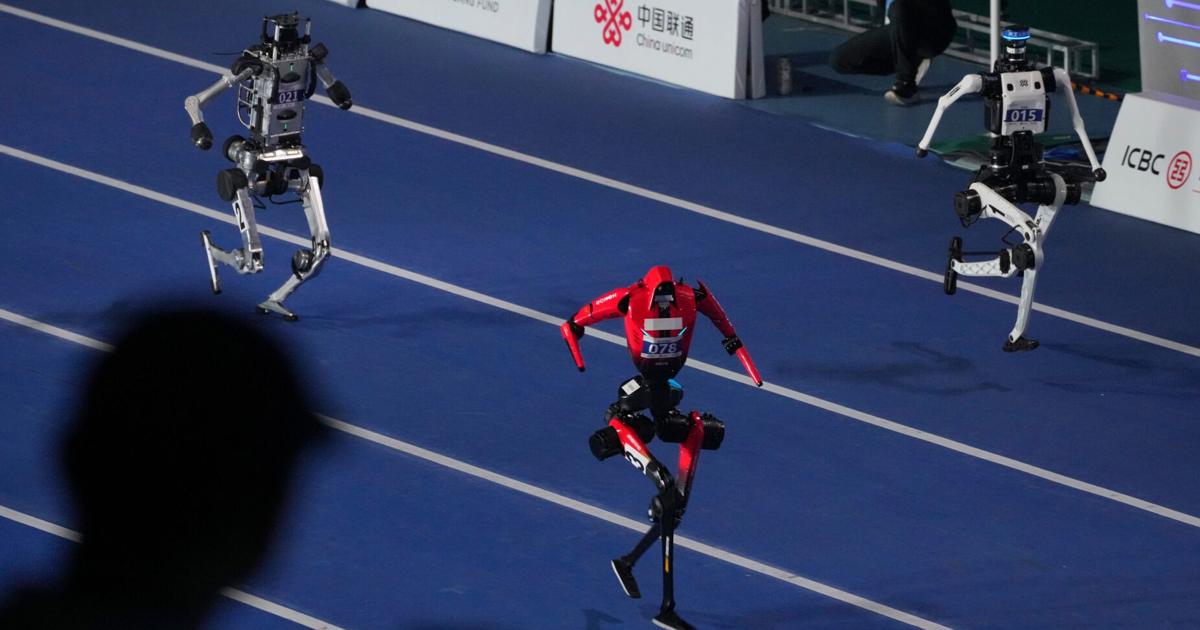
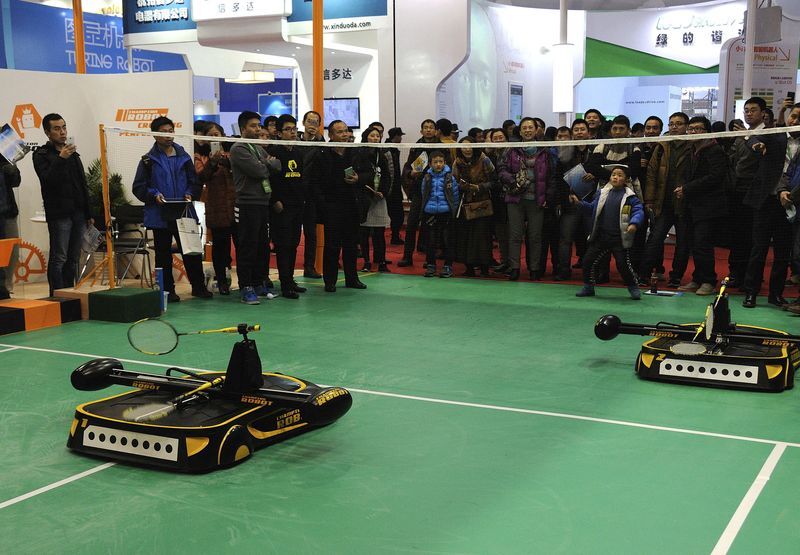
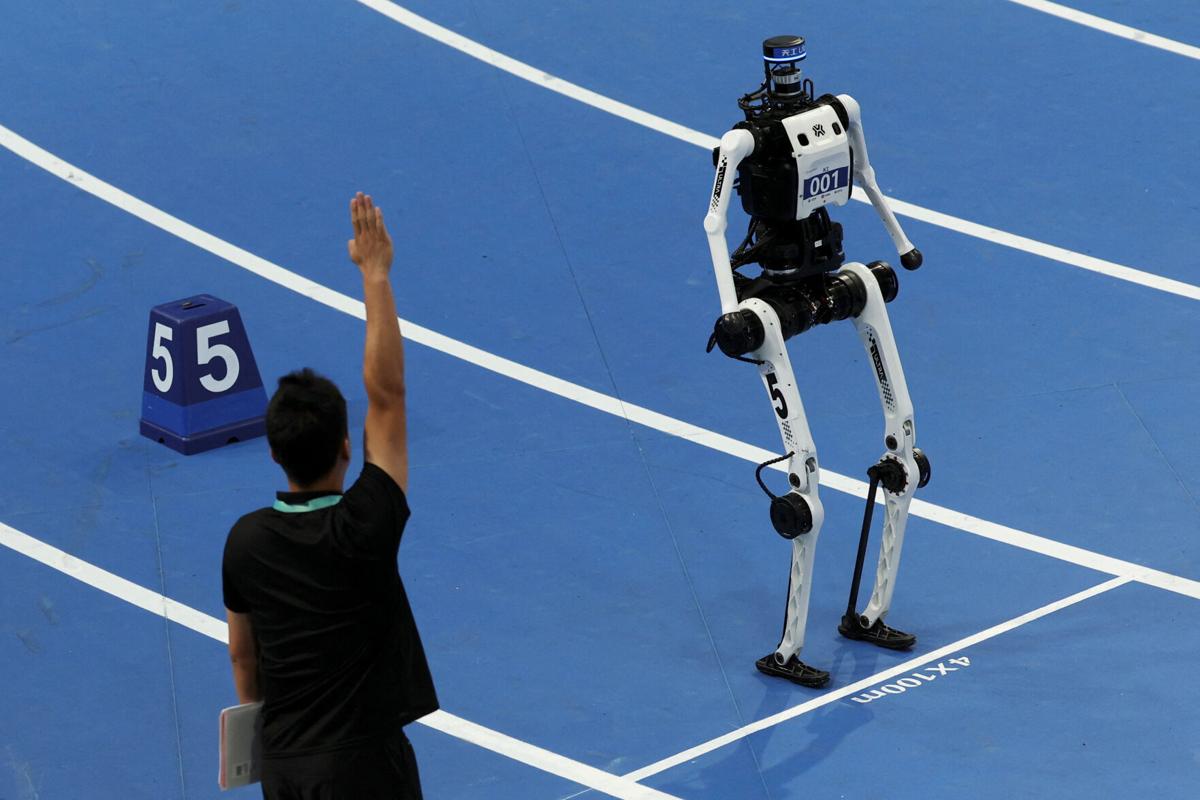
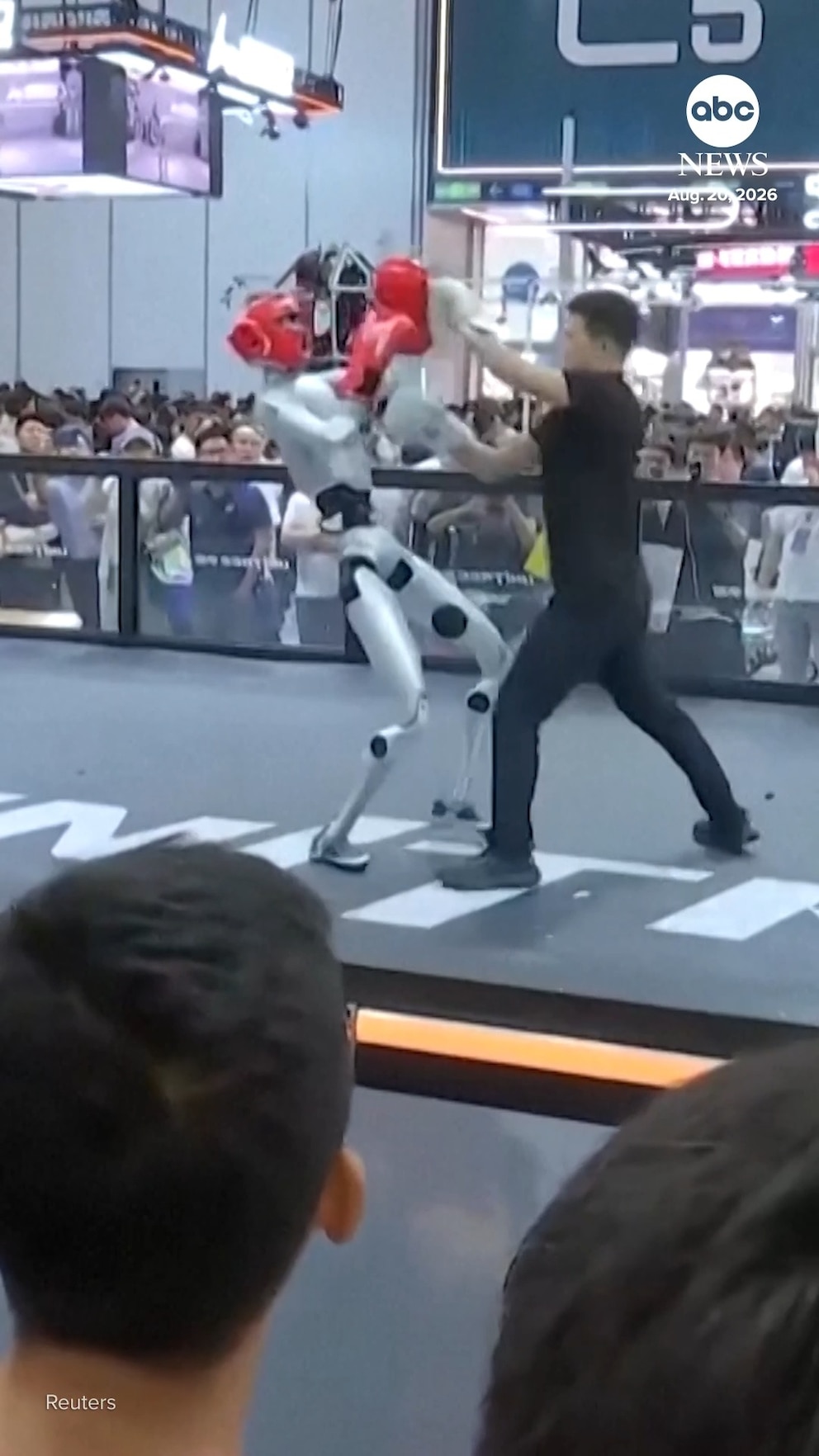
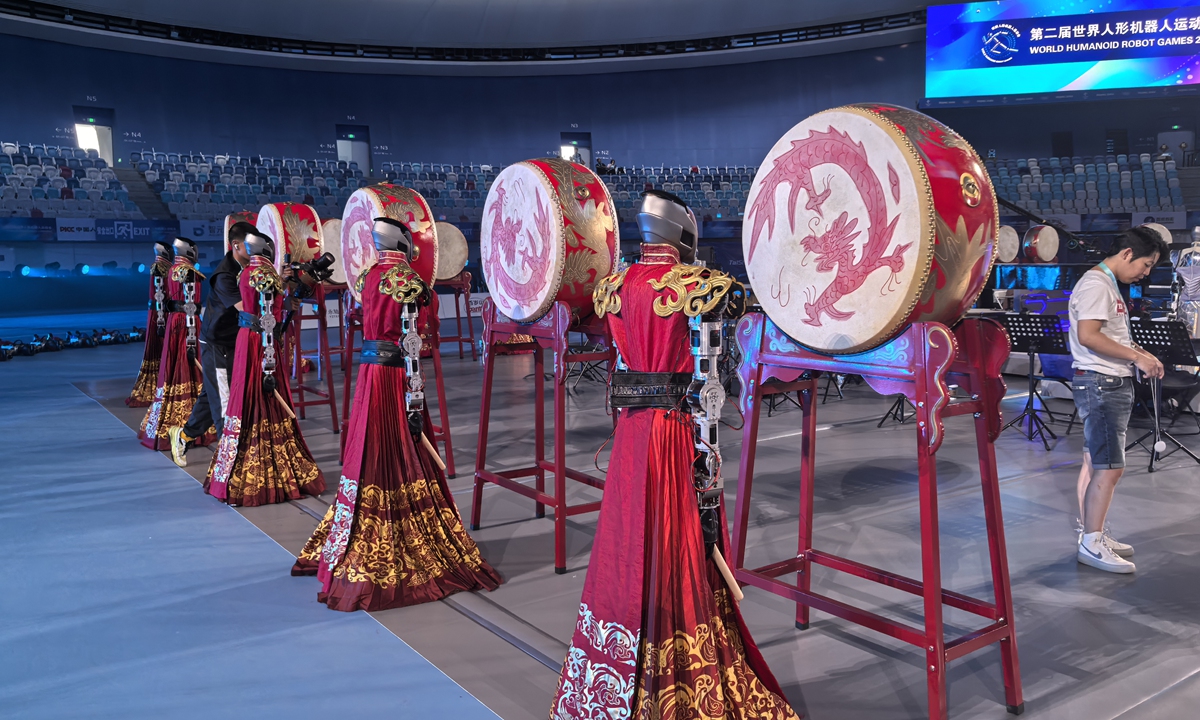
China's robotics sector reached a critical inflection point in August 2026 when the World Robot Conference in Beijing showcased over 2,000 robots from 16 countries, with Unitree Robotics—the world's largest humanoid robot manufacturer—completing its Shanghai IPO on the conference's opening day. This convergence signals explosive growth in industrial automation that directly impacts e-commerce sellers' operational costs and competitive positioning. The World Humanoid Robot Games demonstrated that Chinese robotics have evolved beyond entertainment spectacles: robots completed 51 real-world scenarios including warehouse operations, cable connections, EV charging, and emergency response tasks, with more than 40 events requiring full autonomous operation. Industry leaders like Lumos Robotics CEO Yu Chao emphasized that "simply running and jumping does not improve efficiency"—the real value lies in solving actual fulfillment problems.
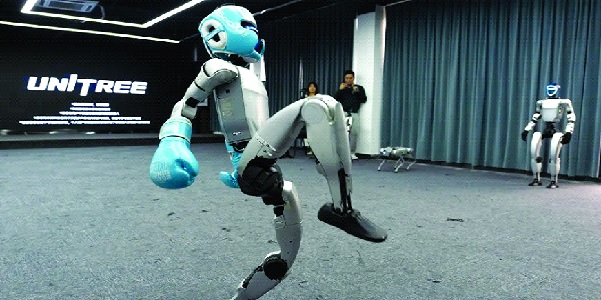
For cross-border e-commerce sellers, this development creates three immediate opportunities: First, automation cost reduction becomes achievable within 12-24 months as Chinese robotics companies commercialize warehouse solutions. Sellers managing 1,000+ units monthly could reduce fulfillment labor costs by 25-35% through humanoid robots handling picking, packing, and quality control tasks. Second, supply chain partnerships with Chinese robotics manufacturers offer competitive advantages; early adopters can negotiate exclusive integrations with Unitree, Lumos, Zeroth, and Galbot before Western competitors establish relationships. Third, logistics automation equipment exports represent a new product category—sellers can source and resell robotic components, vision systems, and autonomous handling equipment to 3PL providers and fulfillment centers globally.
The competitive urgency is real: Unitree's IPO signals institutional capital flowing into the sector, accelerating commercialization timelines. Sellers who establish relationships with Chinese robotics manufacturers now can secure preferred pricing and early access to warehouse automation solutions before prices stabilize. The games revealed that precision tasks—object identification, force control, error recovery—remain challenging, meaning sellers with domain expertise in warehouse operations can partner with robotics companies to optimize real-world implementations. This positions early-moving sellers as consultants and integrators, not just buyers, creating defensible competitive moats in the 3-5 year window before automation becomes commoditized.
Questions 8
How will humanoid robots impact e-commerce fulfillment costs in the next 2-3 years?
Humanoid robots demonstrated at the 2026 World Robot Conference can handle warehouse operations, picking, packing, and quality control tasks that currently consume 40-50% of fulfillment labor budgets. Sellers managing 1,000+ units monthly could reduce fulfillment costs by 25-35% once Chinese robotics companies commercialize warehouse solutions—expected within 12-24 months based on Unitree Robotics' IPO momentum and the 51 real-world scenario tests completed at the Games. Early adopters who establish partnerships with Unitree, Lumos, or Zeroth now can negotiate preferred pricing before automation becomes commoditized. The competitive advantage window is 18-36 months before Western robotics companies catch up to Chinese capabilities demonstrated at the conference.
What AI automation opportunities exist for sellers right now without waiting for robotics hardware?
Sellers can immediately implement AI-powered demand forecasting, dynamic pricing, and inventory optimization to prepare for robotics integration. AI tools like Keepa, Helium 10, and Jungle Scout can analyze the 2,000+ robots and 16-country competition data to identify emerging automation trends and product opportunities in robotics equipment exports. Sellers should use AI to audit their current fulfillment workflows—mapping which tasks are repetitive, standardized, and suitable for future automation. This 30-60 day audit costs $2,000-5,000 but reveals which operations will benefit most from humanoid robots, allowing sellers to prioritize capital allocation. Additionally, sellers can use AI chatbots and customer service automation to handle 60-70% of inquiries, freeing human resources for strategic partnerships with Chinese robotics manufacturers before hardware arrives.