




US Tariff Policy Reform Debate | Critical Implications for Cross-Border Seller Margins
- Conservative policy report challenges tariff authority, proposing Congressional oversight; potential 5-15% landed cost reductions for import-dependent sellers if tariffs ease
























Overview
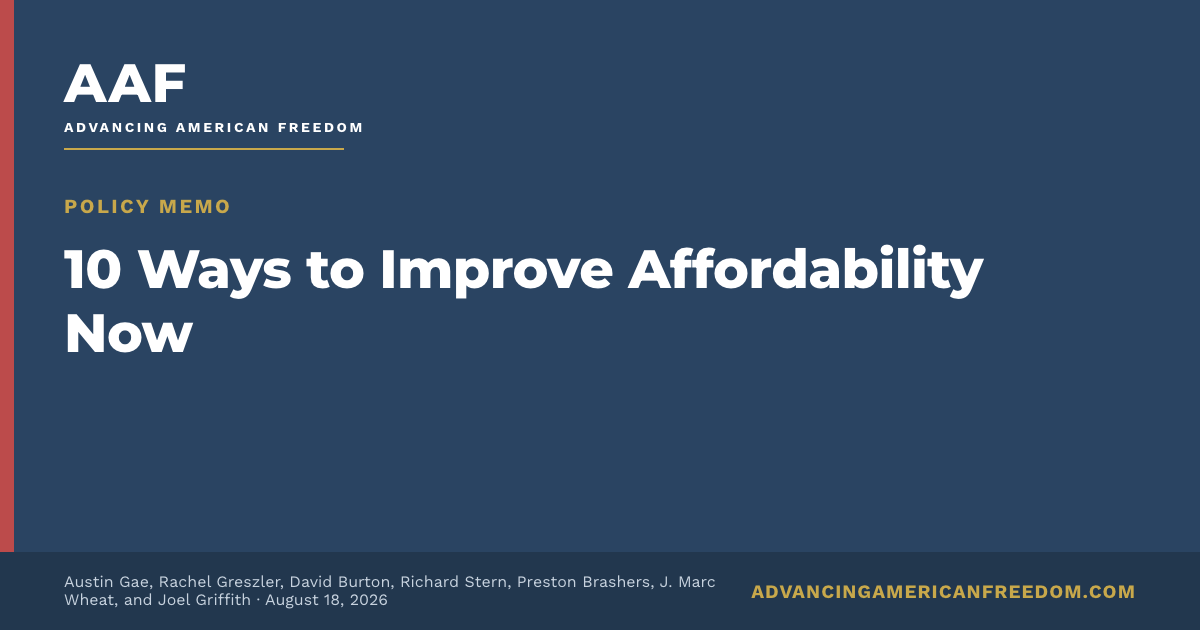
A conservative policy report from Advancing American Freedom has reignited the tariff debate in US trade policy, proposing 10 regulatory reforms including returning tariff authority from the Executive Branch to Congress. The report explicitly criticizes tariffs as cost-increasing measures that exacerbate America's affordability crisis—a direct challenge to current trade policy frameworks. For cross-border e-commerce sellers, this represents a pivotal moment in supply chain economics, as tariff policy directly determines landed costs, pricing competitiveness, and profit margins across virtually all import-dependent categories.
The Core Tariff Impact on Seller Economics: Current US tariff structures impose duties ranging from 0% (many raw materials) to 25%+ (certain electronics, apparel, and home goods). For sellers importing from China, Vietnam, India, and other Asian manufacturing hubs, tariffs represent 8-15% of total landed costs on average. The policy report's recommendation to return tariff authority to Congress signals potential legislative action that could reshape these rates. If tariffs are reduced by even 5-10% across major categories, sellers could recover $200-500 per 1,000 units imported, directly improving margins compressed by inflation and platform fee increases.
Competitive Advantage Shifts by Seller Segment: Large sellers with established supply chains and compliance infrastructure (Amazon FBA sellers with 10,000+ monthly units, Shopify merchants with dedicated sourcing teams) can absorb tariff volatility through diversified sourcing. However, small-to-medium sellers (SMBs importing 500-2,000 units monthly) face disproportionate tariff burden because they lack negotiating power with freight forwarders and customs brokers. The policy debate creates a 3-6 month window of uncertainty where sellers must decide: (1) accelerate imports before potential tariff increases, (2) shift sourcing to tariff-advantaged countries like Vietnam or Mexico, or (3) increase prices preemptively to protect margins.
Strategic Sourcing Country Implications: The report's emphasis on regulatory reform suggests potential shifts in tariff treatment by origin country. Vietnam, Mexico, and India currently benefit from lower tariff rates on certain categories (apparel, electronics components, furniture) compared to China. Sellers should audit their HS codes and tariff classifications—a single product miscoding can result in 10-25% tariff overpayment. The Congressional oversight recommendation could accelerate trade agreements with specific countries, creating 6-12 month windows where sellers can exploit tariff arbitrage before rates normalize.
Compliance and Timing Urgency: The article lacks specific implementation timelines, but policy reports typically influence Congressional action within 6-18 months. Sellers should monitor: (1) Congressional committee hearings on tariff reform (typically Q1-Q2 of election years), (2) Executive Branch tariff proclamations (which can change within 30-60 days), and (3) trade agreement negotiations (which signal future tariff reductions). The current uncertainty window is ideal for sellers to conduct tariff audits, reclassify products if beneficial, and negotiate long-term pricing with suppliers before policy changes lock in new rates.
Questions 8
How does the proposed tariff policy reform affect my import costs as a cross-border seller?
The Advancing American Freedom report recommends returning tariff authority to Congress, which could reduce current tariff rates by 5-15% depending on product category and origin country. For sellers importing electronics from China (currently 0-25% tariffs), apparel from Vietnam (12-32%), or home goods from India (0-20%), this could translate to $200-500 savings per 1,000 units. However, the policy change is not immediate—Congressional action typically takes 6-18 months. Sellers should audit their HS codes now to identify tariff optimization opportunities and lock in supplier pricing before rates potentially shift.
Should I accelerate imports now before tariff policy changes take effect?
The timing depends on your current tariff exposure and cash flow. If you're importing high-duty categories (electronics, apparel) from China, accelerating imports by 30-60 days could lock in current rates before Congressional action. However, this strategy carries inventory risk—if tariffs don't change, you'll have excess stock. A balanced approach: (1) increase imports of fast-moving SKUs by 20-30%, (2) negotiate extended payment terms with suppliers to spread cash outlay, (3) monitor Congressional committee hearings for tariff reform signals. The policy debate window is typically 6-12 months, giving you time to adjust without rushing.