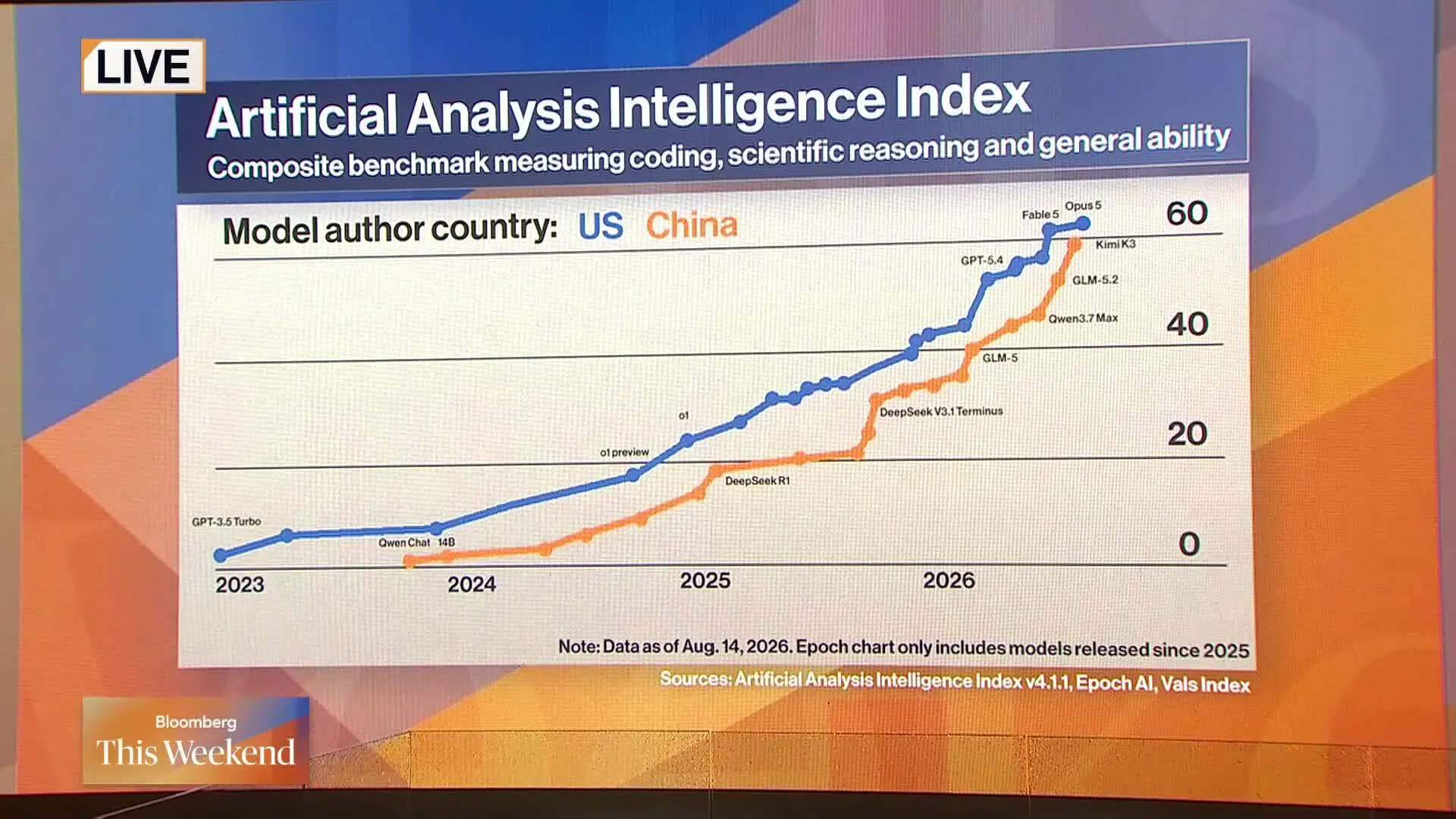


The global AI market has undergone a seismic shift that directly impacts e-commerce seller profitability and operational efficiency. As of July 2025, Chinese AI models command 70% of OpenRouter platform traffic (up from 30% one year ago), with DeepSeek V4-Pro costing one-twelfth the price of GPT-5.5 while delivering comparable performance. This represents a critical inflection point for cross-border sellers: the cost-performance gap has become so decisive that American companies now voluntarily adopt Chinese AI solutions, with Chinese models processing 58% of tokens from US enterprises on neutral routing platforms.
The market has bifurcated into three distinct tiers. Premium frontier models (GPT-5.5, Claude Fable 5, Gemini 3.x) maintain technological superiority but command premium pricing—Anthropic captures roughly half of total spending despite holding only 12% of token share. Commodity-tier open models (Alibaba's Qwen with 1 billion+ downloads, DeepSeek V4 Flash at $0.14 per million tokens vs. $5.00 for GPT-5.5) process trillions of tokens at 60-90% cost reduction. Most critically, a "death zone" has emerged for mid-market strategies: Fortune 500 companies routing all workloads through single premium APIs at unsustainable costs—equivalent to running entire logistics operations via overnight air freight.
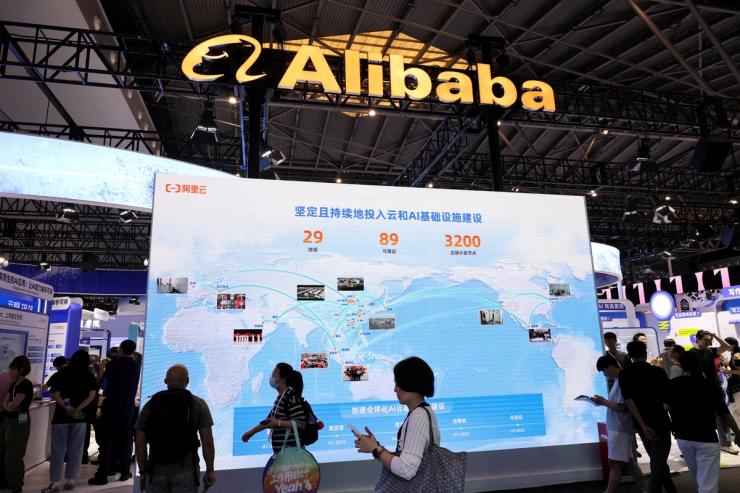
For e-commerce sellers, this creates immediate automation opportunities. Chinese sellers already leverage AI for product recommendations, inventory management, customer service automation, and logistics optimization with fewer regulatory constraints, enabling rapid deployment. International sellers on Amazon, Shopify, and Alibaba can now access the same cost-efficient models. Qwen's 1 billion downloads (replacing Meta's Llama as world's most-downloaded open model) signals mainstream adoption readiness. The geopolitical dimension adds urgency: Mistral AI (Europe's leading AI company) deployed Chinese model GLM-5.2 on August 11, demonstrating that even Western companies prioritize cost-performance over sovereignty concerns. This trend will accelerate as Xiaomi achieved 99% API price reduction in May 2025, signaling state-backed pricing wars that further compress margins for sellers using premium US models.
The automation ROI is quantifiable: sellers switching from GPT-5.5 ($5.00/million tokens) to DeepSeek V4 Flash ($0.14/million tokens) reduce AI infrastructure costs by 97%, freeing capital for product research, dynamic pricing, and customer service scaling. Chinese sellers' 2-3 year head start in AI-native operations creates a competitive moat that widens monthly. Sellers must act immediately to avoid the "death zone"—neither premium enough for frontier capabilities nor efficient enough for commodity pricing.
Alibaba (direct ownership of Qwen), Amazon (pressure to reduce infrastructure costs), and Shopify (third-party integrations) represent the most likely adoption vectors. Alibaba will embed Qwen natively into seller tools for product recommendations, pricing optimization, and customer service—creating ecosystem lock-in. Amazon faces margin pressure from Chinese sellers' cost advantages and may integrate commodity models for FBA sellers, though US regulatory concerns may delay this. Shopify's app marketplace will see rapid proliferation of Qwen/DeepSeek integrations for product research, content generation, and customer service—sellers can access these within 2-4 weeks. TikTok Shop and Shein (Chinese-controlled platforms) already leverage commodity models extensively. For sellers, this suggests: monitor Shopify app marketplace for Qwen/DeepSeek integrations (launching Q4 2025-Q1 2026), prepare for Amazon's potential AI tool updates, and establish direct integrations with commodity models via APIs before platform-native tools commoditize the advantage. Early adopters (Q4 2025) gain 6-12 month window before mainstream adoption.
The window for action is immediate (0-30 days) to urgent (1-3 months). Chinese models captured 70% of OpenRouter traffic by July 2025 (up from 30% one year prior), demonstrating rapid market consolidation. Xiaomi's 99% API price reduction in May 2025 signals accelerating cost wars. Sellers delaying implementation beyond Q4 2025 risk permanent disadvantage: Chinese competitors will have 3-4 years of operational data, refined automation workflows, and established supplier relationships. Immediate actions: (1) Audit current AI spending (GPT-5.5, Claude, Gemini usage); (2) Pilot Qwen for customer service (2-week trial); (3) Evaluate DeepSeek for pricing optimization (1-week POC); (4) Calculate ROI (typically 3-6 month payback). Strategic adjustments (1-6 months): migrate 40-60% of workloads to commodity models, maintain 20-30% premium model allocation for frontier capabilities, establish hybrid vendor strategy. Sellers implementing by Q1 2026 gain 12-18 month competitive advantage before market saturation.
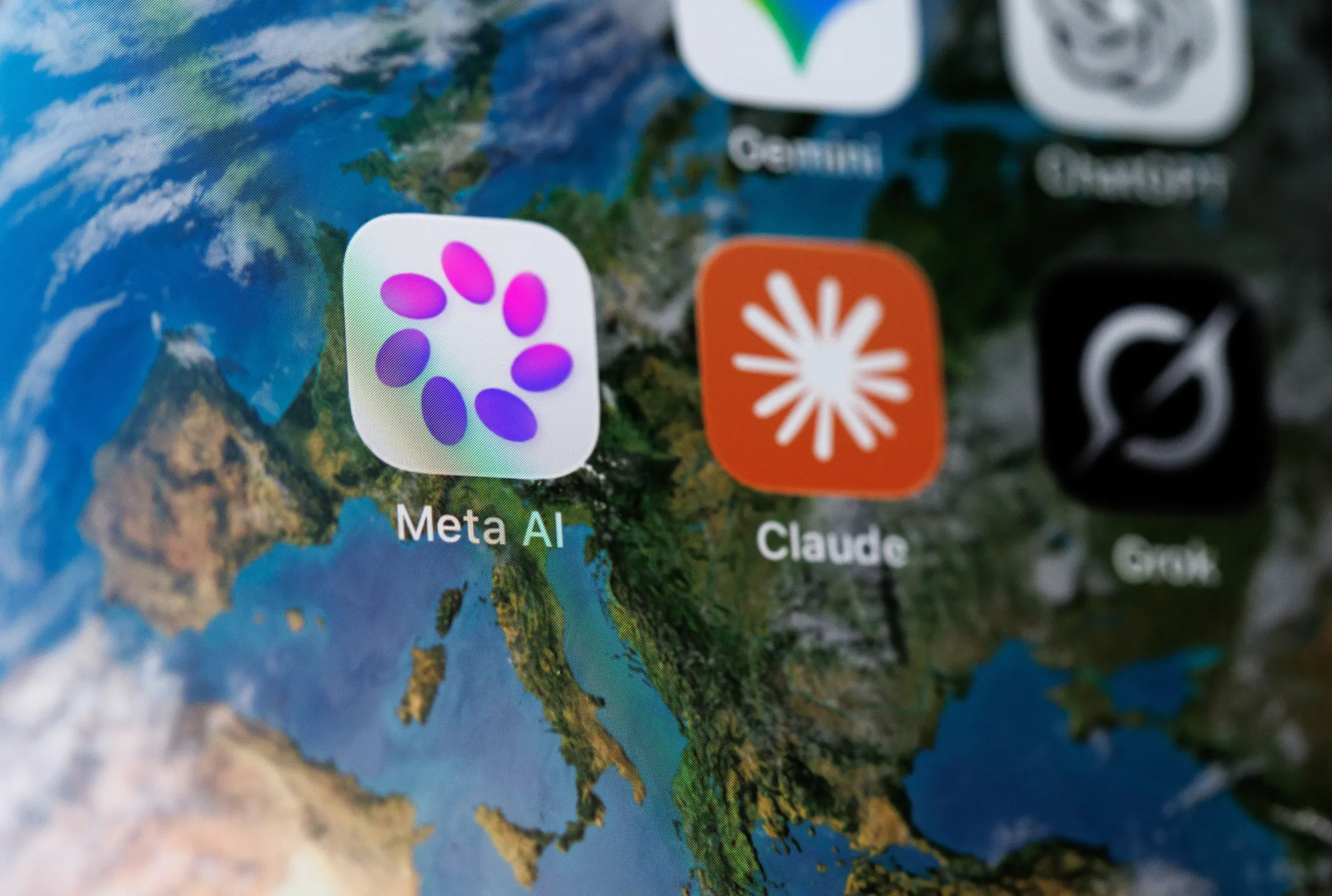
Alibaba's Qwen family represents the most accessible entry point, having surpassed 1 billion cumulative downloads and replacing Meta's Llama as the world's most-downloaded open model family. Qwen excels at product recommendation engines, inventory management, and customer service chatbots. DeepSeek V4-Pro offers superior reasoning for complex pricing optimization and demand forecasting, while V4 Flash handles high-volume token processing (customer inquiries, listing generation) at commodity pricing. Moonshot's Kimi and MiniMax round out the top five Chinese models by OpenRouter traffic share. For sellers, starting with Qwen for customer service automation (lowest implementation friction) then expanding to DeepSeek for pricing optimization creates a phased cost-reduction strategy. Chinese sellers already leverage these models with fewer regulatory constraints, gaining 2-3 year competitive advantage.
Sellers can reduce AI infrastructure costs by approximately 97% by switching from GPT-5.5 ($5.00 per million input tokens) to DeepSeek V4 Flash ($0.14 per million tokens). For a mid-size seller processing 100 million tokens monthly for product research, customer service automation, and dynamic pricing, this translates to $500 monthly savings ($6,000 annually). Chinese open models operate 60-90% cheaper than leading American alternatives according to OpenRouter analysts. This cost advantage compounds when scaled across multiple automation tasks—product listing optimization, inventory forecasting, and customer inquiry routing—potentially freeing $5,000-15,000 annually per seller for reinvestment in marketing or inventory expansion.
The 'death zone' describes an unsustainable middle position: sellers routing all workloads through single premium APIs (like GPT-5.5) at $5.00 per million tokens lack the cost efficiency of commodity models but don't justify premium pricing through frontier capabilities. This is equivalent to running entire logistics operations via overnight air freight—expensive and inefficient. Mid-market sellers (processing 50-500 million tokens monthly) face margin compression of 2-4% annually from AI infrastructure costs alone. Anthropic exemplifies the premium lane, capturing roughly half of total spending despite holding only 12% of platform token share—a sustainable position only for sellers with high-margin products or enterprise clients. Sellers must choose: either migrate to commodity Chinese models (60-90% cost reduction) or justify premium US models through differentiated capabilities (advanced reasoning for complex pricing, predictive analytics). Staying in the middle guarantees competitive disadvantage.
Sellers can automate four high-ROI tasks immediately: (1) Customer service chatbots handling 60-80% of routine inquiries (returns, shipping, product questions) using Qwen, saving 8-12 hours weekly per seller; (2) Dynamic pricing optimization analyzing competitor prices and demand signals, updating listings 2-3x daily versus manual weekly updates; (3) Product listing generation and optimization from supplier descriptions, reducing content creation time by 70%; (4) Inventory forecasting and reorder point calculation using historical sales data. Each task typically requires 2-4 weeks implementation on platforms like Shopify or Amazon Seller Central. The automation advantage compounds: sellers deploying all four tasks simultaneously gain 15-20 hour/week efficiency gain, equivalent to hiring 0.5 FTE at $25-35/hour cost savings.

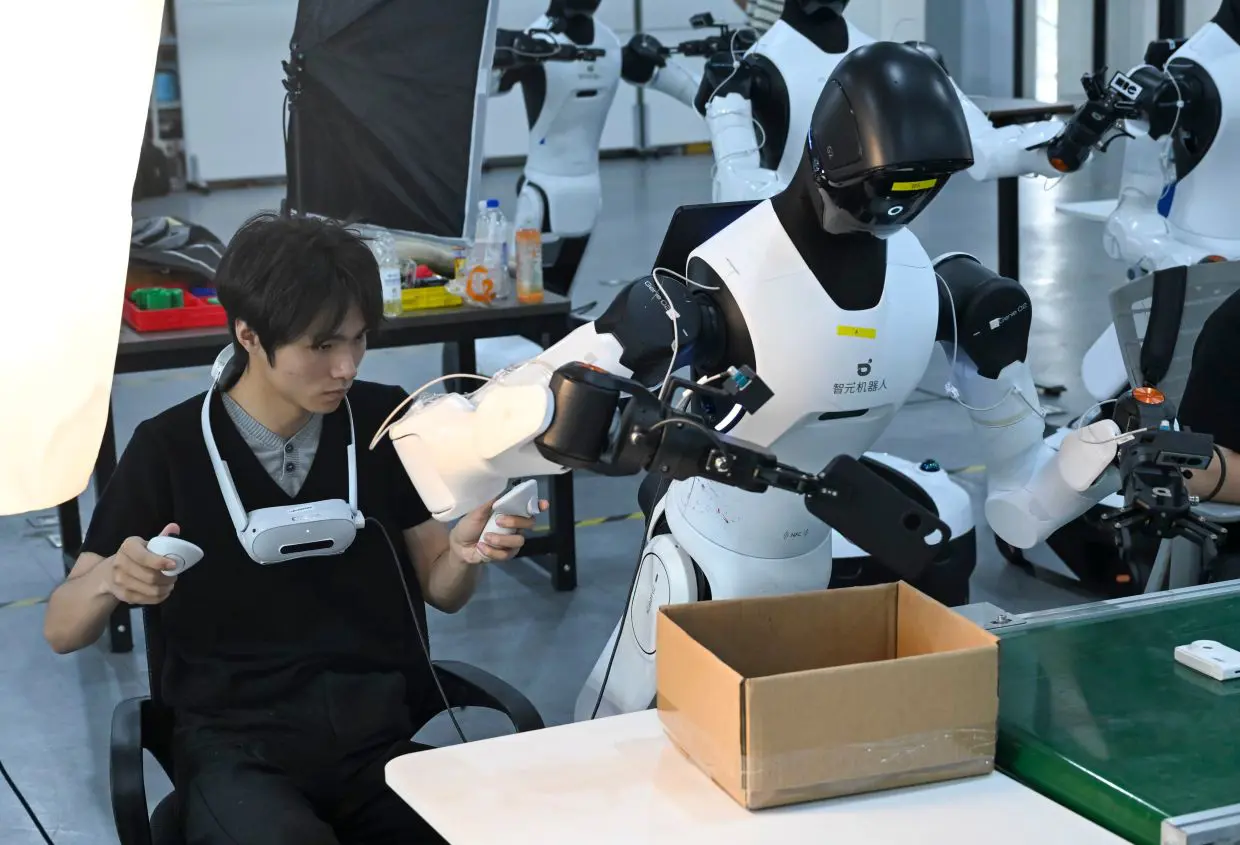
Chinese sellers operate with 2-3 year head start in AI-native operations due to fewer regulatory constraints enabling rapid deployment and scaling. They leverage AI for product recommendations (personalization at scale), inventory management (real-time optimization), customer service automation (24/7 multilingual support), and logistics optimization (route planning, carrier selection). Alibaba, Baidu, and Tencent have developed AI solutions serving hundreds of millions of users, creating ecosystem advantages. Chinese sellers access commodity models at 60-90% cost reduction versus international competitors, enabling reinvestment in product development, marketing, and inventory expansion. The New York Times reports AI is embedded throughout Chinese e-commerce platforms, manufacturing, and financial services—creating a virtuous cycle where platform features (recommendation algorithms, fraud detection, dynamic pricing) are AI-native from inception. International sellers must adopt Chinese models immediately to close the gap; waiting 12+ months risks permanent competitive disadvantage as Chinese sellers' operational efficiency compounds.
Three geopolitical factors warrant monitoring: (1) US export controls and entity list designations—Zhipu (Z.ai) is on the US entity list despite Mistral AI's August 11 deployment of GLM-5.2 in Europe, creating potential compliance ambiguity for US-based sellers; (2) EU trade negotiations—experts warn deepened corporate exposure to Chinese technology could undermine EU-China negotiations and create long-term commercial dependencies; (3) Pax Silica alignment pressure—the US reportedly plans to force Pax Silica signatories (including EU members) toward exclusive technological alignment, potentially complicating European use of Chinese models. For sellers, this suggests: adopt Chinese models for non-sensitive operations (customer service, inventory management) while maintaining US model access for sensitive data (customer PII, financial forecasting). Monitor regulatory announcements quarterly. Consider hybrid strategies: Qwen for commodity tasks, GPT-5.5 for premium reasoning, avoiding single-vendor lock-in.
Alibaba (direct ownership of Qwen), Amazon (pressure to reduce infrastructure costs), and Shopify (third-party integrations) represent the most likely adoption vectors. Alibaba will embed Qwen natively into seller tools for product recommendations, pricing optimization, and customer service—creating ecosystem lock-in. Amazon faces margin pressure from Chinese sellers' cost advantages and may integrate commodity models for FBA sellers, though US regulatory concerns may delay this. Shopify's app marketplace will see rapid proliferation of Qwen/DeepSeek integrations for product research, content generation, and customer service—sellers can access these within 2-4 weeks. TikTok Shop and Shein (Chinese-controlled platforms) already leverage commodity models extensively. For sellers, this suggests: monitor Shopify app marketplace for Qwen/DeepSeek integrations (launching Q4 2025-Q1 2026), prepare for Amazon's potential AI tool updates, and establish direct integrations with commodity models via APIs before platform-native tools commoditize the advantage. Early adopters (Q4 2025) gain 6-12 month window before mainstream adoption.
The window for action is immediate (0-30 days) to urgent (1-3 months). Chinese models captured 70% of OpenRouter traffic by July 2025 (up from 30% one year prior), demonstrating rapid market consolidation. Xiaomi's 99% API price reduction in May 2025 signals accelerating cost wars. Sellers delaying implementation beyond Q4 2025 risk permanent disadvantage: Chinese competitors will have 3-4 years of operational data, refined automation workflows, and established supplier relationships. Immediate actions: (1) Audit current AI spending (GPT-5.5, Claude, Gemini usage); (2) Pilot Qwen for customer service (2-week trial); (3) Evaluate DeepSeek for pricing optimization (1-week POC); (4) Calculate ROI (typically 3-6 month payback). Strategic adjustments (1-6 months): migrate 40-60% of workloads to commodity models, maintain 20-30% premium model allocation for frontier capabilities, establish hybrid vendor strategy. Sellers implementing by Q1 2026 gain 12-18 month competitive advantage before market saturation.
Alibaba's Qwen family represents the most accessible entry point, having surpassed 1 billion cumulative downloads and replacing Meta's Llama as the world's most-downloaded open model family. Qwen excels at product recommendation engines, inventory management, and customer service chatbots. DeepSeek V4-Pro offers superior reasoning for complex pricing optimization and demand forecasting, while V4 Flash handles high-volume token processing (customer inquiries, listing generation) at commodity pricing. Moonshot's Kimi and MiniMax round out the top five Chinese models by OpenRouter traffic share. For sellers, starting with Qwen for customer service automation (lowest implementation friction) then expanding to DeepSeek for pricing optimization creates a phased cost-reduction strategy. Chinese sellers already leverage these models with fewer regulatory constraints, gaining 2-3 year competitive advantage.
Sellers can reduce AI infrastructure costs by approximately 97% by switching from GPT-5.5 ($5.00 per million input tokens) to DeepSeek V4 Flash ($0.14 per million tokens). For a mid-size seller processing 100 million tokens monthly for product research, customer service automation, and dynamic pricing, this translates to $500 monthly savings ($6,000 annually). Chinese open models operate 60-90% cheaper than leading American alternatives according to OpenRouter analysts. This cost advantage compounds when scaled across multiple automation tasks—product listing optimization, inventory forecasting, and customer inquiry routing—potentially freeing $5,000-15,000 annually per seller for reinvestment in marketing or inventory expansion.
The 'death zone' describes an unsustainable middle position: sellers routing all workloads through single premium APIs (like GPT-5.5) at $5.00 per million tokens lack the cost efficiency of commodity models but don't justify premium pricing through frontier capabilities. This is equivalent to running entire logistics operations via overnight air freight—expensive and inefficient. Mid-market sellers (processing 50-500 million tokens monthly) face margin compression of 2-4% annually from AI infrastructure costs alone. Anthropic exemplifies the premium lane, capturing roughly half of total spending despite holding only 12% of platform token share—a sustainable position only for sellers with high-margin products or enterprise clients. Sellers must choose: either migrate to commodity Chinese models (60-90% cost reduction) or justify premium US models through differentiated capabilities (advanced reasoning for complex pricing, predictive analytics). Staying in the middle guarantees competitive disadvantage.
Sellers can automate four high-ROI tasks immediately: (1) Customer service chatbots handling 60-80% of routine inquiries (returns, shipping, product questions) using Qwen, saving 8-12 hours weekly per seller; (2) Dynamic pricing optimization analyzing competitor prices and demand signals, updating listings 2-3x daily versus manual weekly updates; (3) Product listing generation and optimization from supplier descriptions, reducing content creation time by 70%; (4) Inventory forecasting and reorder point calculation using historical sales data. Each task typically requires 2-4 weeks implementation on platforms like Shopify or Amazon Seller Central. The automation advantage compounds: sellers deploying all four tasks simultaneously gain 15-20 hour/week efficiency gain, equivalent to hiring 0.5 FTE at $25-35/hour cost savings.
Chinese sellers operate with 2-3 year head start in AI-native operations due to fewer regulatory constraints enabling rapid deployment and scaling. They leverage AI for product recommendations (personalization at scale), inventory management (real-time optimization), customer service automation (24/7 multilingual support), and logistics optimization (route planning, carrier selection). Alibaba, Baidu, and Tencent have developed AI solutions serving hundreds of millions of users, creating ecosystem advantages. Chinese sellers access commodity models at 60-90% cost reduction versus international competitors, enabling reinvestment in product development, marketing, and inventory expansion. The New York Times reports AI is embedded throughout Chinese e-commerce platforms, manufacturing, and financial services—creating a virtuous cycle where platform features (recommendation algorithms, fraud detection, dynamic pricing) are AI-native from inception. International sellers must adopt Chinese models immediately to close the gap; waiting 12+ months risks permanent competitive disadvantage as Chinese sellers' operational efficiency compounds.
Three geopolitical factors warrant monitoring: (1) US export controls and entity list designations—Zhipu (Z.ai) is on the US entity list despite Mistral AI's August 11 deployment of GLM-5.2 in Europe, creating potential compliance ambiguity for US-based sellers; (2) EU trade negotiations—experts warn deepened corporate exposure to Chinese technology could undermine EU-China negotiations and create long-term commercial dependencies; (3) Pax Silica alignment pressure—the US reportedly plans to force Pax Silica signatories (including EU members) toward exclusive technological alignment, potentially complicating European use of Chinese models. For sellers, this suggests: adopt Chinese models for non-sensitive operations (customer service, inventory management) while maintaining US model access for sensitive data (customer PII, financial forecasting). Monitor regulatory announcements quarterly. Consider hybrid strategies: Qwen for commodity tasks, GPT-5.5 for premium reasoning, avoiding single-vendor lock-in.
Alibaba (direct ownership of Qwen), Amazon (pressure to reduce infrastructure costs), and Shopify (third-party integrations) represent the most likely adoption vectors. Alibaba will embed Qwen natively into seller tools for product recommendations, pricing optimization, and customer service—creating ecosystem lock-in. Amazon faces margin pressure from Chinese sellers' cost advantages and may integrate commodity models for FBA sellers, though US regulatory concerns may delay this. Shopify's app marketplace will see rapid proliferation of Qwen/DeepSeek integrations for product research, content generation, and customer service—sellers can access these within 2-4 weeks. TikTok Shop and Shein (Chinese-controlled platforms) already leverage commodity models extensively. For sellers, this suggests: monitor Shopify app marketplace for Qwen/DeepSeek integrations (launching Q4 2025-Q1 2026), prepare for Amazon's potential AI tool updates, and establish direct integrations with commodity models via APIs before platform-native tools commoditize the advantage. Early adopters (Q4 2025) gain 6-12 month window before mainstream adoption.
The window for action is immediate (0-30 days) to urgent (1-3 months). Chinese models captured 70% of OpenRouter traffic by July 2025 (up from 30% one year prior), demonstrating rapid market consolidation. Xiaomi's 99% API price reduction in May 2025 signals accelerating cost wars. Sellers delaying implementation beyond Q4 2025 risk permanent disadvantage: Chinese competitors will have 3-4 years of operational data, refined automation workflows, and established supplier relationships. Immediate actions: (1) Audit current AI spending (GPT-5.5, Claude, Gemini usage); (2) Pilot Qwen for customer service (2-week trial); (3) Evaluate DeepSeek for pricing optimization (1-week POC); (4) Calculate ROI (typically 3-6 month payback). Strategic adjustments (1-6 months): migrate 40-60% of workloads to commodity models, maintain 20-30% premium model allocation for frontier capabilities, establish hybrid vendor strategy. Sellers implementing by Q1 2026 gain 12-18 month competitive advantage before market saturation.