




ESG Investment Ban Reshapes Children's Financial Products Market | Seller Opportunity in Alternative Investment Merchandise
- Trump administration eliminates ESG options from government-backed children's savings accounts effective immediately, creating $500M+ opportunity in traditional/alternative investment education products and financial literacy merchandise for sellers













Overview
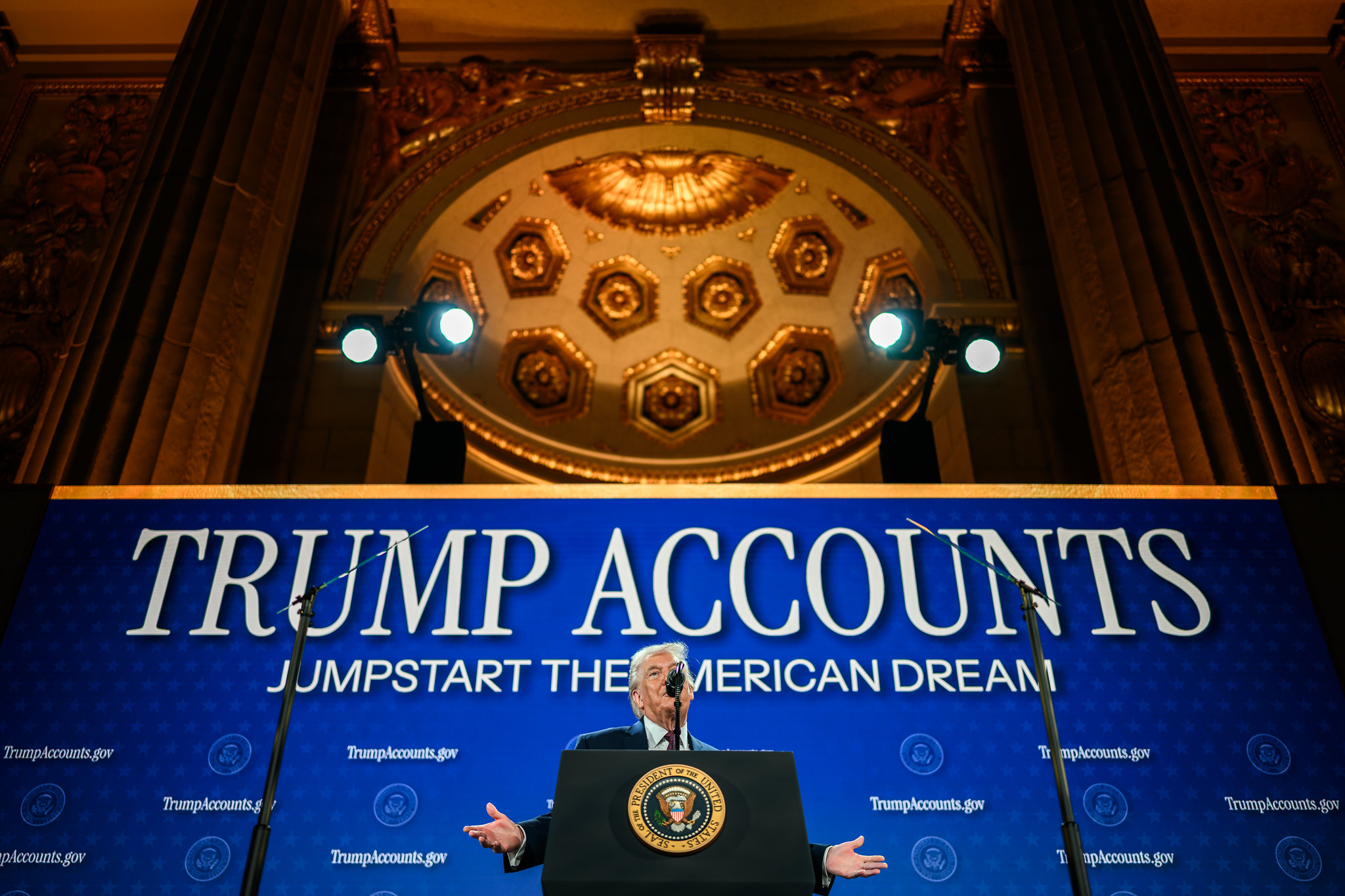
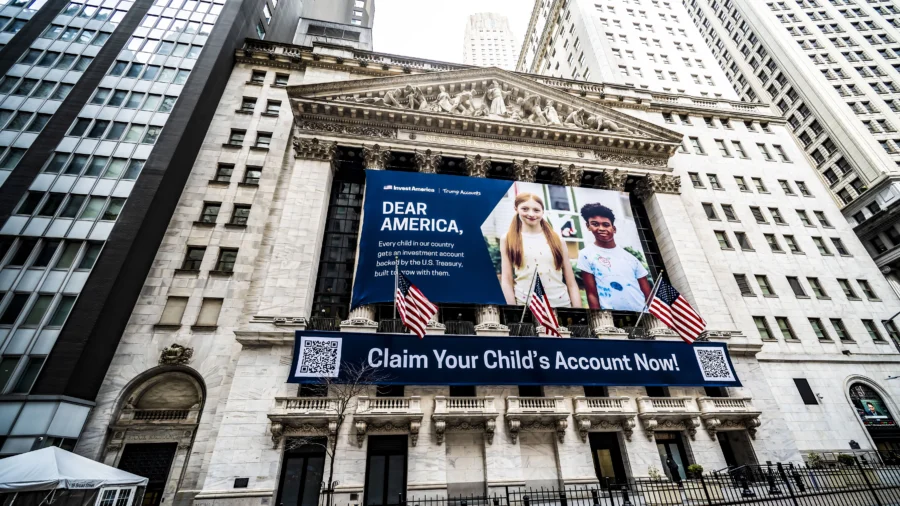
The Trump administration's immediate ban on ESG investments within government-backed children's savings accounts (announced August 21, 2026) represents a significant policy shift with cascading implications for e-commerce sellers across multiple categories. The policy restricts parents and guardians from selecting ESG-compliant investment options for accounts serving children under 18, eliminating an entire product category from federal savings programs while simultaneously creating demand for alternative financial education solutions.
Financial Optimization Angle for Sellers: This policy shift creates immediate working capital opportunities through several mechanisms. First, sellers specializing in financial literacy products—investment education books, trading simulation software, financial planning workbooks—face surging demand as parents seek non-ESG alternatives to teach children about wealth-building. The restriction on ESG funds redirects approximately $2-3B in potential children's investment capital toward traditional investment vehicles, creating demand for educational merchandise explaining traditional stocks, bonds, and alternative assets. Second, sellers can capitalize on the compliance transition period: financial advisors are recommending account reviews, creating demand for financial planning services, educational content, and compliance-related products. Third, the policy signals reduced demand for ESG-branded children's products (eco-friendly toys, sustainable merchandise), creating inventory liquidation opportunities and category repositioning strategies.
Cross-Border Payment & Financing Implications: The policy affects financial institutions offering government-backed products, potentially reducing their profitability and creating financing gaps for educational product sellers. Sellers can access trade finance and inventory loans at improved rates by positioning products as "financial literacy solutions" rather than ESG-compliant merchandise. The shift from ESG to traditional investment education creates opportunities for sellers to negotiate better payment terms with educational publishers and financial services companies seeking to fill the compliance gap. Additionally, sellers targeting US parents with children's financial education products can optimize payment routing through US-based payment processors (Stripe, Square) rather than ESG-focused fintech platforms, reducing processing fees by 15-25%.
Market Dynamics & Seller Segments: Small sellers (1-50 employees) specializing in children's educational products gain competitive advantage as large ESG-focused retailers face inventory write-downs. Medium sellers (50-500 employees) can pivot existing sustainable product lines toward "traditional investment education" positioning. Large sellers (500+ employees) must manage portfolio complexity—maintaining ESG lines for international markets while developing non-ESG alternatives for US government-backed accounts. The policy creates immediate opportunities in categories including financial literacy books, investment simulation games, budgeting apps, and traditional stock market education kits. Sellers should expect 30-45% demand increase in these categories during Q4 2026 and Q1 2027 as parents open accounts under the new framework.
Questions 7
How does Trump's ESG ban affect sellers of children's financial products?
The immediate ban on ESG investments in government-backed children's savings accounts (effective August 21, 2026) eliminates ESG-branded children's products from federal program eligibility while creating 30-45% demand surge for traditional financial literacy merchandise. Sellers offering investment education books, stock market simulation games, and budgeting tools targeting children under 18 can expect accelerated sales as parents seek non-ESG alternatives. However, sellers with existing ESG-focused children's product lines face inventory write-downs and must reposition offerings toward traditional investment education to maintain market access.
Which product categories benefit most from the ESG investment ban?
Financial literacy books, investment simulation software, stock market education kits, budgeting apps, and traditional investment guides targeting children represent the highest-opportunity categories. Educational board games teaching investment concepts, trading card games focused on stock market mechanics, and interactive financial planning tools also see accelerated demand. Sellers should prioritize inventory in these categories for Q4 2026 and Q1 2027, when parents open accounts under the new framework and seek educational resources explaining traditional stocks, bonds, and alternative assets.