





US Inflation Surge & Dollar Weakness | Critical Cost Pressures for Cross-Border Sellers
- Breakeven inflation rates hit 2.34% highest in 2+ months; dollar weakens 0.9%; impacts sourcing costs, shipping fees, and profit margins for 50K+ international sellers














Overview
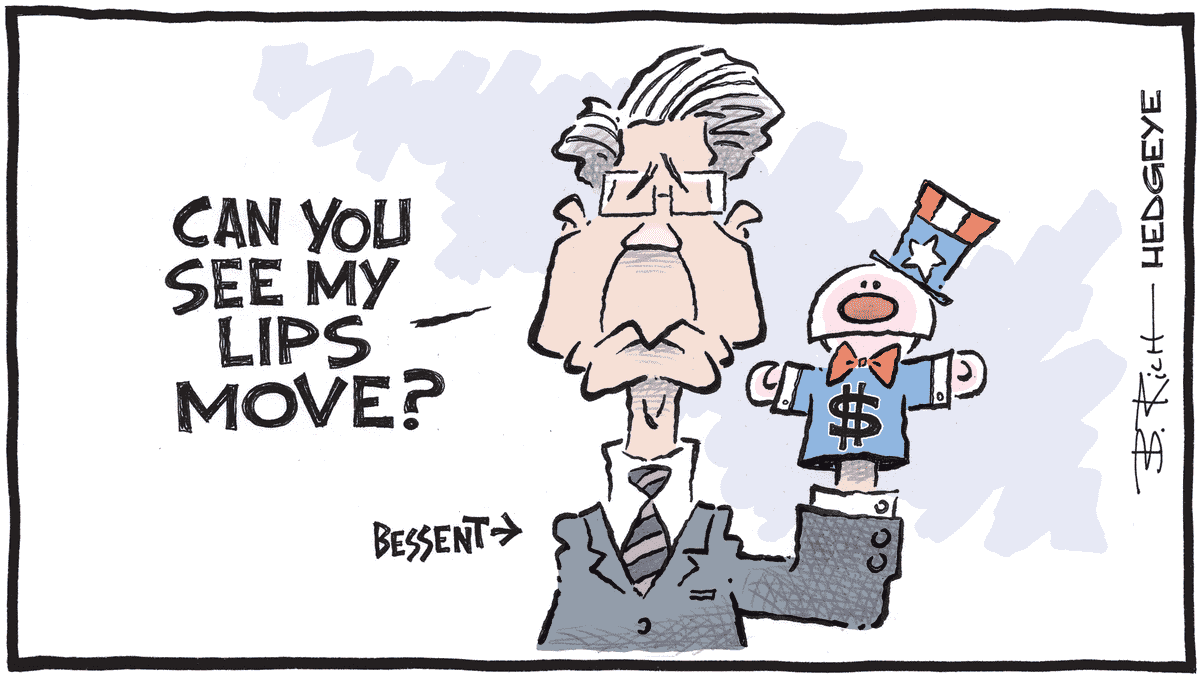
Treasury Secretary Scott Bessent's expansion of the U.S. government's debt buyback program—doubling the typical $2 billion operation—has triggered unexpected inflation concerns rather than market stabilization. The 10-year and 5-year breakeven inflation rates surged to 2.34% on Thursday, their highest levels in over two months, signaling investor expectations for elevated future inflation. Simultaneously, the dollar weakened nearly 0.9% during the week, reflecting market interpretation of looser Federal Reserve policies. These macroeconomic shifts create immediate operational pressures for cross-border e-commerce sellers.
For sellers sourcing from Asia (China, Vietnam, India), the dollar weakness directly increases landed costs. A 0.9% currency depreciation translates to 0.9-1.2% higher costs on imported goods when invoiced in USD. For a seller importing $100,000 monthly in inventory, this represents $900-1,200 in additional costs per shipment. Rising inflation expectations compound this pressure: suppliers in manufacturing regions are already raising quotes in anticipation of higher input costs, wage inflation, and logistics expenses. Sellers with fixed-price contracts signed before August 2024 face renegotiation pressure when renewals occur in Q4 2024 and Q1 2025.
Inflation expectations directly impact Amazon FBA fees, shipping rates, and 3PL fulfillment costs. UPS and FedEx historically increase rates 4-6% annually; elevated inflation breakevens (2.34% vs. historical 2.0%) signal accelerated rate hikes in Q4 2024. Amazon's fulfillment fees, while not directly indexed to inflation, typically increase during periods of rising cost pressures. Sellers with high inventory velocity in electronics, home goods, and apparel categories face margin compression of 2-4% if they cannot pass costs to consumers. The Jackson Hole speech by Fed Chairman Kevin Warsh on August 28 will be closely watched—dovish signals could further elevate inflation expectations, extending the cost pressure window through Q1 2025.
Currency arbitrage opportunities emerge for sellers with multi-regional operations. The 0.9% dollar weakness makes U.S.-based inventory relatively cheaper for European and Asian buyers, potentially increasing cross-border demand. Sellers with inventory in EU warehouses can capitalize on favorable EUR/USD exchange rates (currently benefiting from dollar weakness) to expand Amazon EU operations. However, this window is time-sensitive: if the Fed signals rate hikes at Jackson Hole, dollar strength could reverse within 2-4 weeks, closing the arbitrage opportunity.
Questions 7
What is the timeline for these cost pressures to impact my business?
The impact is immediate for new purchase orders (effective now through Q4 2024) and accelerates after the Jackson Hole speech on August 28. Shipping rate increases typically take effect in Q4 2024 (September-November). Supplier quote renegotiations occur during Q4 2024 and Q1 2025 renewal cycles. If the Fed signals dovish policies at Jackson Hole, expect extended dollar weakness and cost pressures through Q1 2025. Sellers should act within the next 2-4 weeks to lock in supplier pricing and shipping contracts before rates increase.
How should I adjust inventory strategy given inflation concerns?
Rising inflation expectations (2.34% breakeven rate) signal potential price increases across supply chains. Sellers should: (1) accelerate purchase orders before Q4 2024 to lock in current supplier pricing, (2) reduce inventory holding periods to minimize storage cost exposure, and (3) increase turnover velocity to avoid Amazon storage fee penalties. For FBA sellers, monitor IPI scores closely—storage fees increase during peak seasons, and inflation-driven cost pressures make excess inventory more expensive. Consider shifting 15-20% of inventory to 3PL providers with flexible storage terms.