



FTC Personalized Pricing Disclosure Rules | Critical Compliance Deadline for E-Commerce Sellers
- FTC enforcement under Section 5 of FTC Act targets algorithmic price discrimination; Connecticut bans surveillance pricing effective 2027; Maryland, New Jersey, New York restrict personalized pricing in groceries and food delivery
















Overview
The Federal Trade Commission has fundamentally shifted enforcement strategy on algorithmic pricing, moving from the Biden administration's 2024 investigation (terminated in 2025) to a disclosure-based compliance framework under the Trump-Vance administration. FTC Chairman Andrew Ferguson announced that businesses failing to disclose how personal data influences pricing violate the FTC Act Section 5, with aggressive enforcement targeting scenarios where consumers reasonably expect uniform pricing. This creates a critical compliance moat: sellers implementing transparent pricing disclosure systems gain competitive advantage over non-compliant competitors who face potential enforcement actions, class-action lawsuits, and state-level penalties.
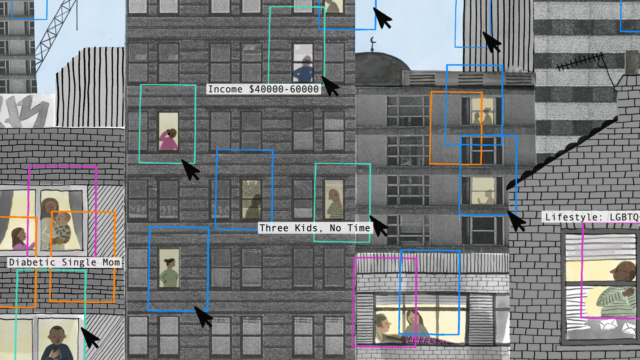
The regulatory landscape is fragmenting into state-level restrictions that eliminate entire seller categories. Connecticut enacted comprehensive surveillance pricing bans effective 2027 covering all retailers and delivery services; Maryland and New Jersey restrict personalized pricing specifically for groceries and food delivery; New York passed similar comprehensive restrictions pending final enactment. These state laws create a winnowing effect—sellers using opaque algorithmic pricing in these jurisdictions face forced compliance costs or market exit. The FTC's 2024 policy statement requires companies to clearly disclose when prices are personalized, explain pricing methodologies, and identify specific personal data categories used in algorithms. Concrete enforcement examples include food delivery companies charging higher prices to homebound consumers, grocery chains pricing milk higher for households with children, and retailers charging more for security cameras to crime victims.
For e-commerce sellers, this creates three distinct compliance pathways and cost structures. First, sellers operating in Connecticut, Maryland, New Jersey, and New York must implement "real price" legislation compliance—establishing consistent base prices with transparent, universally-available discounts rather than hidden algorithmic adjustments. This eliminates margin optimization through behavioral targeting, estimated at 8-15% margin compression for sellers currently using surveillance pricing. Second, sellers using legitimate loyalty programs (distinguished from data-extraction mechanisms) can maintain differentiated pricing if they offer genuine value rather than coercive upselling. Third, sellers in non-restricted states can continue algorithmic pricing if they implement FTC-compliant disclosure systems—adding 2-4 weeks of development time and $5,000-15,000 in compliance infrastructure costs. The National Retail Federation's advocacy for protecting legitimate loyalty programs signals that transparent, consumer-friendly data usage remains permissible, creating a competitive advantage for sellers who can demonstrate genuine value delivery versus predatory extraction.
Questions 8
Which states have already banned or restricted personalized pricing, and when do restrictions take effect?
Connecticut enacted the broadest ban covering all retailers and delivery services, effective 2027. Maryland and New Jersey passed laws specifically limiting personalized pricing for groceries and food delivery. New York lawmakers passed comprehensive surveillance pricing restrictions pending final enactment. These state-level restrictions create immediate compliance urgency for sellers operating across multiple jurisdictions. Connecticut's 2027 deadline means sellers have approximately 2 years to restructure pricing systems. Maryland and New Jersey restrictions are already in effect for food delivery and grocery categories. Sellers operating in these states must implement 'real price' legislation compliance—establishing consistent base prices with transparent, universally-available discounts rather than hidden algorithmic adjustments.
What exactly must e-commerce sellers disclose under the new FTC personalized pricing policy?
The FTC requires sellers to clearly disclose when prices are personalized, explain the reasoning behind price differentiation, and identify specific personal data categories used in pricing algorithms. This applies specifically to situations where consumers reasonably expect consistent pricing across all customers. For example, if a seller charges different prices based on location, browsing history, or social media activity, they must explicitly state this and explain which data points influenced the price. Failure to disclose constitutes an unfair or deceptive practice under FTC Act Section 5, exposing sellers to enforcement actions and potential civil penalties. The FTC's 2024 policy statement provides detailed guidance on compliant disclosure formats.