


Red Lobster's Endless Shrimp Relaunch | O2O Dine-In Strategy Signals Retail Recovery Model for Food & Beverage Sellers
- Market-variable pricing and dine-in-only model demonstrate how offline-first brands rebuild customer loyalty; sellers can apply operational discipline lessons to promotional strategies across food, beverage, and experiential retail categories






.jpg)


.png?width=1280&auto=webp&quality=80&disable=upscale)

Overview
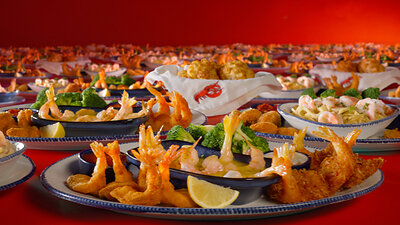
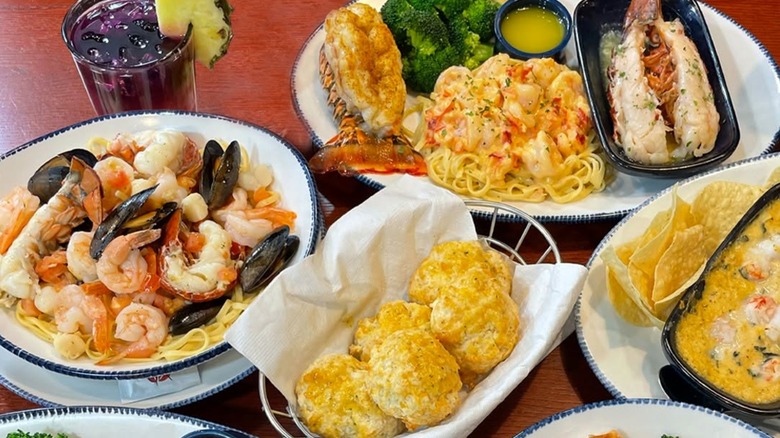
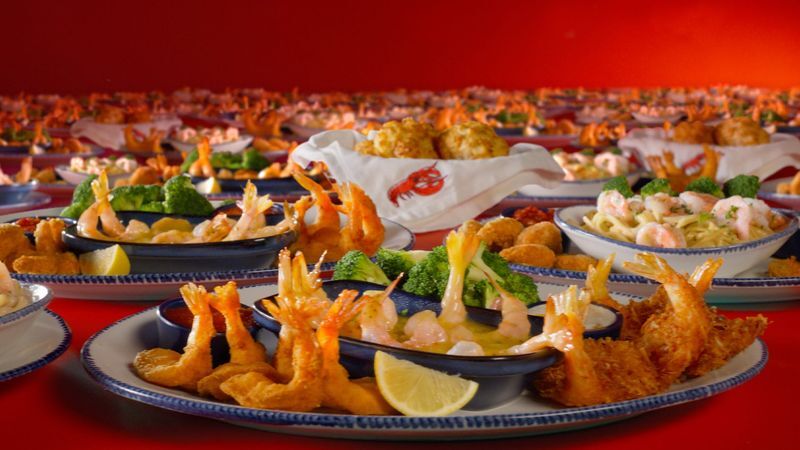
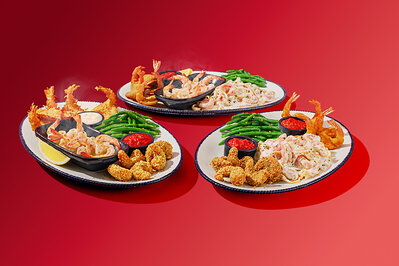
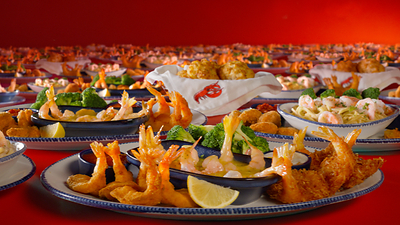
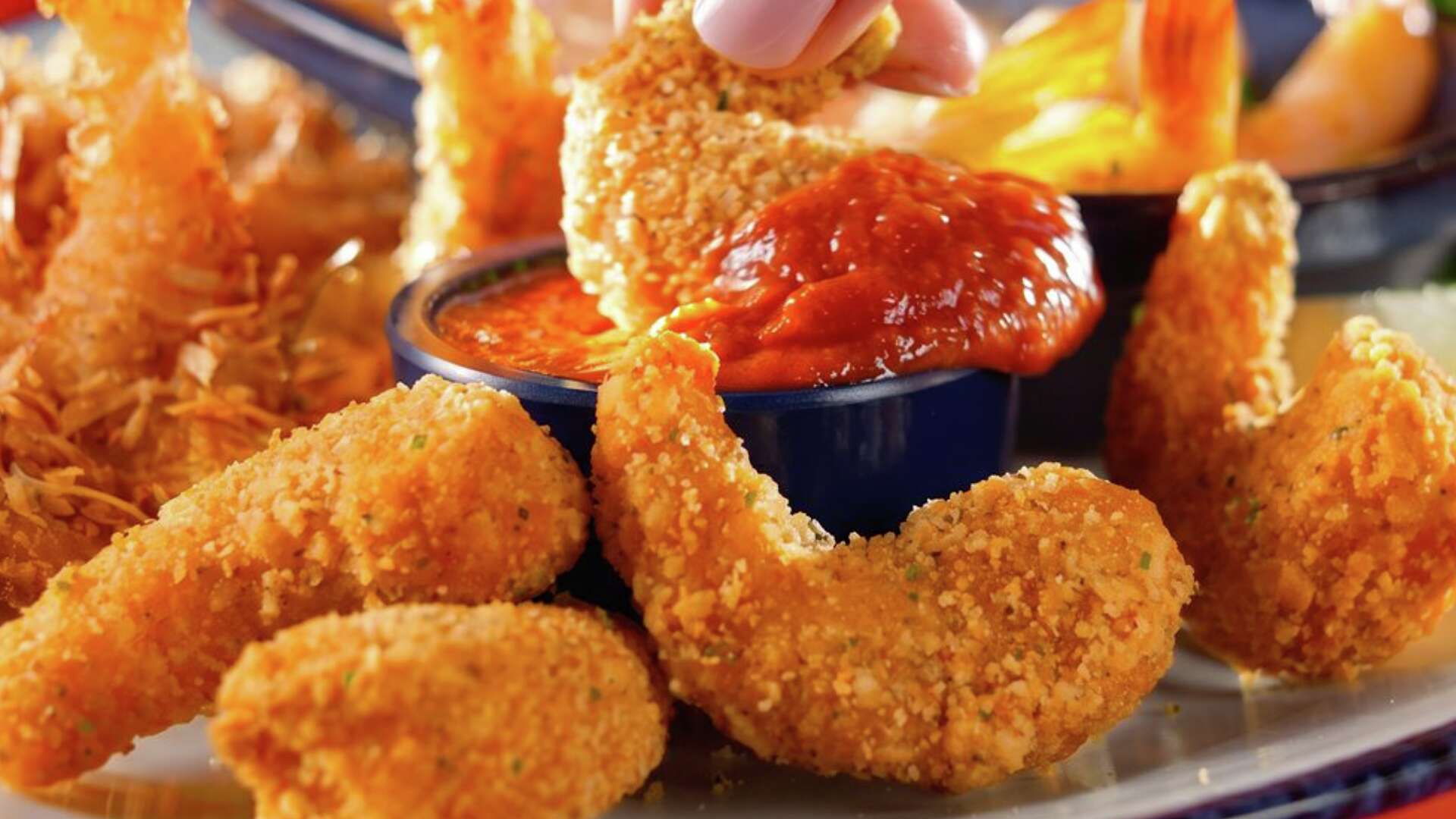
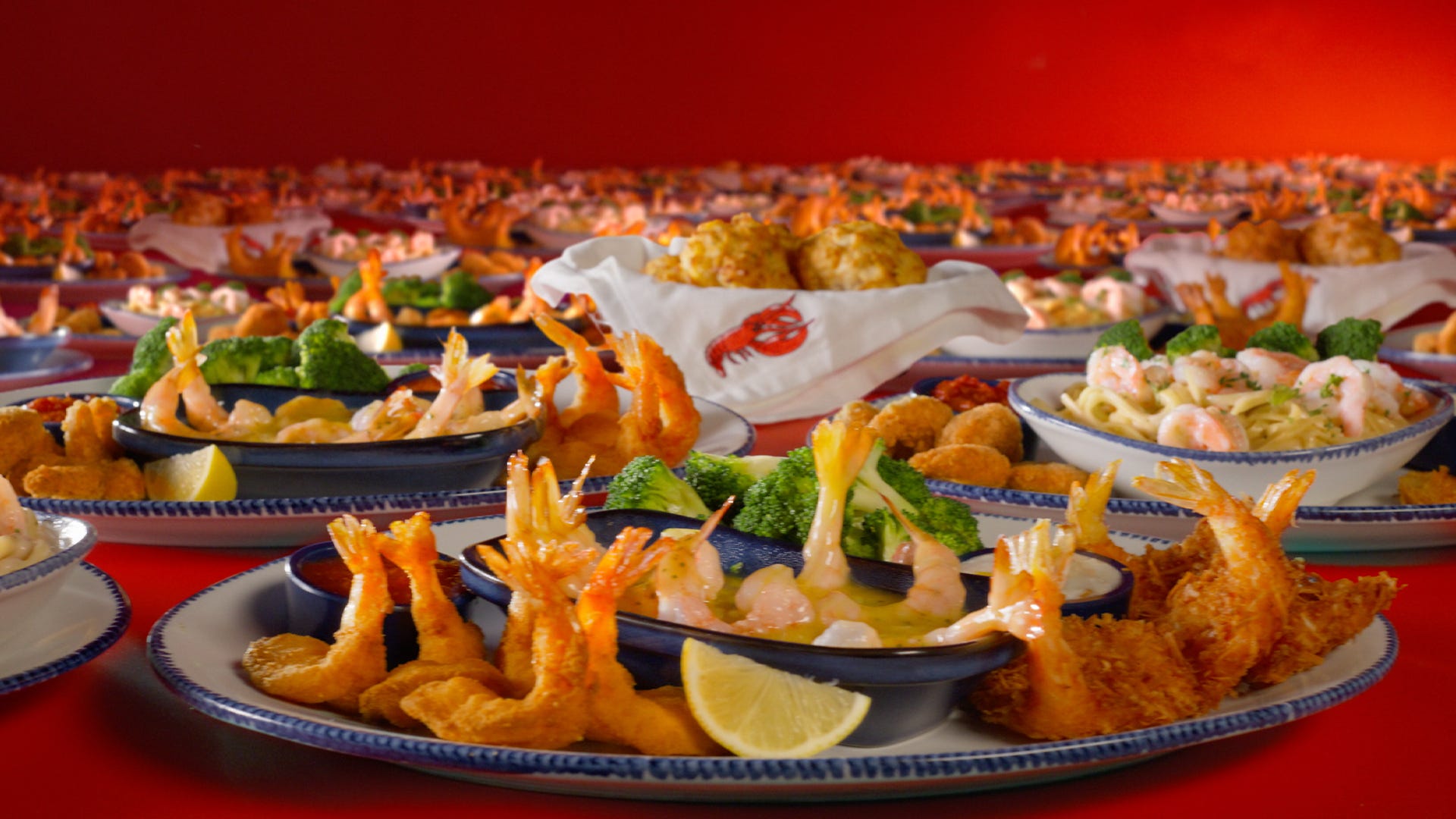
Red Lobster's August 17, 2024 relaunch of its Endless Shrimp promotion represents a critical case study in O2O (Online-to-Offline) recovery strategy and experiential retail restructuring for food and beverage sellers. The chain's previous unlimited Endless Shrimp offering contributed to millions in losses and Chapter 11 bankruptcy filing in 2024, forcing the company to close dozens of locations in May 2024. The restructured 2024 relaunch introduces three operational innovations: (1) dine-in-only constraint eliminating takeout/delivery abuse, (2) market-variable pricing adjusting costs by geographic region based on local labor, operating expenses, and competitive dynamics, and (3) limited-time promotion window creating scarcity and urgency rather than permanent offering.
The spring 2024 test run exceeded expectations with guest satisfaction significantly outperforming average Red Lobster promotions and elevated internal team satisfaction scores, validating the operational discipline approach. CEO Damola Adamolekun emphasized that "guest demand alone is insufficient; operational viability is equally critical"—a principle directly applicable to sellers managing promotional inventory and fulfillment costs. Red Lobster's experience demonstrates how all-you-can-eat and unlimited promotions present inherent profitability challenges requiring careful cost management, portion control, and channel constraints.
For cross-border and domestic sellers in food, beverage, and experiential retail categories, this signals a shift toward location-based pricing strategies and offline-first customer engagement. The dine-in-only model mirrors successful O2O strategies where brands use physical locations to build brand trust and customer lifetime value (LTV) while protecting margins through operational controls. Sellers can apply Red Lobster's framework: test promotions in controlled offline environments (pop-ups, showrooms, retail partnerships) before scaling to unlimited online channels. The market-variable pricing approach also demonstrates how geographic demand segmentation can optimize profitability across regional markets—a strategy applicable to food delivery, specialty beverage, and restaurant supply sellers on Amazon Fresh, Instacart, and regional e-commerce platforms.
Questions 7
What are the bankruptcy risks of poorly-structured unlimited promotions and how can sellers avoid them?
Red Lobster's bankruptcy filing in 2024 directly attributed to the permanent Endless Shrimp offering demonstrates that 'popular customer offerings can create operational and financial risks if not properly structured.' Bankruptcy risks include: (1) **Uncontrolled cost escalation** (unlimited portions/quantities driving COGS above pricing), (2) **Operational overwhelm** (kitchen/fulfillment systems unable to handle demand), (3) **Margin compression** (promotional pricing unsustainable long-term), and (4) **Customer expectation lock-in** (permanent offers become expected, difficult to discontinue). Sellers should avoid these risks by: (1) setting hard quantity limits per order/customer, (2) implementing channel constraints (dine-in only, pickup only, not delivery), (3) using time-limited windows (2-4 weeks max), (4) stress-testing operational capacity before launch, and (5) maintaining 20%+ margin on promotional items. Red Lobster's restructured model shows the path forward: dine-in-only, market-variable pricing, limited-time windows. Implement these controls immediately for any unlimited-style promotions to protect profitability and avoid Red Lobster's fate.
Which retail chains and distributors are actively seeking food and beverage products for promotional partnerships?
Red Lobster's recovery strategy includes 'increasing customer engagement' through operational improvements and menu optimization. For sellers, this signals opportunity with: (1) **Whole Foods/Amazon Fresh** (expanding food partnerships post-grocery consolidation), (2) **Regional grocery chains** (Kroger, Albertsons, Sprouts) seeking differentiated promotional products, (3) **Food service distributors** (Sysco, US Foods) managing restaurant supply chains, and (4) **Specialty retailers** (Trader Joe's, Costco) with limited-time product windows. Red Lobster's restructured model demonstrates that chains value suppliers who can manage operational constraints (portion control, forecasting, quality consistency). Sellers should approach these partners with: (1) proven promotional mechanics from offline tests, (2) operational discipline documentation (forecasting systems, quality controls), and (3) regional pricing flexibility. Expected partnership margins: 25-40% wholesale discount for food/beverage products with promotional support. Contact regional buyers 60-90 days before desired launch window.