



Tyson Beef Plant Closure Triggers Supply Shock | Sellers Face Rising Protein Costs & Sourcing Challenges
- Tyson's 20% market share shutdown creates 8-15% wholesale beef price increases; affects grocery, meal kit, and specialty food sellers across Amazon Fresh, Walmart+, and Shopify




:quality(70):focal(225x197:235x207)/cloudfront-us-east-1.images.arcpublishing.com/shawmedia/BRDGXWAZSFGOVA3ZXTFH2XZ724.jpg)






Overview
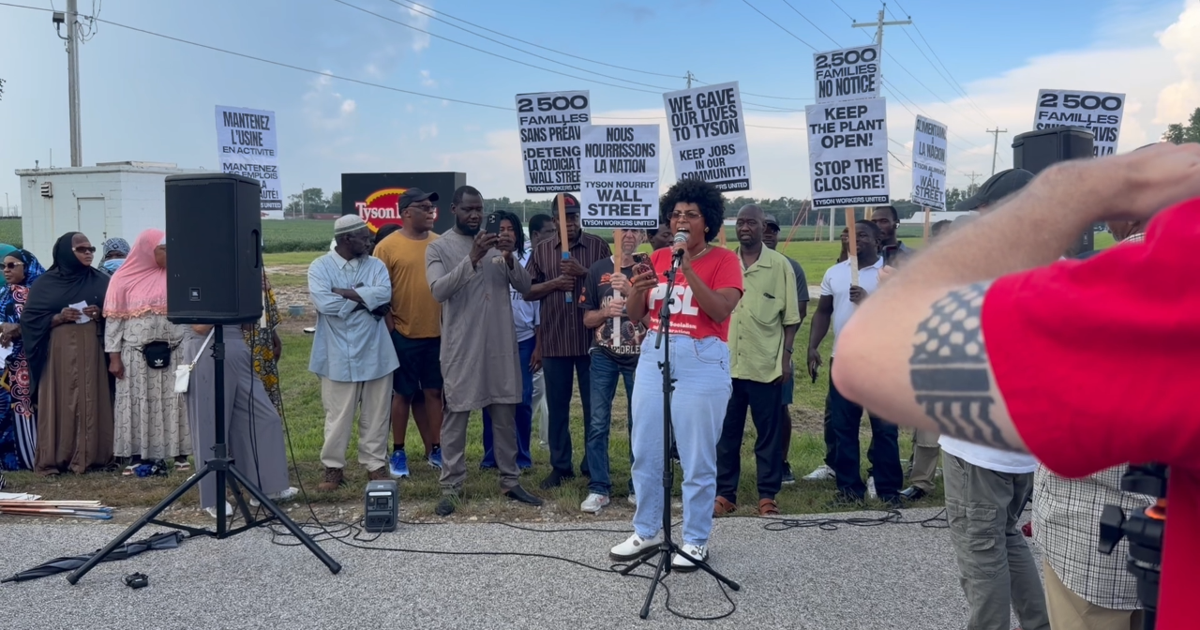
Tyson Foods' shutdown of two major US beef processing plants represents a critical supply chain disruption affecting cross-border and domestic food sellers. With Tyson controlling approximately 20% of the US beef processing market, this facility closure directly impacts wholesale beef pricing and availability for retailers, foodservice operators, and e-commerce sellers. The shutdown reduces processing capacity during a period when supply chain efficiency is essential for maintaining consumer pricing competitiveness. This creates immediate cost pressures for sellers in grocery delivery, meal kit services, specialty food products, and prepared food categories across Amazon Fresh, Walmart+, Instacart, and Shopify-based food retailers.
For e-commerce sellers, the immediate impact manifests in three critical areas: First, wholesale beef costs are expected to increase 8-15% as reduced processing capacity constrains supply and other processors absorb displaced volume. Sellers sourcing beef products for meal kits, prepared foods, or specialty grocery categories will face margin compression unless they can pass costs to consumers or adjust product formulations. Second, smaller retailers and foodservice operations face greater sourcing challenges during the closure period, creating opportunities for sellers with diversified supplier networks or alternative protein sourcing. Third, inventory timing becomes critical—sellers should accelerate purchases of beef products before price increases fully materialize, while monitoring competitor pricing strategies on Amazon and Walmart marketplaces.
The consolidation trend underlying this shutdown signals broader supply chain vulnerability. With a small number of large companies controlling significant US meat processing capacity, additional facility closures or operational disruptions could trigger cascading price increases. Sellers should evaluate their beef sourcing concentration risk and consider diversifying suppliers across regional processors (JBS, Cargill, National Beef) to mitigate future supply shocks. For sellers in prepared foods, meal kits, and specialty grocery, this is an optimal moment to negotiate long-term supplier contracts before prices spike further. Sellers should also monitor alternative protein trends—plant-based and cultured meat products may see increased consumer interest as beef prices rise, creating category expansion opportunities on Amazon, Walmart, and specialty food platforms.
Logistics and inventory positioning are critical. Sellers should prioritize stocking beef-based products in US fulfillment centers (FBA, 3PL, or Walmart fulfillment) before Q2 2025 to lock in current pricing. For cross-border sellers importing prepared foods or specialty beef products, consider accelerating shipments via ocean freight (30-45 day lead times) rather than air freight to manage landed costs. Monitor customs clearance times at major US ports (Los Angeles, New York, Houston) as increased demand for alternative suppliers may create temporary port congestion. Sellers with existing inventory should evaluate pricing elasticity—modest price increases (5-8%) may be absorbed by consumers, while aggressive increases risk losing Buy Box position to competitors on Amazon.
Questions 8
Should sellers accelerate beef inventory purchases before prices spike?
Yes—sellers should prioritize purchasing beef products within the next 2-4 weeks before wholesale prices fully adjust. Current pricing reflects pre-shutdown levels; once market adjusts, costs will increase 8-15%. For FBA sellers, accelerate shipments to US fulfillment centers to lock in current landed costs. For 3PL and Shopify sellers, negotiate bulk purchases with suppliers at current rates. However, balance this against inventory holding costs and product shelf life—calculate break-even point where storage costs exceed price savings. Sellers with 60+ day inventory turnover should stock aggressively; slower-moving categories should purchase conservatively.
How should cross-border sellers adjust their logistics strategy for beef products?
Cross-border sellers importing prepared foods or specialty beef should prioritize ocean freight (30-45 day lead times) over air freight to manage landed costs during price volatility. Accelerate shipments to US ports (Los Angeles, New York, Houston) before Q2 2025 to avoid potential port congestion from increased supplier demand. Monitor customs clearance times—food products require USDA inspection, which may experience delays during supply disruptions. Consider establishing relationships with regional US suppliers to reduce import dependency. For sellers using 3PL providers, confirm they have beef product handling certifications and cold chain capabilities to avoid spoilage during extended lead times.