




Nvidia AI Chip Price Hikes 15%+ | E-Commerce Sellers Face Cloud Cost Surge
- Vera Rubin & Grace Blackwell servers increase 15%+ effective early 2025; AWS, Google Cloud, Azure pass costs to sellers using AI tools for inventory, pricing, logistics







Overview
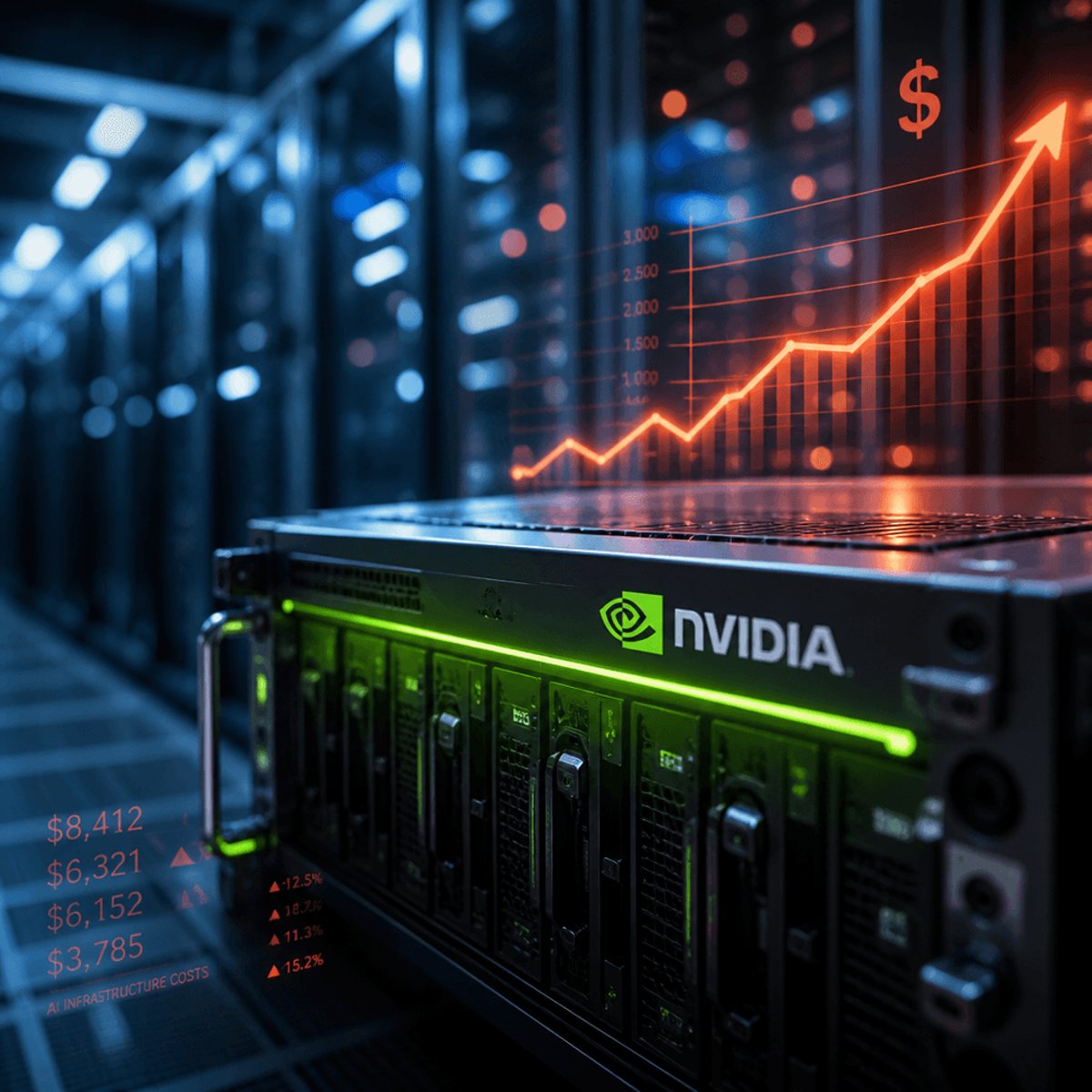
Nvidia's 15%+ price increase on AI infrastructure directly threatens e-commerce seller margins through cloud computing cost cascades. The chipmaker has notified major customers of significant price hikes for servers equipped with Vera Rubin and Grace Blackwell AI chips, effective on systems shipped in early 2025, with increases varying by chip generation and memory configuration. This pricing action reflects Nvidia's dominant 80-90% market share in AI accelerators and limited customer negotiating leverage. For cross-border e-commerce sellers, the impact flows through AWS, Google Cloud, and Microsoft Azure—which purchase Nvidia chips for their AI services—directly affecting operational costs for logistics optimization, demand forecasting, inventory management, and personalized recommendation engines.
The cost cascade creates immediate margin compression for AI-dependent sellers. Sellers utilizing cloud-based AI tools for dynamic pricing optimization, inventory forecasting, and customer analytics will experience 8-15% cost increases on these services starting Q1 2025. Small-to-medium sellers (SMBs) using AWS SageMaker, Google Cloud AI Platform, or Azure Machine Learning for demand prediction face monthly cost increases of $200-800 depending on compute intensity. Large sellers operating sophisticated logistics networks and personalized recommendation systems could see annual infrastructure cost increases of $50K-$200K+. The tiered pricing structure means different seller segments experience varying impacts based on their specific AI workload configurations and memory requirements.
AI automation becomes critical for cost mitigation and competitive survival. Rather than absorbing 15%+ cost increases, forward-thinking sellers should immediately audit their cloud AI spending and implement efficiency optimizations. This creates urgent demand for AI tools that reduce infrastructure costs: automated model optimization (reducing compute by 20-40%), intelligent caching systems (cutting API calls by 30-50%), and cost-monitoring dashboards that identify wasteful queries. Sellers can leverage open-source alternatives like TensorFlow and PyTorch on cheaper compute instances, migrate from real-time to batch processing for non-urgent analytics, and consolidate multiple AI tools into unified platforms. The competitive advantage goes to sellers who automate cost optimization NOW—before price increases hit in early 2025—locking in current rates and building efficiency buffers that competitors won't match.
Questions 8
How will Nvidia's 15% price increase affect my Amazon FBA or Shopify store costs?
The price increase flows indirectly through cloud services you likely already use. If you rely on AWS for inventory forecasting, Google Cloud for demand prediction, or Azure for personalized recommendations, expect 8-15% cost increases on these AI services starting Q1 2025. A mid-size seller spending $500/month on AWS SageMaker could see costs rise to $575-$650/month. The impact is most severe for sellers using real-time AI analytics; batch processing alternatives can reduce exposure by 30-50%. Monitor your cloud bills starting January 2025 and audit which AI tools are truly ROI-positive versus nice-to-have.
Which e-commerce sellers are most vulnerable to these cloud cost increases?
Sellers most vulnerable are those heavily dependent on AI-powered operations: (1) Dynamic pricing sellers using real-time market analysis tools—expect 12-15% cost increases; (2) Logistics-heavy sellers optimizing fulfillment networks with AI—could see $50K-$200K annual increases; (3) Personalization-focused sellers running recommendation engines on every product page—facing 10-12% infrastructure cost growth; (4) Demand forecasting sellers using advanced ML models—experiencing 8-10% increases. Conversely, sellers using simple rule-based pricing or manual inventory management face minimal direct impact. The competitive gap widens: AI-efficient sellers will maintain margins while AI-heavy sellers absorb costs or raise prices.