



Memory Shortage Drives 20-60% Amazon Device Price Hikes | Seller Cost Impact & Sourcing Strategy
- Global memory component shortage ("RAMaggeddon") triggers significant price increases across Echo, Fire TV, Kindle, and eero products; sellers face 8-15% landed cost increases and must adjust sourcing strategies immediately




Overview
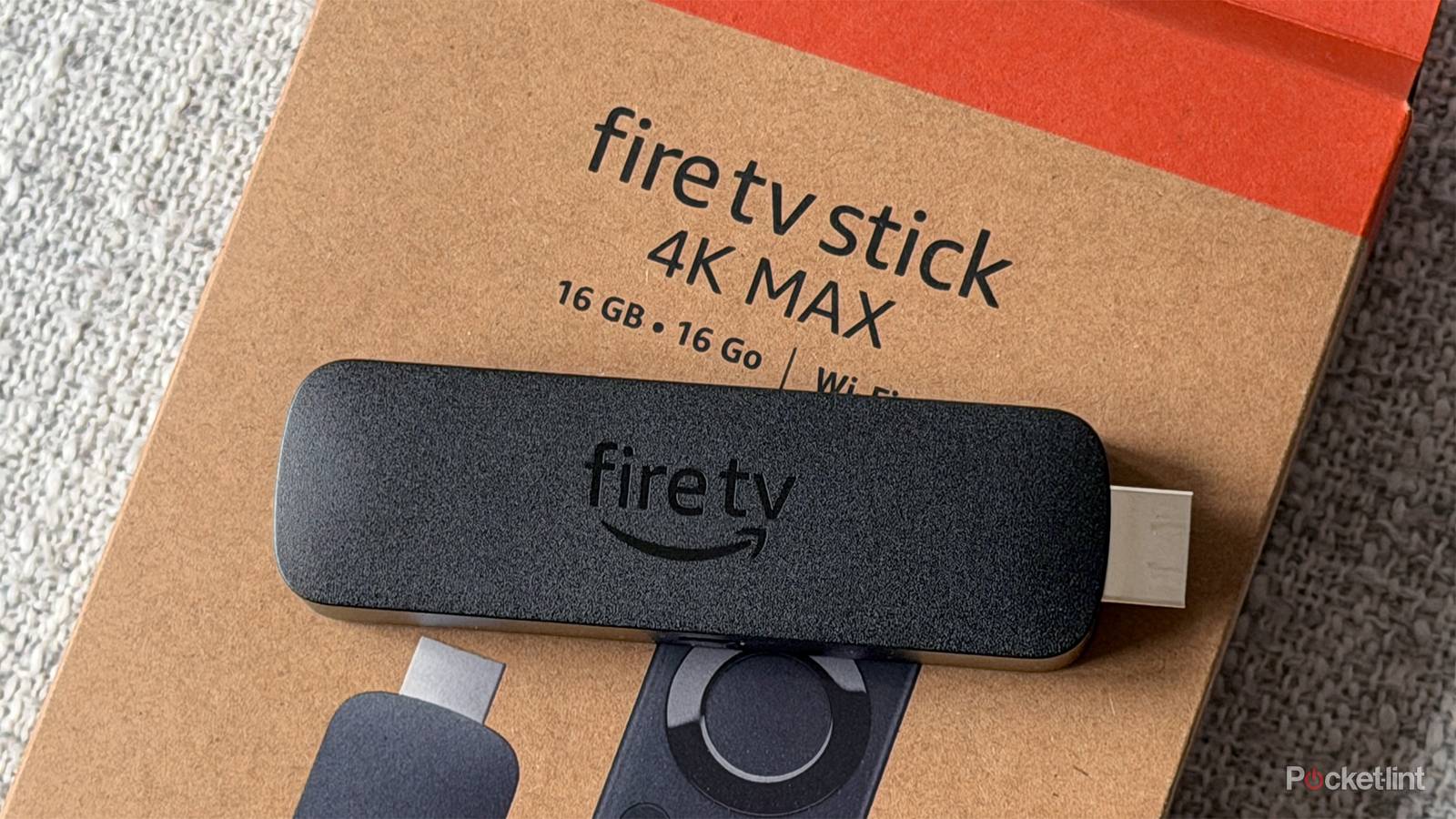
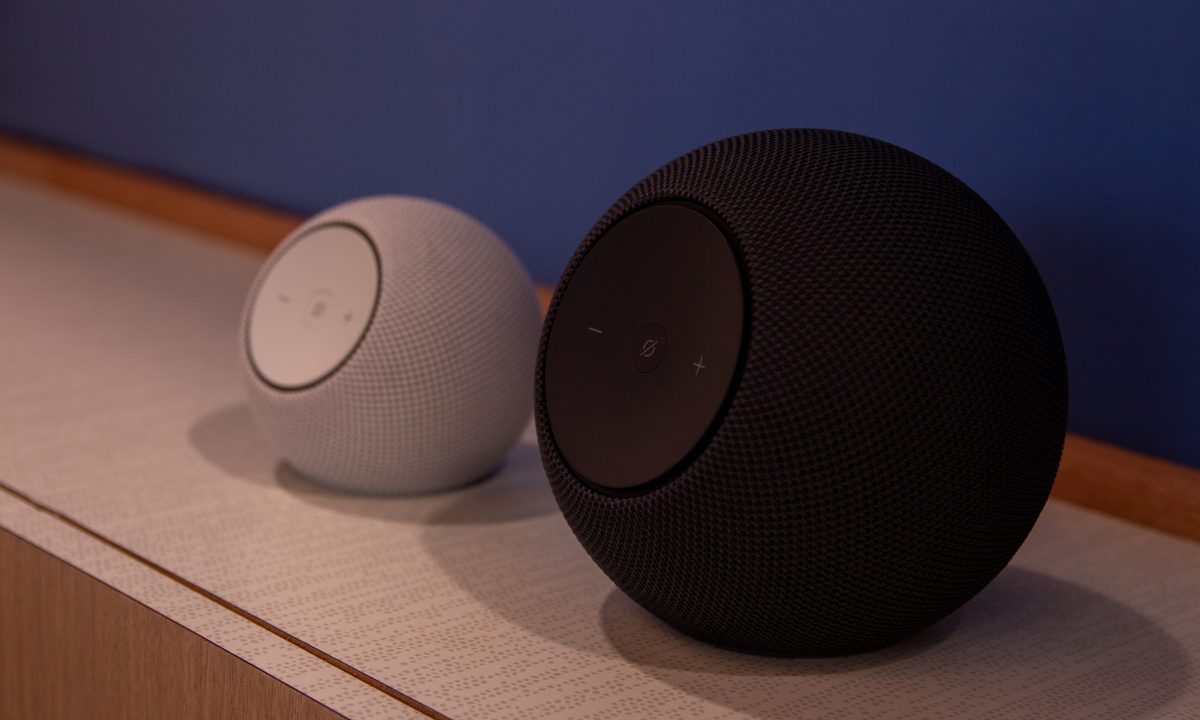
The memory shortage crisis is reshaping hardware sourcing economics for cross-border sellers. Amazon's implementation of 20-60% price increases across its device ecosystem—with Echo Dot rising 60% ($50→$80), Echo Show 21 up 25% ($400→$500), Fire TV Stick 4K Max up 42% ($60→$85), and Kindle 16GB up 36% ($110→$150)—signals a critical inflection point in component costs that extends far beyond Amazon's own products. The company explicitly attributed these adjustments to "significant increases in memory and storage component costs," confirming that DRAM and NAND flash pricing pressures are now forcing retail price corrections across the entire tech ecosystem. This mirrors Apple's summer iPad/MacBook increases and Roku's 50% device price hikes in July, indicating industry-wide margin compression.
For cross-border sellers, this creates three immediate logistics and sourcing challenges: First, component cost inflation directly impacts landed costs for any electronics category relying on memory chips—not just Amazon devices, but also smart home accessories, IoT devices, tablets, and networking equipment. Sellers sourcing from Taiwan (TSMC, MediaTek), South Korea (Samsung, SK Hynix), or China (SMIC) are experiencing 15-25% component cost increases, which compress margins by 8-15% unless retail prices adjust. Second, inventory positioning becomes critical—sellers holding pre-shortage stock can maintain competitive pricing through Q4 2024, while new inventory purchased at current component costs will require 20-30% price increases to maintain margins. Third, warehouse strategy must shift: sellers should prioritize liquidating existing high-margin inventory in US/EU warehouses before Q4 peak season, then strategically restock lower-volume SKUs to avoid holding excess inventory at inflated component costs.
Specific logistics actions for sellers: (1) Accelerate sourcing from secondary suppliers in Vietnam, Thailand, and Malaysia where component costs are 5-8% lower than China due to lower tariff exposure and alternative supply chains; (2) Shift from FBA to FBM for memory-intensive categories to reduce storage fees (currently $0.87/unit/month for standard-size electronics) and avoid IPI penalties on slow-moving inventory; (3) Negotiate extended payment terms with suppliers (60-90 days vs. standard 30 days) to improve cash flow during the transition; (4) Consolidate shipments to reduce per-unit freight costs—combining 10-15 SKUs into single ocean freight containers (currently $2,500-3,200 per 20ft container from Shanghai to Los Angeles) rather than air freight ($8-12/kg) saves 40-50% on logistics. The broader implication: sellers must treat this as a 6-12 month supply chain recalibration, not a temporary price spike.
Questions 8
Should I stock up on inventory before component costs rise further?
Yes, but strategically. If you have existing inventory with pre-shortage component costs, prioritize liquidating it through Q4 2024 at current pricing to capture margin before new stock arrives. However, avoid over-stocking new inventory at current component costs—instead, negotiate 60-90 day payment terms with suppliers to defer cash outlay. Industry data shows component costs typically stabilize 6-12 months after shortage peaks, so aggressive stocking now risks holding excess inventory at inflated costs. Focus on fast-moving SKUs (top 20% by volume) and liquidate slow movers (bottom 30%) to optimize warehouse utilization and reduce Amazon FBA storage fees ($0.87/unit/month for standard electronics).
Which product categories are most affected by memory shortage price increases?
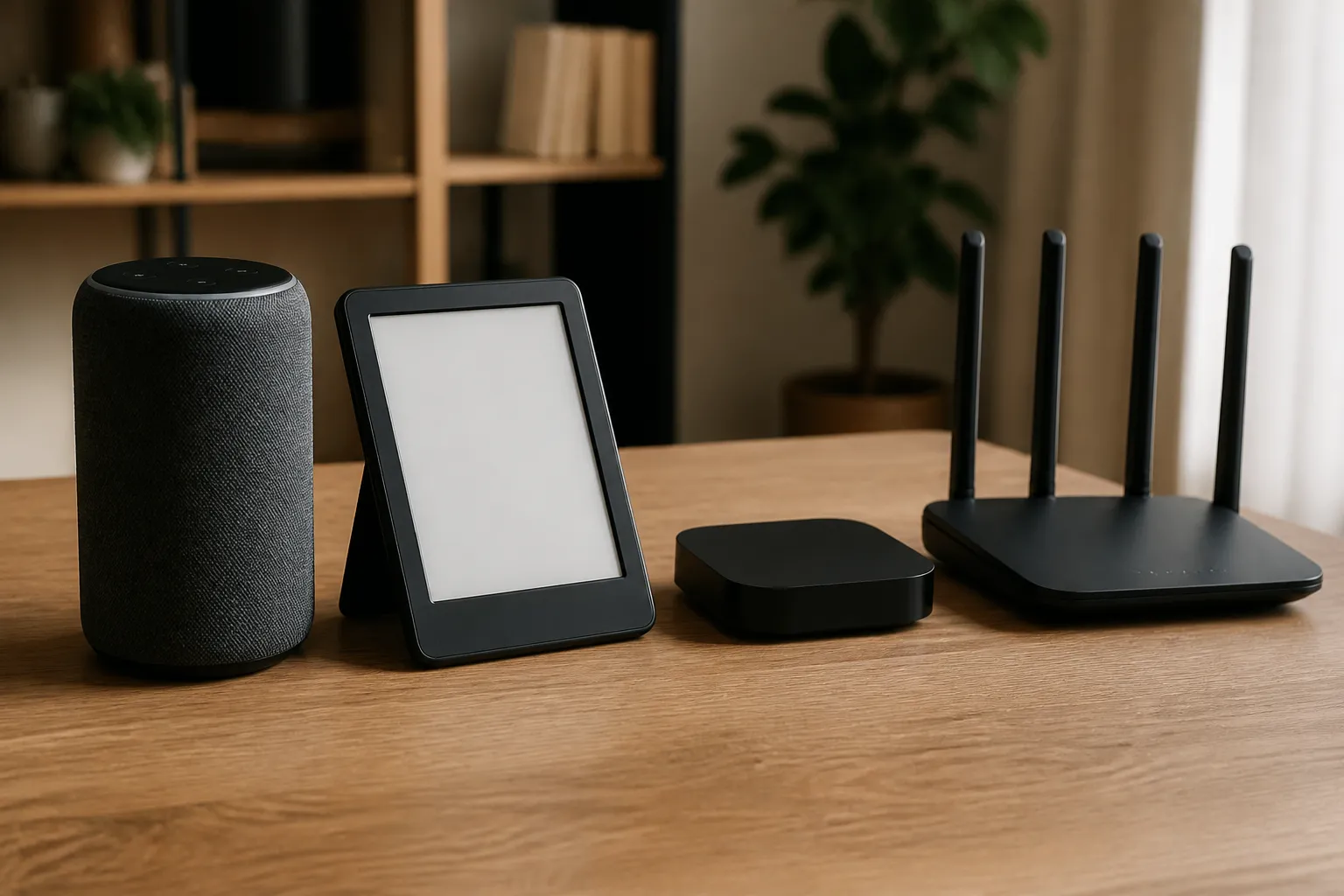
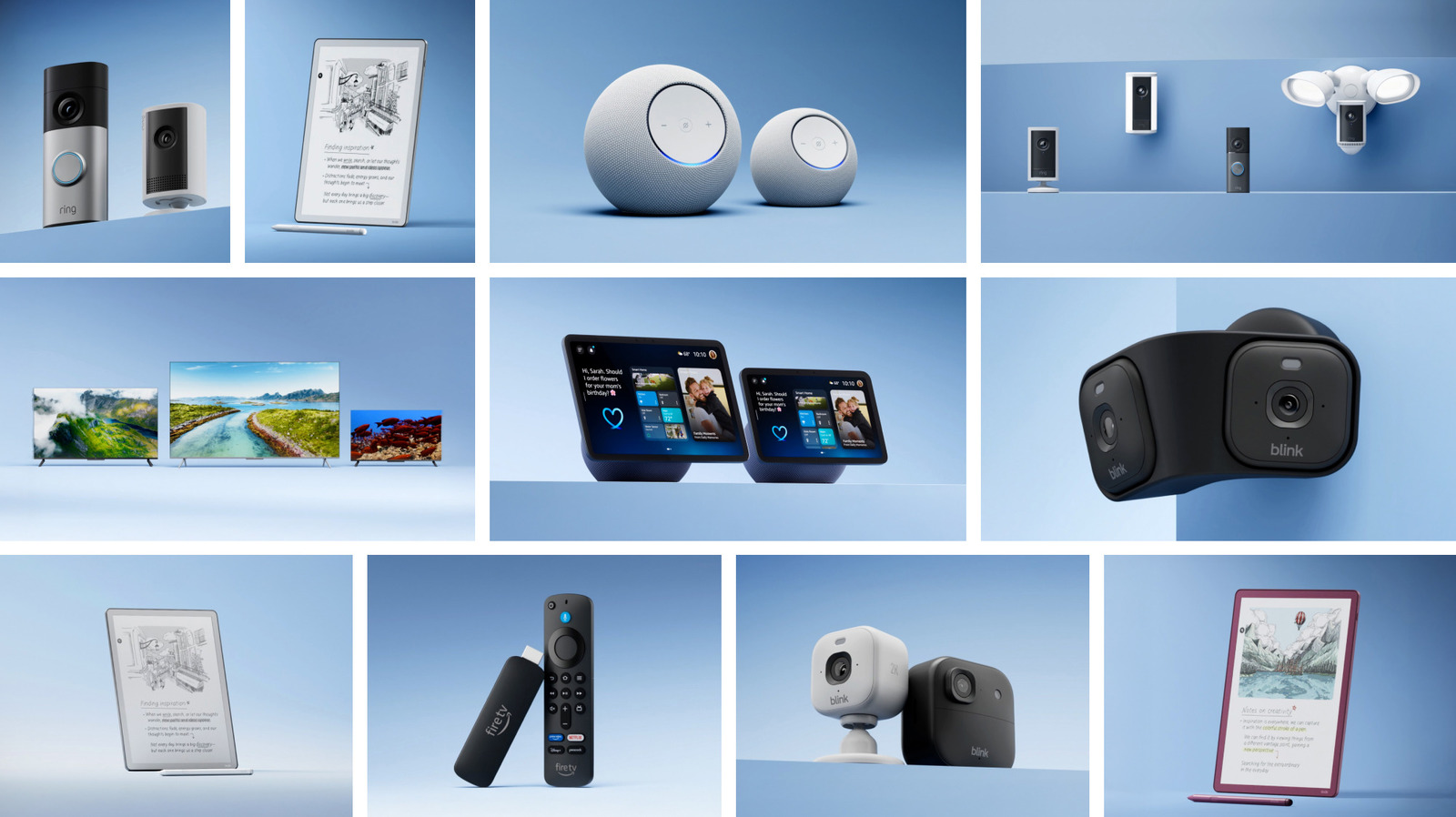
Smart home devices (Echo, Alexa-enabled products), streaming devices (Fire TV, Roku), networking equipment (eero, mesh routers), tablets, e-readers (Kindle), and IoT devices are most exposed because they rely heavily on DRAM and NAND flash storage. Amazon's price increases confirm this: Echo Dot +60%, Fire TV Stick 4K Max +42%, Kindle 16GB +36%. Sellers in these categories should expect 20-40% component cost increases. Conversely, Ring products avoided price increases, suggesting Amazon absorbed costs for lower-margin security products. Sellers should prioritize sourcing adjustments for high-margin categories (smart home, networking) and consider FBM fulfillment for memory-intensive products to reduce storage costs.