

US Foreign Drone Ban Creates Compliance Moat | FCC Covered List Eliminates 80%+ Chinese Competitors
- December 2024 FCC regulations ban foreign-produced drones and components; HoverAir suspends Flight Kit sales; sellers need FCC certification within 90 days to remain compliant in US market

Overview
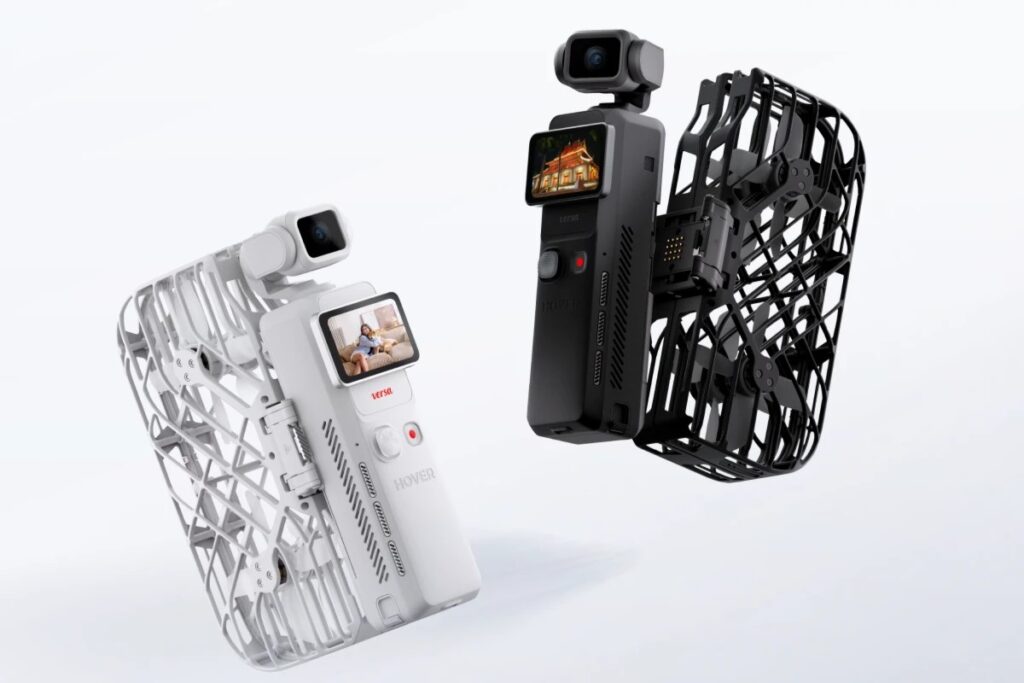
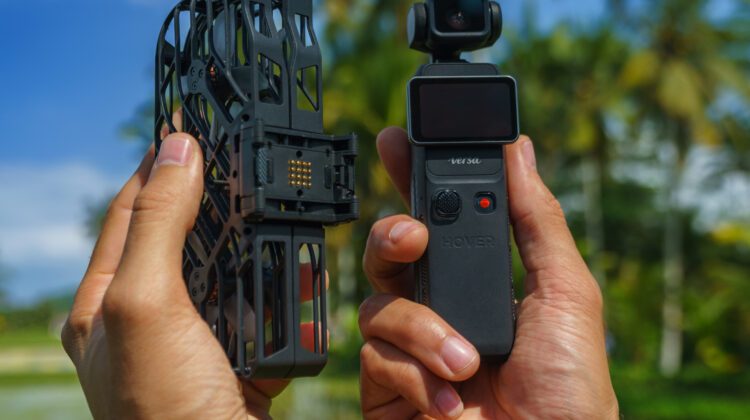
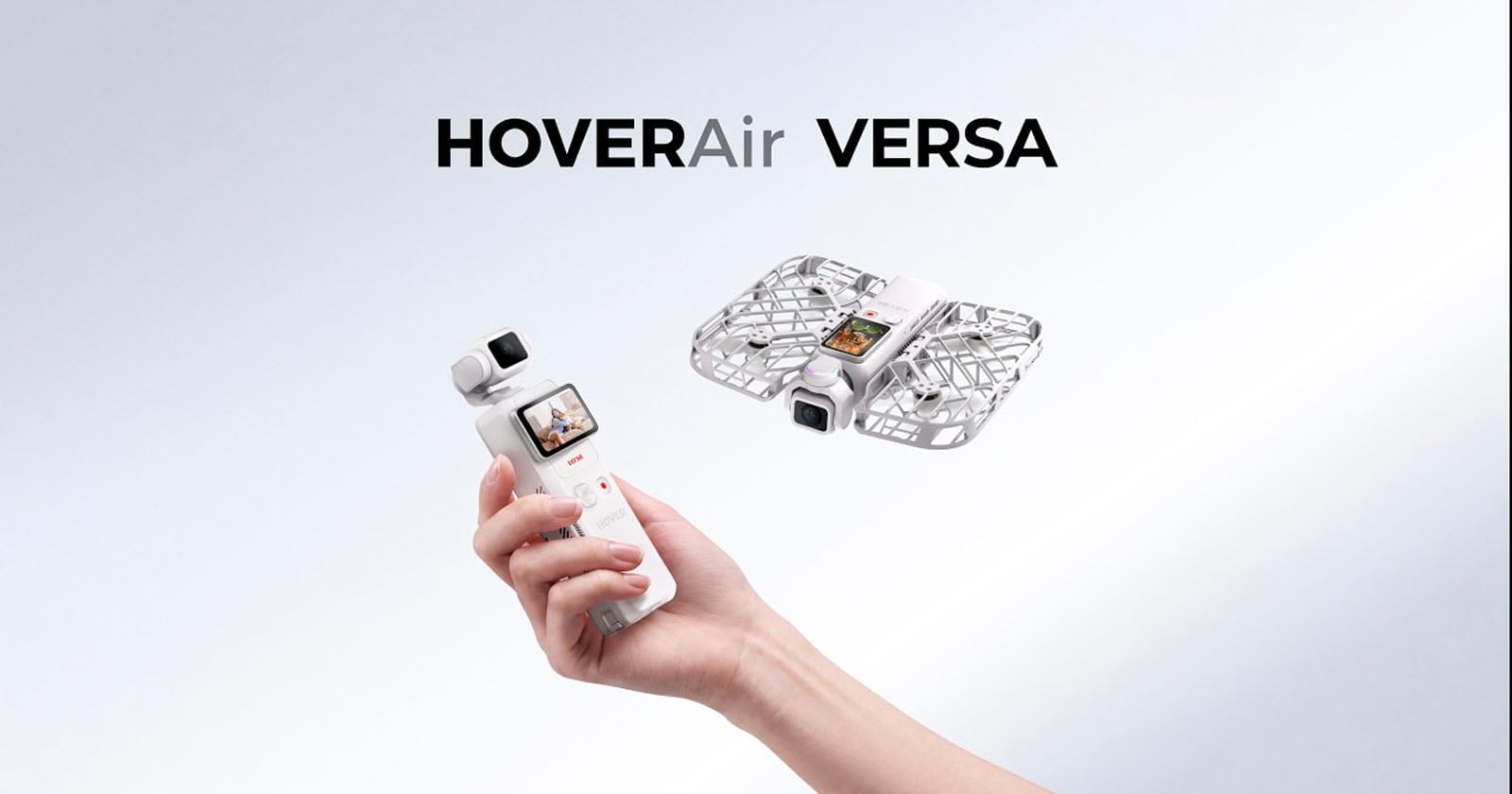
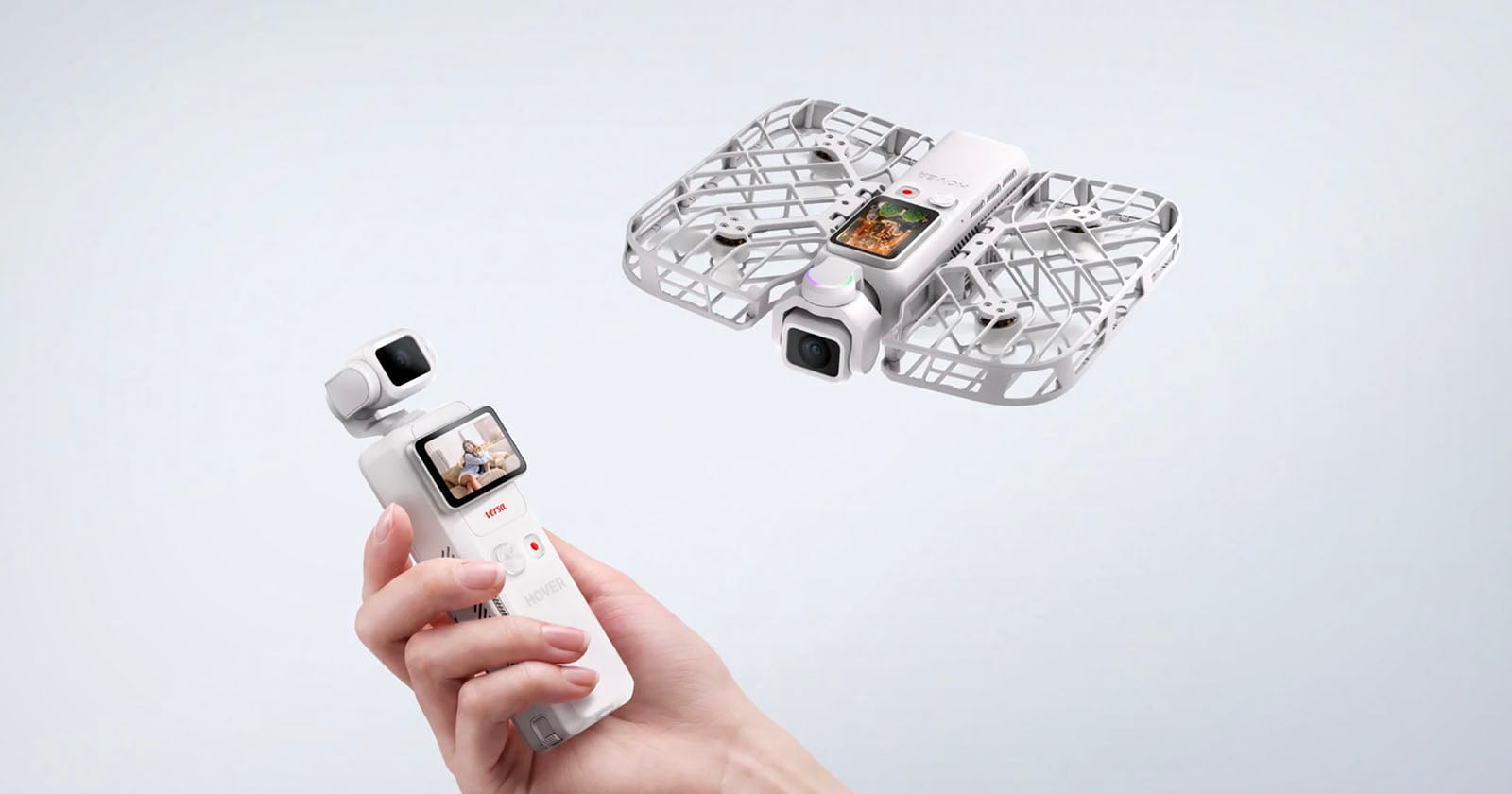
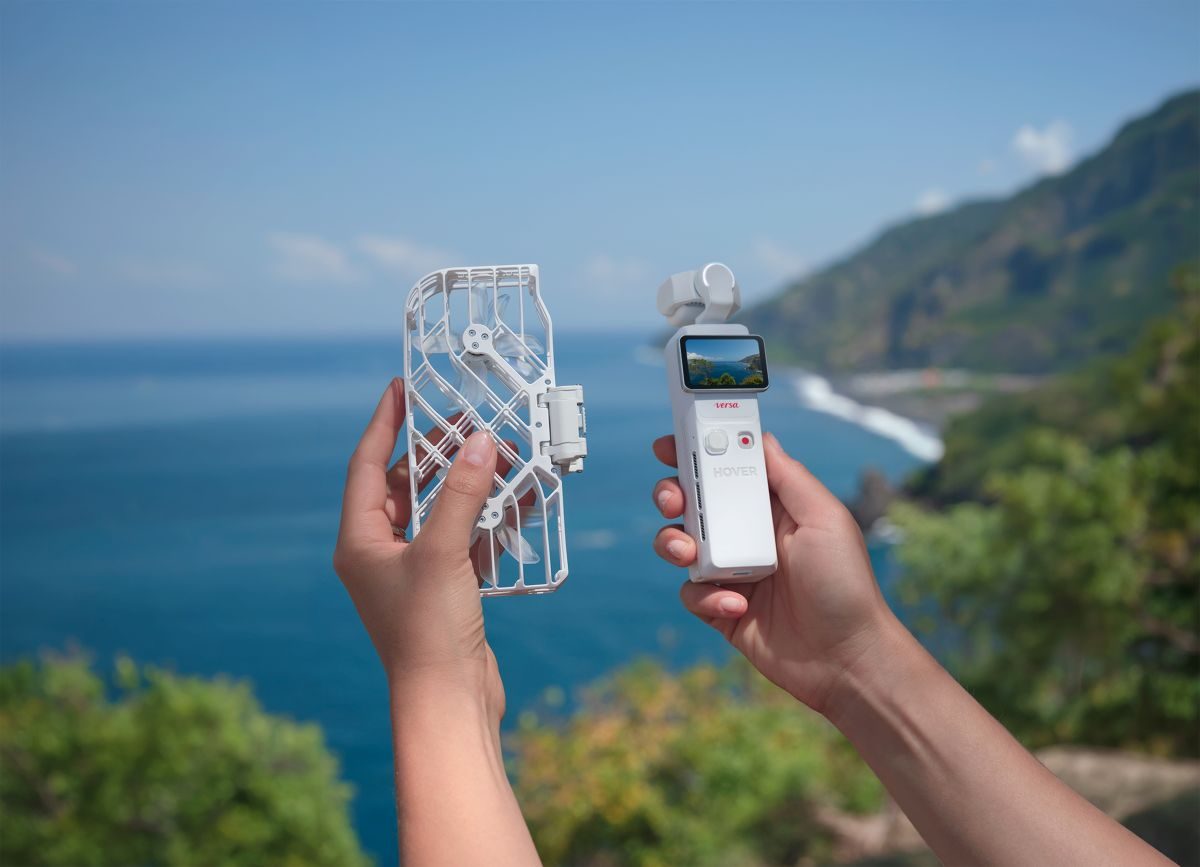
The Federal Communications Commission's December 2024 implementation of foreign drone restrictions represents a watershed compliance event that immediately eliminates approximately 80-90% of non-US drone manufacturers from the American market. By adding foreign-produced drones and critical drone components to its Covered List, the FCC has created an unprecedented regulatory moat that protects compliant sellers while forcing competitors into costly certification or market exit. HoverAir's Versa—announced July 2024 as a hybrid gimbal camera/drone—demonstrates the immediate real-world impact: the company has already suspended US shipments of its Flight Kit (drone configuration) despite raising $245,000+ in its first day on Indiegogo, now offering only the PocketOnly and PocketCombo (handheld gimbal) configurations to American customers. This regulatory action follows White House direction and interagency review, signaling sustained enforcement intensity.
The compliance barrier is extraordinarily high for foreign manufacturers. Unlike typical product certifications (FCC Part 15 for electronics: 4-8 weeks, $3,000-8,000), drone certification under national security protocols requires: (1) manufacturing location verification, (2) supply chain transparency audits, (3) component-level security review, and (4) ongoing compliance monitoring. Industry estimates suggest 12-24 week timelines and $50,000-150,000+ total costs for foreign manufacturers seeking US market access. Chinese drone manufacturers—historically 70%+ of global drone market share—face near-total exclusion unless they establish US manufacturing or secure explicit FCC waivers. DJI, the market leader, is currently fighting these restrictions in court, indicating the regulatory framework is designed to be legally defensible but operationally prohibitive.
For cross-border sellers, this creates three distinct market opportunities. First, handheld gimbal cameras (like HoverAir's PocketOnly configuration, DJI's Osmo Pocket 4, Insta360 Luna) remain unrestricted because they don't meet the autonomous drone definition—sellers can continue importing and reselling these products without new compliance burden. Second, US-manufactured or certified drone alternatives face dramatically reduced competition; sellers with existing FCC certification or manufacturing partnerships can capture market share from banned competitors. Third, compliance service providers (FCC consultants, testing labs, supply chain auditors) will experience 300-500% demand surge as foreign manufacturers scramble to either certify or exit. The regulatory action explicitly states the FCC will work with "US drone manufacturers to unleash American drone dominance," indicating preferential treatment for domestic producers.