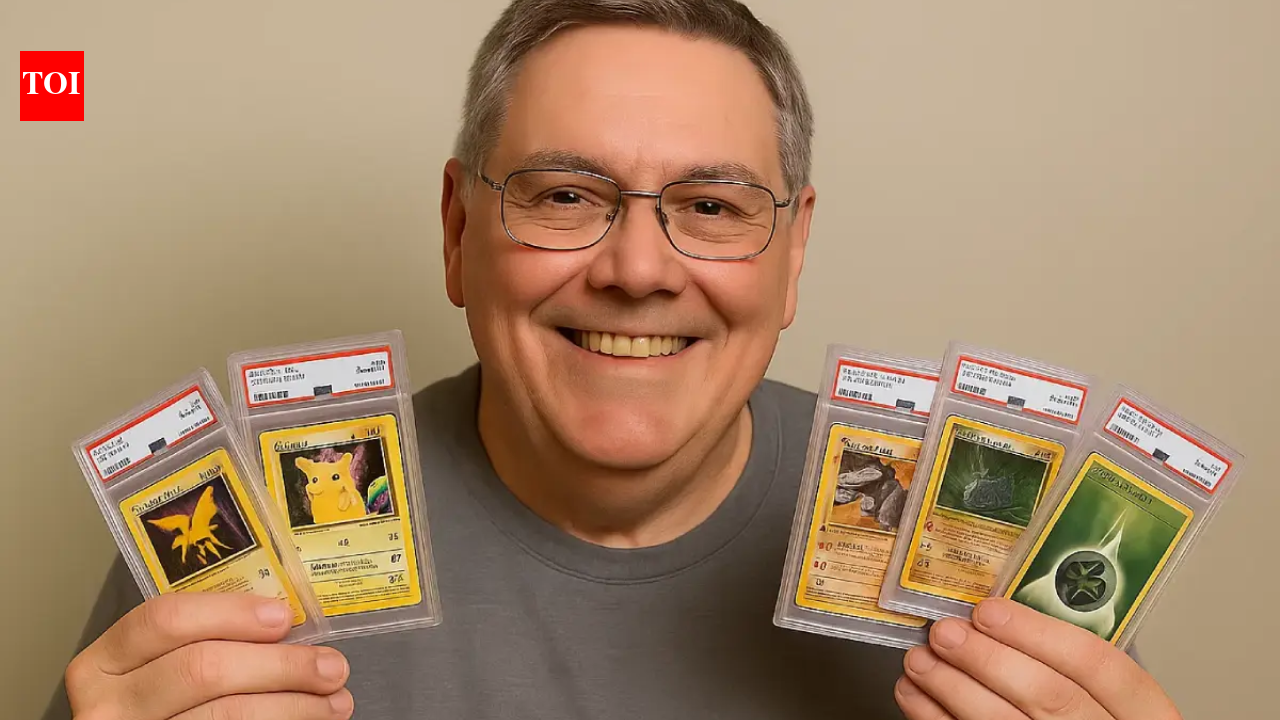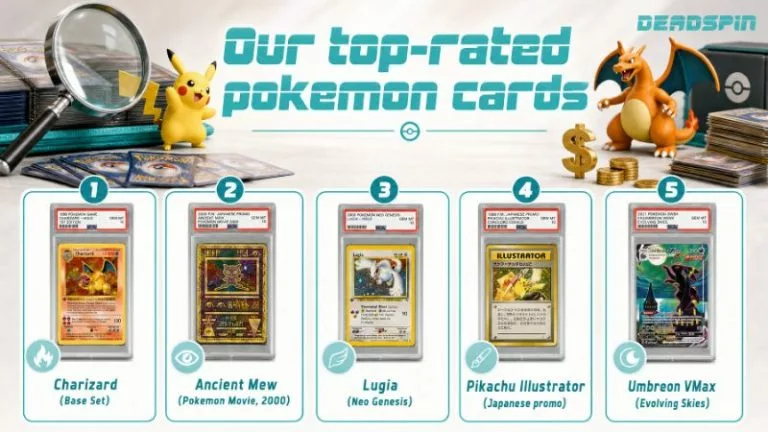
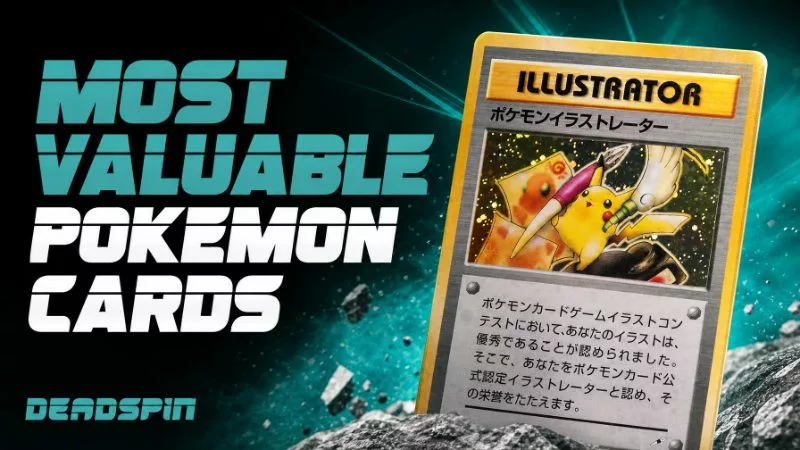

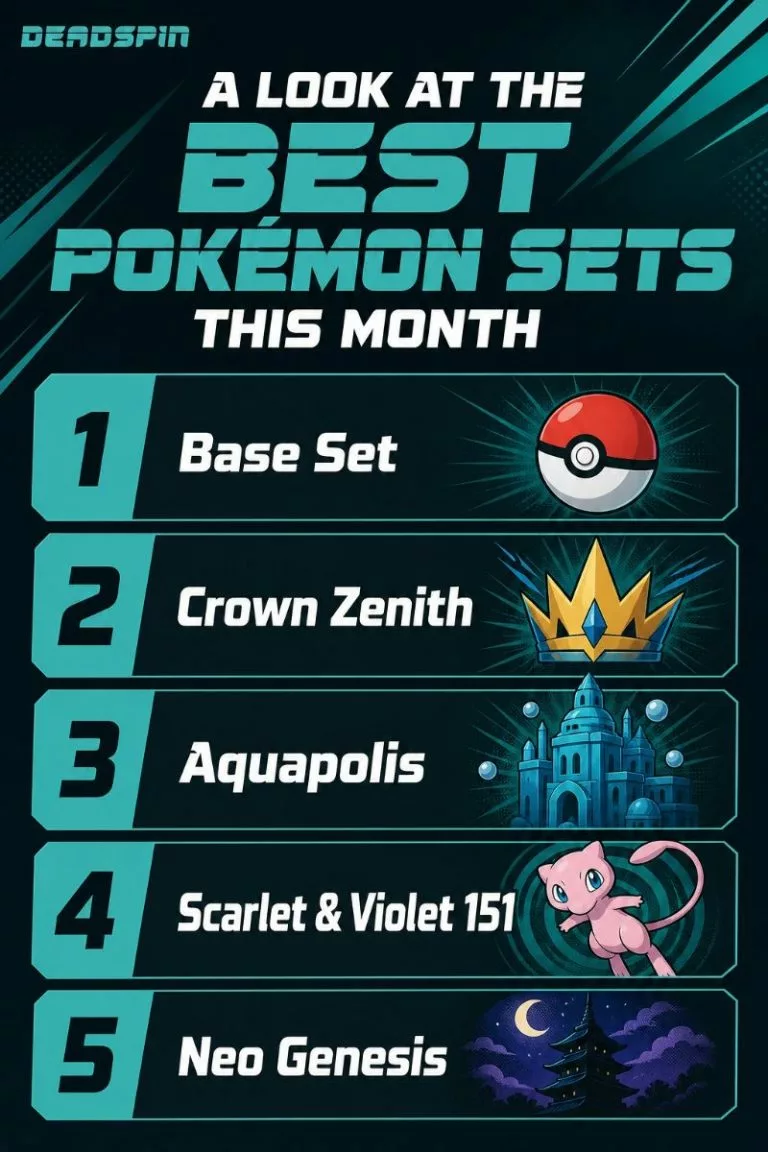


The Pokémon trading card market has transformed from childhood nostalgia into a high-value collectibles sector generating unprecedented demand, particularly in South Korea and internationally. The news reports celebrity-driven investment trends with individual cards commanding prices from KRW 3.2 million (TWICE's Momo) to USD 16.492 million (Logan Paul's 1998 Pikachu Illustrator sold February 2024), representing a 213% appreciation in 2.5 years. South Korea's market demonstrates exceptional scale with 160,000+ attendees at recent Pokémon events and dawn queues at retail locations, indicating sustained consumer appetite for sealed packs (KRW 1-3 million) and graded cards.
For cross-border sellers, this trend creates three distinct revenue streams: (1) Sealed pack distribution targeting Korean and Asian markets where original packs command premium pricing due to scarcity; (2) Graded card resale leveraging platforms like eBay, TCGPlayer, and specialized marketplaces where PSA/BGS certification adds 40-60% value premium; (3) Collectible accessories (card sleeves, grading services, storage solutions, display cases) capturing 15-25% margins on complementary products. The market mirrors idol photo card dynamics—unpredictable pack contents, rarity-driven resale values, and condition-dependent pricing create artificial scarcity that drives consumer spending beyond intrinsic product value.
Critical market dynamics for sellers: Actual transaction prices often diverge significantly from asking prices, professional grading (PSA 10 certification) adds $50-200 per card in costs, and random packs rarely yield valuable cards (estimated 0.1-2% hit rate for high-value pulls). However, the celebrity endorsement effect—particularly Kangnam's MBC Radio Star appearance and Momo's public collection—has legitimized Pokémon cards as alternative investments, attracting affluent demographics (ages 25-45, household income $75K+) willing to spend $500-5,000 monthly on sealed products. South Korea's market demonstrates the highest per-capita spending, but demand is accelerating in US, EU, and Southeast Asian markets where Pokémon nostalgia intersects with investment culture.
Seller opportunity window: The trend shows early-stage adoption characteristics with mainstream media coverage driving FOMO-driven purchasing. Sellers with access to authentic sealed packs from authorized distributors can capture 30-50% gross margins by arbitraging regional price differences (Korean packs sell at 20-40% premiums in US/EU markets). However, counterfeit products represent 15-25% of online listings, creating compliance risks and platform suspension threats. Successful sellers must prioritize authentication, leverage influencer partnerships with K-pop fans and investment communities, and establish trust through transparent grading partnerships.
Differentiation strategies include: (1) **Specialization** focusing on specific eras (vintage 1998-2005 vs. modern), grades (PSA 9-10 premium cards vs. raw bulk), or themes (Pikachu variants, first editions, shadowless); (2) **Authentication partnerships** offering third-party verification, insurance, and buyback guarantees to reduce buyer risk; (3) **Content marketing** creating YouTube/TikTok content about card history, investment thesis, and grading education to build authority and attract organic traffic; (4) **Community building** establishing Discord/Reddit communities where collectors share collections, discuss market trends, and receive exclusive pre-sale access; (5) **Subscription models** offering monthly curated card boxes ($50-200/month) targeting casual collectors and gift buyers. The news reports that the market mirrors idol photo card dynamics with unpredictable pack contents driving FOMO; sellers can replicate this through limited-edition drops, mystery boxes, and time-limited auctions. **Influencer partnerships** with collectibles YouTubers (100K-1M subscribers) cost $2K-10K per video but generate 5-15% conversion rates and 50-100K impressions. **Loyalty programs** offering 5-10% discounts on repeat purchases and exclusive access to rare cards increase customer lifetime value by 40-60% and reduce acquisition costs by 25-35%.
**South Korea** represents the highest-demand market with 160,000+ event attendees and premium pricing (20-40% above US/EU rates), but faces intense local competition and language barriers. **United States** offers the largest absolute market size with established platforms (eBay, TCGPlayer) and mature buyer base, but features saturated competition and lower margins. **Southeast Asia** (Thailand, Vietnam, Philippines) shows emerging demand with 40-60% lower advertising costs and 25-35% price premiums due to scarcity, but requires localized payment solutions and logistics partnerships. **European Union** demonstrates strong demand among affluent collectors (Germany, UK, France) with 15-25% price premiums and lower counterfeit risk, but faces VAT compliance complexity (19-25% rates) and customs documentation requirements. The news indicates celebrity influence drives regional demand spikes; sellers should prioritize markets where K-pop/anime culture intersects with investment communities (South Korea, Japan, Thailand, Philippines). Emerging markets in Latin America and Middle East show 50-100% year-over-year growth but require established brand reputation and payment infrastructure. Sellers should start with 2-3 core markets, establish logistics partnerships, and expand based on demand signals and margin performance.
The Pokémon card market has transformed into a high-value collectibles sector driven by celebrity endorsements, nostalgia, and investment expectations. The news reports that South Korea's market attracted 160,000+ attendees at recent events with dawn queues at retail locations, indicating sustained demand. Target demographics are affluent collectors aged 25-45 with household incomes $75K+ who view cards as alternative investments. Celebrity examples like TWICE's Momo (carrying a KRW 3.2 million Suicune ex card) and broadcaster Kangnam (disclosing collections worth tens of millions won) have legitimized Pokémon cards as status symbols and investment vehicles. Sellers should target investment-minded communities, K-pop fan bases, and nostalgia-driven demographics through platforms like TikTok, Instagram, and specialized collectibles forums where engagement rates for card content average 8-15%.
Effective listings require: (1) **Keyword optimization** targeting high-intent search terms like 'PSA 10 Pikachu Illustrator,' 'sealed Pokémon booster box,' and 'graded vintage cards' with monthly search volumes of 5K-50K; (2) **Condition transparency** including detailed photos of card grading, centering, corners, and edges, reducing return rates by 30-40%; (3) **Authenticity signals** such as PSA/BGS certification numbers, seller verification badges, and authentication guarantees; (4) **Pricing strategy** using dynamic pricing based on recent comparable sales (TCGPlayer price guide, eBay sold listings) rather than asking prices; (5) **Scarcity messaging** highlighting rarity (e.g., 'one of 39 awarded in CoroCoro Comic contest') to justify premium pricing. The news reports that Logan Paul's 1998 Pikachu Illustrator sold for USD 16.492 million in February 2024, demonstrating extreme rarity commands extreme premiums. Sellers should include investment thesis in descriptions ('alternative asset class,' 'hedge against inflation') to attract affluent buyers. Video content showing card details, grading process, and unboxing experiences increases engagement by 40-60% and conversion rates by 15-25% compared to static listings.
Platform selection depends on product type and target geography: **eBay** dominates graded card sales with 35-40% market share but charges 12.9% fees; **TCGPlayer** specializes in trading cards with lower fees (10%) and attracts serious collectors; **Amazon** offers broader reach but has stricter authentication requirements and 15% referral fees. For sealed packs, **Shopify** stores with influencer partnerships achieve 8-12% conversion rates at $2-4 CPC through TikTok/Instagram ads targeting K-pop and investment communities. **TikTok Shop** and **Temu** are emerging channels in Asia-Pacific with 40-60% lower advertising costs ($0.50-1.50 CPC) but higher counterfeit risk. The news indicates celebrity endorsements drive 3-5x traffic spikes; partnering with micro-influencers (10K-100K followers) in collectibles niches costs $500-2,000 per post and generates 15-25% conversion rates. Email marketing to existing collectors achieves 8-12% open rates and 3-5% conversion rates at near-zero cost, making it the highest-ROI channel for repeat customers.
The primary risks include: (1) **Counterfeit products** representing 15-25% of online listings, creating platform suspension and legal liability; (2) **Price volatility** where actual transaction prices often diverge significantly from asking prices, particularly for mid-tier cards; (3) **Grading cost burden** where PSA 10 certification adds $50-200 per card, making low-value cards unprofitable to grade; (4) **Market saturation** as new sellers enter the space, compressing margins from 40-50% to 25-35%; (5) **Regulatory uncertainty** around gambling-adjacent mechanics (sealed pack randomness) in certain jurisdictions. The news cautions that random packs rarely yield valuable cards (estimated 0.1-2% hit rate), creating customer dissatisfaction and return rates of 10-20% for sealed products. Sellers must implement authentication protocols, maintain transparent grading partnerships, and establish clear return policies to mitigate these risks.
Gross margins vary significantly by product category: sealed packs typically yield 30-50% margins through regional arbitrage (Korean packs sell at 20-40% premiums in US/EU markets), while graded cards command 40-60% value premiums after PSA/BGS certification. However, professional grading costs $50-200 per card, reducing net margins to 15-35% for mid-tier cards. The news reports that original packs costing KRW 1-3 million can contain cards valued at tens of millions won or as little as KRW 300,000, illustrating the high variance in pull rates. Complementary products (sleeves, storage, display cases) achieve 50-70% margins but represent smaller transaction values ($5-50 per order). Sellers must account for platform fees (eBay 12.9%, TCGPlayer 10%), authentication costs, and counterfeit risk mitigation, which collectively reduce net margins by 15-25%.
Critical compliance areas include: (1) **Intellectual property** ensuring all products are officially licensed Pokémon merchandise; counterfeit sales violate trademark law and result in platform suspension, legal liability, and fines up to $150K per violation; (2) **Gambling regulations** in certain jurisdictions (Belgium, Netherlands, parts of US) classify sealed pack sales as gambling due to randomness; sellers must verify local regulations before offering booster boxes; (3) **Consumer protection** requiring accurate condition descriptions, transparent grading standards, and clear return policies (30-60 days standard); (4) **Tax compliance** including sales tax collection (US), VAT registration (EU 19-25%), and income reporting; (5) **Platform policies** adhering to eBay/Amazon authentication requirements, prohibited items lists, and seller rating standards. The news indicates professional grading adds substantial costs and complexity; sellers must ensure PSA/BGS certificates are legitimate and match card descriptions. **Cross-border considerations** require customs documentation, import duty calculations, and compliance with destination country regulations. Sellers should consult tax professionals for multi-jurisdiction operations and maintain detailed records of inventory, sales, and grading certifications for audit purposes. Insurance coverage for high-value inventory ($10K+) costs 1-3% annually but protects against theft, damage, and liability claims.
Differentiation strategies include: (1) **Specialization** focusing on specific eras (vintage 1998-2005 vs. modern), grades (PSA 9-10 premium cards vs. raw bulk), or themes (Pikachu variants, first editions, shadowless); (2) **Authentication partnerships** offering third-party verification, insurance, and buyback guarantees to reduce buyer risk; (3) **Content marketing** creating YouTube/TikTok content about card history, investment thesis, and grading education to build authority and attract organic traffic; (4) **Community building** establishing Discord/Reddit communities where collectors share collections, discuss market trends, and receive exclusive pre-sale access; (5) **Subscription models** offering monthly curated card boxes ($50-200/month) targeting casual collectors and gift buyers. The news reports that the market mirrors idol photo card dynamics with unpredictable pack contents driving FOMO; sellers can replicate this through limited-edition drops, mystery boxes, and time-limited auctions. **Influencer partnerships** with collectibles YouTubers (100K-1M subscribers) cost $2K-10K per video but generate 5-15% conversion rates and 50-100K impressions. **Loyalty programs** offering 5-10% discounts on repeat purchases and exclusive access to rare cards increase customer lifetime value by 40-60% and reduce acquisition costs by 25-35%.
**South Korea** represents the highest-demand market with 160,000+ event attendees and premium pricing (20-40% above US/EU rates), but faces intense local competition and language barriers. **United States** offers the largest absolute market size with established platforms (eBay, TCGPlayer) and mature buyer base, but features saturated competition and lower margins. **Southeast Asia** (Thailand, Vietnam, Philippines) shows emerging demand with 40-60% lower advertising costs and 25-35% price premiums due to scarcity, but requires localized payment solutions and logistics partnerships. **European Union** demonstrates strong demand among affluent collectors (Germany, UK, France) with 15-25% price premiums and lower counterfeit risk, but faces VAT compliance complexity (19-25% rates) and customs documentation requirements. The news indicates celebrity influence drives regional demand spikes; sellers should prioritize markets where K-pop/anime culture intersects with investment communities (South Korea, Japan, Thailand, Philippines). Emerging markets in Latin America and Middle East show 50-100% year-over-year growth but require established brand reputation and payment infrastructure. Sellers should start with 2-3 core markets, establish logistics partnerships, and expand based on demand signals and margin performance.
The Pokémon card market has transformed into a high-value collectibles sector driven by celebrity endorsements, nostalgia, and investment expectations. The news reports that South Korea's market attracted 160,000+ attendees at recent events with dawn queues at retail locations, indicating sustained demand. Target demographics are affluent collectors aged 25-45 with household incomes $75K+ who view cards as alternative investments. Celebrity examples like TWICE's Momo (carrying a KRW 3.2 million Suicune ex card) and broadcaster Kangnam (disclosing collections worth tens of millions won) have legitimized Pokémon cards as status symbols and investment vehicles. Sellers should target investment-minded communities, K-pop fan bases, and nostalgia-driven demographics through platforms like TikTok, Instagram, and specialized collectibles forums where engagement rates for card content average 8-15%.
Effective listings require: (1) **Keyword optimization** targeting high-intent search terms like 'PSA 10 Pikachu Illustrator,' 'sealed Pokémon booster box,' and 'graded vintage cards' with monthly search volumes of 5K-50K; (2) **Condition transparency** including detailed photos of card grading, centering, corners, and edges, reducing return rates by 30-40%; (3) **Authenticity signals** such as PSA/BGS certification numbers, seller verification badges, and authentication guarantees; (4) **Pricing strategy** using dynamic pricing based on recent comparable sales (TCGPlayer price guide, eBay sold listings) rather than asking prices; (5) **Scarcity messaging** highlighting rarity (e.g., 'one of 39 awarded in CoroCoro Comic contest') to justify premium pricing. The news reports that Logan Paul's 1998 Pikachu Illustrator sold for USD 16.492 million in February 2024, demonstrating extreme rarity commands extreme premiums. Sellers should include investment thesis in descriptions ('alternative asset class,' 'hedge against inflation') to attract affluent buyers. Video content showing card details, grading process, and unboxing experiences increases engagement by 40-60% and conversion rates by 15-25% compared to static listings.
Platform selection depends on product type and target geography: **eBay** dominates graded card sales with 35-40% market share but charges 12.9% fees; **TCGPlayer** specializes in trading cards with lower fees (10%) and attracts serious collectors; **Amazon** offers broader reach but has stricter authentication requirements and 15% referral fees. For sealed packs, **Shopify** stores with influencer partnerships achieve 8-12% conversion rates at $2-4 CPC through TikTok/Instagram ads targeting K-pop and investment communities. **TikTok Shop** and **Temu** are emerging channels in Asia-Pacific with 40-60% lower advertising costs ($0.50-1.50 CPC) but higher counterfeit risk. The news indicates celebrity endorsements drive 3-5x traffic spikes; partnering with micro-influencers (10K-100K followers) in collectibles niches costs $500-2,000 per post and generates 15-25% conversion rates. Email marketing to existing collectors achieves 8-12% open rates and 3-5% conversion rates at near-zero cost, making it the highest-ROI channel for repeat customers.
The primary risks include: (1) **Counterfeit products** representing 15-25% of online listings, creating platform suspension and legal liability; (2) **Price volatility** where actual transaction prices often diverge significantly from asking prices, particularly for mid-tier cards; (3) **Grading cost burden** where PSA 10 certification adds $50-200 per card, making low-value cards unprofitable to grade; (4) **Market saturation** as new sellers enter the space, compressing margins from 40-50% to 25-35%; (5) **Regulatory uncertainty** around gambling-adjacent mechanics (sealed pack randomness) in certain jurisdictions. The news cautions that random packs rarely yield valuable cards (estimated 0.1-2% hit rate), creating customer dissatisfaction and return rates of 10-20% for sealed products. Sellers must implement authentication protocols, maintain transparent grading partnerships, and establish clear return policies to mitigate these risks.
Gross margins vary significantly by product category: sealed packs typically yield 30-50% margins through regional arbitrage (Korean packs sell at 20-40% premiums in US/EU markets), while graded cards command 40-60% value premiums after PSA/BGS certification. However, professional grading costs $50-200 per card, reducing net margins to 15-35% for mid-tier cards. The news reports that original packs costing KRW 1-3 million can contain cards valued at tens of millions won or as little as KRW 300,000, illustrating the high variance in pull rates. Complementary products (sleeves, storage, display cases) achieve 50-70% margins but represent smaller transaction values ($5-50 per order). Sellers must account for platform fees (eBay 12.9%, TCGPlayer 10%), authentication costs, and counterfeit risk mitigation, which collectively reduce net margins by 15-25%.
Critical compliance areas include: (1) **Intellectual property** ensuring all products are officially licensed Pokémon merchandise; counterfeit sales violate trademark law and result in platform suspension, legal liability, and fines up to $150K per violation; (2) **Gambling regulations** in certain jurisdictions (Belgium, Netherlands, parts of US) classify sealed pack sales as gambling due to randomness; sellers must verify local regulations before offering booster boxes; (3) **Consumer protection** requiring accurate condition descriptions, transparent grading standards, and clear return policies (30-60 days standard); (4) **Tax compliance** including sales tax collection (US), VAT registration (EU 19-25%), and income reporting; (5) **Platform policies** adhering to eBay/Amazon authentication requirements, prohibited items lists, and seller rating standards. The news indicates professional grading adds substantial costs and complexity; sellers must ensure PSA/BGS certificates are legitimate and match card descriptions. **Cross-border considerations** require customs documentation, import duty calculations, and compliance with destination country regulations. Sellers should consult tax professionals for multi-jurisdiction operations and maintain detailed records of inventory, sales, and grading certifications for audit purposes. Insurance coverage for high-value inventory ($10K+) costs 1-3% annually but protects against theft, damage, and liability claims.
Differentiation strategies include: (1) **Specialization** focusing on specific eras (vintage 1998-2005 vs. modern), grades (PSA 9-10 premium cards vs. raw bulk), or themes (Pikachu variants, first editions, shadowless); (2) **Authentication partnerships** offering third-party verification, insurance, and buyback guarantees to reduce buyer risk; (3) **Content marketing** creating YouTube/TikTok content about card history, investment thesis, and grading education to build authority and attract organic traffic; (4) **Community building** establishing Discord/Reddit communities where collectors share collections, discuss market trends, and receive exclusive pre-sale access; (5) **Subscription models** offering monthly curated card boxes ($50-200/month) targeting casual collectors and gift buyers. The news reports that the market mirrors idol photo card dynamics with unpredictable pack contents driving FOMO; sellers can replicate this through limited-edition drops, mystery boxes, and time-limited auctions. **Influencer partnerships** with collectibles YouTubers (100K-1M subscribers) cost $2K-10K per video but generate 5-15% conversion rates and 50-100K impressions. **Loyalty programs** offering 5-10% discounts on repeat purchases and exclusive access to rare cards increase customer lifetime value by 40-60% and reduce acquisition costs by 25-35%.
**South Korea** represents the highest-demand market with 160,000+ event attendees and premium pricing (20-40% above US/EU rates), but faces intense local competition and language barriers. **United States** offers the largest absolute market size with established platforms (eBay, TCGPlayer) and mature buyer base, but features saturated competition and lower margins. **Southeast Asia** (Thailand, Vietnam, Philippines) shows emerging demand with 40-60% lower advertising costs and 25-35% price premiums due to scarcity, but requires localized payment solutions and logistics partnerships. **European Union** demonstrates strong demand among affluent collectors (Germany, UK, France) with 15-25% price premiums and lower counterfeit risk, but faces VAT compliance complexity (19-25% rates) and customs documentation requirements. The news indicates celebrity influence drives regional demand spikes; sellers should prioritize markets where K-pop/anime culture intersects with investment communities (South Korea, Japan, Thailand, Philippines). Emerging markets in Latin America and Middle East show 50-100% year-over-year growth but require established brand reputation and payment infrastructure. Sellers should start with 2-3 core markets, establish logistics partnerships, and expand based on demand signals and margin performance.