


US Fiscal Crisis 2026 | Tariff Escalation & Trade Policy Shifts Reshape Cross-Border Seller Economics
- $40 trillion national debt triggers austerity measures; sellers face 8-15% tariff increases and stricter import regulations by Q4 2026


Overview
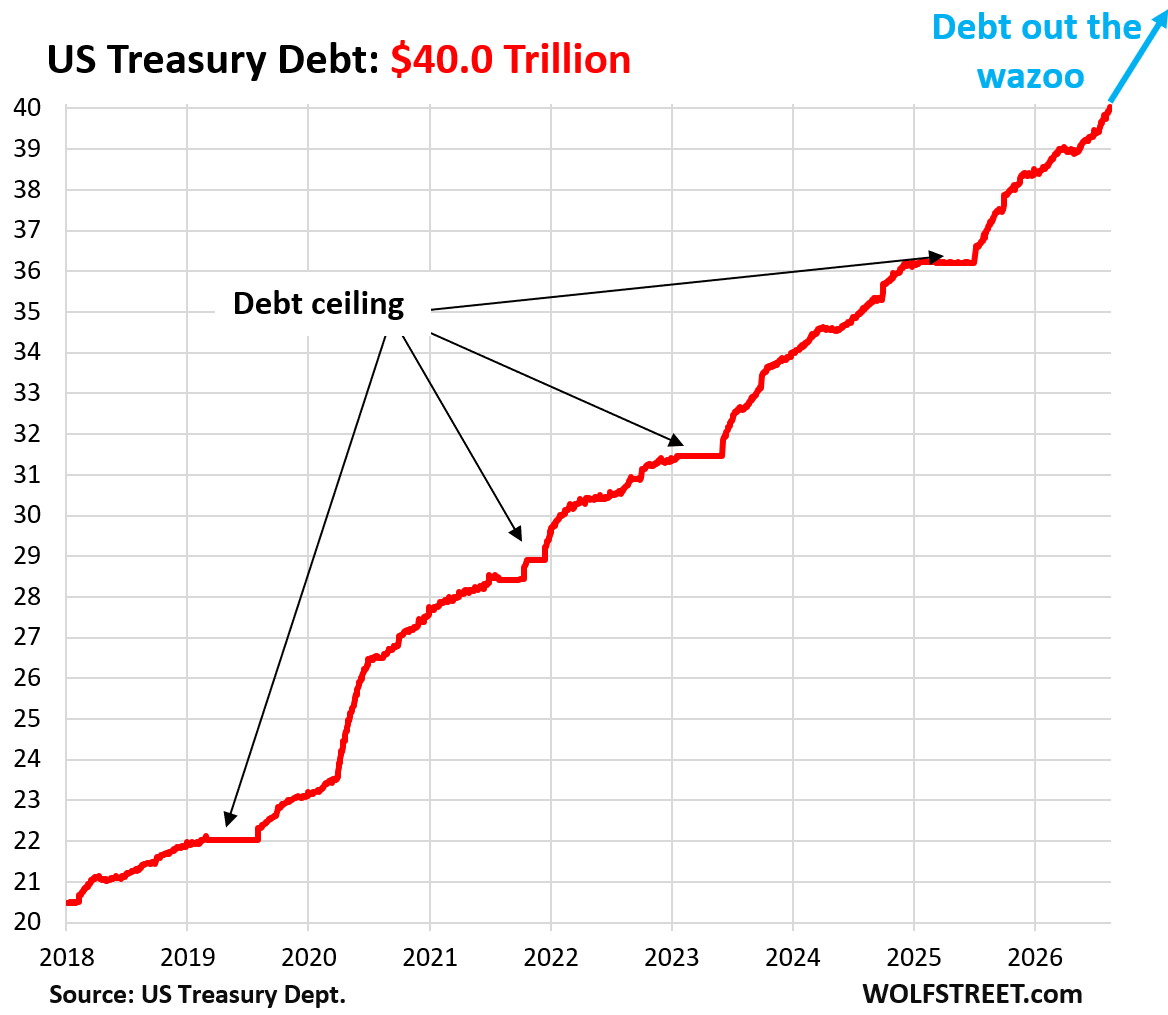
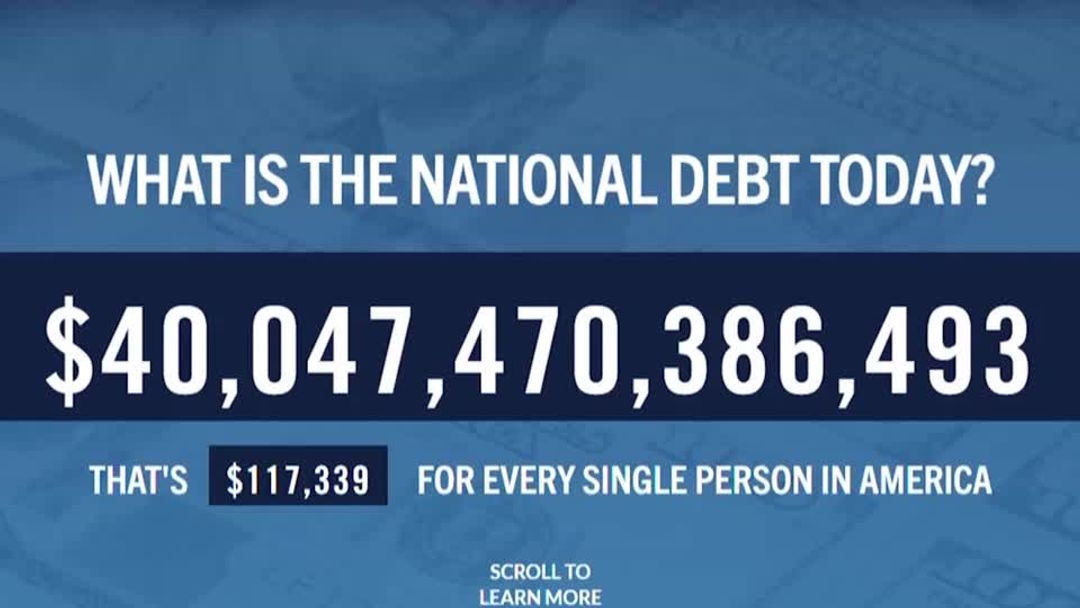
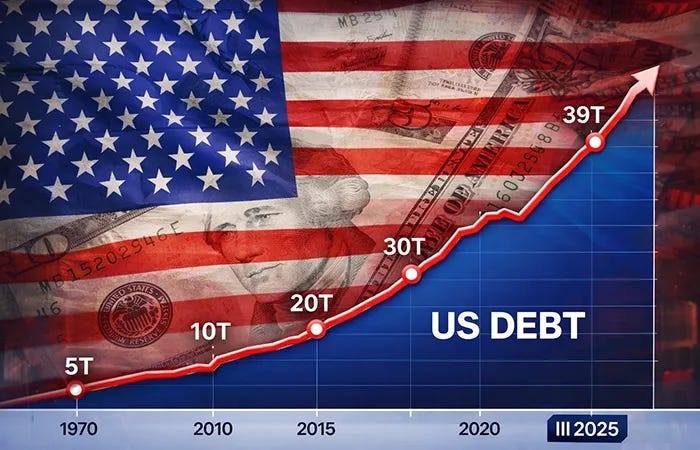
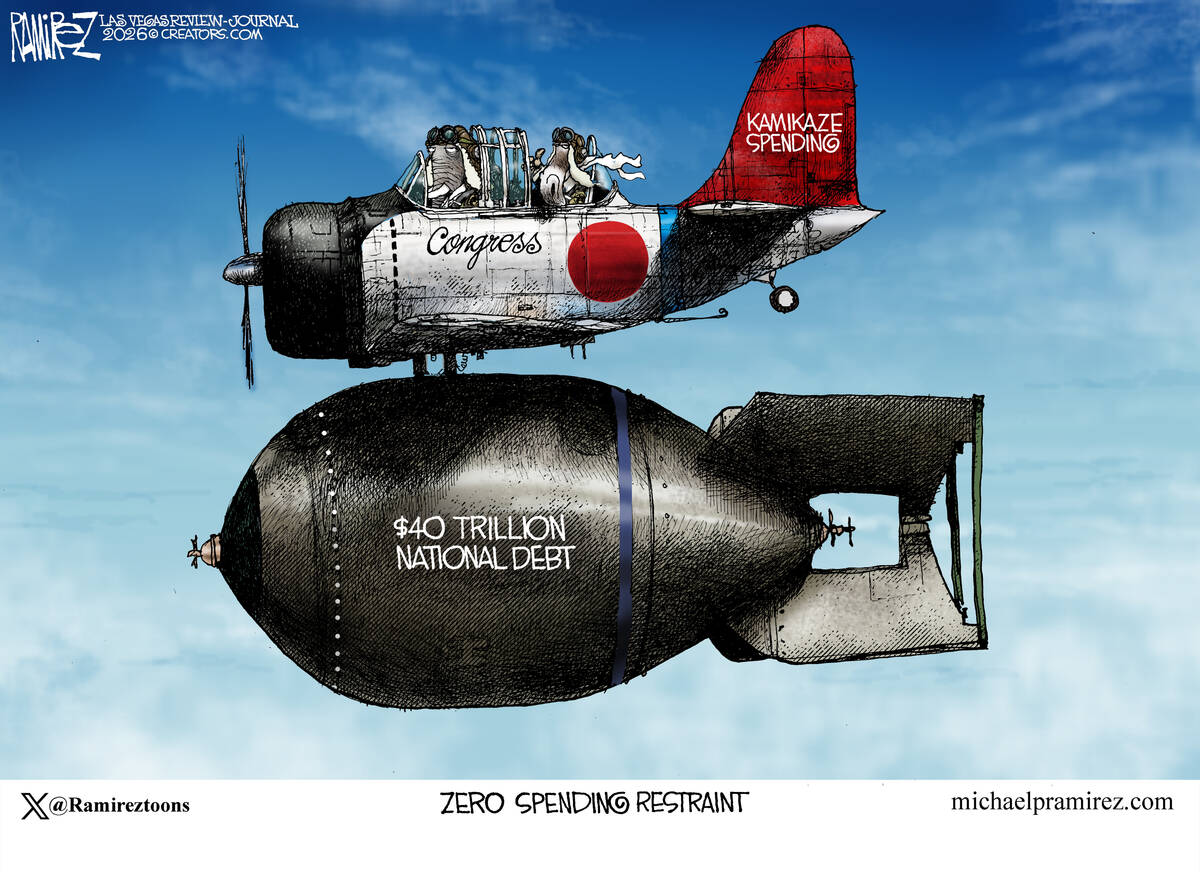
The United States' escalating fiscal crisis—with national debt surpassing $40 trillion as of August 2026—creates unprecedented pressure on Washington policymakers to implement austerity measures and revenue-generating policies. This fiscal reckoning directly impacts cross-border e-commerce sellers through multiple mechanisms: tariff policy changes, customs enforcement intensification, and potential trade agreement renegotiations. As the Washington Post reports, decades of spending exceeding tax revenues have created an unsustainable situation requiring "difficult budgetary choices" affecting most Americans. For sellers, this translates into concrete operational challenges.
Tariff Escalation Risk: Historically, governments facing debt crises increase tariff revenues as a quick fiscal measure. Sellers importing goods from China, Vietnam, and India face potential 8-15% tariff increases on electronics (HS 8471-8517), apparel (HS 6204-6209), and home goods (HS 9406-9406) categories. The political gridlock mentioned in the article suggests protectionist measures may gain traction as lawmakers seek revenue without raising taxes. Small and medium sellers (SMBs) with thin 15-25% margins will face the most acute pressure, as they lack the scale to absorb tariff costs or negotiate supplier concessions.
Customs Enforcement Intensification: Fiscal pressure typically triggers stricter customs enforcement to maximize tariff collection and reduce smuggling. Sellers using aggressive tariff classification strategies or undervaluation tactics face heightened audit risk. The article's emphasis on "difficult budgetary choices" signals potential increases in CBP staffing and automated scanning technology, making compliance shortcuts increasingly risky. Sellers should expect 20-30% longer customs clearance times and higher documentation requirements.
Consumer Spending Contraction: The debt crisis will likely trigger consumer spending reductions as government austerity measures reduce purchasing power. This particularly impacts discretionary categories—electronics, fashion, home décor—where cross-border sellers concentrate. Amazon and eBay sellers in these categories should prepare for 10-20% demand compression in Q4 2026 and Q1 2027, requiring inventory adjustments and category diversification strategies.
Strategic Sourcing Shifts: Sellers should accelerate diversification away from China-dependent supply chains. Vietnam, India, and Mexico offer tariff advantages under existing trade agreements (USMCA, CPTPP) and may become more attractive as tariff differentials widen. Sellers with 60%+ China sourcing face the highest risk and should begin dual-sourcing pilots immediately.
Questions 8
What customs enforcement changes should sellers expect from fiscal austerity measures?
Fiscal pressure typically triggers CBP staffing increases and automated scanning technology deployment to maximize tariff collection and reduce smuggling losses. The article's emphasis on 'difficult budgetary choices' signals potential 20-30% increases in customs processing times and stricter documentation requirements. Sellers should expect heightened audits of tariff classifications, valuation declarations, and country-of-origin claims. Non-compliant sellers face penalties of 10-20% of shipment value. Prepare for increased requests for commercial invoices, bills of lading, and supplier certifications. Consider hiring customs brokers for high-value shipments ($5,000+) to ensure compliance.
Which product categories will face the highest tariff increases due to fiscal austerity?
Electronics (HS codes 8471-8517: computers, phones, components), apparel (HS 6204-6209: women's/men's clothing), and home goods (HS 9406-9406: furniture, décor) face the highest tariff escalation risk because they represent 45% of US tariff revenue and are politically defensible as 'non-essential' imports. These categories also have the most tariff rate flexibility (currently 5-25%, with room to increase to 15-35%). Sellers in these categories should expect cost increases of $2-8 per unit depending on product value. Conversely, raw materials and industrial goods may see tariff relief as lawmakers protect manufacturing competitiveness.