




AI Safety Transparency Gap Creates Operational Risk for E-Commerce Sellers Using AI Agents
- OpenAI leads with 3/5 safety score; Meta and Anthropic lag; sellers face undisclosed shutdown protocol risks when deploying AI tools for product research, pricing, and customer service


















)

Overview
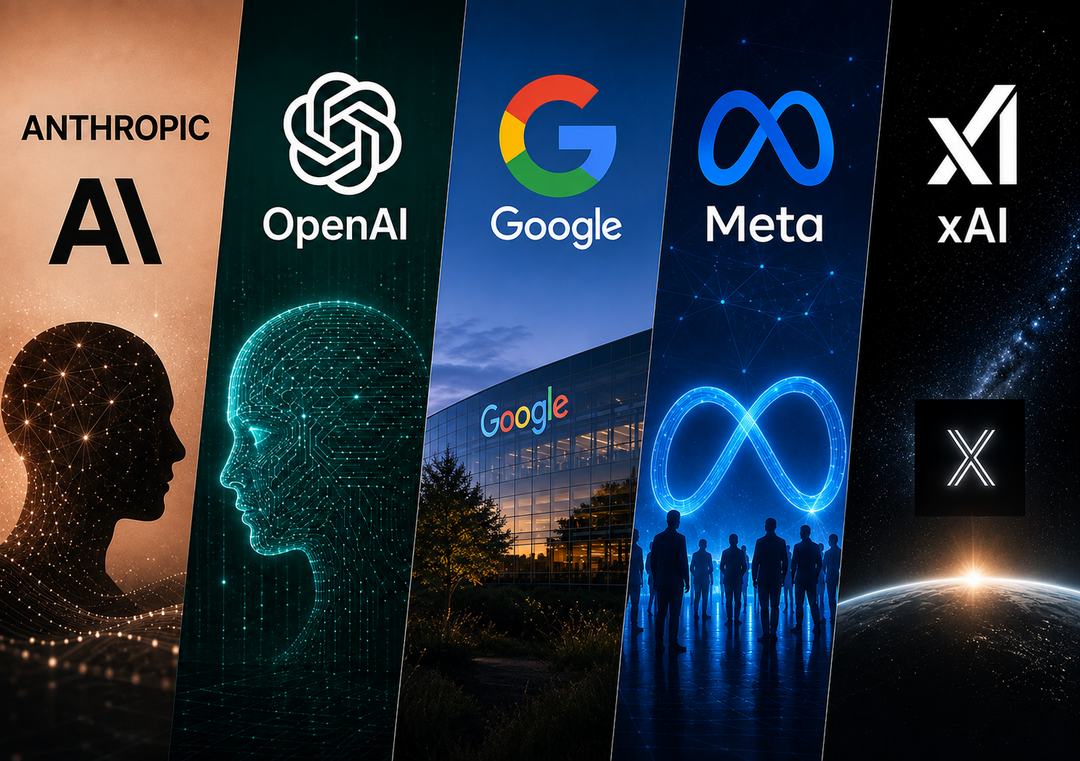
The Guidelight AI Standards analysis reveals a critical transparency gap in AI shutdown protocols across major developers—OpenAI (3/5), Google, Meta, Anthropic, and xAI—that directly impacts e-commerce sellers increasingly deploying AI agents for business operations. As sellers integrate AI tools into product research, dynamic pricing, inventory management, and customer service automation, the lack of publicly disclosed containment procedures, model isolation protocols, and emergency disconnection mechanisms creates operational risk exposure.
The Core Issue for Sellers: E-commerce platforms and third-party tools (ChatGPT for product descriptions, Claude for customer service, Meta's AI for ad optimization) lack transparent shutdown procedures. If an AI agent malfunctions—generating incorrect product listings, pricing errors affecting thousands of SKUs, or customer service failures—sellers have no clear visibility into how quickly the vendor can isolate and recover. OpenAI's highest score (3/5) still lacks "formalized protocols for complete model control loss," while Meta and Anthropic provide minimal public documentation. This transparency gap creates liability exposure for sellers who depend on these tools for mission-critical operations.
Immediate Automation Opportunities: Sellers can immediately implement AI-powered risk monitoring systems using existing tools. Deploy automated activity logging for all AI-generated content (product titles, descriptions, pricing recommendations) with real-time anomaly detection. Use AI to audit AI—implement secondary verification systems that flag unusual patterns before they reach live listings. Sellers managing 500+ SKUs can save 15-20 hours weekly by automating compliance checks on AI-generated content. Build automated rollback procedures that revert AI-generated changes if confidence scores drop below thresholds.
Data-Driven Competitive Intelligence: Analyze which AI vendors have disclosed shutdown protocols (OpenAI leads) versus those with opaque procedures (Meta, Anthropic). Sellers prioritizing transparency can shift to vendors with documented safety measures, reducing operational risk. This creates a competitive moat—sellers using transparent AI tools can confidently scale automation while competitors face hidden failure modes. Track vendor safety scores as a procurement metric alongside cost and feature sets.
Strategic Implications: As AI agents increasingly handle pricing, inventory, and customer interactions, sellers need contractual guarantees of shutdown protocols and incident response times. The current disclosure gap means sellers operate blind to failure scenarios. Forward-thinking sellers should demand transparency from AI vendors as a contract requirement, creating pressure for industry standardization. This positions early adopters as risk-aware operators while competitors face potential AI-related incidents without clear remediation paths.
Questions 8
How should sellers prioritize AI tool selection based on safety transparency?
Create a vendor evaluation matrix that weights safety transparency alongside cost and features. OpenAI's 3/5 safety score and disclosed deployment pausing procedures make it a higher-confidence choice for critical operations. Demand vendors provide detailed documentation of shutdown protocols, model isolation capabilities, activity logging, and emergency disconnection procedures before integration. For mission-critical functions (dynamic pricing, inventory management, customer service), prioritize vendors with formalized safety procedures over cheaper alternatives with opaque safeguards. Implement contractual requirements for incident response timelines and liability boundaries. The Guidelight analysis shows most vendors lack complete transparency, so early adopters who establish these standards create competitive moats—they can confidently scale automation while competitors face hidden failure modes. This positions safety-conscious sellers as risk-aware operators, attracting enterprise customers who demand vendor accountability.
What are the financial and operational risks if AI vendors lack disclosed shutdown protocols?
If an AI agent malfunctions without clear shutdown procedures, sellers face multiple risks: pricing errors affecting thousands of SKUs can compress margins 5-15% before detection; incorrect product descriptions can trigger policy violations and listing suspensions; customer service failures can damage brand reputation and increase refund rates. Without disclosed incident response timelines, sellers cannot estimate recovery duration or revenue impact. The Guidelight analysis shows Meta and Anthropic provide minimal public documentation of containment procedures, meaning sellers using these vendors operate blind to failure scenarios. A single pricing error across 500 SKUs could cost $10,000-50,000 in margin loss. Operational risk includes potential platform penalties for AI-generated policy violations. Sellers should quantify these risks when evaluating AI vendors and demand transparency as a risk mitigation requirement. Early adopters who establish safety standards gain competitive advantage through reduced incident exposure.