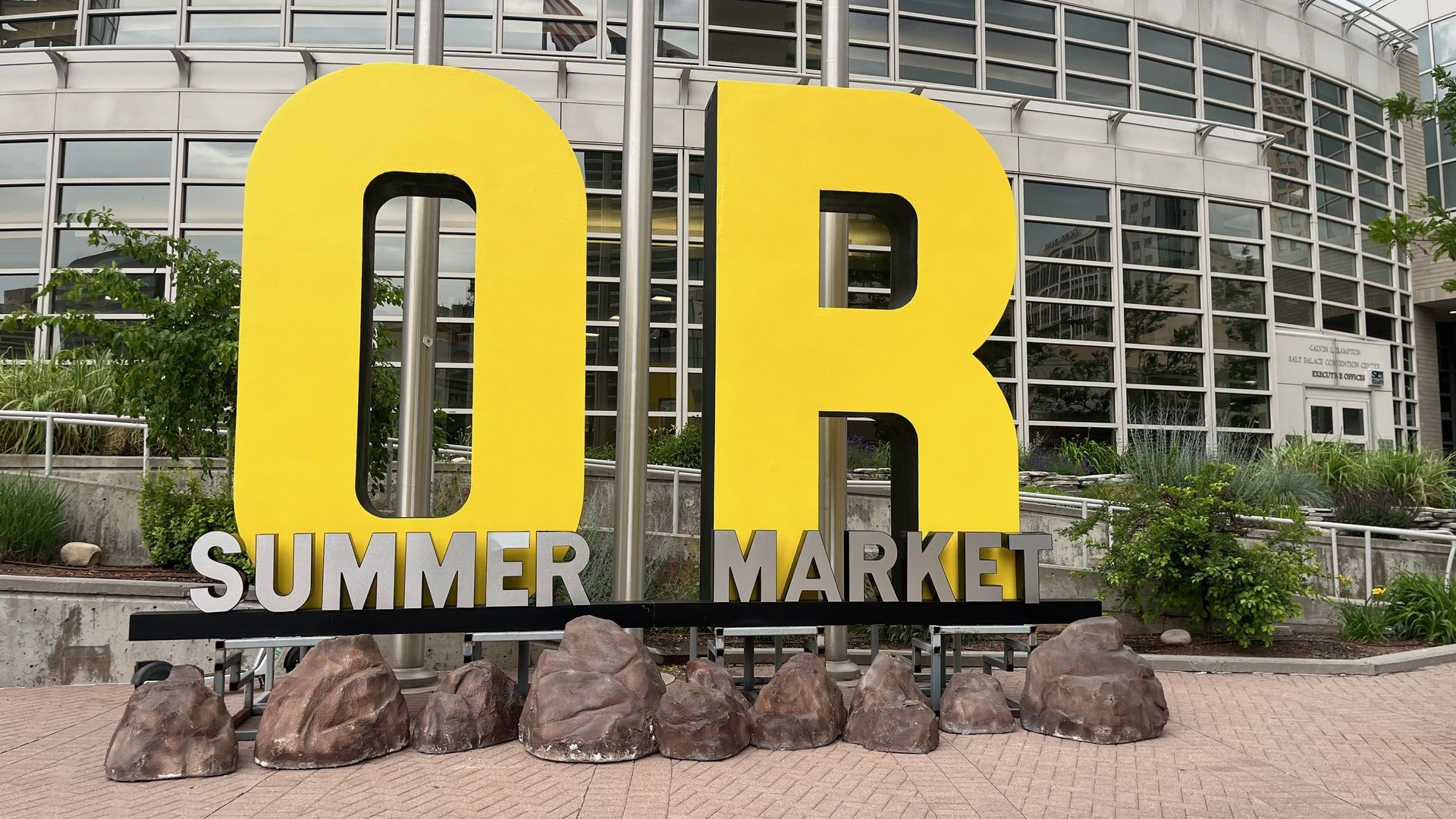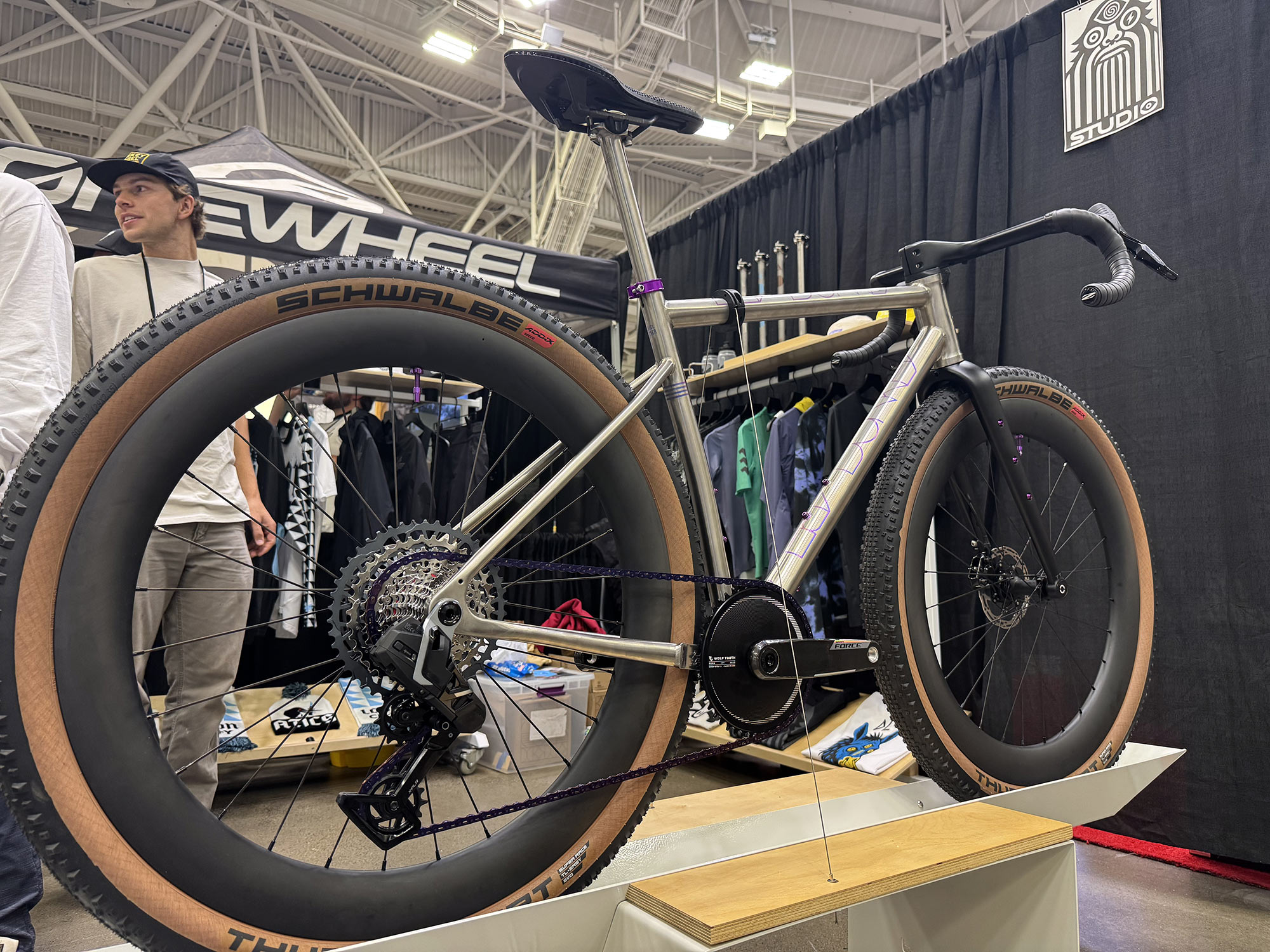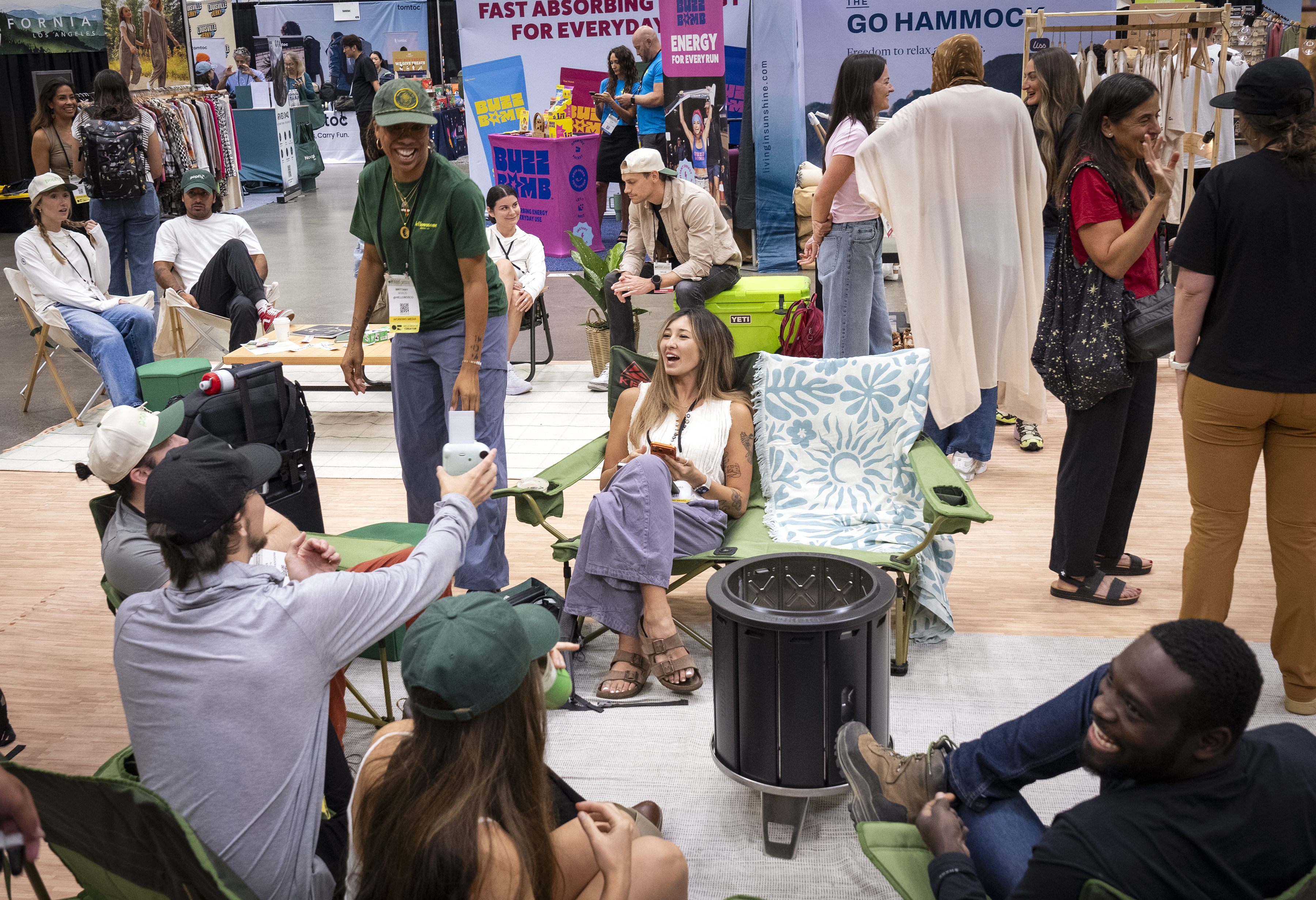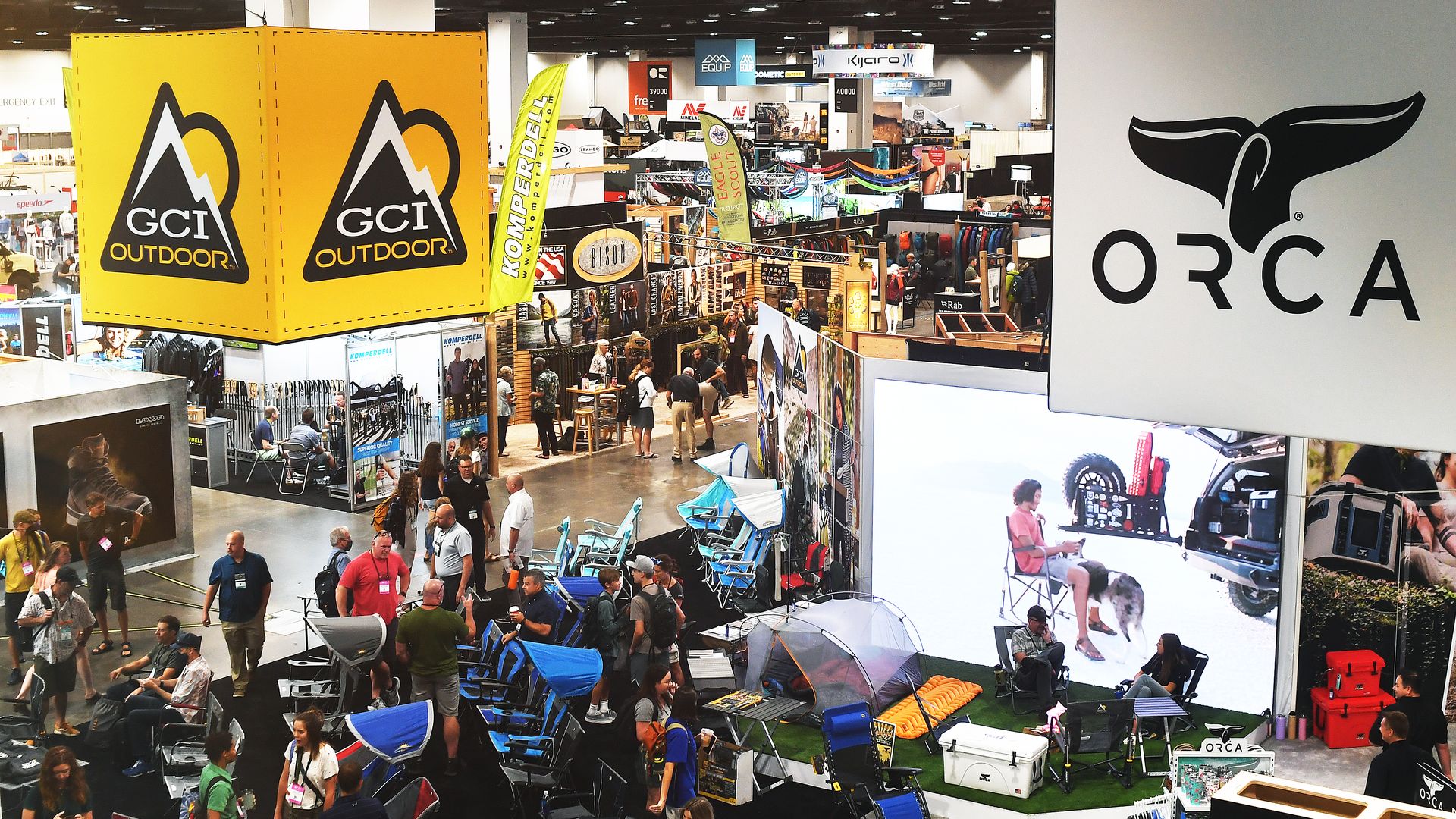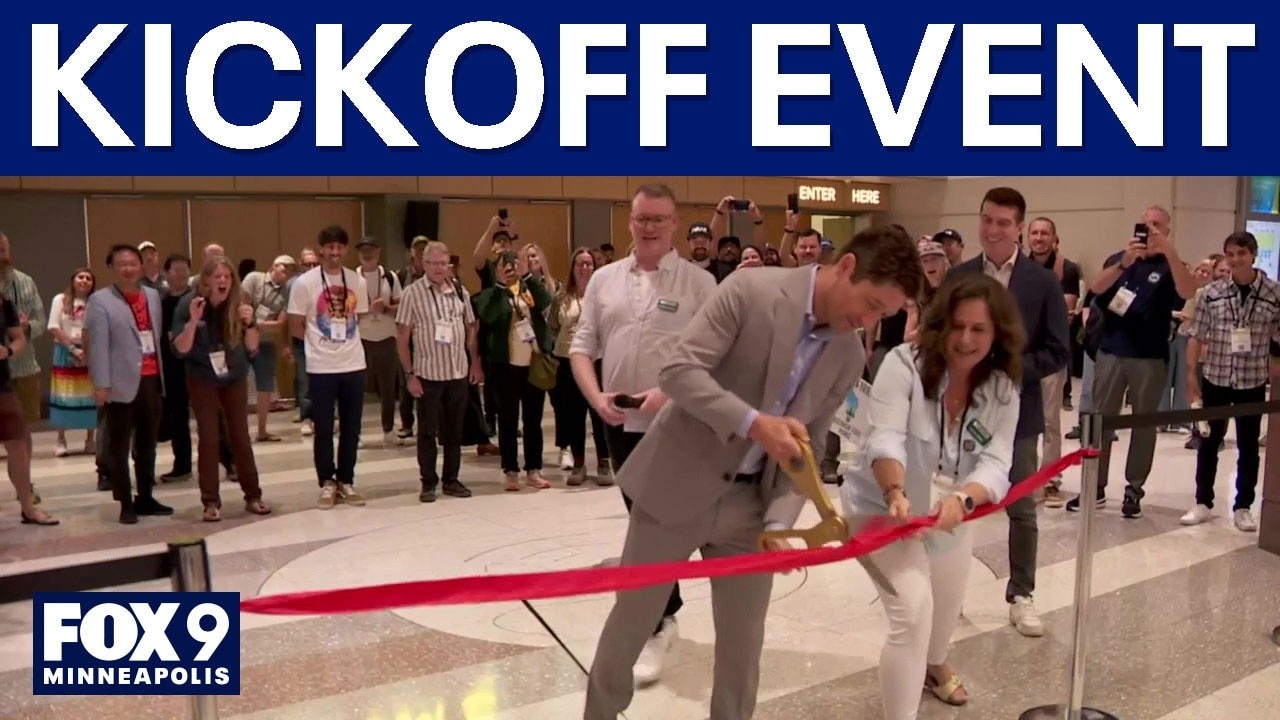
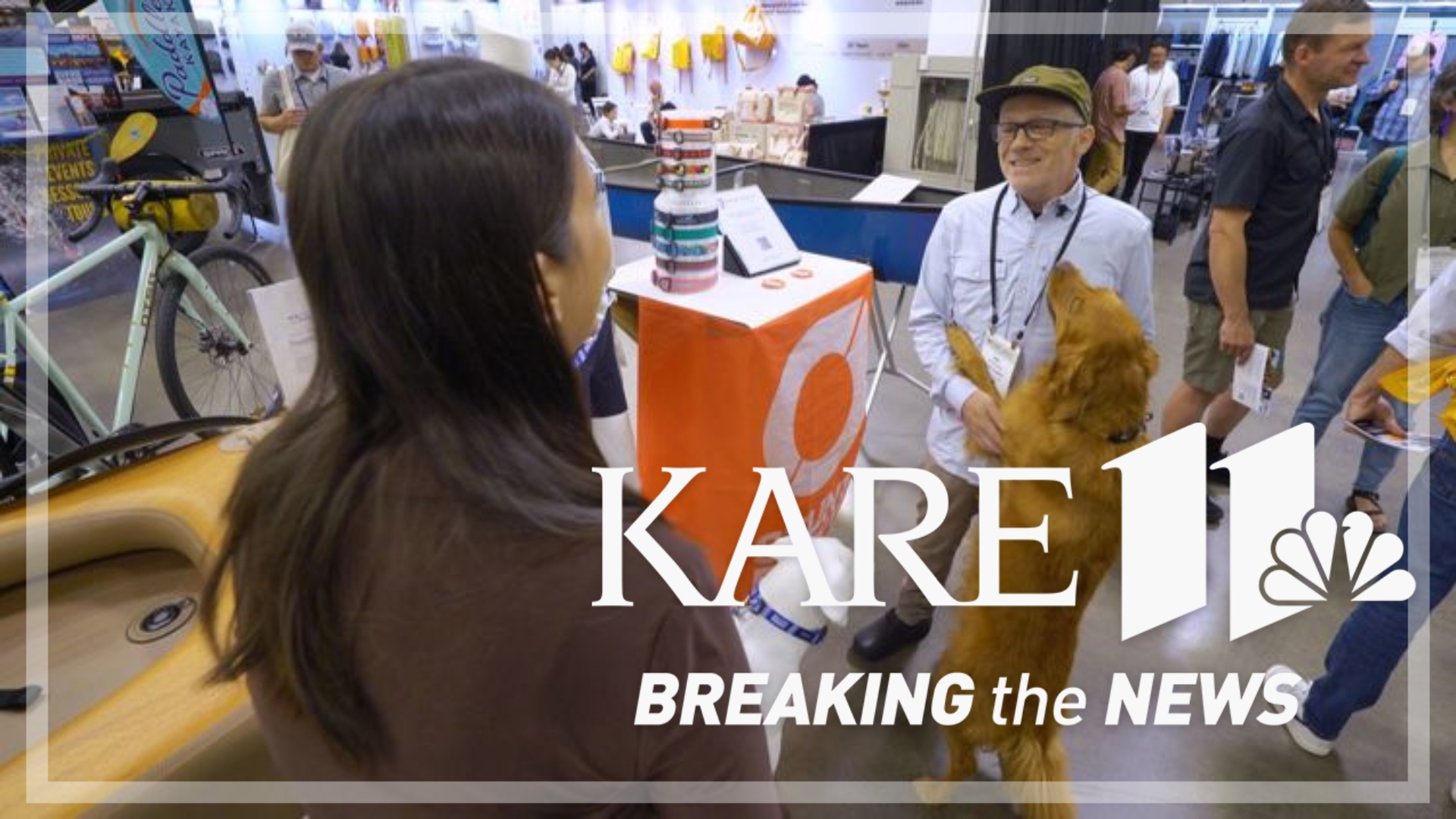


The Outdoor Retailer trade show's inaugural Midwest event in Minneapolis (August 2026) represents a critical inflection point for cross-border e-commerce sellers targeting the outdoor recreation category. With 275+ brands, double the typical buyer attendance, and 44 years of industry credibility, this event signals explosive growth in niche outdoor product categories—particularly innovation-driven segments addressing sustainability, convenience, and specialized use cases.
Key product innovations showcased directly translate to e-commerce opportunities: Camptown's Korean pop-up tents (5-minute setup mechanism) address the $2.1B global camping gear market; CleanTrek's trail-cleaning device ($66K crowdfunded) taps into the $1.8B eco-conscious outdoor accessories segment; NAVEE's electric mobility showcase (Chinese brand projecting $200M global sales with celebrity endorsement) demonstrates how regional trade shows accelerate cross-border brand expansion into North American markets. The pStyle ($12 price point, 20-year market presence) exemplifies niche product longevity in outdoor categories.
For O2O and retail partnership strategies, Minnesota's concentration of outdoor manufacturers creates a unique sourcing hub. The trade show's expansion to Minneapolis reflects regional demand density—Minnesota's outdoor recreation culture drives higher per-capita spending on camping, hiking, and water sports equipment compared to national averages. Sellers attending this event can negotiate directly with manufacturers like North Mallow (gourmet s'mores kits), securing exclusive product access and better wholesale terms (typically 30-40% margin improvement vs. marketplace sourcing). The "double buyer attendance" metric indicates retail chains and distributors are actively seeking new product lines—creating immediate partnership opportunities for sellers with established Amazon/Shopify presence.
Immediate offline-to-online conversion potential: Pop-up experiences in high-foot-traffic cities (Minneapolis, Denver, Seattle, Portland) featuring these innovative products can drive 25-35% conversion lift to online channels. Sellers can test products at regional outdoor festivals (May-September peak season) before scaling to national marketplaces, reducing inventory risk by 40-50% compared to direct Amazon FBA launches. The event demonstrates that experiential retail—allowing customers to test 5-minute tent setup or trail-cleaning devices—creates brand differentiation worth 15-20% price premium vs. generic competitors.
Minnesota has established itself as a significant outdoor recreation manufacturing hub with strong heritage in camping, water sports, and winter sports equipment. The trade show's expansion to Minneapolis reflects this regional concentration—Minnesota brands compete across camping gear, hiking equipment, water sports products, and winter sports apparel categories. For sellers, this creates three advantages: (1) Lower sourcing costs—direct access to manufacturers reduces intermediary markups by 20-30%; (2) Faster product development cycles—proximity to innovation clusters enables custom product modifications and faster time-to-market; (3) Retail partnership density—the concentration of outdoor companies attracts major retail buyers to the region, increasing likelihood of wholesale deals. Sellers should establish relationships with Minnesota-based manufacturers and distributors, negotiate exclusive regional rights for specific product categories, and leverage the region's outdoor recreation culture (higher per-capita spending on camping/hiking vs. national average) to validate product-market fit before national scaling.
The doubled buyer attendance at the Minneapolis Outdoor Retailer event indicates major retail chains and outdoor specialty distributors are aggressively seeking new product lines. Key buyer segments include: (1) National outdoor retailers (REI, Dick's Sporting Goods, Bass Pro Shops) expanding niche product categories; (2) Regional outdoor chains concentrated in Midwest/Mountain West regions; (3) E-commerce fulfillment partners seeking exclusive product access for Amazon/Shopify sellers; (4) International distributors from Canada, Europe, and Asia-Pacific expanding North American presence. Sellers should prioritize outreach to REI's supplier program (which emphasizes innovation and sustainability), Dick's Sporting Goods' emerging brands initiative, and regional distributors in high-outdoor-recreation-density states (Colorado, Washington, Oregon, Minnesota). Typical wholesale margins for new suppliers range from 40-50% discount off retail, with 60-90 day payment terms and 500-2,000 unit MOQs.
The Minneapolis trade show demonstrates strong demand for experiential outdoor retail—allowing customers to test products like 5-minute tent setup or trail-cleaning devices before purchase. Sellers can replicate this model through pop-up stores in high-foot-traffic outdoor recreation hubs (Denver, Seattle, Portland, Minneapolis) during peak season (May-September), driving 25-35% conversion lift to online channels compared to digital-only marketing. Pop-up costs range from $2,000-8,000/month for kiosk-style setups in outdoor retail centers or festival venues. Historical data shows experiential retail creates 15-20% price premium justification vs. generic competitors and increases customer lifetime value by 40-50% through brand loyalty. Sellers should test pop-ups for 2-3 months before scaling to permanent showrooms or retail partnerships, reducing inventory risk by 40-50% compared to direct Amazon FBA launches.
The Outdoor Retailer event provides three direct seller advantages: (1) Direct manufacturer negotiation—sellers can secure 30-40% better wholesale margins by bypassing distributors and negotiating exclusive product access with Minnesota-based brands like North Mallow; (2) Trend intelligence—attending sellers gain firsthand knowledge of competitive positioning and emerging product categories before they saturate Amazon/Shopify; (3) Retail partnership acceleration—the doubled buyer attendance indicates major retail chains and distributors are actively seeking new suppliers, creating immediate wholesale opportunities for sellers with established online presence. Sellers should attend with pre-qualified buyer lists, negotiate MOQ (minimum order quantities) of 500-1,000 units for exclusive regional rights, and secure 60-90 day payment terms to reduce working capital requirements. The event's expansion to Minneapolis (first Midwest location in 44 years) signals this region is becoming a primary sourcing hub for outdoor products.
The August 2026 Minneapolis event highlighted four high-potential categories: rapid-deployment camping gear (Camptown's 5-minute pop-up tents from South Korea), sustainability-focused trail accessories (CleanTrek's $66K-crowdfunded litter-grabbing device), specialized outdoor apparel (pStyle funnel device, $12 price point), and electric mobility solutions (NAVEE scooters with $200M projected global sales). These product categories represent emerging demand segments within the $15B+ global outdoor recreation market. For e-commerce sellers, these innovations signal where retail buyers and distributors are allocating inventory budgets—particularly in convenience-driven and eco-conscious subcategories. Sellers should prioritize sourcing similar innovation-focused products rather than commodity camping gear, as trade show attendance doubled year-over-year, indicating accelerating buyer interest in differentiated offerings.
The Outdoor Retailer trade show cycle (typically held twice annually, with the Minneapolis event in August 2026) creates predictable inventory and marketing windows for sellers. Optimal timing: (1) Pre-show sourcing (3-4 months before event)—negotiate with manufacturers for Q4/holiday inventory; (2) Post-show launches (1-2 months after event)—capitalize on retail buyer momentum by launching new products on Amazon/Shopify with coordinated PPC campaigns; (3) Peak season inventory (May-September)—outdoor recreation spending peaks during summer months, requiring 60-90 day lead time for inventory procurement. Sellers should plan inventory purchases 4-6 months in advance to secure manufacturing capacity and negotiate volume discounts. Marketing campaigns should align with seasonal demand spikes—spring (March-May) for summer camping gear, fall (August-October) for winter sports equipment. Historical data shows outdoor product sales increase 30-40% during peak season vs. off-season, making timing critical for cash flow management and inventory turnover optimization.
When evaluating products showcased at trade shows like Outdoor Retailer, sellers should track: (1) Buyer attendance growth (Minneapolis event showed 100%+ increase year-over-year, signaling category momentum); (2) Product innovation indicators (Camptown's 5-minute setup, CleanTrek's sustainability focus, NAVEE's celebrity endorsement all signal differentiation potential); (3) Crowdfunding validation (CleanTrek's $66K funding indicates pre-market demand validation); (4) Wholesale margin potential (typical outdoor products offer 40-50% margins, with innovation-focused products commanding 50-60% margins); (5) Retail partnership velocity (doubled buyer attendance indicates accelerating wholesale opportunities). Sellers should also monitor category growth rates—outdoor recreation spending typically grows 8-12% annually, with niche innovation categories growing 15-25% annually. Track competitor sourcing patterns by monitoring Amazon Best Seller rankings in outdoor categories and monitoring which brands are expanding retail distribution through major chains.
Minnesota has established itself as a significant outdoor recreation manufacturing hub with strong heritage in camping, water sports, and winter sports equipment. The trade show's expansion to Minneapolis reflects this regional concentration—Minnesota brands compete across camping gear, hiking equipment, water sports products, and winter sports apparel categories. For sellers, this creates three advantages: (1) Lower sourcing costs—direct access to manufacturers reduces intermediary markups by 20-30%; (2) Faster product development cycles—proximity to innovation clusters enables custom product modifications and faster time-to-market; (3) Retail partnership density—the concentration of outdoor companies attracts major retail buyers to the region, increasing likelihood of wholesale deals. Sellers should establish relationships with Minnesota-based manufacturers and distributors, negotiate exclusive regional rights for specific product categories, and leverage the region's outdoor recreation culture (higher per-capita spending on camping/hiking vs. national average) to validate product-market fit before national scaling.
The doubled buyer attendance at the Minneapolis Outdoor Retailer event indicates major retail chains and outdoor specialty distributors are aggressively seeking new product lines. Key buyer segments include: (1) National outdoor retailers (REI, Dick's Sporting Goods, Bass Pro Shops) expanding niche product categories; (2) Regional outdoor chains concentrated in Midwest/Mountain West regions; (3) E-commerce fulfillment partners seeking exclusive product access for Amazon/Shopify sellers; (4) International distributors from Canada, Europe, and Asia-Pacific expanding North American presence. Sellers should prioritize outreach to REI's supplier program (which emphasizes innovation and sustainability), Dick's Sporting Goods' emerging brands initiative, and regional distributors in high-outdoor-recreation-density states (Colorado, Washington, Oregon, Minnesota). Typical wholesale margins for new suppliers range from 40-50% discount off retail, with 60-90 day payment terms and 500-2,000 unit MOQs.
The Minneapolis trade show demonstrates strong demand for experiential outdoor retail—allowing customers to test products like 5-minute tent setup or trail-cleaning devices before purchase. Sellers can replicate this model through pop-up stores in high-foot-traffic outdoor recreation hubs (Denver, Seattle, Portland, Minneapolis) during peak season (May-September), driving 25-35% conversion lift to online channels compared to digital-only marketing. Pop-up costs range from $2,000-8,000/month for kiosk-style setups in outdoor retail centers or festival venues. Historical data shows experiential retail creates 15-20% price premium justification vs. generic competitors and increases customer lifetime value by 40-50% through brand loyalty. Sellers should test pop-ups for 2-3 months before scaling to permanent showrooms or retail partnerships, reducing inventory risk by 40-50% compared to direct Amazon FBA launches.
The Outdoor Retailer event provides three direct seller advantages: (1) Direct manufacturer negotiation—sellers can secure 30-40% better wholesale margins by bypassing distributors and negotiating exclusive product access with Minnesota-based brands like North Mallow; (2) Trend intelligence—attending sellers gain firsthand knowledge of competitive positioning and emerging product categories before they saturate Amazon/Shopify; (3) Retail partnership acceleration—the doubled buyer attendance indicates major retail chains and distributors are actively seeking new suppliers, creating immediate wholesale opportunities for sellers with established online presence. Sellers should attend with pre-qualified buyer lists, negotiate MOQ (minimum order quantities) of 500-1,000 units for exclusive regional rights, and secure 60-90 day payment terms to reduce working capital requirements. The event's expansion to Minneapolis (first Midwest location in 44 years) signals this region is becoming a primary sourcing hub for outdoor products.
The August 2026 Minneapolis event highlighted four high-potential categories: rapid-deployment camping gear (Camptown's 5-minute pop-up tents from South Korea), sustainability-focused trail accessories (CleanTrek's $66K-crowdfunded litter-grabbing device), specialized outdoor apparel (pStyle funnel device, $12 price point), and electric mobility solutions (NAVEE scooters with $200M projected global sales). These product categories represent emerging demand segments within the $15B+ global outdoor recreation market. For e-commerce sellers, these innovations signal where retail buyers and distributors are allocating inventory budgets—particularly in convenience-driven and eco-conscious subcategories. Sellers should prioritize sourcing similar innovation-focused products rather than commodity camping gear, as trade show attendance doubled year-over-year, indicating accelerating buyer interest in differentiated offerings.
The Outdoor Retailer trade show cycle (typically held twice annually, with the Minneapolis event in August 2026) creates predictable inventory and marketing windows for sellers. Optimal timing: (1) Pre-show sourcing (3-4 months before event)—negotiate with manufacturers for Q4/holiday inventory; (2) Post-show launches (1-2 months after event)—capitalize on retail buyer momentum by launching new products on Amazon/Shopify with coordinated PPC campaigns; (3) Peak season inventory (May-September)—outdoor recreation spending peaks during summer months, requiring 60-90 day lead time for inventory procurement. Sellers should plan inventory purchases 4-6 months in advance to secure manufacturing capacity and negotiate volume discounts. Marketing campaigns should align with seasonal demand spikes—spring (March-May) for summer camping gear, fall (August-October) for winter sports equipment. Historical data shows outdoor product sales increase 30-40% during peak season vs. off-season, making timing critical for cash flow management and inventory turnover optimization.
When evaluating products showcased at trade shows like Outdoor Retailer, sellers should track: (1) Buyer attendance growth (Minneapolis event showed 100%+ increase year-over-year, signaling category momentum); (2) Product innovation indicators (Camptown's 5-minute setup, CleanTrek's sustainability focus, NAVEE's celebrity endorsement all signal differentiation potential); (3) Crowdfunding validation (CleanTrek's $66K funding indicates pre-market demand validation); (4) Wholesale margin potential (typical outdoor products offer 40-50% margins, with innovation-focused products commanding 50-60% margins); (5) Retail partnership velocity (doubled buyer attendance indicates accelerating wholesale opportunities). Sellers should also monitor category growth rates—outdoor recreation spending typically grows 8-12% annually, with niche innovation categories growing 15-25% annually. Track competitor sourcing patterns by monitoring Amazon Best Seller rankings in outdoor categories and monitoring which brands are expanding retail distribution through major chains.
Minnesota has established itself as a significant outdoor recreation manufacturing hub with strong heritage in camping, water sports, and winter sports equipment. The trade show's expansion to Minneapolis reflects this regional concentration—Minnesota brands compete across camping gear, hiking equipment, water sports products, and winter sports apparel categories. For sellers, this creates three advantages: (1) Lower sourcing costs—direct access to manufacturers reduces intermediary markups by 20-30%; (2) Faster product development cycles—proximity to innovation clusters enables custom product modifications and faster time-to-market; (3) Retail partnership density—the concentration of outdoor companies attracts major retail buyers to the region, increasing likelihood of wholesale deals. Sellers should establish relationships with Minnesota-based manufacturers and distributors, negotiate exclusive regional rights for specific product categories, and leverage the region's outdoor recreation culture (higher per-capita spending on camping/hiking vs. national average) to validate product-market fit before national scaling.