



DRAM Shortage Crisis: 60% Amazon Device Price Hikes Signal Supply Chain Disruption Through 2027
- Memory chip costs surge 400% by end-2026; Echo Dot rises $30, Kindle +$40; sellers face 8-15% margin compression on electronics inventory




Overview
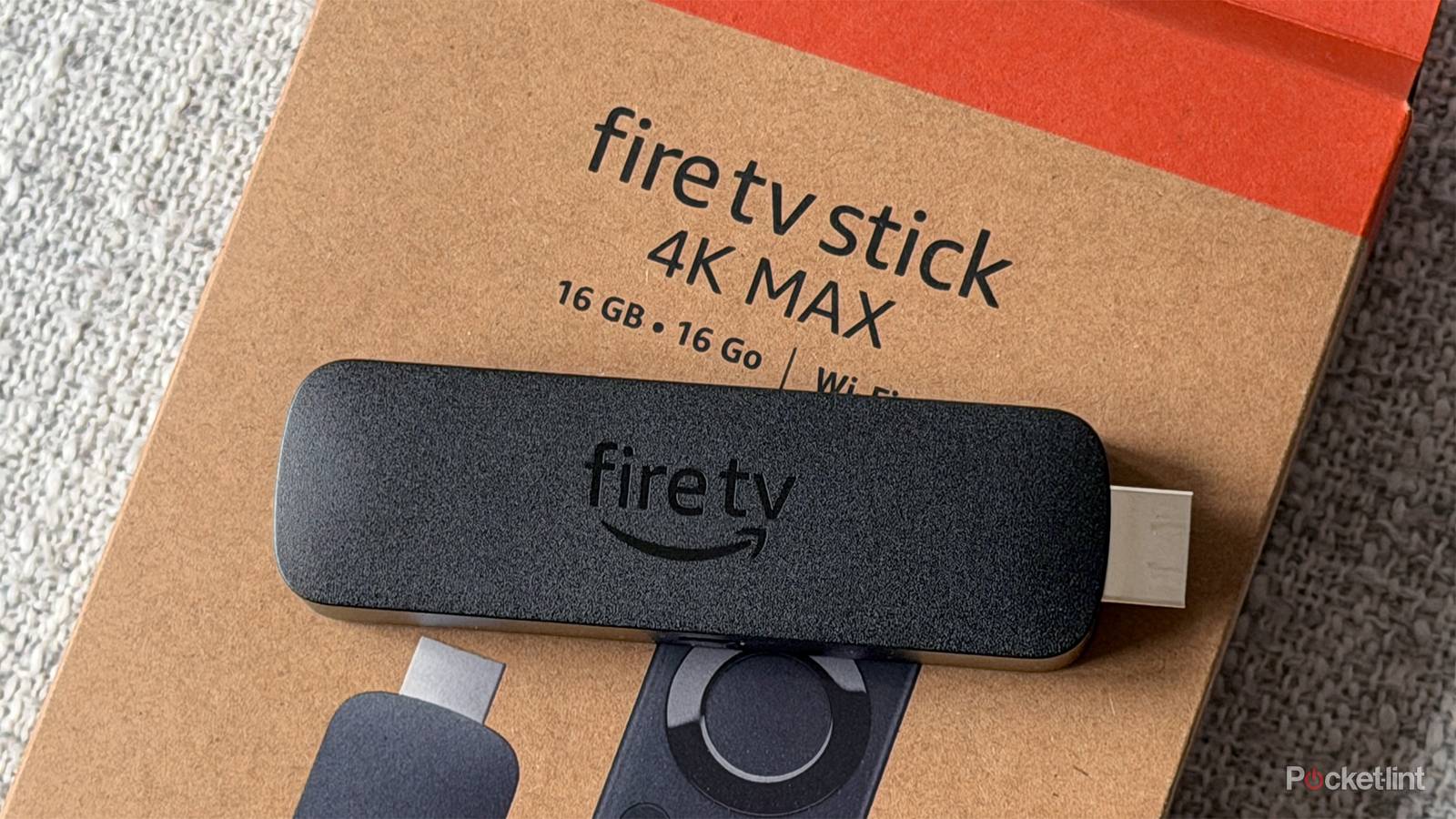
The global memory chip shortage, driven by AI infrastructure demand and data center expansion, has triggered unprecedented price escalation across consumer electronics. Amazon implemented sweeping price increases in August 2026 across its entire device ecosystem—Echo Dot (+60% to $79.99), Kindle 16GB (+36% to $149.99), Fire TV Stick 4K Max (+40% to $84.99), and eero mesh routers (+14%)—directly attributed to "significant increases in memory and storage component costs." JPMorgan Global Research projects DRAM prices could surge 400% or more between early 2024 and end of 2026, with pressures persisting through 2027. This mirrors industry-wide adjustments: Apple raised iPad/MacBook prices, Roku increased device costs up to 50%, and Dell, HP, Asus followed suit throughout 2026.
For cross-border e-commerce sellers, this creates a critical supply chain inflection point. The shortage disproportionately impacts budget-segment devices—precisely where price-sensitive consumers and resellers operate. International Data Corporation warns that budget-priced smartphones and PCs face the greatest supply constraints and reduced availability. Sellers competing in smart home (Echo alternatives), streaming devices (Fire TV competitors), e-readers, and mesh networking face immediate margin compression: a seller sourcing Echo Dot clones at $35 COGS now faces retail price floors at $75-80, compressing margins from 40% to 25-30%. Inventory sourced 6+ months ago at lower component costs becomes a competitive liability as market prices reset upward. Notably, Ring devices avoided price increases, suggesting Amazon prioritizes certain product lines—a signal for sellers to evaluate which categories will absorb cost increases versus those facing demand destruction.
Logistics and inventory strategy must shift immediately. Sellers with pre-shortage inventory (low COGS) should accelerate liquidation at current market prices before competitor inventory floods channels. Conversely, sellers planning Q4 2026 restocking should negotiate long-term supply agreements (as Amazon and Microsoft have done) or shift sourcing to non-memory-intensive product categories. The supply crunch threatens global PC and smartphone supplies through 2027, making memory-heavy devices increasingly scarce and expensive. Warehouse positioning matters: sellers should prioritize FBA placement for high-velocity, low-memory devices (Ring products, basic smart speakers) while reducing inventory depth on memory-intensive SKUs. Alternative fulfillment models—dropshipping from suppliers with locked-in pricing, or POD (print-on-demand) for non-electronics—become strategically valuable. Total landed cost calculations must now factor in 15-25% component cost premiums persisting through 2027, fundamentally reshaping competitive pricing and margin expectations across the electronics category.
Questions 8
How much will memory chip costs impact my electronics inventory landed cost through 2027?
JPMorgan Global Research projects DRAM prices could surge 400% or more between early 2024 and end of 2026, with pressures persisting through 2027. For sellers sourcing memory-intensive devices (smart speakers, e-readers, streaming devices), this translates to 15-25% component cost increases on landed cost. A device with $30 COGS in early 2024 could reach $45-50 COGS by end-2026. Amazon's price increases—Echo Dot +60%, Kindle +36%, Fire TV +40%—reflect this reality. Sellers must immediately recalculate break-even pricing and evaluate whether current inventory can sustain profitability at new market price floors. Budget-segment products face the greatest margin compression, potentially dropping from 35-40% gross margins to 20-25%.
What sourcing regions offer better DRAM access and pricing through 2027?
Vietnam and India are emerging as alternatives to China for electronics manufacturing, with better access to DRAM supplies through partnerships with Samsung and SK Hynix. Vietnam's electronics exports grew 18% YoY in 2025-2026, partly due to supply chain diversification away from China. Taiwan remains the premium option but faces similar DRAM constraints as China. For cross-border sellers, sourcing Echo Dot alternatives from Vietnam adds 5-7% to COGS but provides 6-8 week lead time certainty versus 10-12 weeks from China. Mexico offers nearshoring advantages for US sellers, though DRAM sourcing remains constrained. Negotiate long-term supply agreements (12-24 months) with suppliers in these regions NOW—Amazon and Microsoft have already locked in pricing, and spot market availability will tighten through 2027. Budget an additional 8-12% for supply chain security premiums.